
Witch hazel
Hamamelis virginiana
Educational content — not medical, botanical, or professional advice. Always consult a qualified clinician before using any herbal preparation — especially during pregnancy, breastfeeding, while on medication, or for children. How we source & review →
Garden journal pausedUse profile notes below
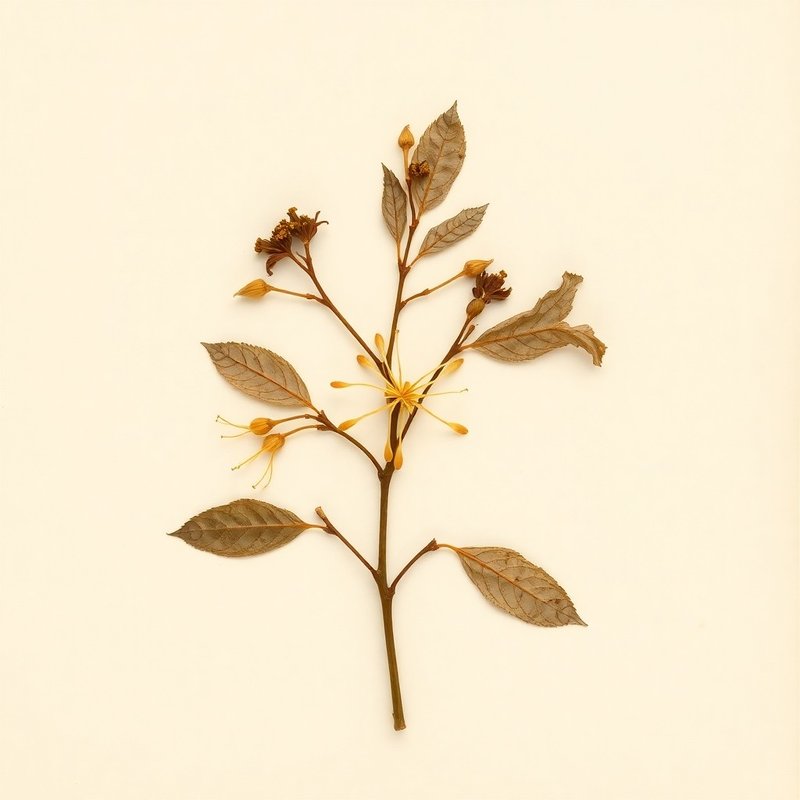
Pl. F44C — Hamamelis virginiana
Hamamelis virginianaHamamelis virginianaHamamelis virginianaHamamelis virginianaHamamelis virginianaHamamelis virginianaHamamelis virginianaHamamelis virginianaHamamelis virginianaHamamelis virginianaHamamelis virginianaHamamelis virginianaHamamelis virginianaHamamelis virginiana
IOverview
Overview
Witch hazel (Hamamelis virginiana) is a deciduous shrub or small tree native to the eastern United States and northeastern Mexico, thriving in a range of habitats from forest edges to open fields. It is adaptable to various soil types, particularly light (sandy) to medium soils with a pH between 4.5 and 6.2, making it a versatile plant for gardeners and landscapers. Witch hazel prefers a light requirement that ranges from full sun to partial shade and can tolerate hardiness zones 3-8, making it suitable for temperate regions. This plant is valued for both its ornamental and medicinal properties. Its distinctive late-autumn flowering produces fragrant, yellowish flowers, which are a unique sight as the leaves begin to change color. The foliage of witch hazel is coarse and adds a striking visual element to the fall landscape. Additionally, the seeds of the plant are edible when roasted, making it a useful addition to the diet in certain contexts. Witch hazel is also known for its medicinal uses, particularly in cosmetic applications. The plant's astringent properties make it useful in toners and other skincare products. However, it is important to note that while witch hazel has traditional uses, it should not be consumed or used medicinally without professional guidance due to potential skin sensitivities and other considerations. In cultivation, witch hazel can be propagated through seeds, and it is often used as a rootstock for other plants. Its slow growth rate and multiple stem growth form make it a unique addition to gardens, providing both aesthetic and practical benefits. Overall, witch hazel is a valuable plant for those interested in both ornamental and practical applications in their landscapes.
Quick answers
What is Witch hazel?
Witch hazel (Hamamelis virginiana) is a deciduous shrub or small tree native to the eastern United States and northeastern Mexico, thriving in a range of habitats from forest edges to open fields. It is adaptable to various soil types, particularly light (sandy) to medium soils with a pH between 4.
IV·bMixology suggestions
2 drafts
Mixology suggestions
2 draftsEditorial drafts. These pairings are AI-suggested from traditional herbal lore. Always verify with a qualified herbalist before brewing.
Growingconditions · propagation · uses
VCultivation
Cultivation
Witch hazel is a perennial tree or shrub that thrives in temperate regions with hardiness levels ranging from 3 to 8. It prefers full sun to partial shade and moist soil, although it can tolerate some dryness. The plant grows well in light sandy soils and medium soils with a pH of 4.5-6.2. To propagate witch hazel, seeds can be used. It is also edible, with the seed being a notable part of its edible parts.
Light
Full sun, Partial sun/shade
Water
Moist
Soil
Light (sandy), Medium
Hardiness
3-8
Life cycle
Perennial
Habit
Tree, Shrub
Mature size
5.0 m tall
Soil pH
4.5–6.2
For first-time growers
How to grow Witch hazel for the first time
8steps
Start with planting a young witch hazel tree for the best beginner experience.
- 1
What you'll need
A young witch hazel sapling, garden gloves, and a trowel.
- 2
Best time to plant
Plant in early spring or late fall when temperatures are mild.
- 3
Soil and container prep
Choose a location with moist, light (sandy) to medium soil that drains well. Ensure the pH is between 4.5–6.2.
- 4
Sowing or transplanting
Dig a hole twice as wide but not deeper than the root ball. Place the sapling and fill around it, watering gently.
- 5
First two weeks
Keep the soil consistently moist during this period to help establish the roots.
- 6
Ongoing care
Water regularly, especially in dry spells, and mulch to retain moisture. Prune lightly after flowering to shape the plant.
- 7
Harvest or pruning
Prune in late winter before new growth starts to maintain the tree's shape.
- 8
Common mistakes
Overwatering, planting too deep, and neglecting proper pruning are common pitfalls for beginners.
VIEdible & utility
Edible & utility
Edible parts:Seed
Edible uses: Tea
Other uses:CosmeticRootstockTanninLumberFragrance
Contextrange · companions · related
VIIDistribution
40 native · 0 introduced
Distribution
40 native · 0 introducedDistribution across1 continent· 40 native
Asia1 region
native (1)Georgia
Broader regions
native:Alabama, Arkansas, Connecticut, Delaware, District of Columbia, Florida, Illinois, Indiana, Iowa, Kentucky, Louisiana, Maine, Maryland, Masachusettes, Massachusetts, Mexico Northeast, Michigan, Minnesota, Mississippi, Missouri, New Brunswick, New Hampshire, New Jersey, New York, North Carolina, Nova Scotia, Ohio, Oklahoma, Ontario, Pennsylvania, Québec, Rhode I., South Carolina, Tennessee, Texas, Vermont, Virginia, West Virginia, Wisconsin
VIIIGarden companions
6 pairs
Garden companions
6 pairsPlant near these
These plants help — by repelling pests, fixing nitrogen, attracting pollinators, or sharing space well.
Saigon Cinnamon
Cinnamomum loureiroi
Pollinator-friendly
Witch hazel attracts pollinators to help Saigon Cinnamon flower and fruit.
✶ AI suggested
Siberian Yarrow
Achillea sibirica
Pollinator-friendly
Both plants attract pollinators, enhancing overall garden health.
✶ AI suggested
Guadalupe Palm
Brahea edulis
Pest repellent
Witch hazel deters pests, beneficial for the Guadalupe Palm.
✶ AI suggested
Prickly Pear
Opuntia ficus-indica
Pollinator-friendly
Witch hazel attracts pollinators that help Prickly Pear.
✶ AI suggested
Muscadine Grape
Vitis rotundifolia
Pest repellent
Witch hazel deters pests, benefiting Muscadine Grape.
✶ AI suggested
Cherry Birch
Betula lenta
Pest repellent
Witch hazel repels pests that may harm cherry birch.
✶ AI suggested
IXSpecimen gallery
1 image
Specimen gallery
1 imageXI
Explore further
Companion planting
Growing zone
Native to
XII
About this entry
- Last updated
- Citation
- How to cite this entry · Submit a correction
Back to the cataloguePlant id · f44cc4a2-2cc9-4bbf-b249-4ca68ba7ac82
Decision aid
Choosing between Witch hazel and something else?
Continue reading
❦❦❦❦
Endpaper · archive updates
Get archive updates
Occasional email when substantial new content lands — plant profiles, seasonal growing notes, folk-remedy additions. Free, no tracking, unsubscribe anytime.
Newsletter returning soon.
We are rebuilding the update list around a lightweight editorial workflow. New dispatches will resume after the next content review cycle.