
Prickly Pear
Opuntia ficus-indicafam. Cactaceae
Educational content — not medical, botanical, or professional advice. Plant identification, safety, and edibility depend on local conditions, cultivars, and correct identification. Consult a qualified botanist or forager before consuming or handling wild specimens. How we source & review →
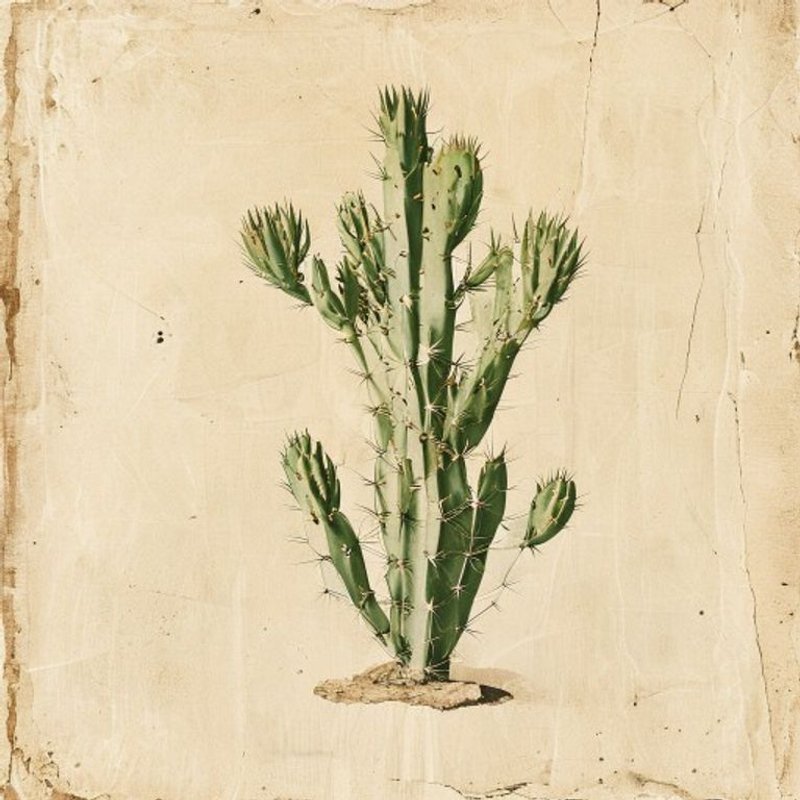
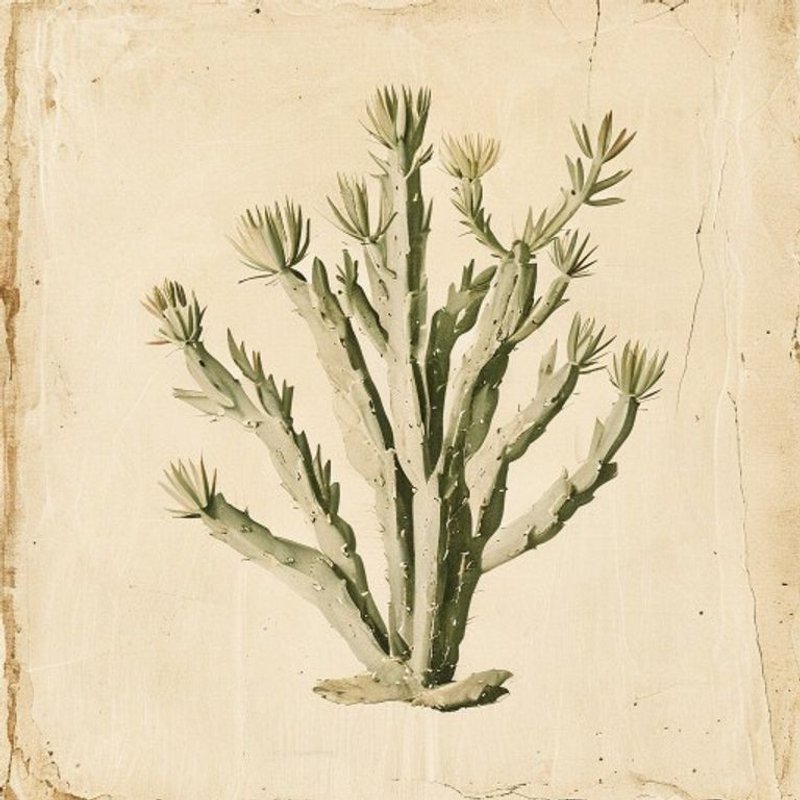
Pl. 4FDC — Opuntia ficus-indica
Opuntia ficus-indicaOpuntia ficus-indicaOpuntia ficus-indicaOpuntia ficus-indicaOpuntia ficus-indicaOpuntia ficus-indicaOpuntia ficus-indicaOpuntia ficus-indicaOpuntia ficus-indicaOpuntia ficus-indicaOpuntia ficus-indicaOpuntia ficus-indicaOpuntia ficus-indicaOpuntia ficus-indica
IOverview
Overview
Prickly Pear, scientifically known as Opuntia ficus-indica and belonging to the Cactaceae family, is a perennial shrub native to Mexico Central, Gulf, Northeast, Northwest, and Southwest regions. This plant thrives in dry, light (sandy) to medium soil with a pH range of 7–8.5, making it well-suited for arid environments. Known for its edible flowers, fruits, leaves, and seeds, Prickly Pear is both ornamental and useful for food. One distinctive feature sets it apart: despite its name suggesting a tree-like form, it typically grows as a shrub reaching up to 5 meters in height. Its light energy requirement of 9/10 indicates it prefers plenty of sunlight.
Quick answers
What is Prickly Pear?
Prickly Pear, scientifically known as Opuntia ficus-indica and belonging to the Cactaceae family, is a perennial shrub native to Mexico Central, Gulf, Northeast, Northwest, and Southwest regions. This plant thrives in dry, light (sandy) to medium soil with a pH range of 7–8.
Growingconditions · propagation · uses
VCultivation
Cultivation
Prickly Pear thrives in light to partial sun and prefers well-draining soils that are light (sandy) or medium-textured. It is drought-tolerant and requires minimal watering once established. The plant can grow up to 5 meters tall and is hardy in temperate regions, typically zones 8-11. Propagate by seed or cuttings from mature stems. Harvest edible parts such as flowers, fruit, leaves, and seeds for culinary use. Soil pH should be maintained between 7 and 8.5 for optimal growth.
Light
9/10
Water
Dry
Soil
Light (sandy), Medium
Hardiness
8-11
Life cycle
Perennial
Habit
Tree, Shrub
Mature size
5.0 m tall
Soil pH
7–8.5
For first-time growers
How to grow Prickly Pear for the first time
8steps
Start with a simple, low-maintenance cactus that thrives in warm climates and well-draining soil.
- 1
What you'll need
Prickly Pear plant, potting mix for cacti, gloves, trowel.
- 2
Best time to plant
Spring or early summer when the weather is warm and stable.
- 3
Soil and container prep
Use a well-draining cactus mix. Ensure your pot has drainage holes.
- 4
Sowing or transplanting
Transplant from a nursery pot to a larger one, or sow seeds in the soil.
- 5
First two weeks
Keep the soil slightly moist but not wet. Place in bright light but avoid direct sun.
- 6
Ongoing care
Water sparingly, every 2-3 weeks. Provide full sun and protect from frost.
- 7
Harvest or pruning
Prune dead or damaged pads to maintain shape; harvest fruit when ripe.
- 8
Common mistakes
Overwatering, placing in direct sunlight, not using gloves, ignoring drainage needs.
VIEdible & utility
Edible & utility
Edible parts:FlowersFruitLeavesSeed
Edible uses: Gum
Other uses:Animal feedGum
Contextrange · companions · related
VIIDistribution
5 native · 25 introduced
Distribution
5 native · 25 introducedDistribution across4 continents· 5 native· 25 introduced
Europe3 regions
introduced (3)FrancePortugalSpain
Asia3 regions
introduced (3)BangladeshChinaIndia
Americas3 regions
introduced (3)BoliviaDominican RepublicEl Salvador
Africa6 regions
introduced (6)AlgeriaAngolaBeninCabo VerdeEritreaEthiopia
Broader regions
native:Mexico Central, Mexico Northwest, Mexico Gulf, Mexico Southwest, Mexico Northeast
introduced:Arizona, California, Argentina Northwest, Brazil Southeast, Brazil South, Brazil Northeast, Cape Provinces, Argentina Northeast, East Aegean Is.
VIIIGarden companions
2 pairs
Garden companions
2 pairsPlant near these
These plants help — by repelling pests, fixing nitrogen, attracting pollinators, or sharing space well.
IXSpecimen gallery
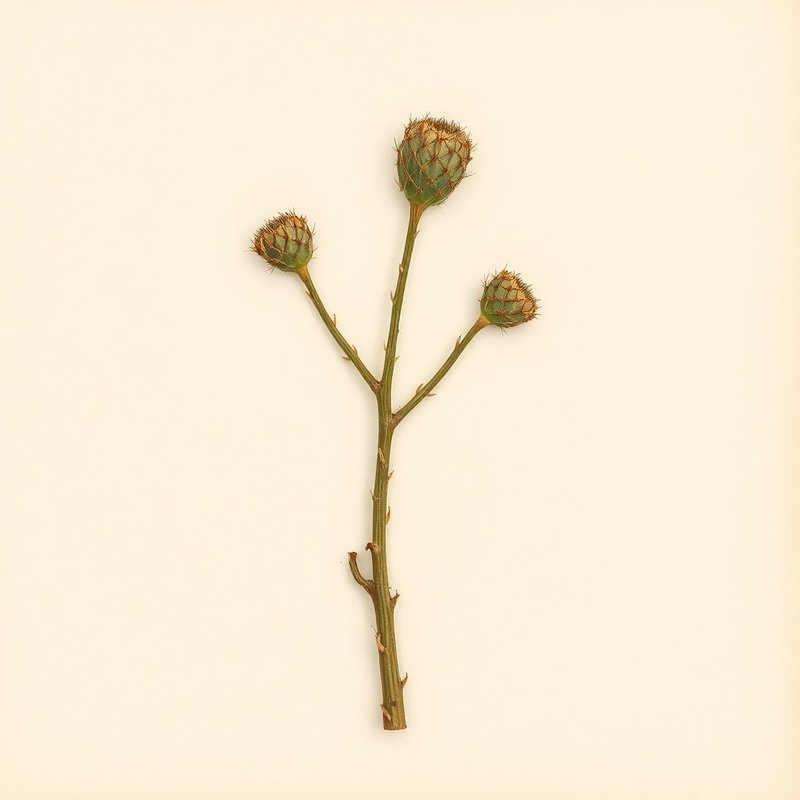
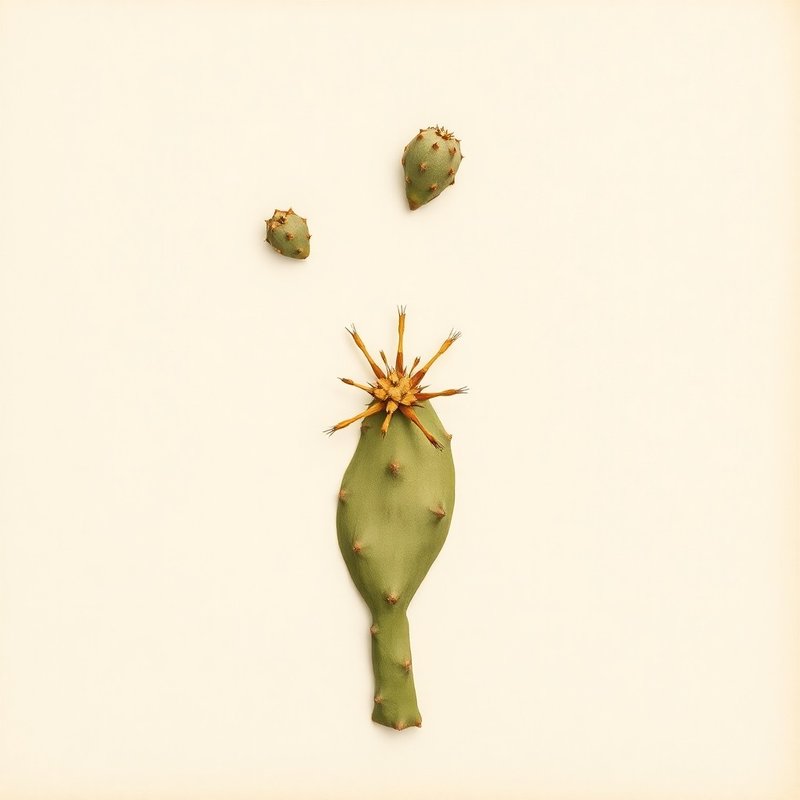
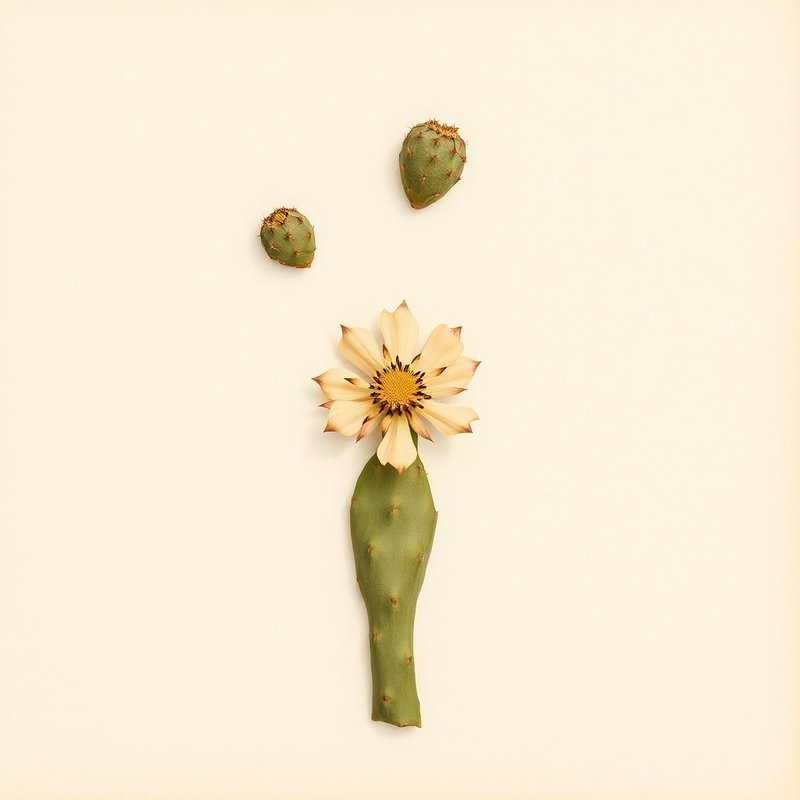
1 image
Specimen gallery
1 imageXSee also
8 related
See also
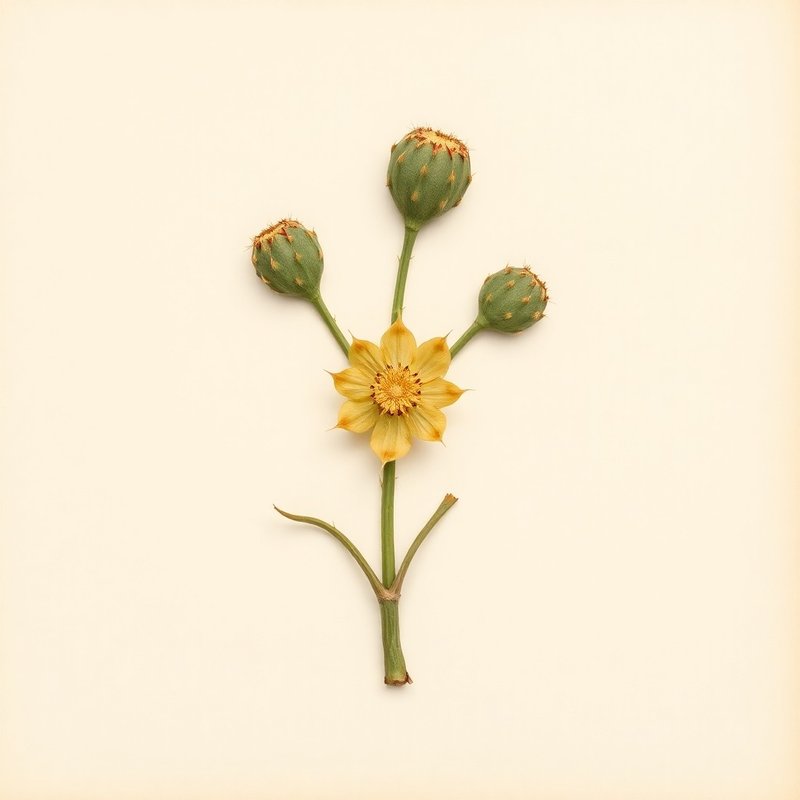
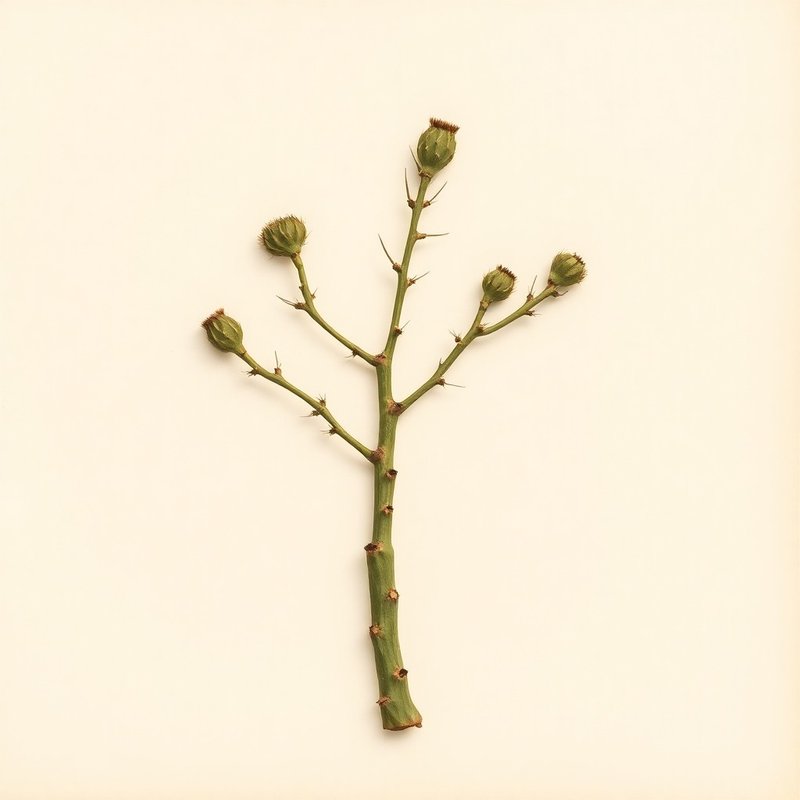
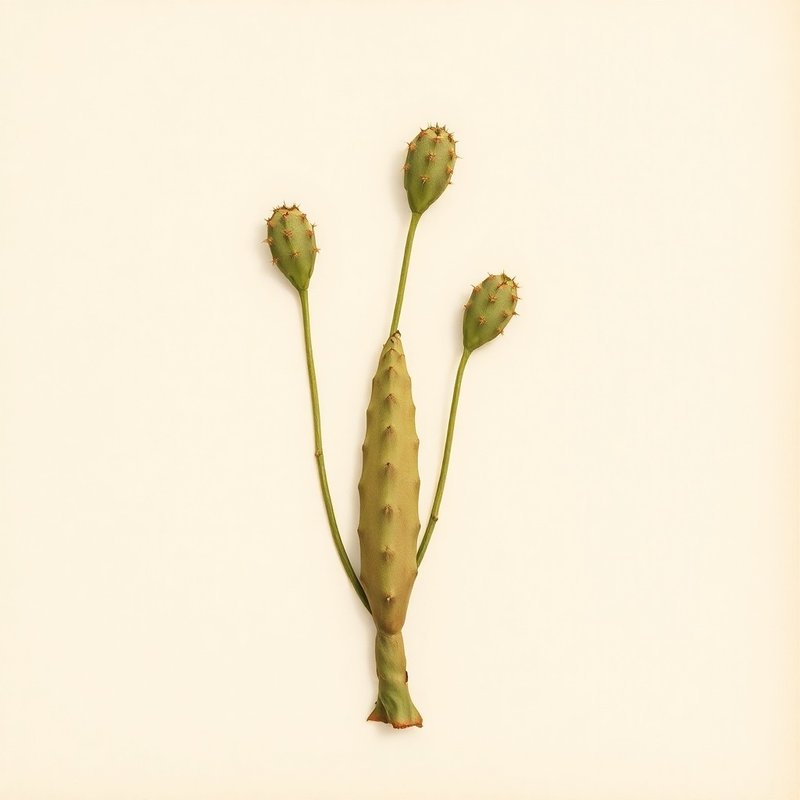
8 relatedPlants you might compare or use together — scored by shared family (Cactaceae), common use cases, and growing requirements.
same family · Cactaceae
Botanical relatives — often share phytochemistry + growing needs.

XI
Explore further
Companion planting
Compare with similar plants
Growing zone
XII
About this entry
- Last updated
- Citation
- How to cite this entry · Submit a correction
Back to the cataloguePlant id · 4fdccf60-ae05-48f2-90e6-51cedb96534b
Decision aid
Choosing between Prickly Pear and something else?
Continue reading
❦❦❦❦
Endpaper · archive updates
Get archive updates
Occasional email when substantial new content lands — plant profiles, seasonal growing notes, folk-remedy additions. Free, no tracking, unsubscribe anytime.