
Swamp Morning Glory
IOverview
Overview
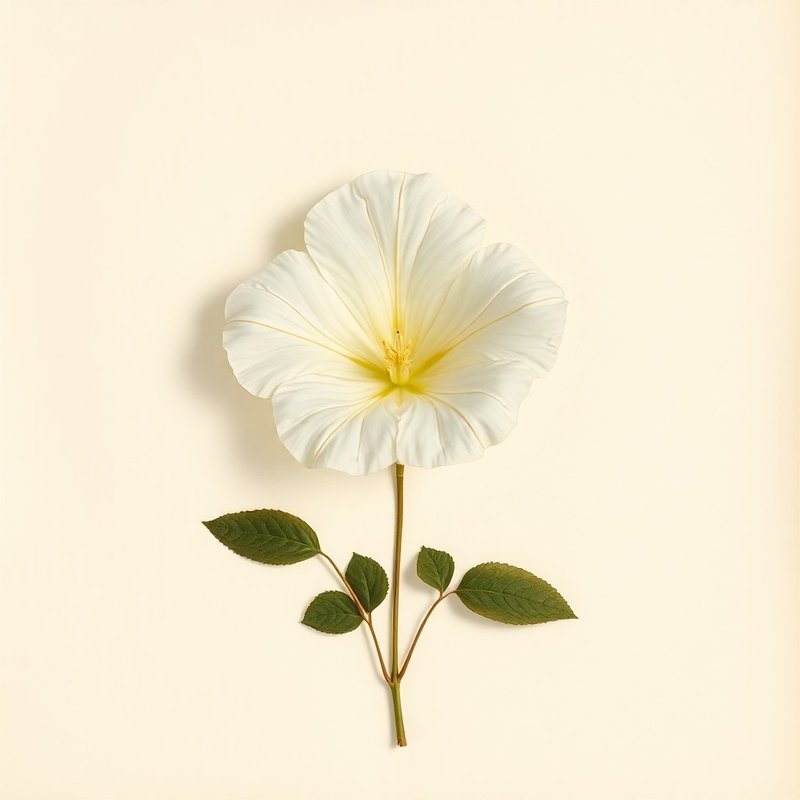
Swamp Morning Glory (Ipomoea aquatica) is a vine and herb native to Guatemala, where it thrives in moist or wet habitats, often found in light sandy, medium, or heavy clay soils. This plant prefers full sun and can grow up to 0.5 meters tall, making it a fast-growing addition to any garden. Known for its edible leaves, roots, and shoots, Swamp Morning Glory can be both an ornamental and a valuable food source. The plant can adapt as either an annual or perennial, depending on the climate, making it versatile in various growing conditions from zones 7-12. This versatile plant is native to Guatemala but has been introduced to numerous regions, including Angola, Assam, Bangladesh, Borneo, Botswana, and many others. Its ability to thrive in diverse environments, coupled with its edible parts, makes it a useful addition to gardens and agricultural settings. The leaves, roots, and shoots can be prepared by boiling or steaming before consumption, providing a nutritious food source. Additionally, Swamp Morning Glory is known for its utility in animal feed and soil reclamation, making it a valuable plant in agricultural practices. While Swamp Morning Glory is generally safe to grow and consume, gardeners should be cautious of its potential to become a weed in certain areas. Its adaptability and rapid growth can sometimes lead to invasive behavior, so careful monitoring is recommended.
What is Swamp Morning Glory?
Swamp Morning Glory (Ipomoea aquatica) is a vine and herb native to Guatemala, where it thrives in moist or wet habitats, often found in light sandy, medium, or heavy clay soils. This plant prefers full sun and can grow up to 0.5 meters tall, making it a fast-growing addition to any garden.
VCultivation
Cultivation
How to grow Swamp Morning Glory for the first time
Start with simple soil and basic care for Swamp Morning Glory.
- 1
What you'll need
Seeds or seedlings, a container or garden bed, potting mix if using containers.
- 2
Best time to plant
Plant in spring after the last frost when temperatures are consistently above 10°C (50°F).
- 3
Soil and container prep
Use a well-draining soil with a pH between 6.0 and 7.5, ensuring it's moist but not waterlogged.
- 4
Sowing or transplanting
Direct sow seeds in the garden once the soil is warm, or start seedlings indoors about 4 weeks before planting out.
- 5
First two weeks
Keep the soil consistently moist and provide light shade to prevent sunburn. Water daily until plants are established.
- 6
Ongoing care
Water regularly, especially during dry spells, ensuring the soil stays moist but not soggy. Provide support for vines to climb.
- 7
Harvest or pruning
Prune occasionally to encourage bushier growth and remove any dead or yellowing leaves.
VIEdible & utility
Edible & utility
VIIDistribution
72 native · 108 introduced
Distribution
72 native · 108 introducedIXSpecimen gallery
1 image
Specimen gallery
1 imageXSee also
7 related
See also
7 relatedPlants you might compare or use together — scored by shared family (Convolvulaceae), common use cases, and growing requirements.


Explore further
About this entry
- Last updated
- Citation
- How to cite this entry · Submit a correction
Continue reading
Get archive updates
Occasional email when substantial new content lands — plant profiles, seasonal growing notes, folk-remedy additions. Free, no tracking, unsubscribe anytime.