
Wild Lettuce
Lactuca virosafam. Apiaceae
Educational content — not medical, botanical, or professional advice. Always consult a qualified clinician before using any herbal preparation — especially during pregnancy, breastfeeding, while on medication, or for children. How we source & review →
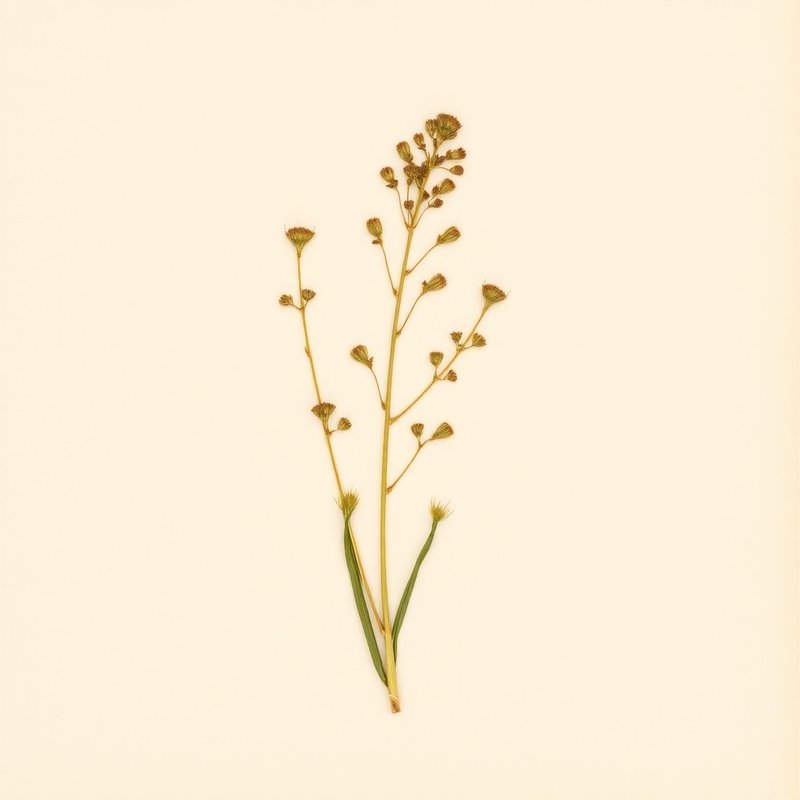
Pl. 33DC — Lactuca virosa
Lactuca virosaLactuca virosaLactuca virosaLactuca virosaLactuca virosaLactuca virosaLactuca virosaLactuca virosaLactuca virosaLactuca virosaLactuca virosaLactuca virosaLactuca virosaLactuca virosa
IOverview
Overview
Wild Lettuce (Lactuca virosa) belongs to the Apiaceae family and is native to regions including the Cape Provinces and Free State in South Africa, as well as parts of Europe such as Algeria, Austria, Belgium, and Czechoslovakia. This plant can grow up to 1.8 meters tall and thrives in light, full sun conditions with moist soil that is either sandy or medium-textured. It is hardy in zones 5-9 and can be both an annual and biennial. The edible parts of the plant are its leaves, which have been used traditionally for their sedative properties, particularly due to the presence of lactucarium—a compound similar to opium alkaloids that has historically been used as an analgesic-sedative. While less common today, wild lettuce continues to hold historical significance in traditional medicine and is known to promote better sleep.
Quick answers
What is Wild Lettuce?
Wild Lettuce (Lactuca virosa) belongs to the Apiaceae family and is native to regions including the Cape Provinces and Free State in South Africa, as well as parts of Europe such as Algeria, Austria, Belgium, and Czechoslovakia. This plant can grow up to 1.
What is Wild Lettuce used for?
Traditionally used for better sleep. Each claim is evidence-rated — see Section II for full citations.
Best for
Top 1 evidence-ranked use of Wild Lettuce
Clinicaluses · safety · chemistry · dosagemedicinal profile
IIBenefits & evidence
1 claim · 0 sources
Benefits & evidence
1 claim · 0 sources- Traditional use: wild lettuce sap as analgesic-sedative. Less common today; historical legitimacy.
Lactucin alkaloid
IV·bMixology suggestions
2 drafts
Mixology suggestions
2 draftsEditorial drafts. These pairings are AI-suggested from traditional herbal lore. Always verify with a qualified herbalist before brewing.
Growingconditions · propagation · uses
VCultivation
Cultivation
Wild Lettuce thrives in full sun and prefers moist, well-draining soil that is light (sandy) or medium. It can grow up to 1.8 meters tall and is hardy in zones 5-9, making it suitable for temperate regions. For cultivation, sow seeds directly into the garden after all danger of frost has passed. Harvest the leaves as needed for culinary use. Skip specific product recommendations.
Light
Full sun
Water
Moist
Soil
Light (sandy), Medium
Hardiness
5-9
Life cycle
Annual, Biennial
Mature size
1.8 m tall
For first-time growers
How to grow Wild Lettuce for the first time
7steps
Start with planting Wild Lettuce in a sunny spot and follow these simple steps for success.
- 1
What you'll need
Wild Lettuce seeds, small pots or direct garden space, potting soil.
- 2
Best time to plant
Plant Wild Lettuce in spring after the last frost, or start seeds indoors 4-6 weeks before planting outdoors.
- 3
Soil and container prep
Use well-draining soil with a pH between 6.0 and 7.5. Ensure containers are at least 12 inches deep for biennials.
- 4
Sowing or transplanting
Direct sow seeds 1/4 inch deep, spaced about 8-12 inches apart. For transplants, start indoors in small pots and harden off before planting.
- 5
First two weeks
Keep soil moist but not waterlogged. Thin seedlings to 12-18 inches apart once they have several leaves.
- 6
Ongoing care
Water regularly, especially during dry spells. Mulch around plants to retain moisture and suppress weeds.
- 7
Harvest or pruning
Prune dead leaves to encourage new growth and remove spent flowers to prevent self-seeding.
VIEdible & utility
Edible & utility
Edible parts:Leaves
Edible uses: Oil
Other uses:oil
Contextrange · companions · related
VIIDistribution
25 native · 5 introduced
Distribution
25 native · 5 introducedDistribution across2 continents· 25 native· 5 introduced
Europe15 regions
native (14)AustriaBelgiumFranceGermanyGreeceHungaryIrelandItalyNetherlandsPortugalRomaniaSpainSwitzerlandUnited Kingdom
introduced (1)Poland
Africa2 regions
native (2)AlgeriaMorocco
Broader regions
native:Cape Provinces, Free State, Czechoslovakia, Yugoslavia
introduced:Alabama, California, District of Columbia, New Zealand North
IXSpecimen gallery
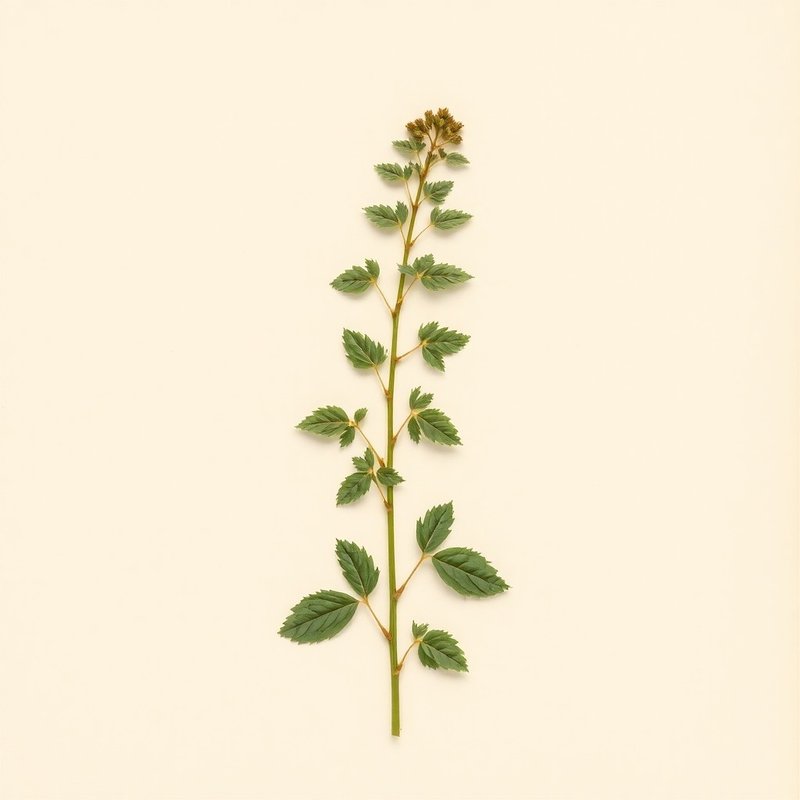
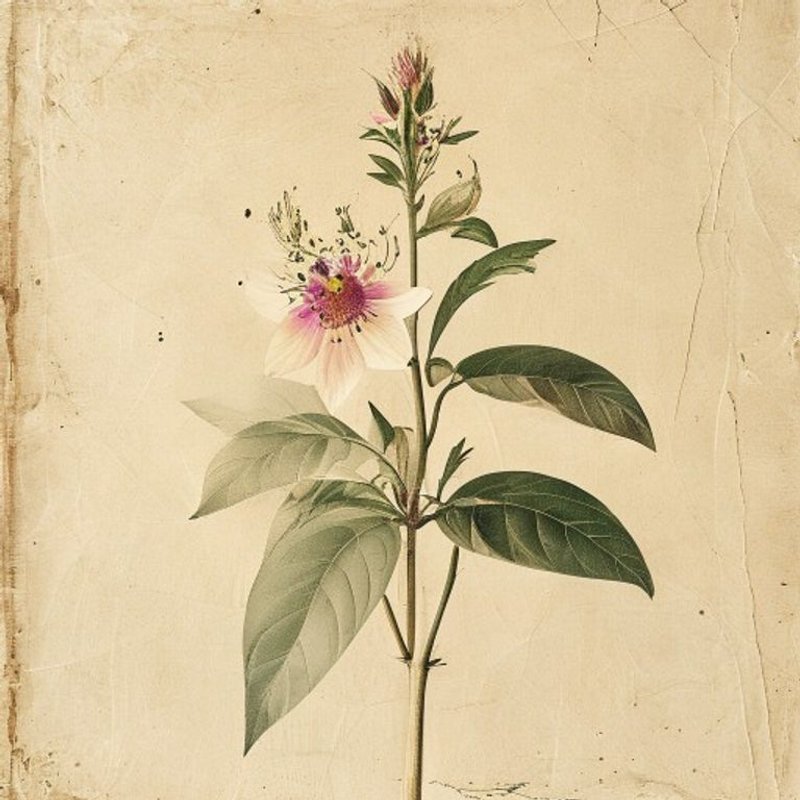
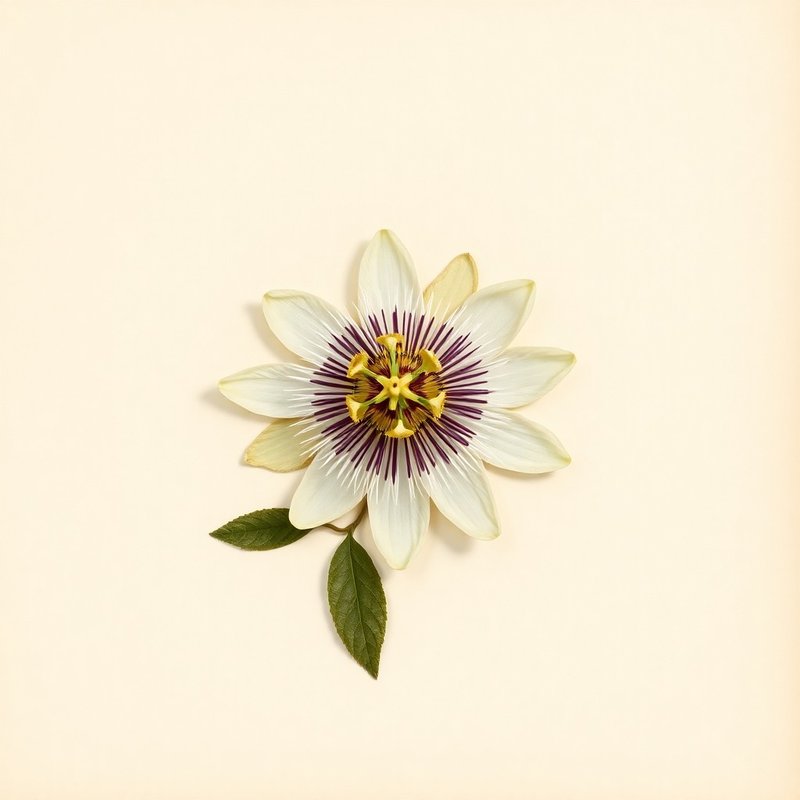
1 image
Specimen gallery
1 imageXSee also
8 related
See also
8 relatedPlants you might compare or use together — scored by shared family (Apiaceae), common use cases, and growing requirements.
same family · Apiaceae
Botanical relatives — often share phytochemistry + growing needs.
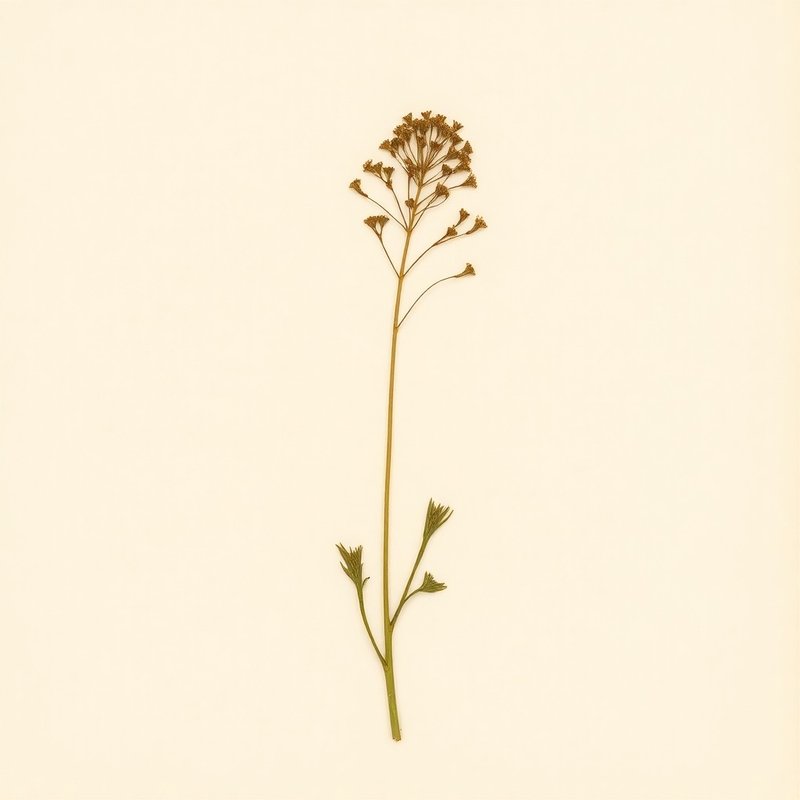
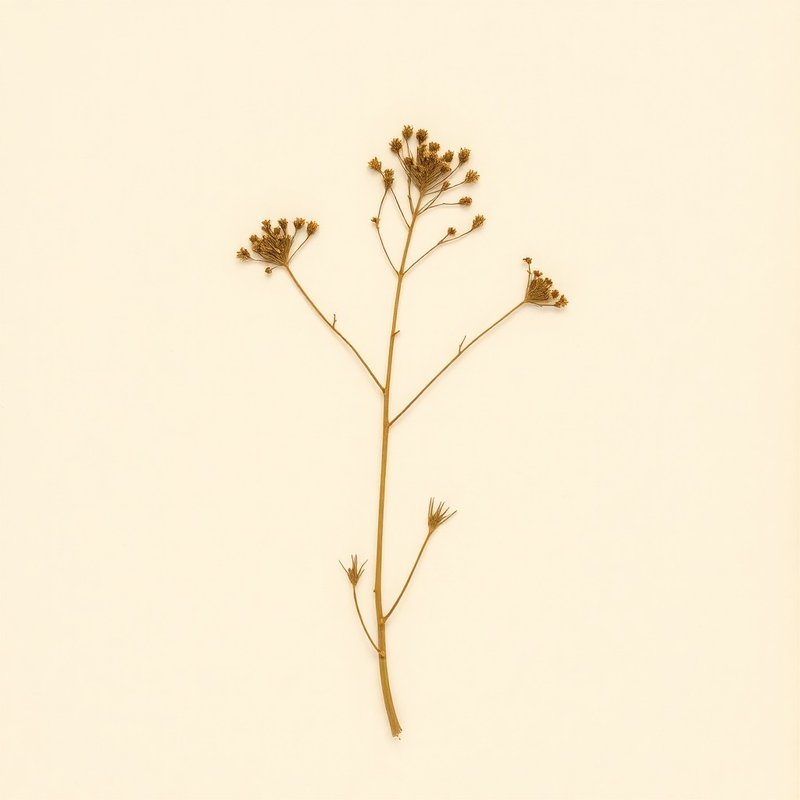

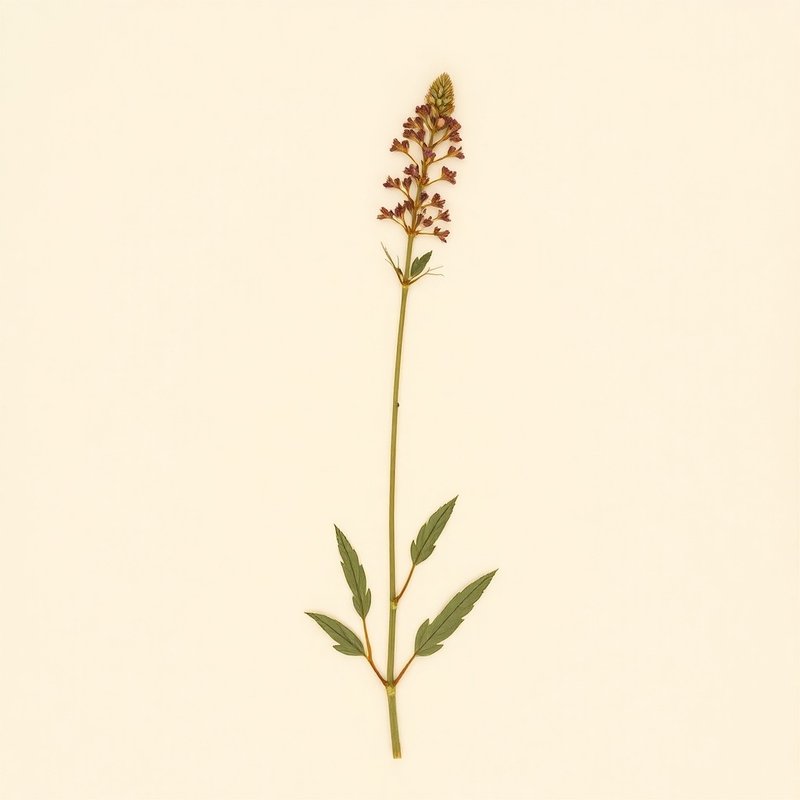
shared use cases
Different families, similar therapeutic role — good for comparing.

XI
Explore further
Companion planting
Health goals
Compare with similar plants
Growing zone
XII
About this entry
- Last updated
- Citation
- How to cite this entry · Submit a correction
Back to the cataloguePlant id · 33dc8b4b-4220-48a5-9df1-3c1b8529500e
Decision aid
Choosing between Wild Lettuce and something else?
Continue reading
❦❦❦❦
Endpaper · archive updates
Get archive updates
Occasional email when substantial new content lands — plant profiles, seasonal growing notes, folk-remedy additions. Free, no tracking, unsubscribe anytime.