
Yellow Archangel

IOverview
Overview
Yellow Archangel (Lamium galeobdolon), a perennial plant native to Italy, is known for its light and spreading nature in moist, well-drained soils with a pH of 6.5–7. This plant reaches heights of about 0.3 meters and thrives in light (sandy), medium, and heavy (clay) soil types within hardiness zones 3-9. It is valued for its edible parts, including flowers, leaves, and shoots, making it a useful addition to gardens or culinary dishes. One distinctive feature of Yellow Archangel is its vibrant yellow foliage that contrasts with the green, creating an ornamental appeal in landscapes. Traditionally, Yellow Archangel has been used in European herbalism for digestive issues, such as bloating and indigestion. A decoction of the leaves may help alleviate these symptoms. Additionally, the plant appears in herbal sources around calming and relaxation traditions, often as a tea. However, it is important to note that these uses are presented as ethnobotanical context and not as medical advice. Yellow Archangel is native to Italy and has been introduced into many regions including Albania, Austria, Belarus, Belgium, Bulgaria, and many others. It prefers partial to full shade and thrives in moist, well-draining soil. The plant can be propagated through division or seed sowing. Its edible parts, including flowers, leaves, and shoots, make it a versatile addition to both gardens and culinary dishes. While it is generally safe, caution should be exercised when using any herbal remedy.
What is Yellow Archangel?
Yellow Archangel (Lamium galeobdolon), a perennial plant native to Italy, is known for its light and spreading nature in moist, well-drained soils with a pH of 6.5–7. This plant reaches heights of about 0.3 meters and thrives in light (sandy), medium, and heavy (clay) soil types within hardiness zones 3-9.
What is Yellow Archangel used for?
Traditionally used for digestion, stress & anxiety. Each claim is evidence-rated — see Section II for full citations.
IIBenefits & evidence
2 claims · traditional-use context
Benefits & evidence
2 claims · traditional-use context- Yellow Archangel has been traditionally used in European herbalism for digestive issues, such as bloating and indigestion. A decoction of the leaves may help alleviate these symptoms.
The mechanism is not fully characterised but may involve compounds that support gastrointestinal function and reduce inflammation.
▲ ModerateDigestion → - Traditional-use note: Yellow Archangel appears in herbal sources around calming and relaxation traditions, often as a tea. PlantSage presents this as ethnobotanical context, not as medical advice.
Traditional context only. This reviewed claim keeps the original moderate confidence level, but avoids treatment, disease, dosage, or guaranteed-effect language.
▲ ModerateStress & anxiety →
IV·bMixology suggestions
1 draft
Mixology suggestions
1 draftVCultivation
Cultivation
How to grow Yellow Archangel for the first time
Start with Yellow Archangel as a simple, low-maintenance addition to your garden.
- 1
What you'll need
Seeds or young plants, gardening gloves, trowel.
- 2
Best time to plant
Plant in spring after the last frost or in early fall.
- 3
Soil and container prep
Choose a spot with moist, well-draining soil. Amend soil if necessary for pH 6.5–7.
- 4
Sowing or transplanting
Direct sow seeds in the garden or start indoors 4-6 weeks before planting outside. Transplant young plants carefully.
- 5
First two weeks
Water regularly to keep soil moist but not waterlogged. Monitor for pests and diseases.
- 6
Ongoing care
Provide light shade, especially in hot climates. Water when the top inch of soil feels dry. Mulch to retain moisture.
- 7
Harvest or pruning
Prune after flowering to encourage new growth and maintain shape.
- 8
Common mistakes
Overwatering, planting in too sunny a spot, neglecting to mulch.
VIEdible & utility
Edible & utility
VIIDistribution
33 native · 43 introduced
Distribution
33 native · 43 introducedIXSpecimen gallery
1 image
Specimen gallery
1 imageXSee also
8 related
See also
8 relatedPlants you might compare or use together — scored by shared family, common use cases, and growing requirements.
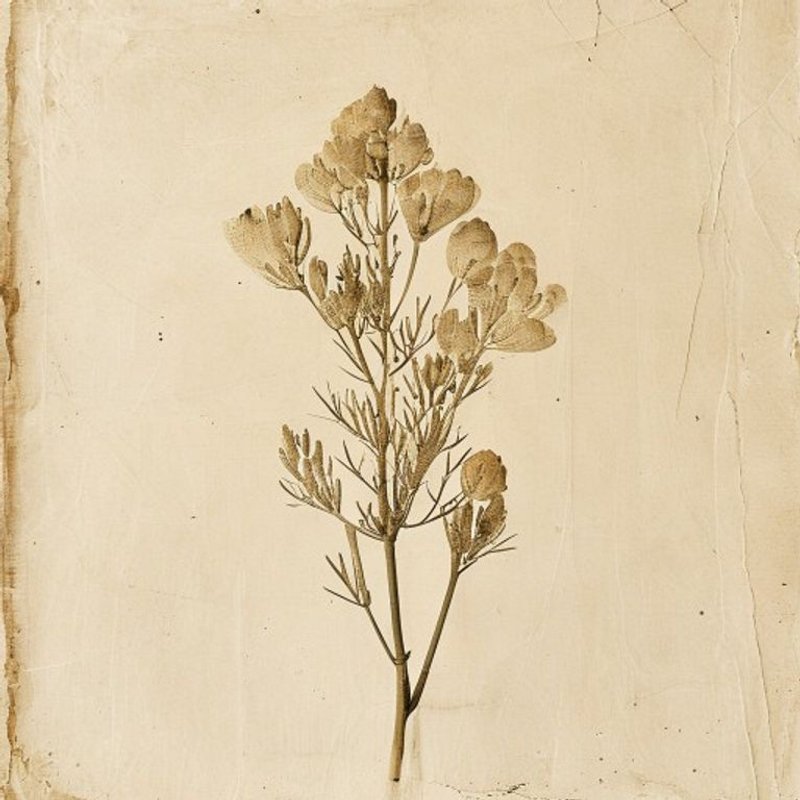
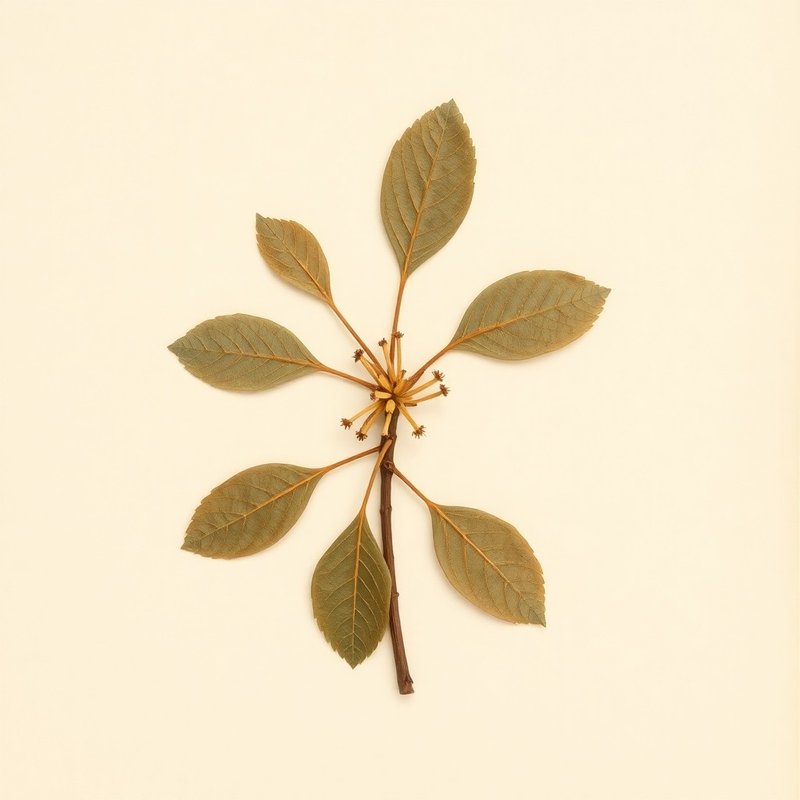
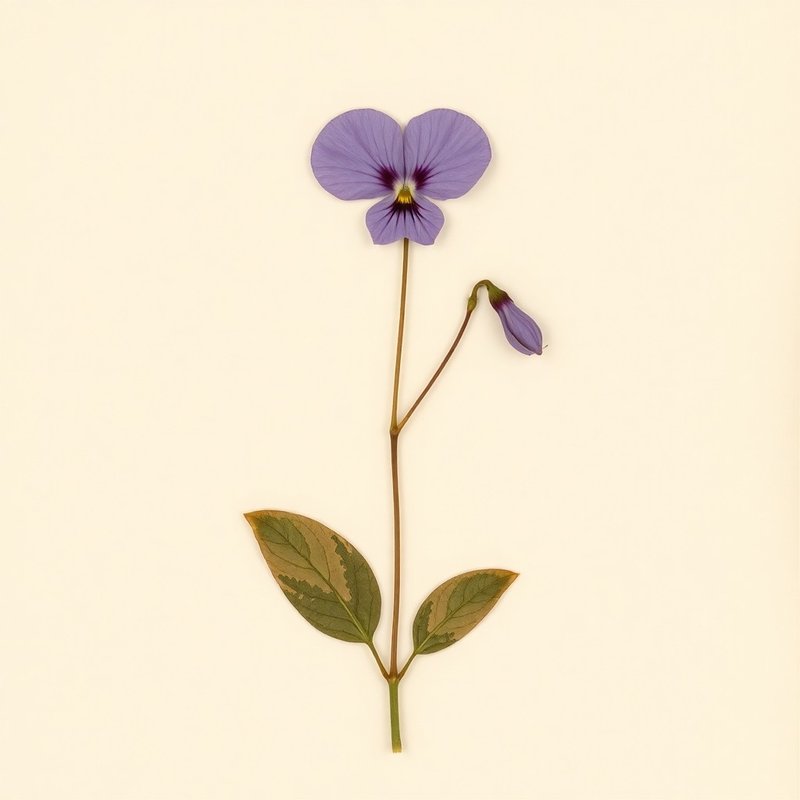
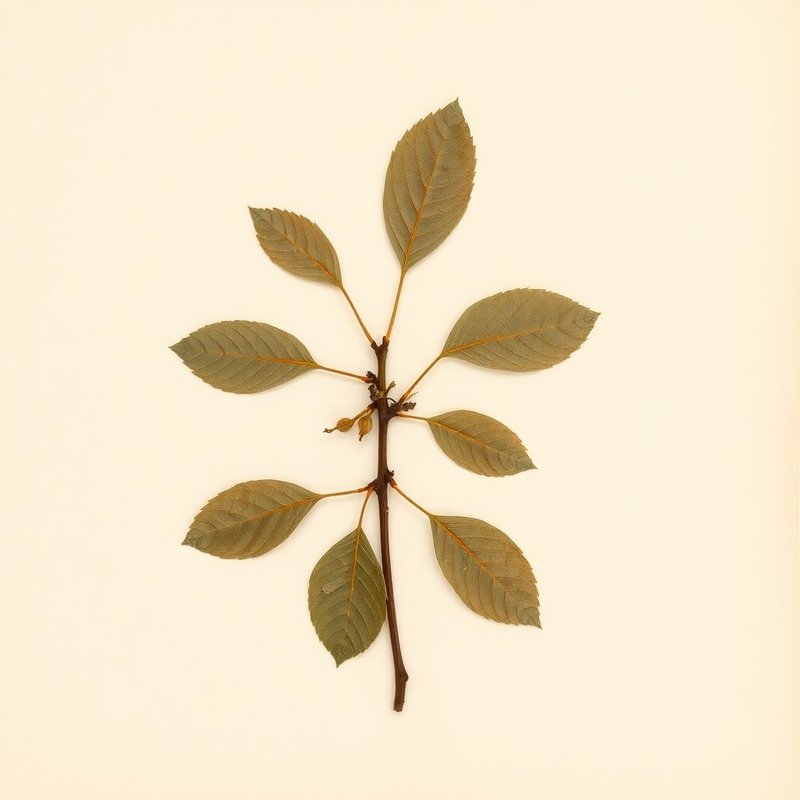
Explore further
About this entry
- Last updated
- Citation
- How to cite this entry · Submit a correction
Continue reading
Get archive updates
Occasional email when substantial new content lands — plant profiles, seasonal growing notes, folk-remedy additions. Free, no tracking, unsubscribe anytime.