
Honeysuckle
Lonicera periclymenumfam. Caprifoliaceae
Educational content — not medical, botanical, or professional advice. Plant identification, safety, and edibility depend on local conditions, cultivars, and correct identification. Consult a qualified botanist or forager before consuming or handling wild specimens. How we source & review →
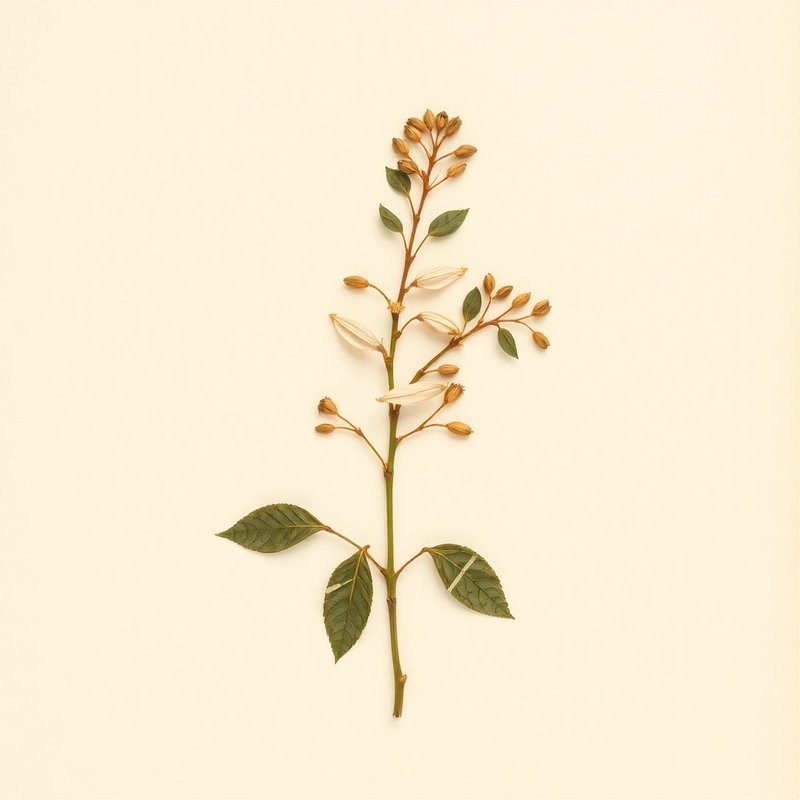
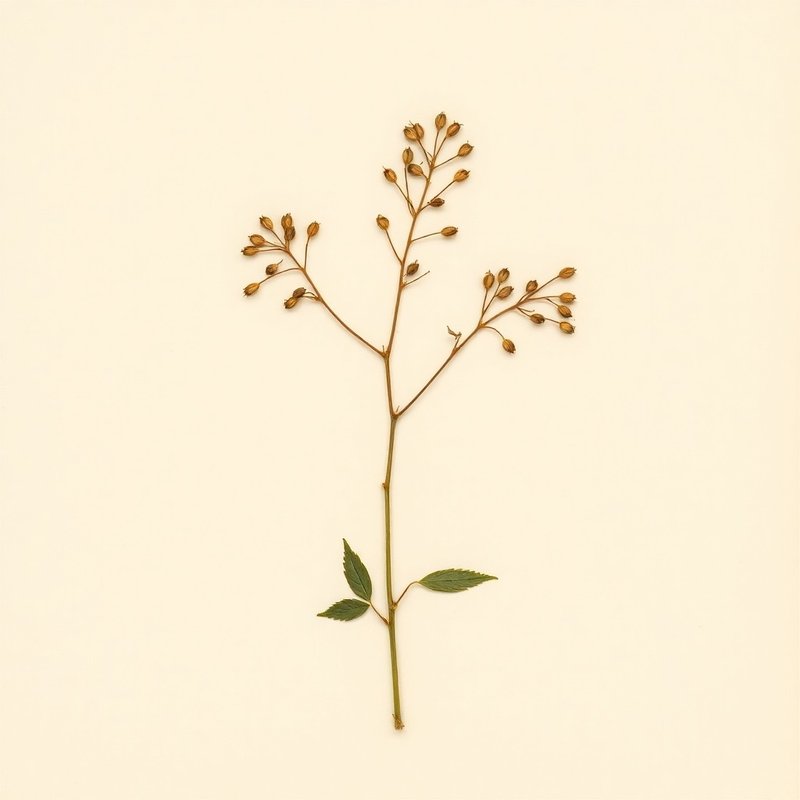
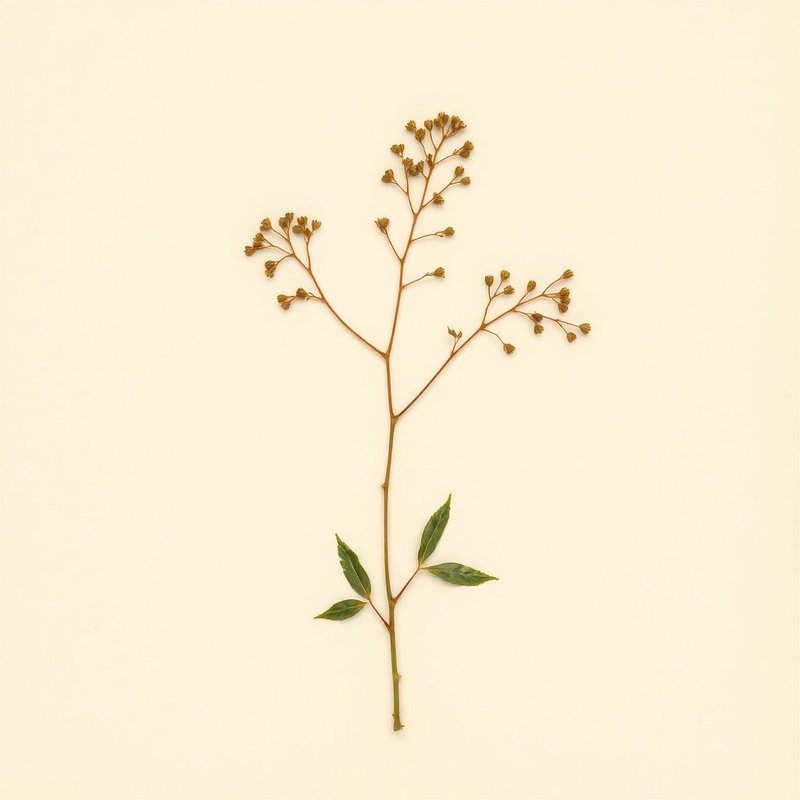
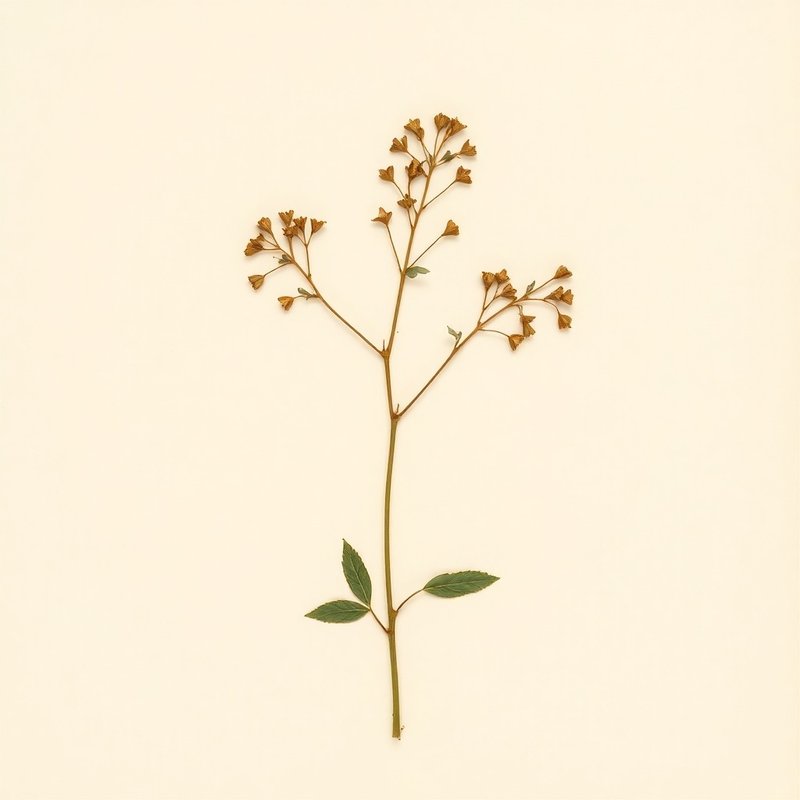
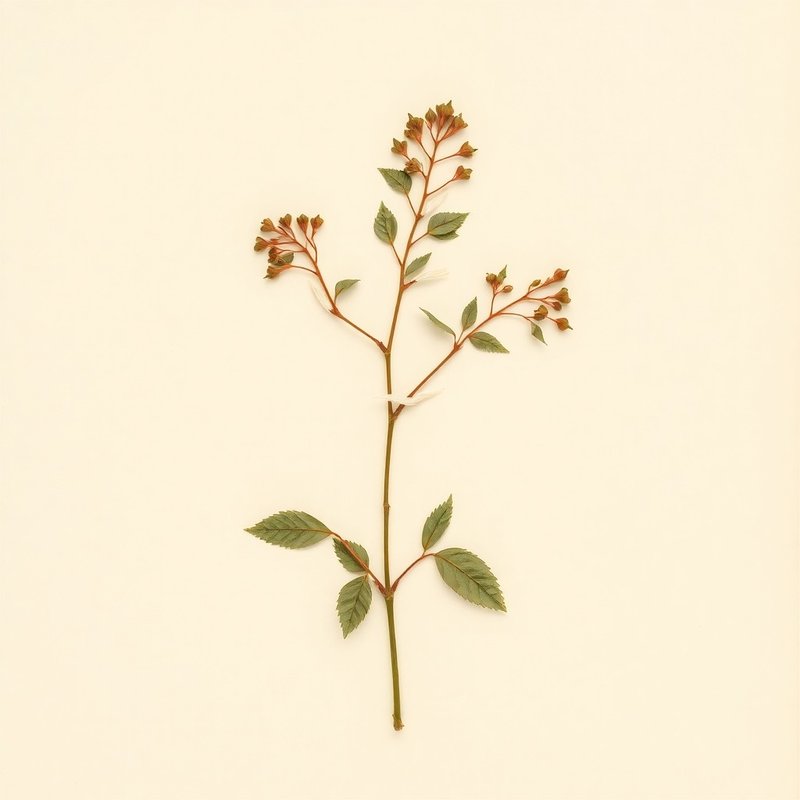
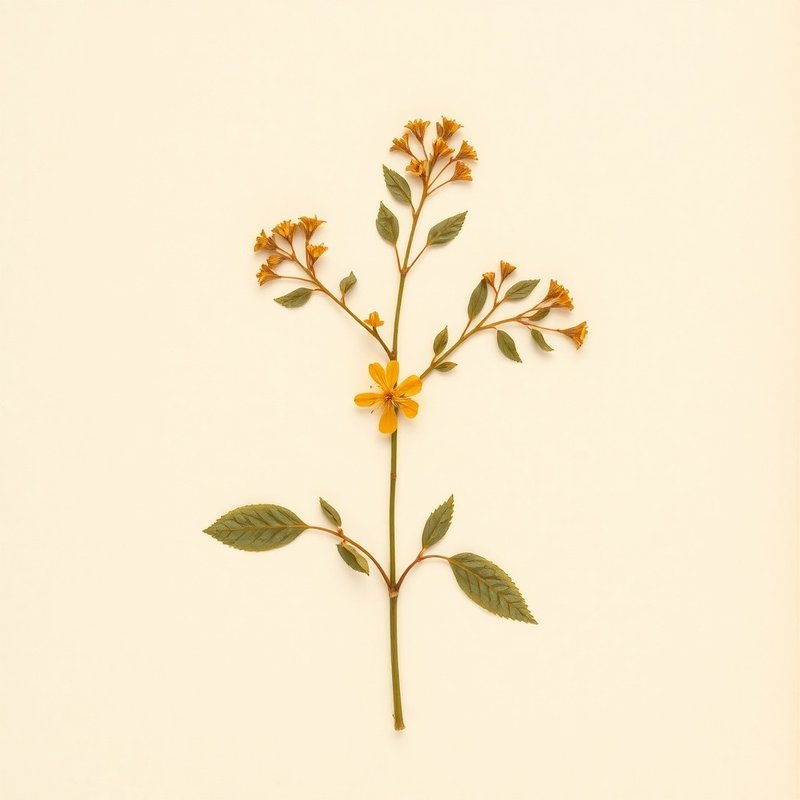
Pl. 3D3D — Lonicera periclymenum
Lonicera periclymenumLonicera periclymenumLonicera periclymenumLonicera periclymenumLonicera periclymenumLonicera periclymenumLonicera periclymenumLonicera periclymenumLonicera periclymenumLonicera periclymenumLonicera periclymenumLonicera periclymenumLonicera periclymenumLonicera periclymenum
IOverview
Overview
Honeysuckle (Lonicera periclymenum) is a vine native to the Mediterranean and parts of Europe, including Albania, Algeria, Bulgaria, and Greece. Known for its edible flowers and nectar, it thrives in moist, light to heavy soil with a pH between 5 and 5.5. This plant grows up to 4.5 meters tall and is hardy in zones 4-8. Its light requirements are moderate, making it adaptable to various habitats within its native range. One distinctive feature of honeysuckle is its fragrant, tubular flowers that attract pollinators, while another is its ability to produce sweet nectar, contributing to its popularity among gardeners and foragers alike.
Quick answers
What is Honeysuckle?
Honeysuckle (Lonicera periclymenum) is a vine native to the Mediterranean and parts of Europe, including Albania, Algeria, Bulgaria, and Greece. Known for its edible flowers and nectar, it thrives in moist, light to heavy soil with a pH between 5 and 5.
Growingconditions · propagation · uses
VCultivation
Cultivation
Honeysuckle thrives in light to partial shade and prefers moist, well-draining soil that is light (sandy), medium, or heavy (clay). It grows best in a pH range of 5–5.5. Hardy in temperate regions from zones 4-8, this vine can reach up to 4.5 meters in height. Propagate via cuttings or seeds for easy growth and enjoyment of its edible flowers and nectar.
Light
5/10
Water
Moist
Soil
Light (sandy), Medium, Heavy (clay)
Hardiness
4-8
Habit
Vine
Mature size
4.5 m tall
Soil pH
5–5.5
For first-time growers
How to grow Honeysuckle for the first time
7steps
Start with a simple vine that thrives in moist, well-draining soil and partial shade.
- 1
What you'll need
Honeysuckle cuttings or seeds, potting mix, containers, water.
- 2
Best time to plant
Plant in spring after the last frost or in autumn before the first freeze.
- 3
Soil and container prep
Use a well-draining soil with a pH of 5-5.5. Ensure containers have drainage holes.
- 4
Sowing or transplanting
Start seeds indoors 6-8 weeks before the last frost, then transplant outdoors after danger of frost passes.
- 5
First two weeks
Water regularly to keep soil moist but not waterlogged. Place in a partially shaded area.
- 6
Ongoing care
Provide support for climbing vines and prune occasionally to maintain shape. Water when the top inch of soil feels dry.
- 7
Harvest or pruning
Prune in late winter before new growth starts to encourage flowering and prevent overcrowding.
VIEdible & utility
Edible & utility
Edible parts:FlowersNectar
Edible uses: The honeysuckle's flowers and nectar are edible. They can be eaten raw for a sweet treat or used to make syrups and jams. The delicate flavor makes them suitable for both fresh consumption and light cooking applications.
Other uses:Ground coverFragrance
Contextrange · companions · related
VIIDistribution
30 native · 0 introduced
Distribution
30 native · 0 introducedDistribution across3 continents· 30 native
Europe15 regions
native (15)AlbaniaAustriaBelgiumBulgariaCyprusDenmarkFranceGermanyGreeceItalyPortugalRussiaSpainSwitzerlandUnited Kingdom
Asia2 regions
native (2)PalestineTurkey
Africa4 regions
native (4)AlgeriaLibyaMoroccoTunisia
Broader regions
native:East Aegean Is., Kriti, Lebanon-Syria, Transcaucasus, Turkey-in-Europe, Yugoslavia
IXSpecimen gallery
1 image
Specimen gallery
1 imageXSee also
8 related
See also
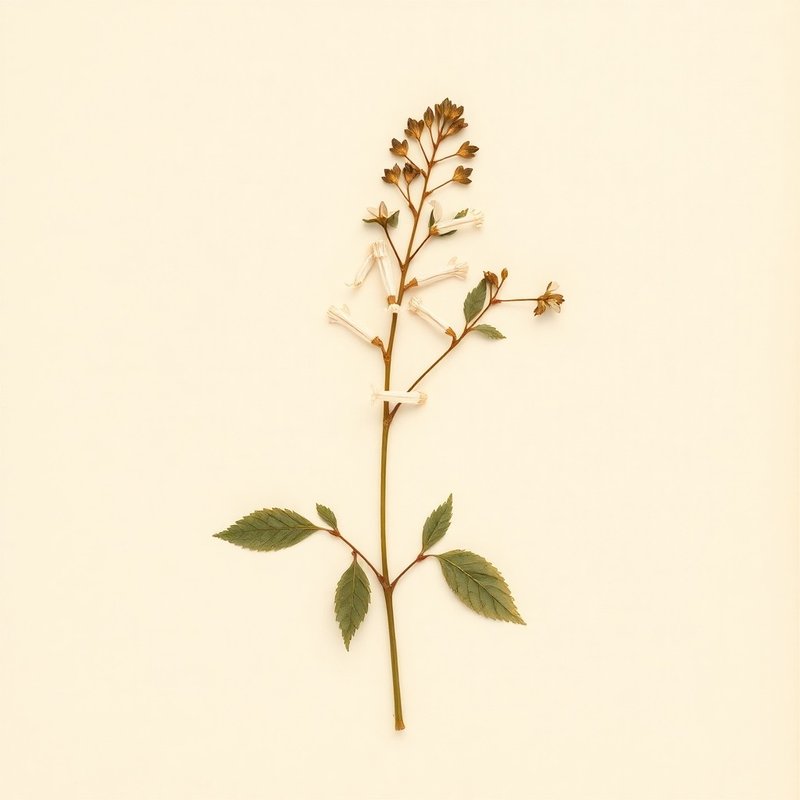
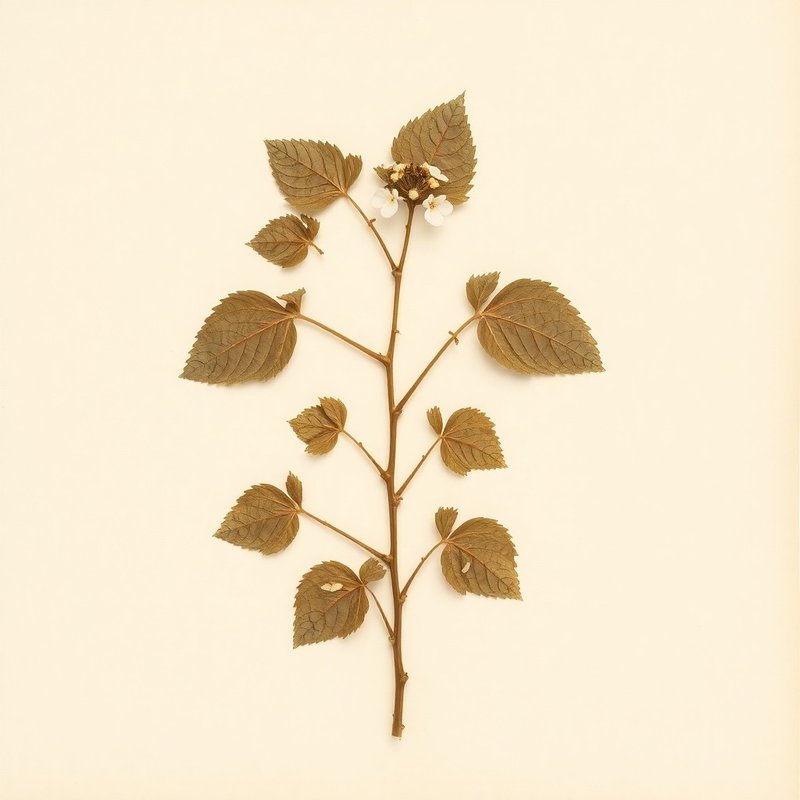
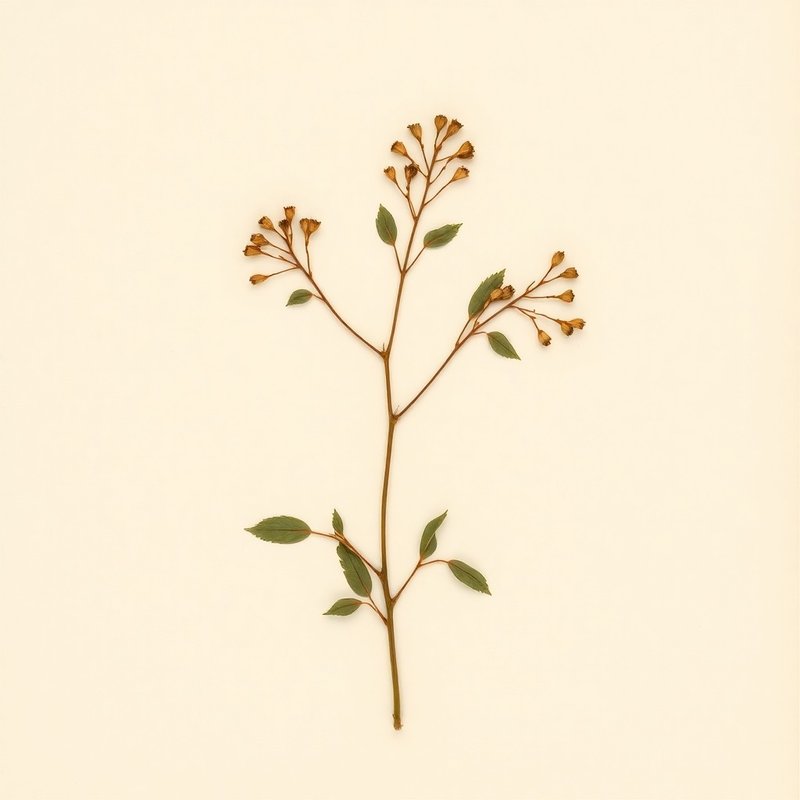
8 relatedPlants you might compare or use together — scored by shared family (Caprifoliaceae), common use cases, and growing requirements.
same family · Caprifoliaceae
Botanical relatives — often share phytochemistry + growing needs.
XI
Explore further
Companion planting
Compare with similar plants
Growing zone
XII
About this entry
- Last updated
- Citation
- How to cite this entry · Submit a correction
Back to the cataloguePlant id · 3d3d2487-85fb-41ee-bd15-fefee694d266
Decision aid
Choosing between Honeysuckle and something else?
Continue reading
❦❦❦❦
Endpaper · archive updates
Get archive updates
Occasional email when substantial new content lands — plant profiles, seasonal growing notes, folk-remedy additions. Free, no tracking, unsubscribe anytime.