
Watercress
IOverview
Overview
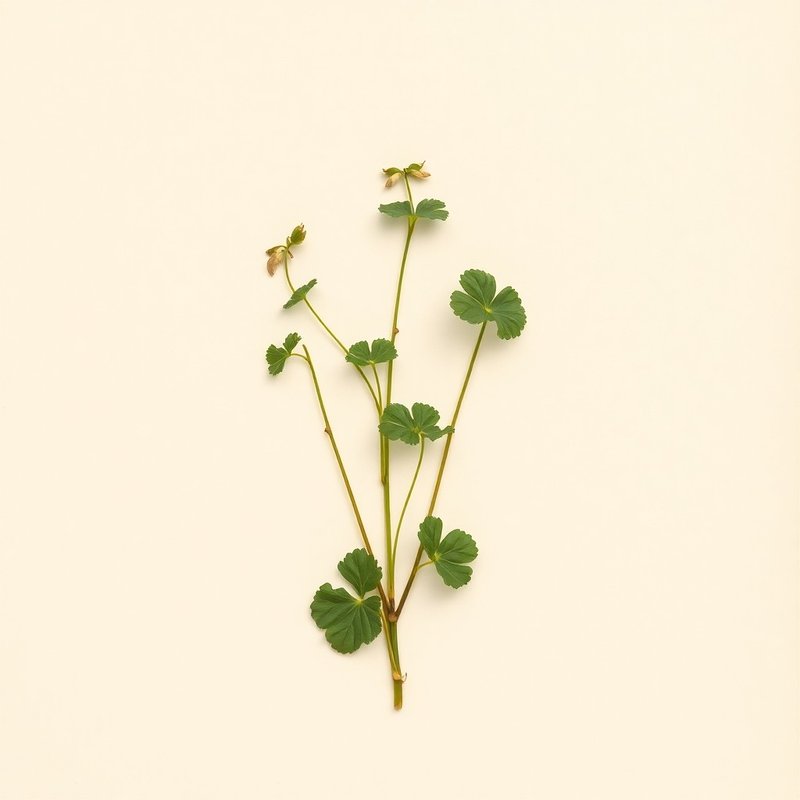
Watercress (Nasturtium microphyllum) is a perennial herb belonging to the Brassicaceae family, native to regions including Eritrea, Afghanistan, Austria, Belgium, and Czechoslovakia. This plant thrives in wet environments and can be found growing in light, medium, or heavy soils with a pH range of 6.4 to 8. Watercress is known for its edible leaves and seeds, which are commonly used in culinary applications due to their pungent flavor. It grows up to 0.5 meters tall and has multiple stems, making it an attractive addition to gardens or natural settings where it can flourish. Watercress thrives in environments with plenty of light but can tolerate partial shade. This perennial herb is hardy in zones 5-9 and is known for its ability to grow up to 0.5 meters tall. Its distinctive white flowers add a touch of elegance to the landscape, while its coarse foliage provides a unique texture. Watercress has been introduced into numerous regions including Afghanistan, Austria, Belgium, Czechoslovakia, Denmark, Ethiopia, France, Germany, Great Britain, Iran, Ireland, Italy, Morocco, Netherlands, New South Wales, Pakistan, Poland, South Australia, Spain, Sweden, Switzerland, Tasmania, Victoria, Yemen, and Yugoslavia. While it is primarily used as a condiment due to its pungent flavor, watercress can also be considered a potential weed in certain contexts.
What is Watercress?
Watercress (Nasturtium microphyllum) is a perennial herb belonging to the Brassicaceae family, native to regions including Eritrea, Afghanistan, Austria, Belgium, and Czechoslovakia. This plant thrives in wet environments and can be found growing in light, medium, or heavy soils with a pH range of 6.
VCultivation
Cultivation
How to grow Watercress for the first time
Start with a simple watercress planting to experience growing your own greens.
- 1
What you'll need
Seeds or young plants, containers or garden beds, potting soil if in containers.
- 2
Best time to plant
Plant in spring when temperatures are mild and there's no risk of frost.
- 3
Soil and container prep
Use a well-draining potting mix with a pH between 6.4 and 8, ensuring the soil is moist but not waterlogged.
- 4
Sowing or transplanting
Direct sow seeds in the garden or start them indoors and transplant when they have two sets of true leaves.
- 5
First two weeks
Keep the soil consistently moist, providing partial shade to prevent leaf burn. Monitor for pests like aphids.
- 6
Ongoing care
Water regularly to keep the soil moist but not soggy. Fertilize lightly with a balanced organic fertilizer every few months.
- 7
Harvest or pruning
Prune by cutting off the outer leaves, leaving inner growth to continue producing new leaves.
- 8
Common mistakes
Overwatering, not providing enough shade, using heavy soil that doesn't drain well, neglecting regular harvesting, and failing to control pests.
VIEdible & utility
Edible & utility
VIIDistribution
26 native · 59 introduced
Distribution
26 native · 59 introducedIXSpecimen gallery
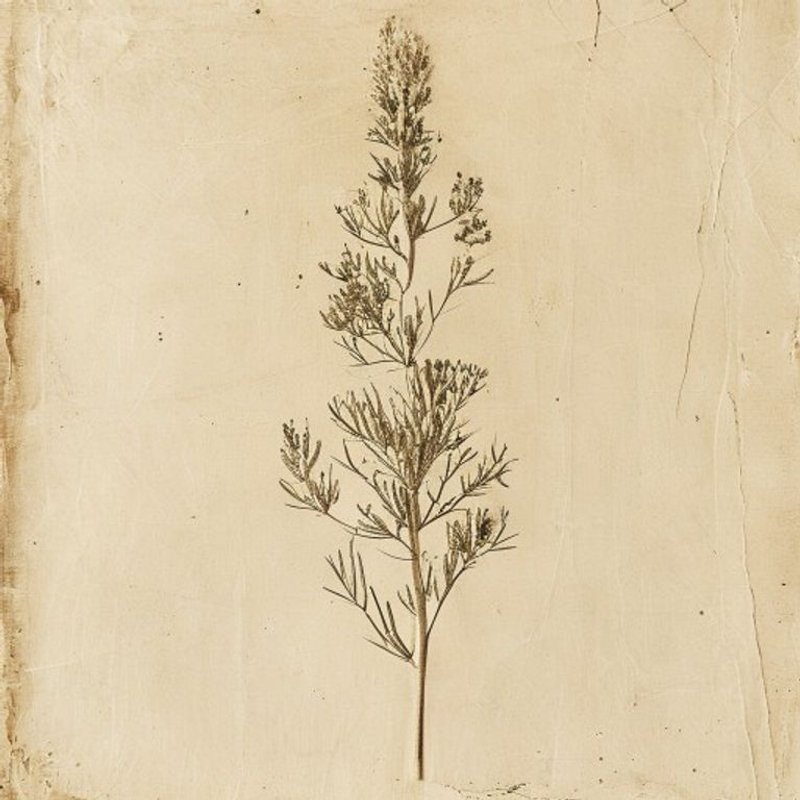
1 image
Specimen gallery
1 imageXSee also
8 related
See also
8 relatedPlants you might compare or use together — scored by shared family (Brassicaceae), common use cases, and growing requirements.

Explore further
About this entry
- Last updated
- Citation
- How to cite this entry · Submit a correction
Continue reading
Get archive updates
Occasional email when substantial new content lands — plant profiles, seasonal growing notes, folk-remedy additions. Free, no tracking, unsubscribe anytime.