
Nuphar japonicum
Nuphar japonicumfam. Nymphaeaceae
Educational content — not medical, botanical, or professional advice. Plant identification, safety, and edibility depend on local conditions, cultivars, and correct identification. Consult a qualified botanist or forager before consuming or handling wild specimens. How we source & review →
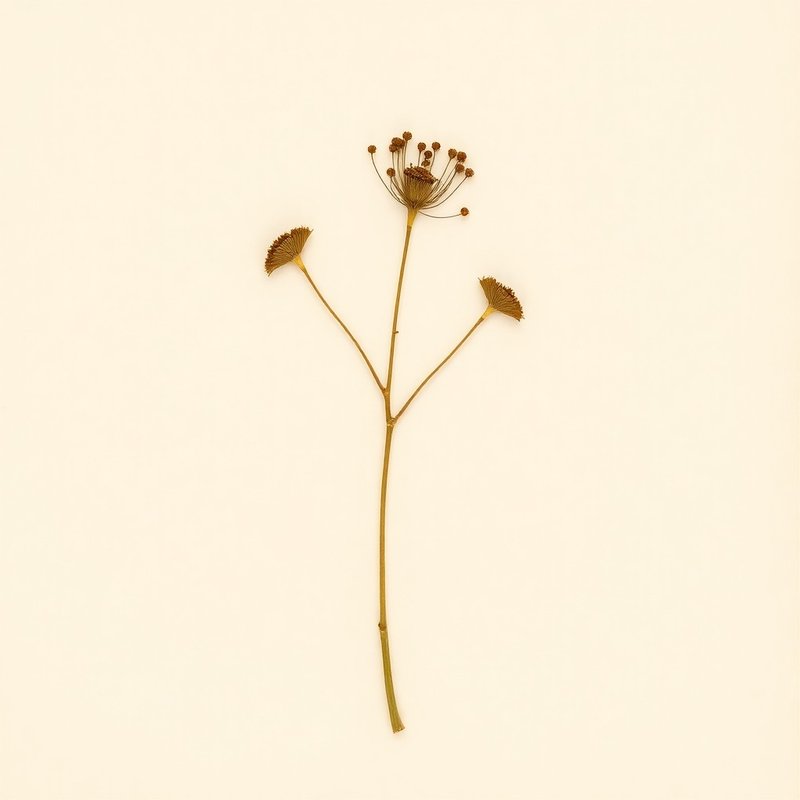
Pl. 6EC9 — Nuphar japonicum
Nuphar japonicumNuphar japonicumNuphar japonicumNuphar japonicumNuphar japonicumNuphar japonicumNuphar japonicumNuphar japonicumNuphar japonicumNuphar japonicumNuphar japonicumNuphar japonicumNuphar japonicumNuphar japonicum
IOverview
Overview
Nuphar japonicum, known as Japanese water lily, is a perennial herbaceous plant native to regions including Albania, Algeria, and various European countries such as Austria and Belarus. This plant thrives in light to medium soil types, with a preference for clay soils, and prefers a pH range of 7–7.5. It is notable for its edible root and seeds, making it valuable both ornamentally and as a food source. One distinctive feature of Nuphar japonicum is its ability to grow in waterlogged conditions, contributing to its adaptability in wetland environments.
Quick answers
What is Nuphar japonicum?
Nuphar japonicum, known as Japanese water lily, is a perennial herbaceous plant native to regions including Albania, Algeria, and various European countries such as Austria and Belarus. This plant thrives in light to medium soil types, with a preference for clay soils, and prefers a pH range of 7–7.
Growingconditions · propagation · uses
VCultivation
Cultivation
Nuphar japonicum thrives in light to medium soil types and prefers a pH between 7 and 7.5. It requires ample water and is hardy in temperate regions with zones ranging from 5 to 9. This perennial plant needs full sun or partial shade for optimal growth. For propagation, root cuttings can be used effectively. Seeds are also viable but may take longer to germinate. Regular watering is essential, especially during the growing season.
Light
6/10
Water
Water
Soil
Light (sandy), Medium, Heavy (clay)
Hardiness
5-9
Life cycle
Perennial
Habit
Forb/herb
Soil pH
7–7.5
For first-time growers
How to grow Nuphar japonicum for the first time
8steps
Start with a simple water garden to grow Skip, keeping it basic and low-maintenance.
- 1
What you'll need
A large container or pond (at least 30 cm deep), aquatic planting medium, and Skip plants.
- 2
Best time to plant
Plant in early spring when the water temperature is around 10°C (50°F).
- 3
Soil and container prep
Use a soil mix with a pH of 7-7.5, ensuring good drainage at the bottom of your container.
- 4
Sowing or transplanting
Transplant Skip plants from another source into your prepared container, placing them about 30 cm apart.
- 5
First two weeks
Keep the water level stable and avoid direct sunlight for the first few days to prevent shock.
- 6
Ongoing care
Maintain a consistent water depth of at least 25-45 cm, and trim any dead leaves or stems as needed.
- 7
Harvest or pruning
Prune back old foliage in late winter to encourage new growth. Remove flowers after they fade.
- 8
Common mistakes
Overcrowding the container, using incorrect soil pH, and exposing plants to direct sunlight.
VIEdible & utility
Edible & utility
Edible parts:RootSeed
Edible uses: The root and seeds of Nuphar japonicum are edible. The roots can be eaten raw or cooked, while the seeds are typically dried before consumption. Both parts are used in culinary applications to add a unique flavor to dishes.
Contextrange · companions · related
VIIDistribution
30 native · 0 introduced
Distribution
30 native · 0 introducedDistribution across3 continents· 30 native
Europe16 regions
native (16)AustriaBelarusBelgiumBulgariaDenmarkFinlandFranceGermanyGreeceHungaryIrelandItalyNetherlandsNorwayRussiaUnited Kingdom
Asia3 regions
native (3)ChinaIranPalestine
Africa1 region
native (1)Algeria
Broader regions
native:Altay, Baltic States, Czechoslovakia, Irkutsk, Krasnoyarsk, Lebanon-Syria
IXSpecimen gallery
1 image
Specimen gallery
1 imageXSee also
3 related
See also
3 relatedPlants you might compare or use together — scored by shared family (Nymphaeaceae), common use cases, and growing requirements.
same family · Nymphaeaceae
Botanical relatives — often share phytochemistry + growing needs.
XI
Explore further
Companion planting
Compare with similar plants
Growing zone
XII
About this entry
- Last updated
- Citation
- How to cite this entry · Submit a correction
Back to the cataloguePlant id · 6ec9bf38-9d34-4eff-b04c-ef175921c8a6
Decision aid
Choosing between Nuphar japonicum and something else?
Continue reading
❦❦❦❦
Endpaper · archive updates
Get archive updates
Occasional email when substantial new content lands — plant profiles, seasonal growing notes, folk-remedy additions. Free, no tracking, unsubscribe anytime.