
Yellow Water Lily
Nuphar luteafam. Nymphaeaceae
Educational content — not medical, botanical, or professional advice. Always consult a qualified clinician before using any herbal preparation — especially during pregnancy, breastfeeding, while on medication, or for children. How we source & review →
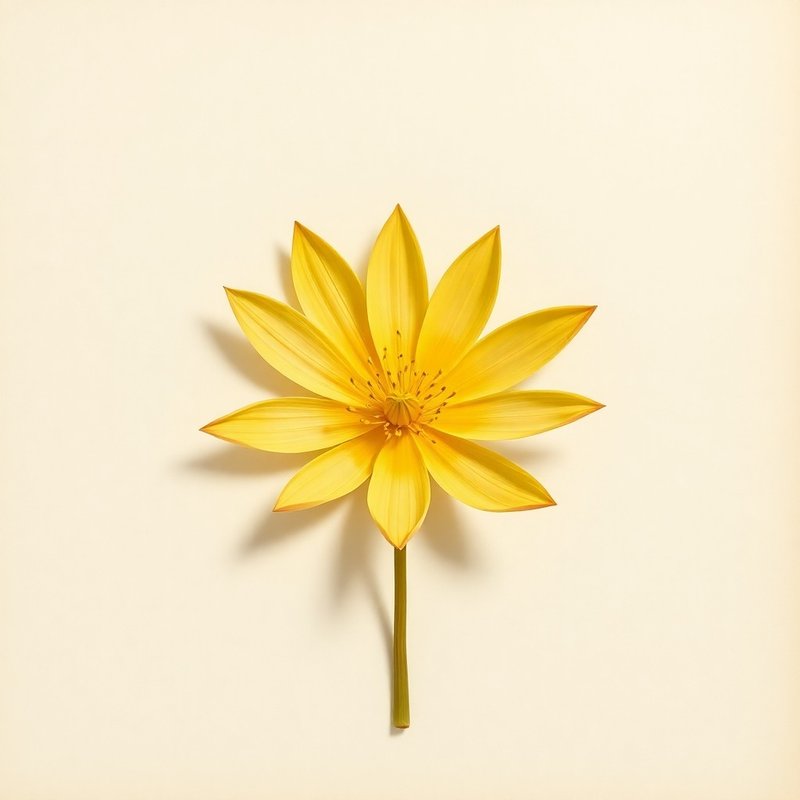
Pl. 5763 — Nuphar lutea
Nuphar luteaNuphar luteaNuphar luteaNuphar luteaNuphar luteaNuphar luteaNuphar luteaNuphar luteaNuphar luteaNuphar luteaNuphar luteaNuphar luteaNuphar luteaNuphar lutea
IOverview
Overview
The Yellow Water Lily (Nuphar lutea) is a perennial herb belonging to the Nymphaeaceae family and is native to parts of Europe, Asia, and North Africa. Found in various habitats from Albania to Xinjiang, it thrives in light to heavy soils with a pH between 7 and 7.5. Known for its edible leaves, roots, and seeds, this plant has been used both as food and medicine throughout its native range. Its distinctive golden-yellow flowers set it apart, making it an ornamental addition to water gardens or ponds.
Quick answers
What is Yellow Water Lily?
The Yellow Water Lily (Nuphar lutea) is a perennial herb belonging to the Nymphaeaceae family and is native to parts of Europe, Asia, and North Africa. Found in various habitats from Albania to Xinjiang, it thrives in light to heavy soils with a pH between 7 and 7.
IV·bMixology suggestions
1 draft
Mixology suggestions
1 draftEditorial drafts. These pairings are AI-suggested from traditional herbal lore. Always verify with a qualified herbalist before brewing.
Water Harmony
skintincture
Traditional use for skin conditions and soothing the body.
Growingconditions · propagation · uses
VCultivation
Cultivation
Yellow Water Lily thrives in light to medium soils with a pH of 7-7.5 and prefers partial shade to full sun. It is hardy in temperate regions from USDA zones 4-8. For propagation, use seeds or divide the roots in spring. Keep the soil consistently moist but ensure good drainage to prevent root rot. Harvest edible parts such as leaves and roots during summer months when the plant is actively growing.
Light
6/10
Water
Water
Soil
Light (sandy), Medium, Heavy (clay)
Hardiness
4-8
Life cycle
Perennial
Habit
Forb/herb
Soil pH
7–7.5
For first-time growers
How to grow Yellow Water Lily for the first time
8steps
Start with basic care for Yellow Water Lily to ensure a successful beginner experience.
- 1
What you'll need
A container or pond, water lily rhizomes, and clean planting soil.
- 2
Best time to plant
Plant in spring when the weather starts warming up.
- 3
Soil and container prep
Use a container with at least 18 inches of water depth. Fill with light, medium, or heavy soil, ensuring it's pH 7-7.5.
- 4
Sowing or transplanting
Place rhizomes horizontally on the soil surface and cover them lightly with soil.
- 5
First two weeks
Keep water levels stable and avoid direct sunlight for the first few days to prevent shock.
- 6
Ongoing care
Monitor water depth, ensuring it doesn't drop below 18 inches. Provide partial shade.
- 7
Harvest or pruning
Prune dead leaves and flowers regularly to maintain plant health but avoid harvesting edible parts as they are not commonly done.
- 8
Common mistakes
Over-fertilizing, planting too deep, exposing the plant to direct sunlight, using incorrect soil pH, and neglecting water depth management.
VIEdible & utility
Edible & utility
Edible parts:LeavesRootSeed
Edible uses: Drink
Other uses:Fragrance
Contextrange · companions · related
VIIDistribution
30 native · 0 introduced
Distribution
30 native · 0 introducedDistribution across3 continents· 30 native
Europe16 regions
native (16)AustriaBelarusBelgiumBulgariaDenmarkFinlandFranceGermanyGreeceHungaryIrelandItalyNetherlandsNorwayRussiaUnited Kingdom
Asia2 regions
native (2)IranKazakhstan
Africa1 region
native (1)Algeria
Broader regions
native:Altay, Baltic States, Czechoslovakia, Irkutsk, Krasnoyarsk, Lebanon-Syria
IXSpecimen gallery
1 image
Specimen gallery
1 imageXSee also
3 related
See also
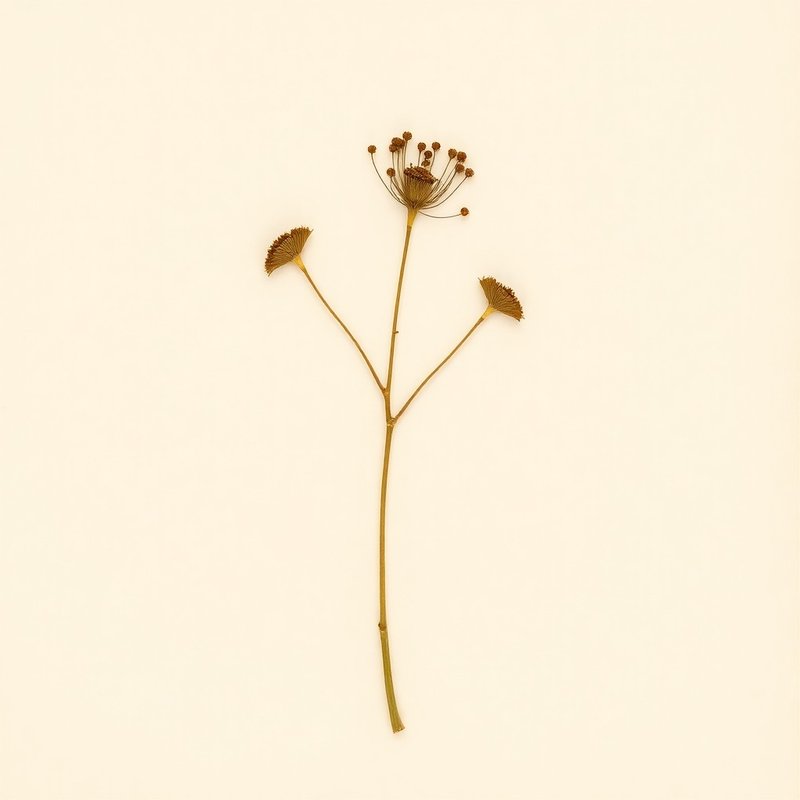
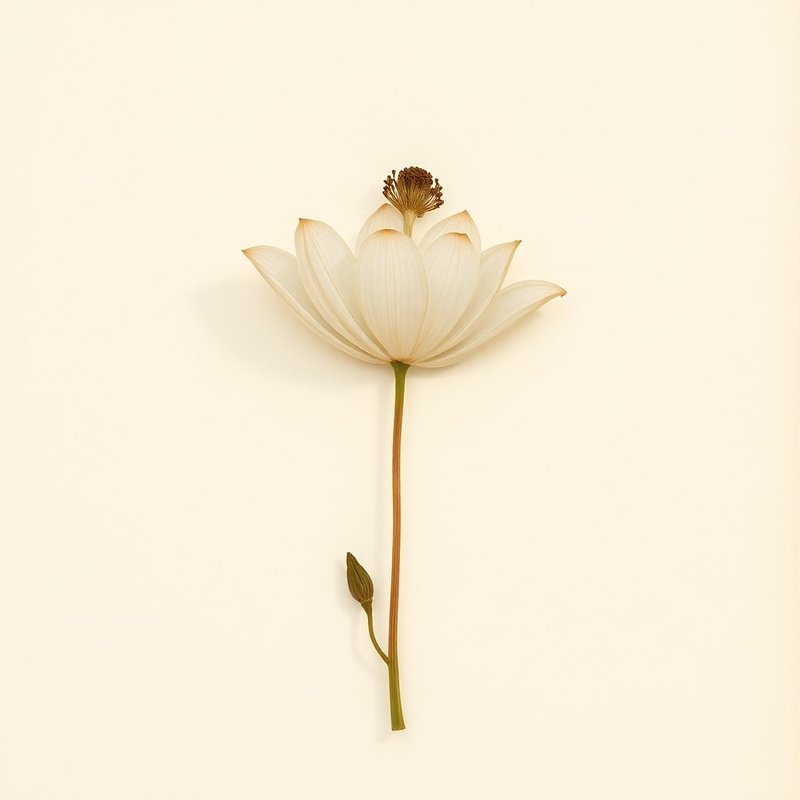
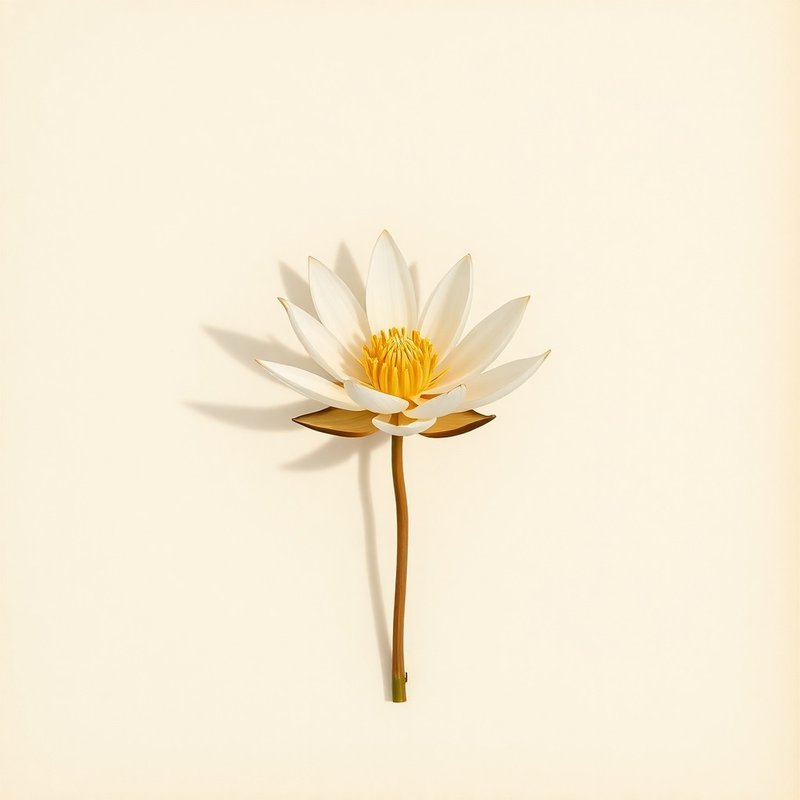
3 relatedPlants you might compare or use together — scored by shared family (Nymphaeaceae), common use cases, and growing requirements.
same family · Nymphaeaceae
Botanical relatives — often share phytochemistry + growing needs.
XI
Explore further
Companion planting
Compare with similar plants
Growing zone
XII
About this entry
- Last updated
- Citation
- How to cite this entry · Submit a correction
Back to the cataloguePlant id · 576311a7-de0d-4a88-b3b5-73cd31b87571
Decision aid
Choosing between Yellow Water Lily and something else?
Continue reading
❦❦❦❦
Endpaper · archive updates
Get archive updates
Occasional email when substantial new content lands — plant profiles, seasonal growing notes, folk-remedy additions. Free, no tracking, unsubscribe anytime.