
Nymphaea candida
Nymphaea candidafam. Nymphaeaceae
Educational content — not medical, botanical, or professional advice. Plant identification, safety, and edibility depend on local conditions, cultivars, and correct identification. Consult a qualified botanist or forager before consuming or handling wild specimens. How we source & review →
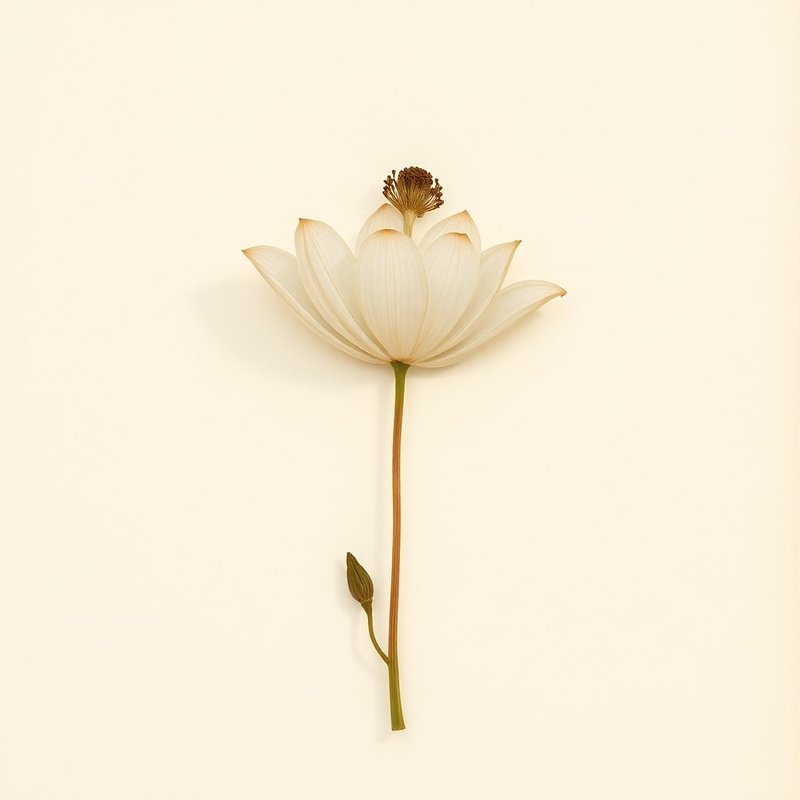
Pl. 6C46 — Nymphaea candida
Nymphaea candidaNymphaea candidaNymphaea candidaNymphaea candidaNymphaea candidaNymphaea candidaNymphaea candidaNymphaea candidaNymphaea candidaNymphaea candidaNymphaea candidaNymphaea candidaNymphaea candidaNymphaea candida
IOverview
Overview
Nymphaea candida, known as white water lily, is a perennial aquatic plant native to various European and Asian regions including Altay, Austria, Belarus, and Ukraine. It thrives in light to medium soil types such as sandy, loamy, or clay, with a pH range of 6.5–7. This plant is notable for its edible root and seeds, making it a valuable source of nutrition. Found across Europe from the Baltic States to West Siberia, Nymphaea candida also extends into parts of Asia like Xinjiang and Mongolia. Its distinctive white flowers and floating leaves make it an ornamental addition to ponds and water gardens.
Quick answers
What is Nymphaea candida?
Nymphaea candida, known as white water lily, is a perennial aquatic plant native to various European and Asian regions including Altay, Austria, Belarus, and Ukraine. It thrives in light to medium soil types such as sandy, loamy, or clay, with a pH range of 6.
Growingconditions · propagation · uses
VCultivation
Cultivation
Nymphaea candida thrives in light to medium water conditions and prefers soils that are light (sandy), medium, or heavy (clay). It is hardy in temperate regions with a USDA zone range of 4-8. The plant requires ample sunlight, with an energy requirement rating of 8/10 for light. For soil pH, aim for a range between 6.5 and 7. Propagate through root or seed methods to ensure successful growth. Regular watering is essential, as this aquatic perennial needs consistent moisture to flourish.
Light
8/10
Water
Water
Soil
Light (sandy), Medium, Heavy (clay)
Hardiness
4-8
Life cycle
Perennial
Soil pH
6.5–7
For first-time growers
How to grow Nymphaea candida for the first time
8steps
Start with a simple water garden setup to grow Nymphaea candida.
- 1
What you'll need
A large container, aquatic plant fertilizer, and some decorative rocks or gravel.
- 2
Best time to plant
Plant in spring when the water temperature is above 68°F (20°C).
- 3
Soil and container prep
Use a container at least 18 inches deep with a mix of light, medium, or heavy soil. Ensure good drainage holes.
- 4
Sowing or transplanting
Transplant rooted plants from another water garden or sow seeds directly into the prepared soil.
- 5
First two weeks
Keep the container in a sunny spot and monitor water levels, adding more as needed to maintain depth.
- 6
Ongoing care
Fertilize every 4-6 weeks with aquatic plant fertilizer. Trim dead leaves and flowers regularly.
- 7
Harvest or pruning
Prune any dead or damaged foliage to keep the plant healthy and attractive.
- 8
Common mistakes
Overcrowding, using too much heavy soil, not providing enough light, and neglecting water level maintenance.
VIEdible & utility
Edible & utility
Edible parts:RootSeed
Edible uses: Coffee
Contextrange · companions · related
VIIDistribution
30 native · 0 introduced
Distribution
30 native · 0 introducedDistribution across2 continents· 30 native
Europe13 regions
native (13)AustriaBelarusBelgiumFinlandFranceGermanyNetherlandsNorwayPolandRomaniaRussiaSwedenUkraine
Asia4 regions
native (4)ChinaKazakhstanMongoliaUzbekistan
Broader regions
native:Altay, Czechoslovakia, Irkutsk, Krasnoyarsk, Transcaucasus, West Himalaya, Baltic States
IXSpecimen gallery
1 image
Specimen gallery
1 imageXSee also
3 related
See also
3 relatedPlants you might compare or use together — scored by shared family (Nymphaeaceae), common use cases, and growing requirements.
same family · Nymphaeaceae
Botanical relatives — often share phytochemistry + growing needs.
XI
Explore further
Companion planting
Compare with similar plants
Growing zone
XII
About this entry
- Last updated
- Citation
- How to cite this entry · Submit a correction
Back to the cataloguePlant id · 6c467f3a-5787-43b9-8a41-2f5952918c72
Decision aid
Choosing between Nymphaea candida and something else?
Continue reading
❦❦❦❦
Endpaper · archive updates
Get archive updates
Occasional email when substantial new content lands — plant profiles, seasonal growing notes, folk-remedy additions. Free, no tracking, unsubscribe anytime.