
Pygmy Water Lily
Nymphaea tetragonafam. Nymphaeaceae
Educational content — not medical, botanical, or professional advice. Plant identification, safety, and edibility depend on local conditions, cultivars, and correct identification. Consult a qualified botanist or forager before consuming or handling wild specimens. How we source & review →
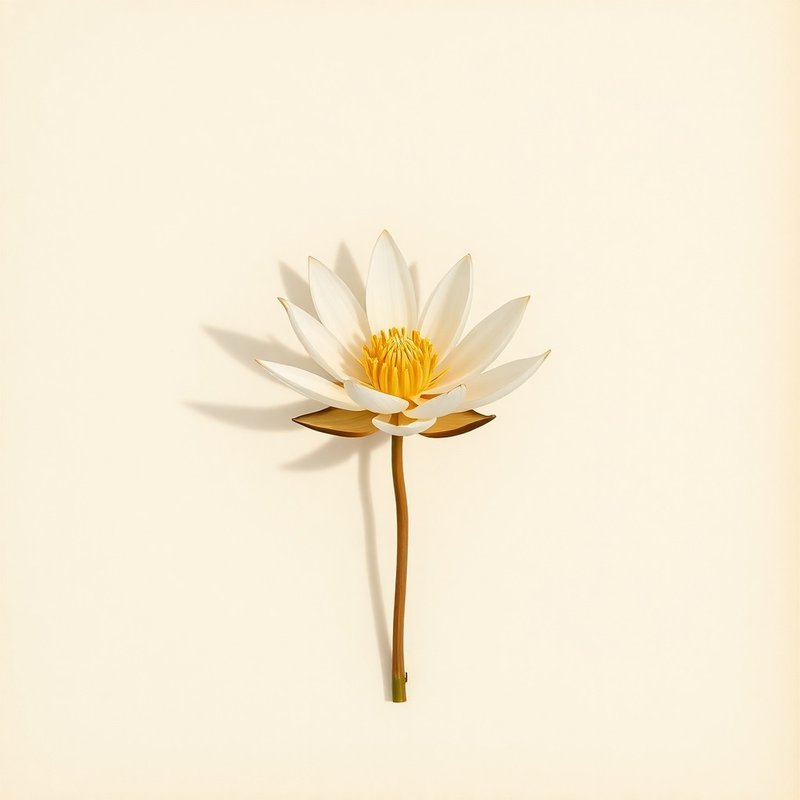
Pl. 96DB — Nymphaea tetragona
Nymphaea tetragonaNymphaea tetragonaNymphaea tetragonaNymphaea tetragonaNymphaea tetragonaNymphaea tetragonaNymphaea tetragonaNymphaea tetragonaNymphaea tetragonaNymphaea tetragonaNymphaea tetragonaNymphaea tetragonaNymphaea tetragonaNymphaea tetragona
IOverview
Overview
Pygmy Water Lily (Nymphaea tetragona) is a perennial herb that thrives in full sun and water environments, with light to heavy soil preferences. Native to regions such as Alaska, Alberta, Altay, Amur, Assam, Bangladesh, British Columbia, Buryatiya, and other parts of Asia and North America, this plant is known for its edible roots and seeds. One distinctive feature of the Pygmy Water Lily is its small size; it typically grows in shallow water and can be recognized by its delicate, floating leaves and white or pink flowers.
Quick answers
What is Pygmy Water Lily?
Pygmy Water Lily (Nymphaea tetragona) is a perennial herb that thrives in full sun and water environments, with light to heavy soil preferences.
Growingconditions · propagation · uses
VCultivation
Cultivation
Pygmy Water Lily thrives in full sun and requires water for its cultivation. It prefers light, medium, or heavy soil types but is adaptable to various conditions. This perennial plant can grow in a variety of habitats across temperate regions, making it suitable for gardens with similar climates. For propagation, seeds are the recommended method. Ensure the plant has adequate moisture and plenty of sunlight for optimal growth.
Light
Full sun
Water
Water
Soil
Light (sandy), Medium, Heavy (clay)
Life cycle
Perennial
Habit
Forb/herb
For first-time growers
How to grow Pygmy Water Lily for the first time
8steps
Start with a simple setup to grow Pygmy Water Lily as a beginner.
- 1
What you'll need
A container or pond, aquatic planting medium, and some Pygmy Water Lily plants.
- 2
Best time to plant
Plant in early spring when water temperatures are above 60°F (15°C).
- 3
Soil and container prep
Use a container with at least 24 inches of water depth. Fill it with aquatic planting medium like coconut coir or clay balls.
- 4
Sowing or transplanting
Transplant young plants into the prepared container, ensuring they are submerged to their necks in the water.
- 5
First two weeks
Keep the water temperature stable and monitor for signs of stress. Provide full sun exposure.
- 6
Ongoing care
Maintain water depth between 12-36 inches, ensure full sunlight, and check for pests or diseases regularly.
- 7
Harvest or pruning
Prune any dead leaves to maintain the plant's health. Harvest roots if needed, but be cautious not to over-harvest.
- 8
Common mistakes
...
VIEdible & utility
Edible & utility
Edible parts:RootSeed
Edible uses: The Pygmy Water Lily's root and seeds are edible. The roots can be eaten raw or cooked, while the seeds are often roasted before consumption. Both parts are typically prepared for meals but specific cooking methods vary based on local practices.
Contextrange · companions · related
VIIDistribution
30 native · 0 introduced
Distribution
30 native · 0 introducedDistribution across3 continents· 30 native
Europe2 regions
native (2)FinlandRussia
Asia7 regions
native (7)BangladeshChinaIndiaJapanMongoliaMyanmarSouth Korea
Americas1 region
native (1)United States
Broader regions
native:Alberta, Altay, Amur, British Columbia, Buryatiya, Chita, Hainan, Irkutsk, Kamchatka, Khabarovsk, Krasnoyarsk, Kuril Is., Magadan, Manitoba, Northwest Territorie
IXSpecimen gallery
1 image
Specimen gallery
1 imageXSee also
3 related
See also
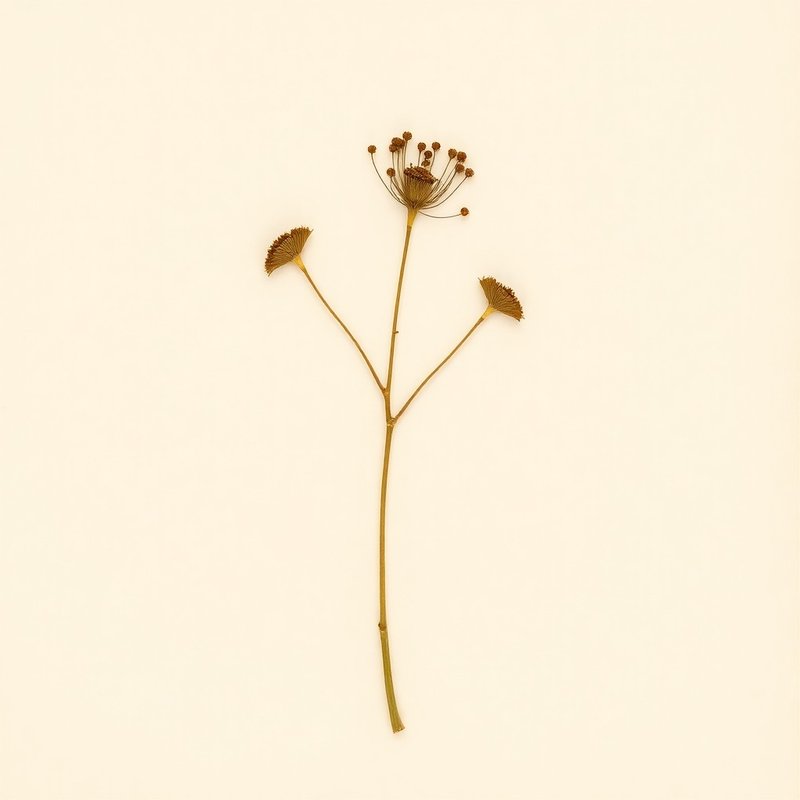
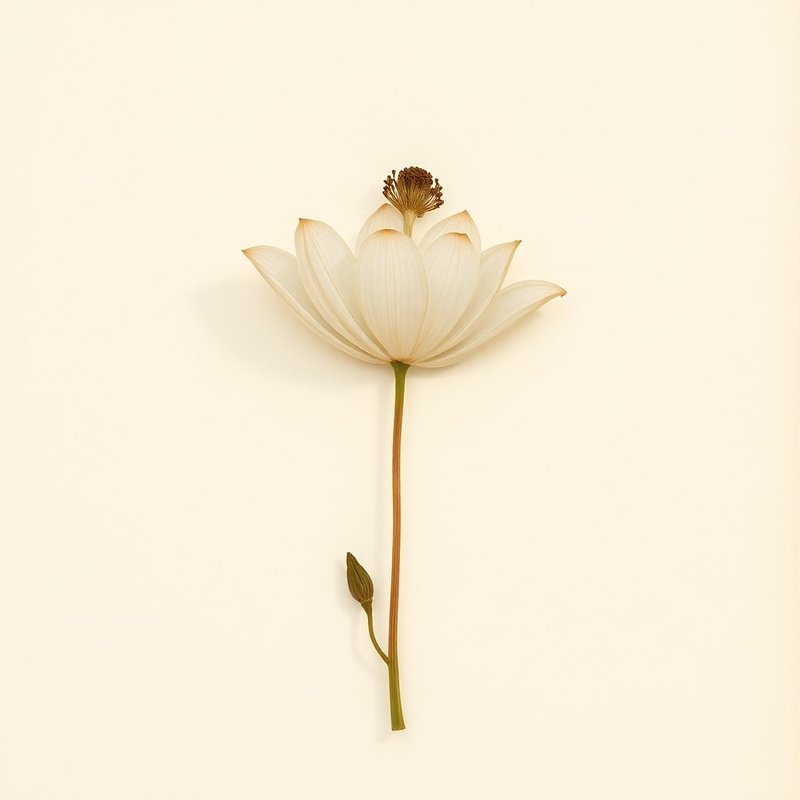
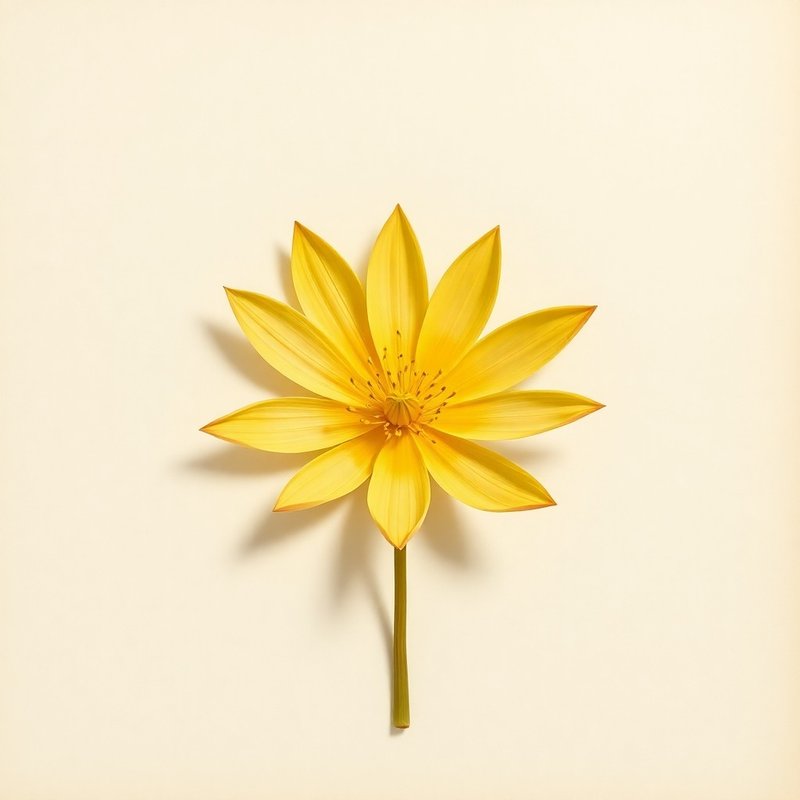
3 relatedPlants you might compare or use together — scored by shared family (Nymphaeaceae), common use cases, and growing requirements.
same family · Nymphaeaceae
Botanical relatives — often share phytochemistry + growing needs.
XI
Explore further
Companion planting
Compare with similar plants
XII
About this entry
- Last updated
- Citation
- How to cite this entry · Submit a correction
Back to the cataloguePlant id · 96db8d2c-707b-45fb-83d3-48e12b2957ea
Decision aid
Choosing between Pygmy Water Lily and something else?
Continue reading
❦❦❦❦
Endpaper · archive updates
Get archive updates
Occasional email when substantial new content lands — plant profiles, seasonal growing notes, folk-remedy additions. Free, no tracking, unsubscribe anytime.