
African basil
Ocimum gratissimumfam. Lamiaceae
Educational content — not medical, botanical, or professional advice. Always consult a qualified clinician before using any herbal preparation — especially during pregnancy, breastfeeding, while on medication, or for children. How we source & review →
Pl. 9A51 — Ocimum gratissimum
Ocimum gratissimumOcimum gratissimumOcimum gratissimumOcimum gratissimumOcimum gratissimumOcimum gratissimumOcimum gratissimumOcimum gratissimumOcimum gratissimumOcimum gratissimumOcimum gratissimumOcimum gratissimumOcimum gratissimumOcimum gratissimum
IOverview
Overview
African basil (Ocimum gratissimum) is a subshrub or herb that thrives in full sun and moist soil, growing up to 1.5 meters tall with a spread of about 1 meter. Native to regions including Angola, Bangladesh, Botswana, and Cambodia, it has been naturalized across many parts of Africa, Asia, and the Indian Ocean islands. Known for its culinary and medicinal uses, African basil is valued for its leaves, flowers, and seeds. Its light green foliage and strong aroma make it a distinctive ornamental plant in gardens. This hardy annual or perennial can be propagated through seed sowing or cuttings.
Quick answers
What is African basil?
African basil (Ocimum gratissimum) is a subshrub or herb that thrives in full sun and moist soil, growing up to 1.5 meters tall with a spread of about 1 meter. Native to regions including Angola, Bangladesh, Botswana, and Cambodia, it has been naturalized across many parts of Africa, Asia, and the Indian Ocean islands.
IV·bMixology suggestions
2 drafts
Mixology suggestions
2 draftsEditorial drafts. These pairings are AI-suggested from traditional herbal lore. Always verify with a qualified herbalist before brewing.
Growingconditions · propagation · uses
VCultivation
Cultivation
African basil thrives in full sun and prefers moist, medium soil. It is hardy to zone 10 but can be grown as an annual in cooler regions. Propagate through direct sowing of seeds or by taking cuttings. This subshrub reaches a height of 1.5 meters and a width of 1 meter, making it suitable for larger garden spaces. Harvest its leaves, flowers, and seeds for culinary use.
Light
Full sun
Water
Moist
Soil
Medium
Hardiness
10
Life cycle
Annual, Perennial
Habit
Subshrub, Forb/herb
Mature size
1.5 m m × 1 m
- Propagation
- Seed - direct sow, Cuttings
For first-time growers
How to grow African basil for the first time
7steps
African basil is a forgiving plant for beginners, making it an excellent choice for your first gardening project.
- 1
What you'll need
Seeds or cuttings, small pots if starting indoors, a sunny spot in the garden.
- 2
Best time to plant
Plant seeds directly outdoors after all danger of frost has passed, or start cuttings indoors 4-6 weeks before the last frost.
- 3
Soil and container prep
Use well-draining soil in containers at least 12 inches wide. In the garden, prepare a sunny spot with loose, fertile soil.
- 4
Sowing or transplanting
Direct sow seeds 0.5 inches deep, spaced about 6-8 inches apart. Transplant cuttings into moist soil, keeping them in partial shade until established.
- 5
First two weeks
Water regularly to keep the soil consistently moist but not waterlogged. Provide light shading if transplanting from indoors.
- 6
Ongoing care
Water when the top inch of soil feels dry, and fertilize every 4-6 weeks with a balanced liquid fertilizer. Pinch back flowers to encourage bushier growth.
- 7
Harvest or pruning
Prune regularly by cutting stems just above a leaf node to promote new growth and maintain shape. Harvest leaves as needed for use in cooking.
VIEdible & utility
Edible & utility
Edible parts:LeavesFlowersSeed
Edible uses: Salad
Contextrange · companions · related
VIIDistribution
30 native · 0 introduced
Distribution
30 native · 0 introducedDistribution across2 continents· 30 native
Asia5 regions
native (5)BangladeshCambodiaChinaIndiaLaos
Africa17 regions
native (17)AngolaBotswanaBurundiCameroonComorosCôte d'IvoireDjiboutiEquatorial GuineaEritreaEthiopiaGabonGhanaGuineaKenyaLiberiaMadagascarMalawi
Broader regions
native:Caprivi Strip, Central African Repu, Congo, Jawa, KwaZulu-Natal, Laccadive Is., Andaman Is.
VIIIGarden companions
1 pair
Garden companions
1 pairPlant near these
These plants help — by repelling pests, fixing nitrogen, attracting pollinators, or sharing space well.
XSee also
8 related
See also
8 relatedPlants you might compare or use together — scored by shared family (Lamiaceae), common use cases, and growing requirements.
same family · Lamiaceae
Botanical relatives — often share phytochemistry + growing needs.
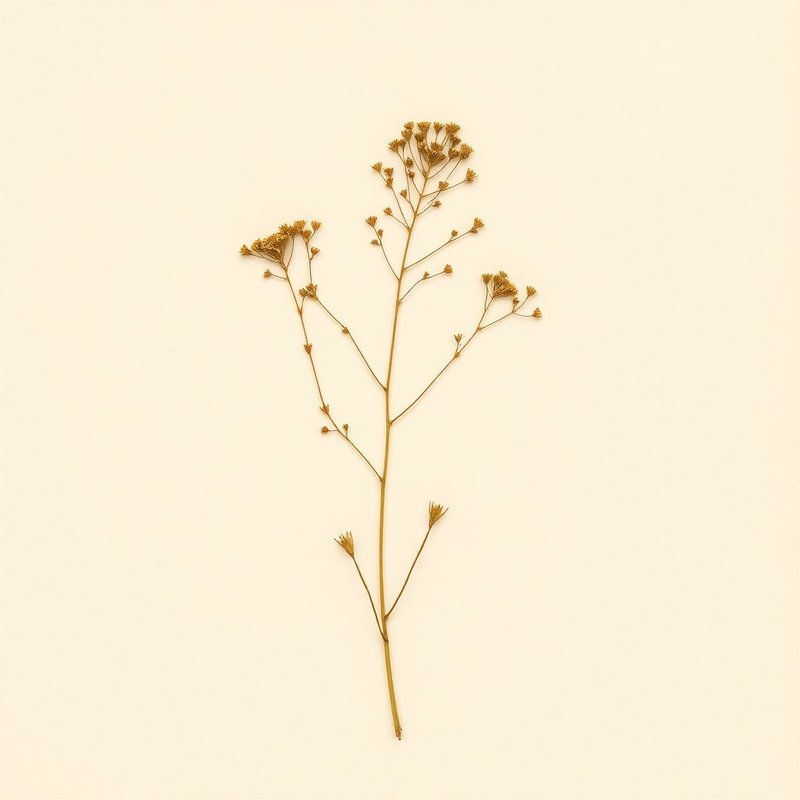
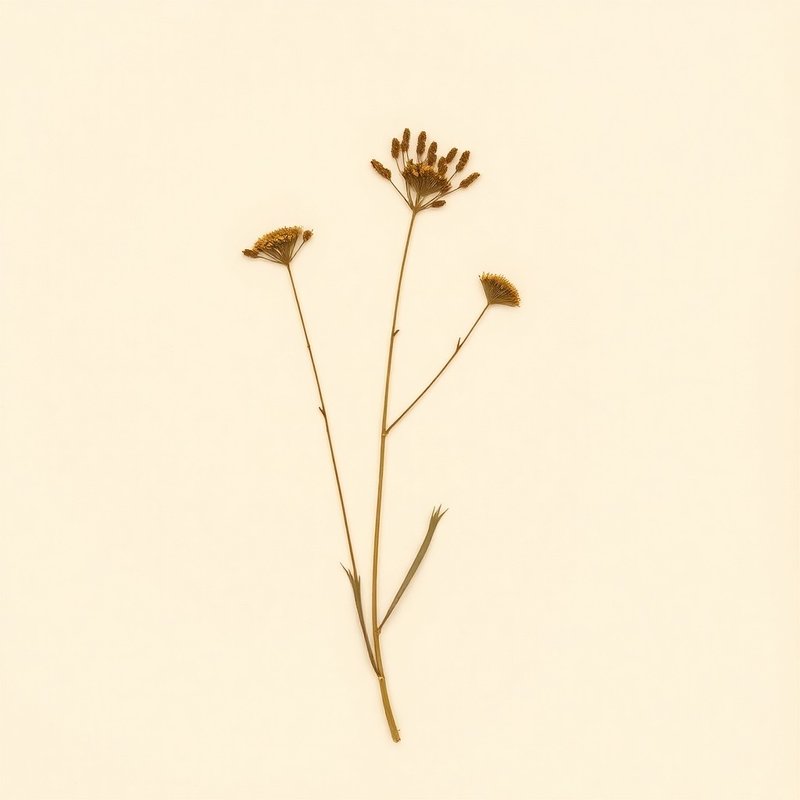
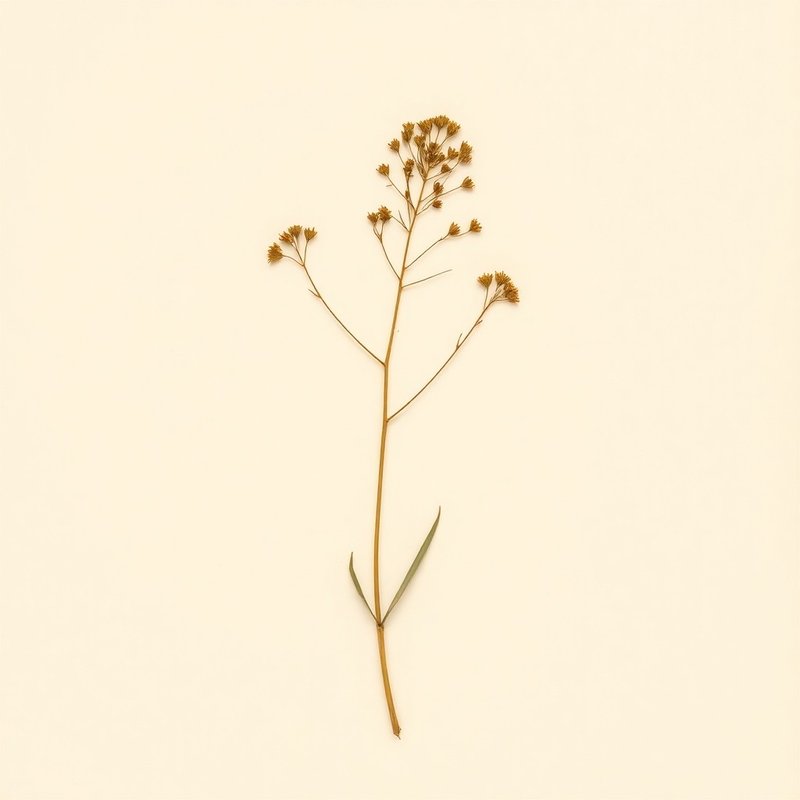
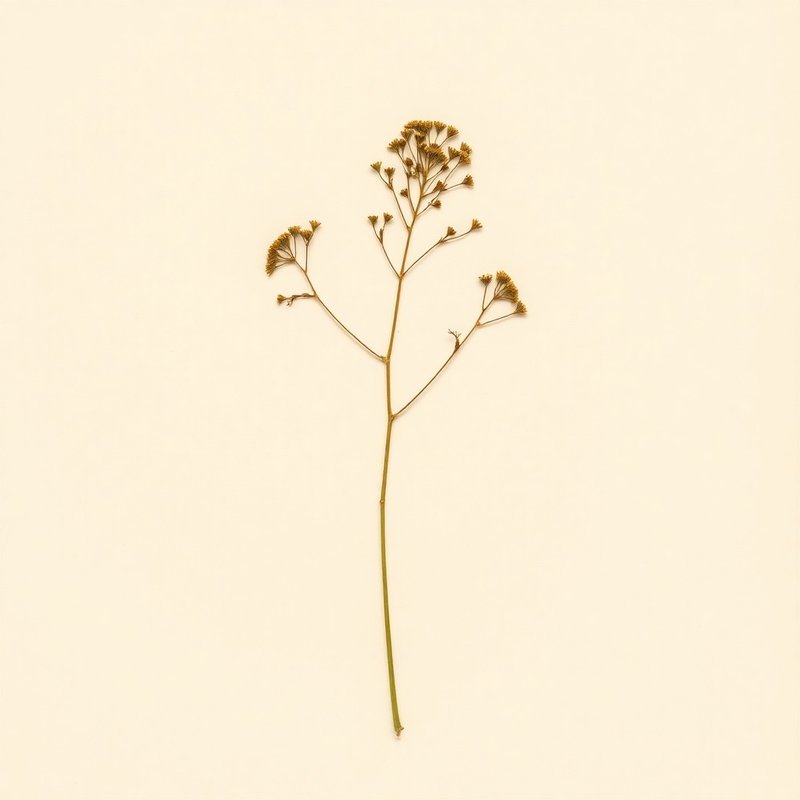

XI
Explore further
Companion planting
Compare with similar plants
Growing zone
XII
About this entry
- Last updated
- Citation
- How to cite this entry · Submit a correction
Back to the cataloguePlant id · 9a51b8cc-7008-436e-843e-f3554911c6db
Decision aid
Choosing between African basil and something else?
Continue reading
❦❦❦❦
Endpaper · archive updates
Get archive updates
Occasional email when substantial new content lands — plant profiles, seasonal growing notes, folk-remedy additions. Free, no tracking, unsubscribe anytime.