
Early Spider Orchid
IOverview
Overview
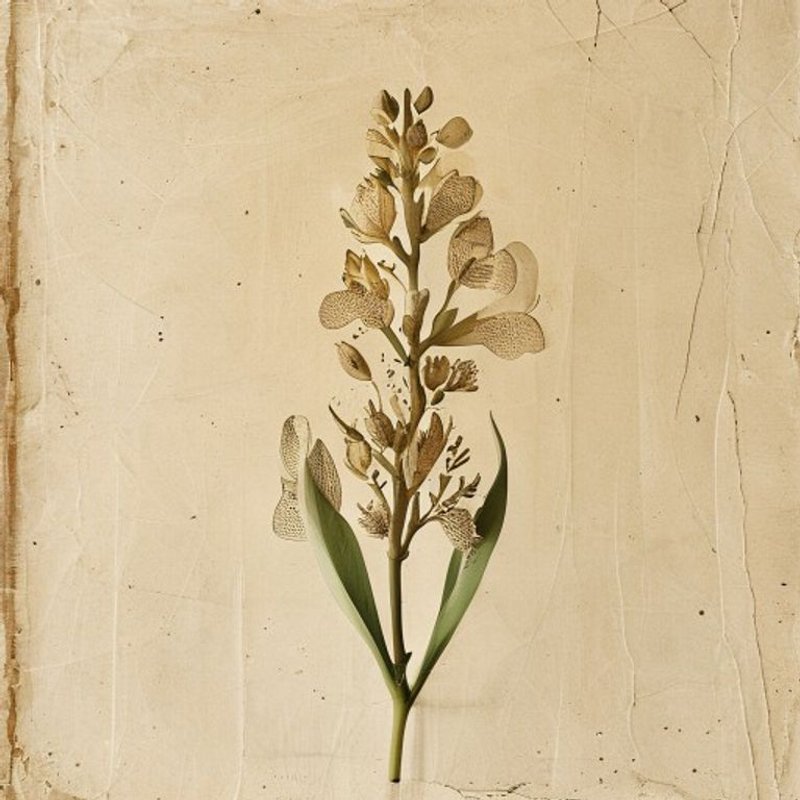
The Early Spider Orchid (Ophrys sphegodes) is a perennial plant known for its unique, intricate flower structure that resembles a spider's body, giving it its common name. Native to Europe and parts of Asia, this orchid can be found across a wide range including Albania, Austria, Belgium, Bulgaria, and many other countries. Thriving in moist environments with light to heavy soil types, the Early Spider Orchid prefers areas with a pH between 8 and 9. This plant is not only ornamental but also edible; its roots are considered palatable and can be consumed raw or cooked. Typically, the roots are harvested from the underground parts of the plant and prepared according to personal preference. Despite its delicate appearance, the Early Spider Orchid has a hardiness rating between zones 5-9, making it adaptable to various climates within its native range. The Early Spider Orchid grows up to 0.5 meters tall and requires plenty of light for optimal growth. It thrives in moist conditions with well-draining soil that can be sandy, medium, or clay-like. Cultivation should focus on maintaining consistent moisture levels while ensuring the soil pH remains between 8 and 9. This plant is a valuable addition to gardens and natural landscapes due to its distinctive appearance and edible roots.
What is Early Spider Orchid?
The Early Spider Orchid (Ophrys sphegodes) is a perennial plant known for its unique, intricate flower structure that resembles a spider's body, giving it its common name.
VCultivation
Cultivation
How to grow Early Spider Orchid for the first time
Start with planting Early Spider Orchid in a well-prepared soil mix and follow basic care instructions for success.
- 1
What you'll need
A suitable container, high-quality potting mix, and some patience.
- 2
Best time to plant
Plant in early spring or late summer when the soil is moist but not waterlogged.
- 3
Soil and container prep
Use a well-draining mix with a pH of 8-9, such as a mixture of peat moss, perlite, and sand.
- 4
Sowing or transplanting
Transplant young plants from the wild carefully to avoid damaging roots. Alternatively, purchase established plants.
- 5
First two weeks
Keep the soil consistently moist but not soggy during this critical period.
- 6
Ongoing care
Water sparingly and ensure good air circulation around the plant. Avoid direct sunlight.
VIEdible & utility
Edible & utility
VIIDistribution
33 native · 0 introduced
Distribution
33 native · 0 introducedIXSpecimen gallery
1 image
Specimen gallery
1 imageXSee also
8 related
See also
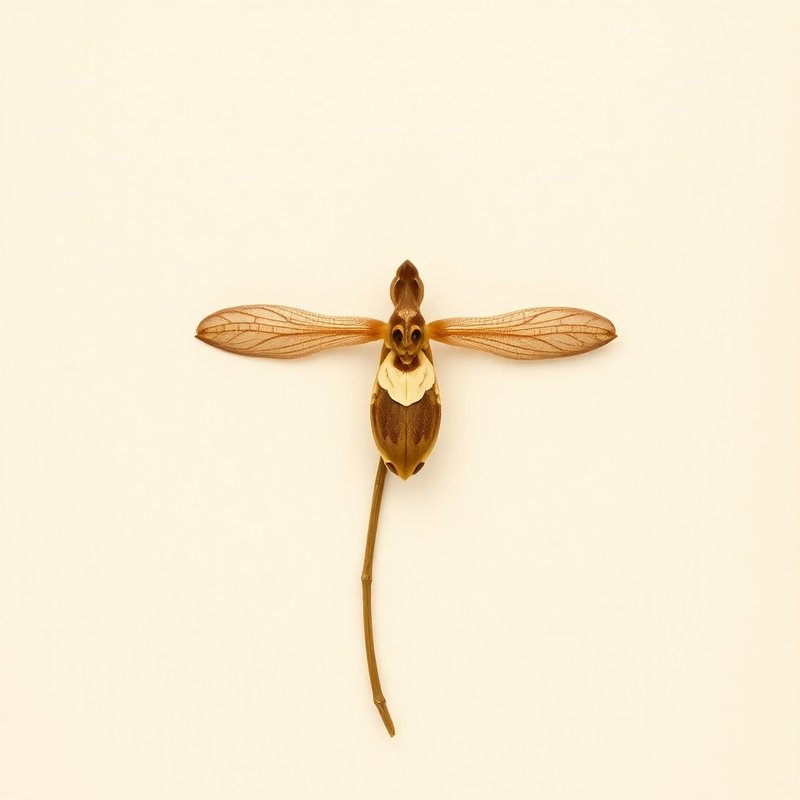
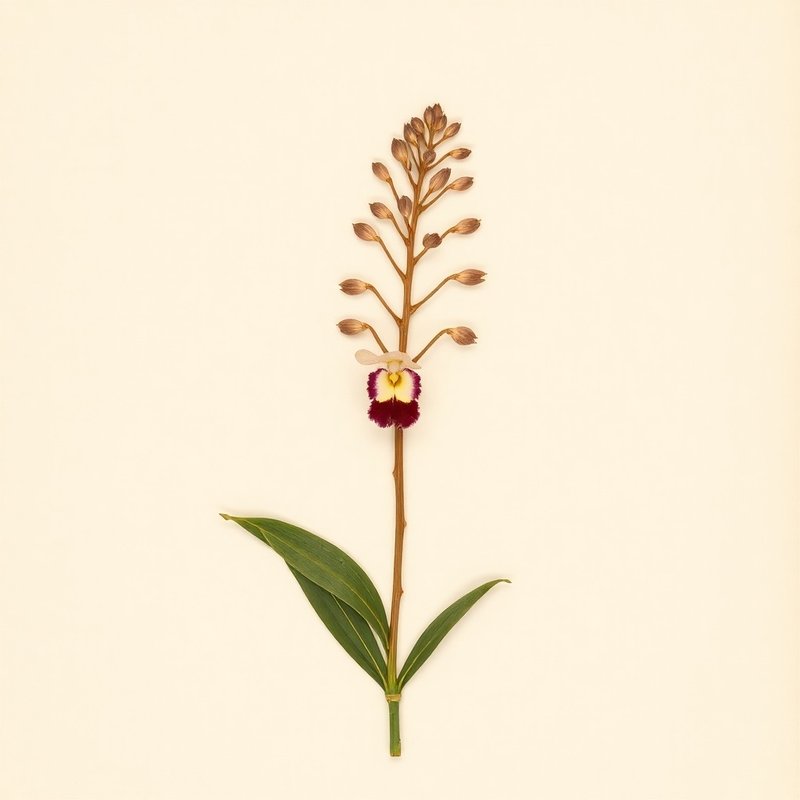
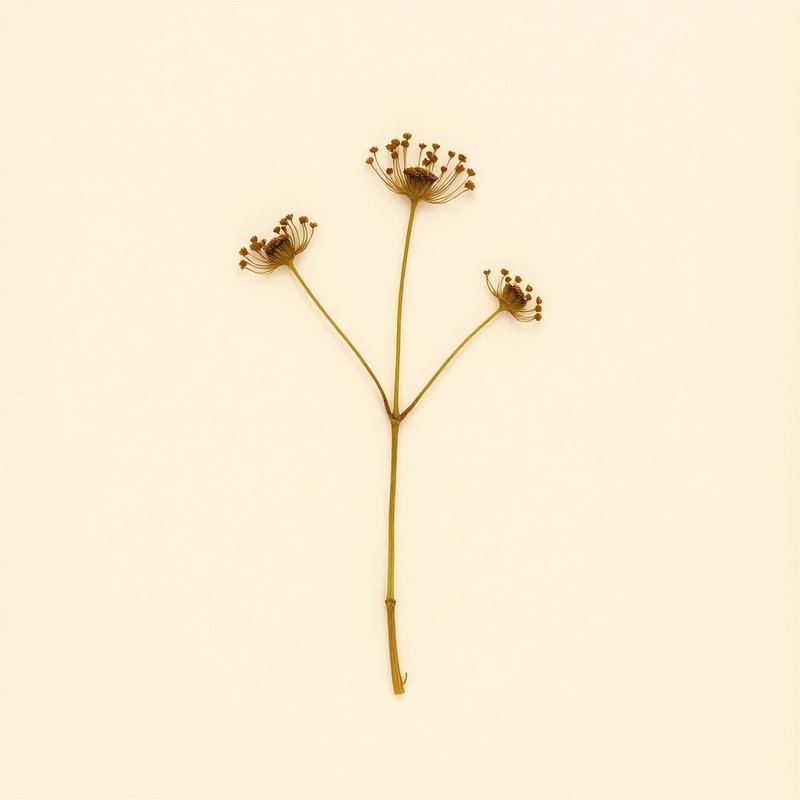
8 relatedPlants you might compare or use together — scored by shared family (Orchidaceae), common use cases, and growing requirements.

Explore further
About this entry
- Last updated
- Citation
- How to cite this entry · Submit a correction
Continue reading
Get archive updates
Occasional email when substantial new content lands — plant profiles, seasonal growing notes, folk-remedy additions. Free, no tracking, unsubscribe anytime.