Skip to content
IIIFolio · plant profile№ B596medicinal · edible
Data provenancePermapeopleTreflePFAFeditorially reviewedreviewed 20 Oct 2026methodology → read
Home/Plants/Lamiaceae

Greek Oregano

Origanum vulgare hirtumfam. Lamiaceae
Educational content — not medical, botanical, or professional advice. Always consult a qualified clinician before using any herbal preparation — especially during pregnancy, breastfeeding, while on medication, or for children. How we source & review →
medicinaledibleperennialculinaryedibleedible leafherbmedicinalperennial
Updated·Quick Q&A →
Garden journal pausedUse profile notes below
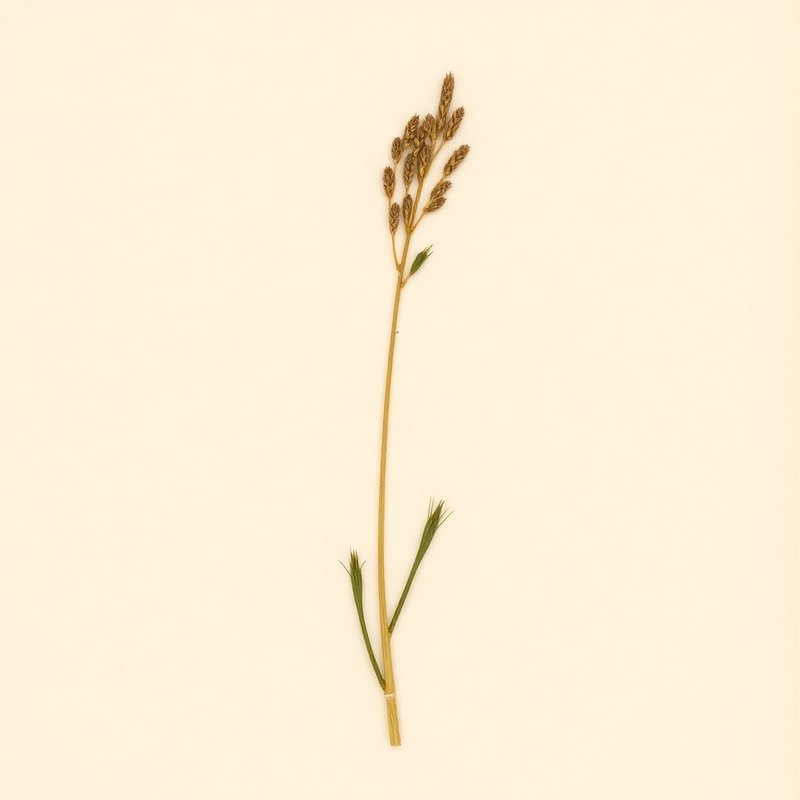
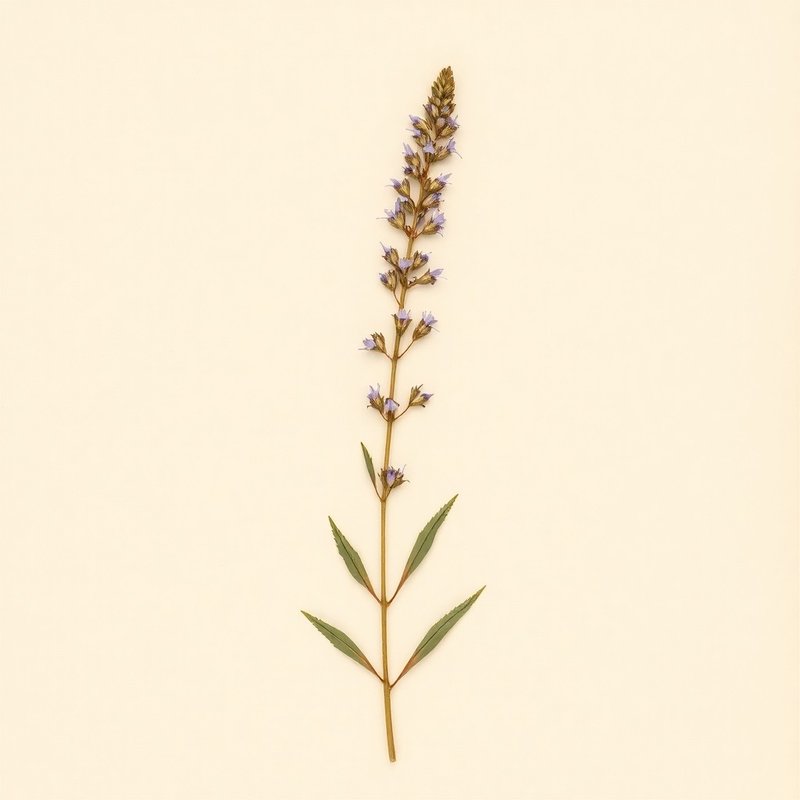
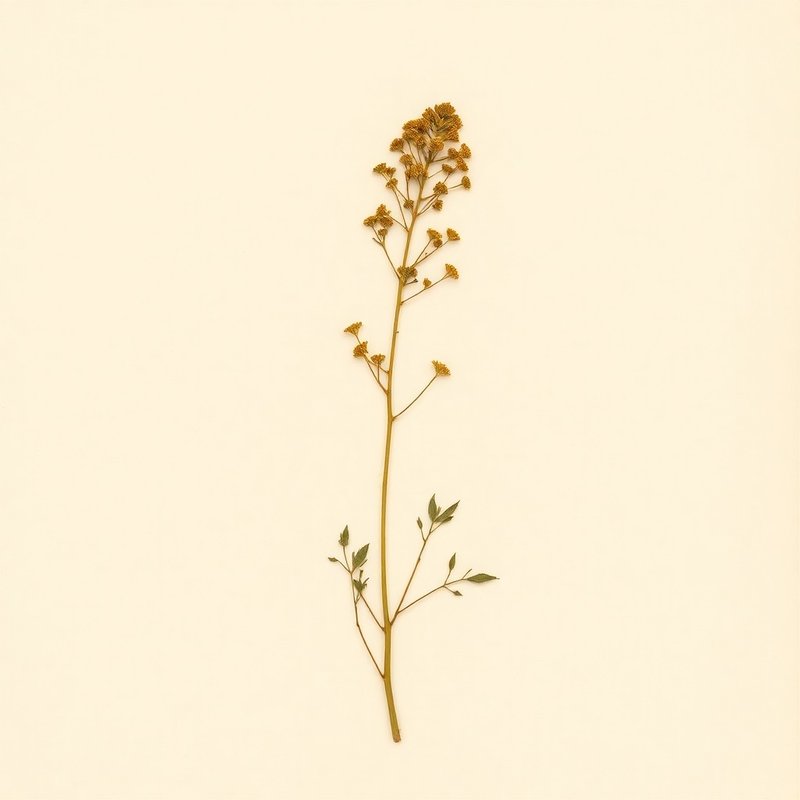
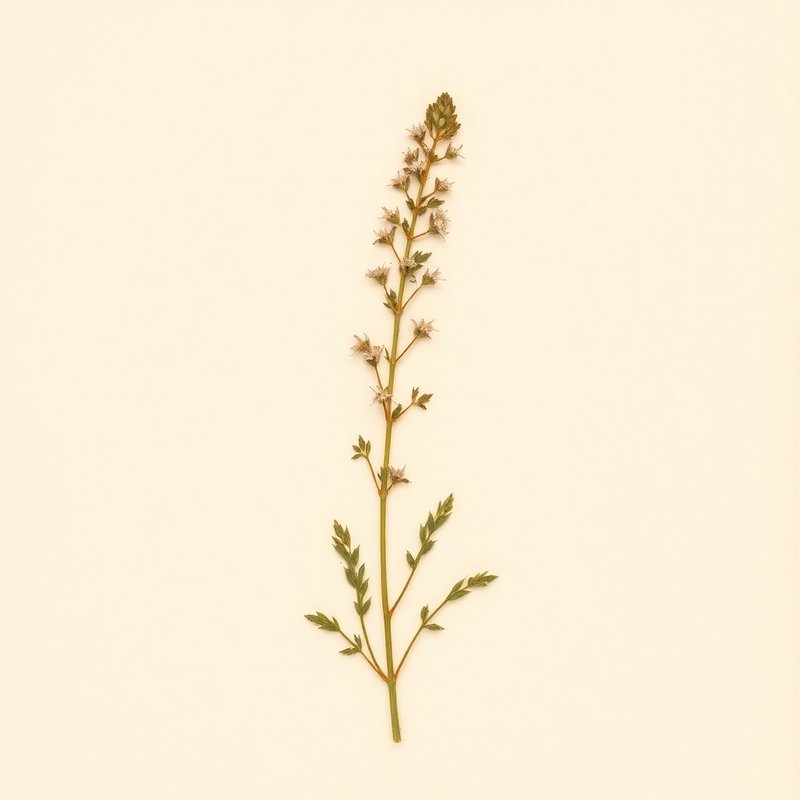
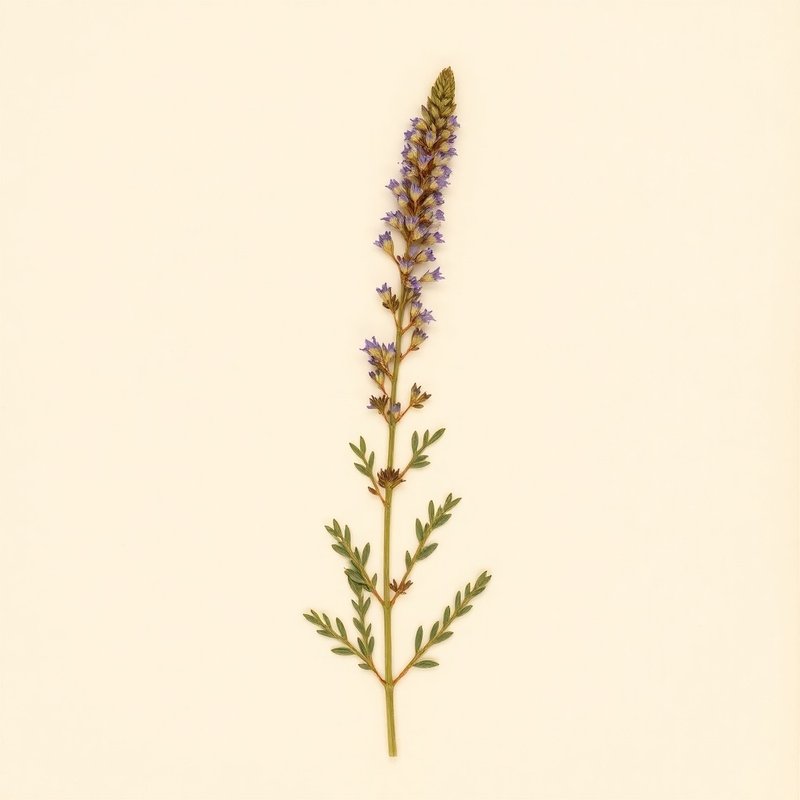
Origanum vulgare hirtum (Greek Oregano) — botanical photograph
Pl. B596 — Origanum vulgare hirtum
Origanum vulgare hirtumOriganum vulgare hirtumOriganum vulgare hirtumOriganum vulgare hirtumOriganum vulgare hirtumOriganum vulgare hirtumOriganum vulgare hirtumOriganum vulgare hirtumOriganum vulgare hirtumOriganum vulgare hirtumOriganum vulgare hirtumOriganum vulgare hirtumOriganum vulgare hirtumOriganum vulgare hirtum
I

Overview

Greek Oregano (Origanum vulgare hirtum), a member of the Lamiaceae family, is a perennial herb native to regions including Afghanistan, Albania, Algeria, and parts of Europe. This hardy plant can grow up to 0.6 meters tall and thrives in a variety of soil types, including light (sandy), medium, and heavy (clay), with a pH between 7 and 7.5. Greek Oregano is known for its ability to tolerate dry conditions while also thriving in moist environments, making it adaptable to various growing conditions. Its distinctive purple flowers and aromatic leaves make it a valuable addition to gardens, where it can serve as a ground cover or provide a fragrant element. In culinary contexts, Greek Oregano is highly valued for its use as a condiment, particularly in Mediterranean cuisine. The leaves are often used fresh or dried to add a robust, slightly bitter flavor to dishes. Beyond its culinary uses, Greek Oregano has a documented history of medicinal use, though specific applications should be researched further. Cultivation is relatively straightforward, with this plant thriving in full sun to partial shade and preferring well-draining soil. For propagation, division or seed sowing are effective methods. Greek Oregano is hardy in zones 4-8, making it suitable for gardens in a range of climates.

Quick answers

What is Greek Oregano?

Greek Oregano (Origanum vulgare hirtum), a member of the Lamiaceae family, is a perennial herb native to regions including Afghanistan, Albania, Algeria, and parts of Europe. This hardy plant can grow up to 0.

Compare with:Asparagus dauricus→Basil Thyme→Clary sage→all comparisons →
IV·b

Mixology suggestions

1 draft
Editorial drafts. These pairings are AI-suggested from traditional herbal lore. Always verify with a qualified herbalist before brewing.
Stomach Soothe
digestion
tea
Traditional use for digestive issues.
Growingconditions · propagation · uses
V

Cultivation

Greek Oregano thrives in full sun to partial shade and prefers well-draining soil with a pH between 7 and 7.5. It is adaptable to light (sandy), medium, and heavy (clay) soils but prefers moist conditions rather than being overly dry. This perennial can grow up to 0.6 meters tall and is hardy in zones 4-8. For propagation, use division or seed sowing. Harvest the leaves for culinary use.
Light
6/10
Water
Dry, Moist
Soil
Light (sandy), Medium, Heavy (clay)
Hardiness
4-8
Life cycle
Perennial
Habit
Forb/herb
Mature size
0.6 m tall
Soil pH
7–7.5
For first-time growers

How to grow Greek Oregano for the first time

8steps

Start with Greek Oregano to gain confidence in your gardening skills.

  1. 1

    What you'll need

    Seeds or small plants, a trowel, and a watering can.

  2. 2

    Best time to plant

    Plant in spring after the last frost or in fall before the first freeze.

  3. 3

    Soil and container prep

    Choose well-draining soil with a pH between 7 and 7.5, and prepare containers at least 6 inches deep.

  4. 4

    Sowing or transplanting

    Direct sow seeds in the garden or start them indoors 4-6 weeks before planting outside. Transplant young plants if needed.

  5. 5

    First two weeks

    Water regularly to keep soil moist but not waterlogged, and protect from extreme heat or cold.

  6. 6

    Ongoing care

    Water when the top inch of soil feels dry, and mulch around the base for moisture retention. Prune back after flowering to encourage new growth.

  7. 7

    Harvest or pruning

    Prune regularly to maintain shape and promote bushiness; harvest leaves as needed.

  8. 8

    Common mistakes

    Overwatering, planting in heavy soil, neglecting regular pruning, and not providing enough sunlight.

VI

Edible & utility

Edible parts:Leaves
Edible uses: Condiment
Other uses:DyeEssential OilGround coverFragrance
Contextrange · companions · related
VII

Distribution

76 native · 26 introduced
Distribution across4 continents· 76 native· 26 introduced
Europe25 regions
native (25)AlbaniaAustriaBelarusBelgiumBulgariaCyprusDenmarkFinlandFranceGermanyGreeceHungaryIrelandItalyNetherlandsNorwayPolandPortugalRomaniaRussiaSpainSwedenSwitzerlandUkraineUnited Kingdom
Asia12 regions
native (12)AfghanistanChinaIndiaIranIraqKazakhstanNepalPakistanTaiwanTurkeyTurkmenistanUzbekistan
Americas1 region
introduced (1)Venezuela
Africa3 regions
native (3)AlgeriaMoroccoTunisia
Broader regions
native:Altay, Baltic States, Buryatiya, Czechoslovakia, East Aegean Is., East Himalaya, Irkutsk, Kirgizstan, Krasnoyarsk, Kriti, Svalbard, Tadzhikistan, Transcaucasus, Turkey-in-Europe, Tuva, West Himalaya, Yakutskiya, Yugoslavia
introduced:Arkansas, British Columbia, California, Connecticut, Delaware, Illinois, Maryland, Masachusettes, Mexico Southwest, Michigan, New Jersey, New York, New Zealand South, North Carolina, Nova Scotia, Ohio, Ontario, Oregon, Pennsylvania, Primorye, Prince Edward I., Québec, Vermont, Virginia, Washington
IX

Specimen gallery

1 image
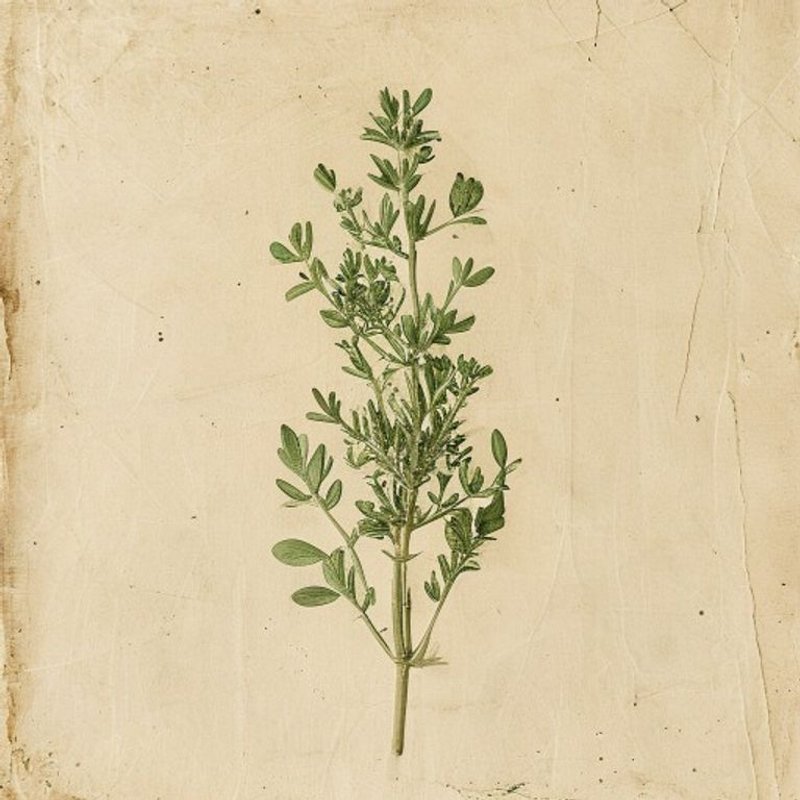
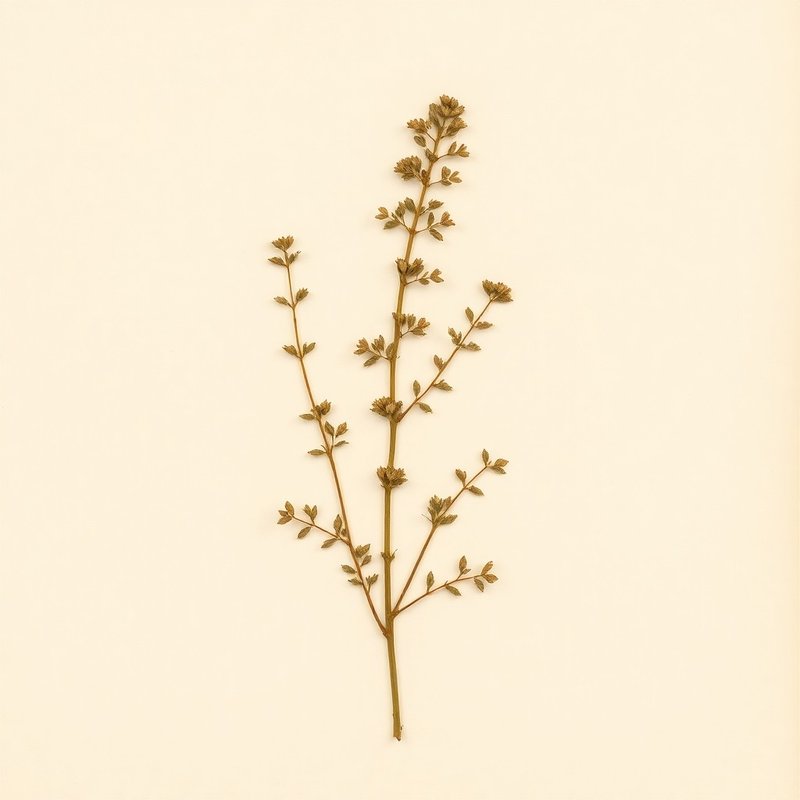
Origanum vulgare hirtum (Greek Oregano) — botanical photograph
Greek Oregano (Origanum vulgare hirtum)
X

See also

8 related
XI

Explore further

XII

About this entry

Last updated
Citation
How to cite this entry · Submit a correction
Back to the cataloguePlant id · b5968cbf-dfab-41a4-89ac-032ea828a99c
Decision aid
Choosing between Greek Oregano and something else?
Compare with another plant

Continue reading

❦❦❦❦
Endpaper · archive updates

Get archive updates

Occasional email when substantial new content lands — plant profiles, seasonal growing notes, folk-remedy additions. Free, no tracking, unsubscribe anytime.

Newsletter returning soon.
We are rebuilding the update list around a lightweight editorial workflow. New dispatches will resume after the next content review cycle.
iCare notes