
Rice
Oryza sativafam. Poaceae
Educational content — not medical, botanical, or professional advice. Plant identification, safety, and edibility depend on local conditions, cultivars, and correct identification. Consult a qualified botanist or forager before consuming or handling wild specimens. How we source & review →
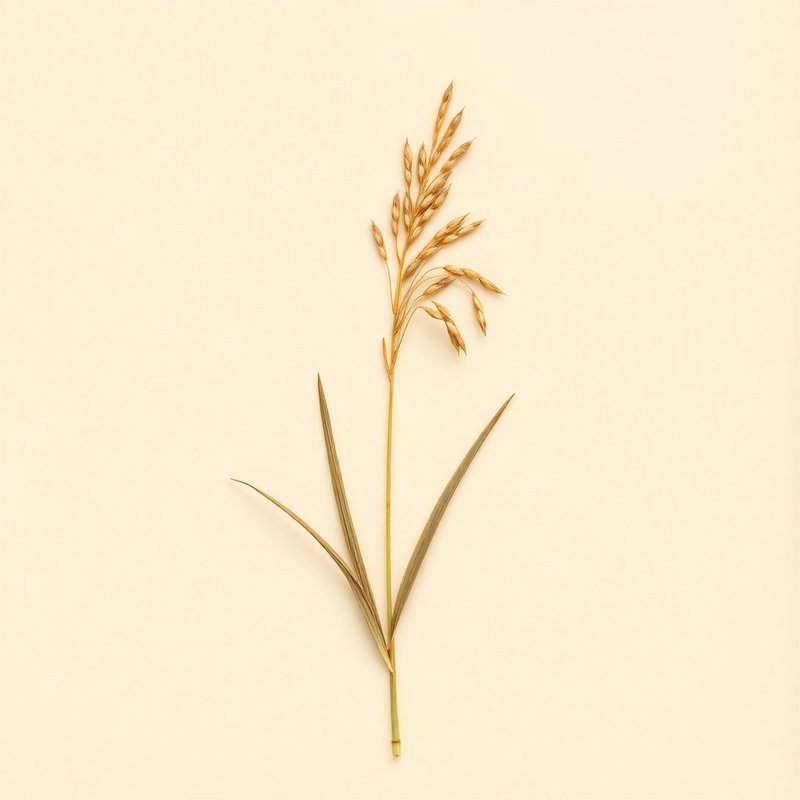
Pl. C0C1 — Oryza sativa
Oryza sativaOryza sativaOryza sativaOryza sativaOryza sativaOryza sativaOryza sativaOryza sativaOryza sativaOryza sativaOryza sativaOryza sativaOryza sativaOryza sativa
IOverview
Overview
Rice (Oryza sativa) belongs to the Poaceae family and is native to China's North-Central, South-Central, and Southeast regions. This annual plant, reaching a height of 1.8 meters, is known for its edible seeds, making it a staple food in many cultures. Rice thrives in moist environments with light (sandy), medium, or heavy (clay) soil, preferring a pH between 7 and 7.5. Its native range and adaptability to various soil types have made rice an essential crop globally. One distinctive feature is its ability to grow well in wet conditions, contributing to its widespread cultivation in flooded fields.
Quick answers
What is Rice?
Rice (Oryza sativa) belongs to the Poaceae family and is native to China's North-Central, South-Central, and Southeast regions. This annual plant, reaching a height of 1.8 meters, is known for its edible seeds, making it a staple food in many cultures.
Growingconditions · propagation · uses
VCultivation
Cultivation
Rice thrives in moist to wet conditions and requires light to heavy soils with a pH of 7–7.5. It is best suited for cultivation in areas that are warm and temperate, though it can be hardy in temperate regions. Rice prefers full sun but will tolerate partial shade. For successful propagation, plant seeds directly in the ground after all danger of frost has passed. Water regularly to keep the soil consistently moist. Harvest the edible parts when the grains have turned golden brown and are fully mature.
Light
9/10
Water
Moist, Wet, Water
Soil
Light (sandy), Medium, Heavy (clay)
Hardiness
10-12
Life cycle
Annual
Habit
Graminoid
Mature size
1.8 m tall
Soil pH
7–7.5
For first-time growers
How to grow Rice for the first time
8steps
Rice is a challenging crop for beginners due to its specific water and soil requirements, but it can be rewarding with careful attention.
- 1
What you'll need
Seeds or seedlings, a large container or field plot, potting mix, a watering can.
- 2
Best time to plant
Plant in spring after the last frost when temperatures are consistently above 20°C.
- 3
Soil and container prep
Use well-draining soil with a pH of 7-7.5, ensuring ample space for water retention.
- 4
Sowing or transplanting
Direct sow in the prepared plot or start seeds indoors 4 weeks before planting outside.
- 5
First two weeks
Keep soil consistently moist and provide partial shade to prevent stress from strong sunlight.
- 6
Ongoing care
Maintain consistent moisture, fertilize sparingly with a balanced fertilizer, and control weeds carefully.
- 7
Harvest or pruning
Cut the rice plants down when the grains are golden brown but still firm to touch; no specific pruning needed.
- 8
Common mistakes
Overwatering leading to root rot, planting too late in the season, neglecting soil pH requirements.
VIEdible & utility
Edible & utility
Edible parts:Seed
Edible uses: Oil
Other uses:CosmeticFiberFire starteroiltextilesSoap makingWeaving material
Contextrange · companions · related
VIIDistribution
3 native · 27 introduced
Distribution
3 native · 27 introducedDistribution across3 continents· 3 native· 27 introduced
Asia4 regions
native (1)China
introduced (3)BangladeshCambodiaIndia
Americas5 regions
introduced (5)BelizeCosta RicaDominican RepublicEl SalvadorGuatemala
Africa8 regions
introduced (8)BeninBurkina FasoBurundiCameroonChadComorosEquatorial GuineaGambia
Broader regions
introduced:Andaman Is., Borneo, Brazil North, Brazil Northeast, Brazil South, Brazil Southeast, Brazil West-Central, California, Central African Repu, Chile Central, East Himalaya
IXSpecimen gallery
1 image
Specimen gallery
1 imageXSee also
8 related
See also
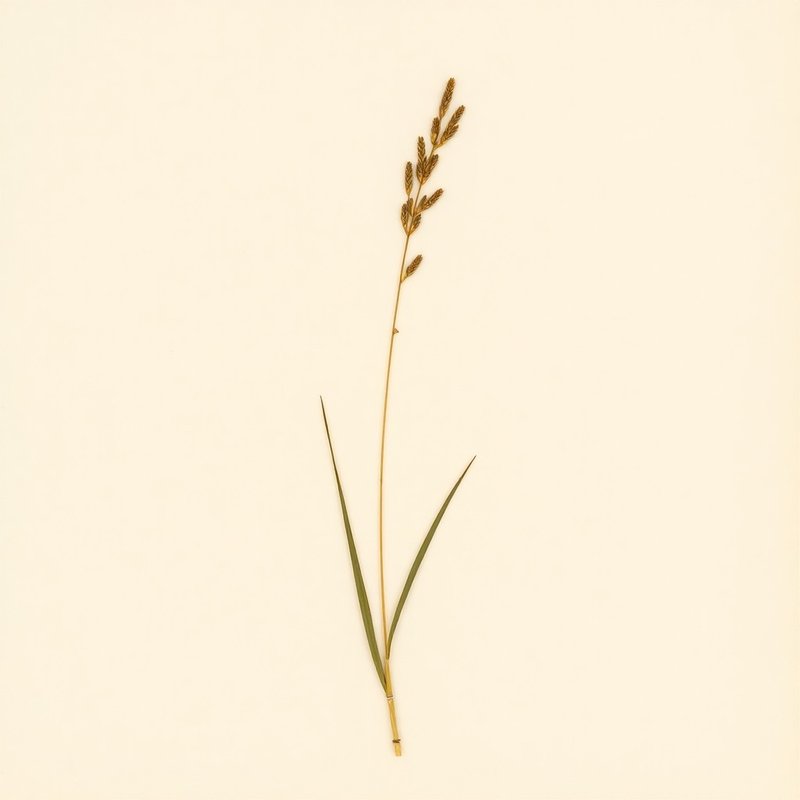
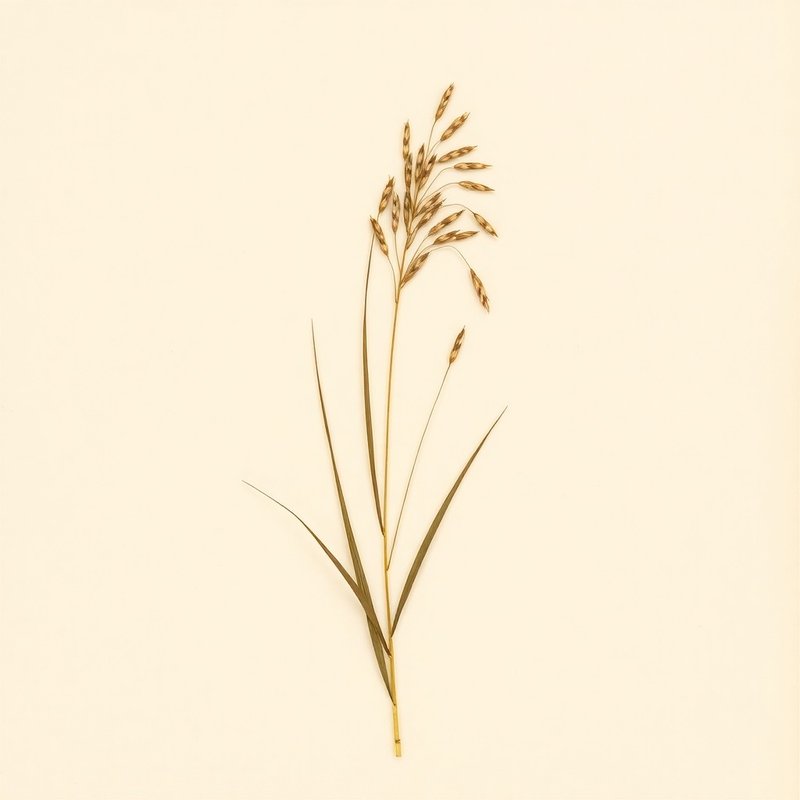
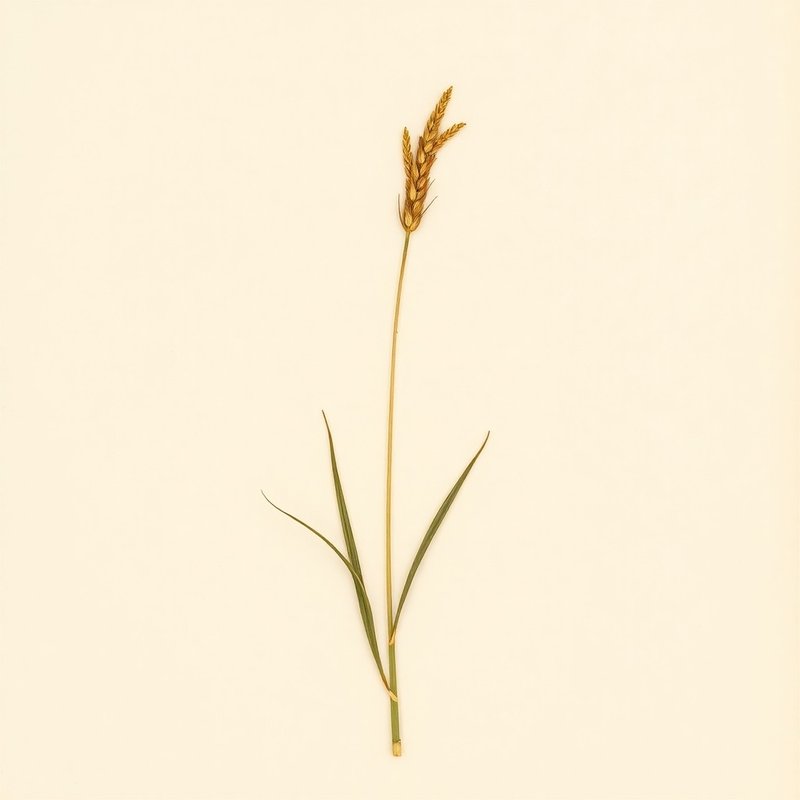
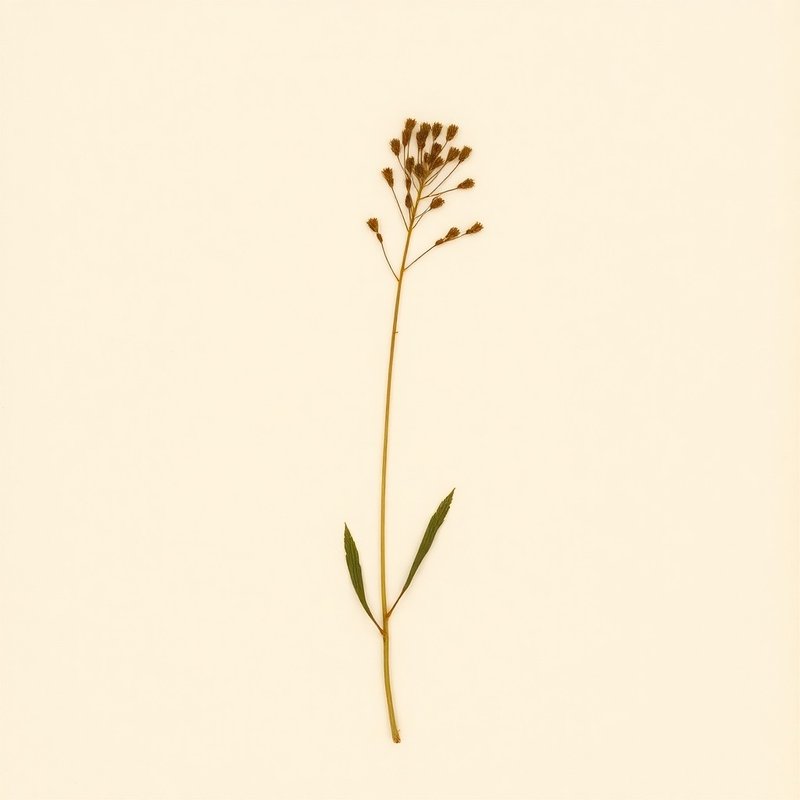
8 relatedPlants you might compare or use together — scored by shared family (Poaceae), common use cases, and growing requirements.
same family · Poaceae
Botanical relatives — often share phytochemistry + growing needs.

XI
Explore further
Companion planting
Compare with similar plants
Growing zone
XII
About this entry
- Last updated
- Citation
- How to cite this entry · Submit a correction
Back to the cataloguePlant id · c0c14e58-a44a-4141-87ef-43b584457548
Decision aid
Choosing between Rice and something else?
Continue reading
❦❦❦❦
Endpaper · archive updates
Get archive updates
Occasional email when substantial new content lands — plant profiles, seasonal growing notes, folk-remedy additions. Free, no tracking, unsubscribe anytime.