
Old Witch Grass

IOverview
Overview
Old Witch Grass (Panicum capillare) is an annual graminoid native to a wide range of North American and Caribbean regions, including Alabama, Alberta, Arizona, Arkansas, Bermuda, British Columbia, California, Colorado, and many others. This plant thrives in moist, light to heavy soils with a pH between 7.5 and 8, making it adaptable but preferring slightly alkaline conditions. Known for its edible seeds, Old Witch Grass is recognized for its culinary use. The seeds can be consumed raw or cooked, providing a light, moist texture when eaten. The plant reaches heights of about 0.6 meters and is known for its distinctive presence in various habitats across its native range. Old Witch Grass is an annual graminoid that thrives in light to medium soil, with a preference for sandy or clay textures. It requires moist conditions and grows best in full sun to partial shade. The plant is hardy in zones 4-8, making it suitable for temperate regions. For propagation, use seeds which can be sown directly into the ground. Keep the soil consistently moist during germination and growth. This annual graminoid reaches a height of about 0.6 meters and is native to a wide range of North American states and territories. While Old Witch Grass is not known for medicinal properties, it does have potential as a weed, so it is important to manage its spread in cultivated areas.
What is Old Witch Grass?
Old Witch Grass (Panicum capillare) is an annual graminoid native to a wide range of North American and Caribbean regions, including Alabama, Alberta, Arizona, Arkansas, Bermuda, British Columbia, California, Colorado, and many others. This plant thrives in moist, light to heavy soils with a pH between 7.
VCultivation
Cultivation
How to grow Old Witch Grass for the first time
Start with Old Witch Grass as a simple, low-maintenance addition to your garden.
- 1
What you'll need
Seeds or seedlings of Old Witch Grass.
- 2
Best time to plant
Plant in spring after the last frost, or in early fall.
- 3
Soil and container prep
Choose a location with moist, light (sandy), medium, or heavy soil. Ensure good drainage.
- 4
Sowing or transplanting
Direct sow seeds 0.5-1 cm deep in the ground or plant seedlings at this depth.
- 5
First two weeks
Keep the soil consistently moist and provide partial shade if necessary.
- 6
Ongoing care
Water regularly, especially during dry spells. Fertilize sparingly with a balanced fertilizer.
- 7
Harvest or pruning
Prune dead foliage in late winter to maintain the plant's health and appearance.
- 8
Common mistakes
Overwatering, planting in too sunny a location, neglecting regular pruning.
VIEdible & utility
Edible & utility
VIIDistribution
67 native · 44 introduced
Distribution
67 native · 44 introducedIXSpecimen gallery
1 image
Specimen gallery
1 imageXSee also
8 related
See also
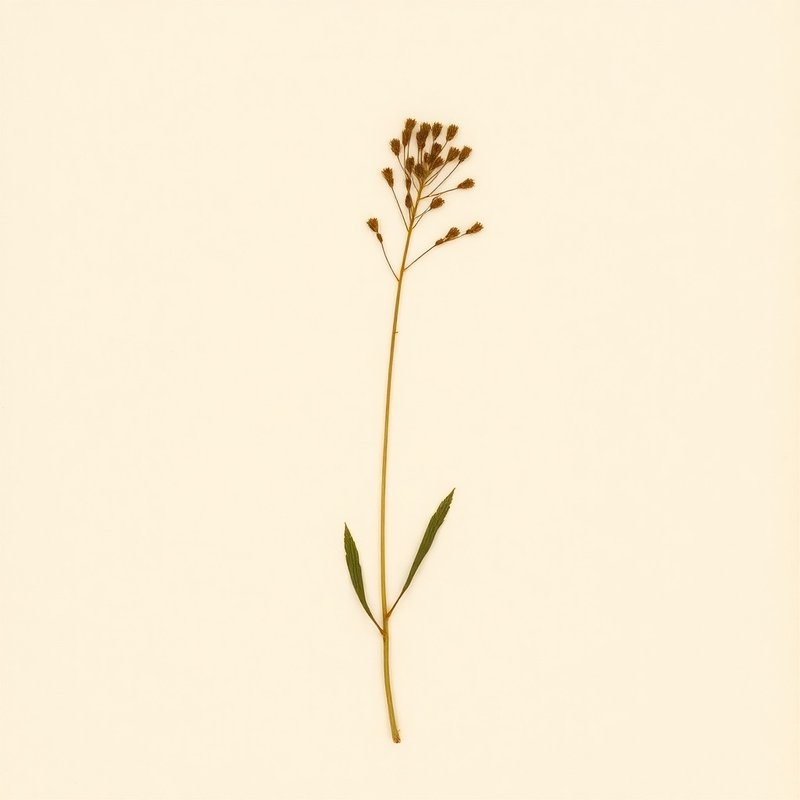
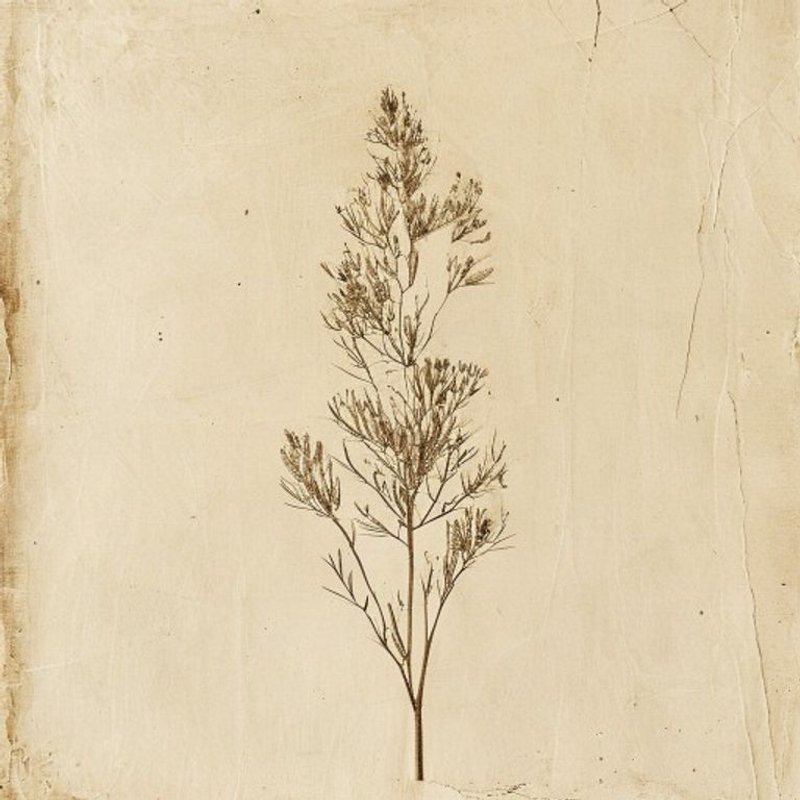
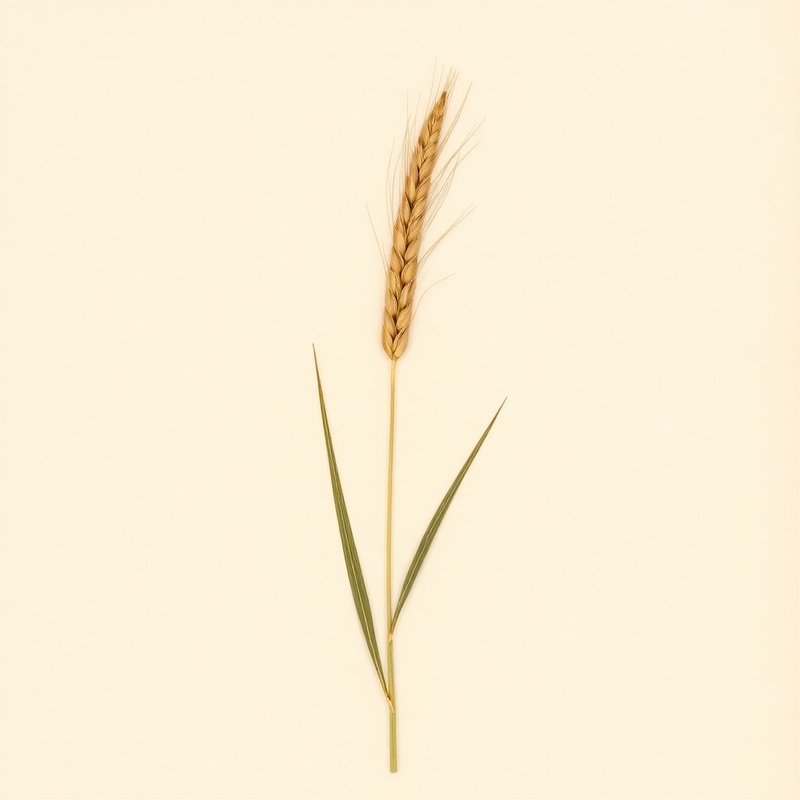
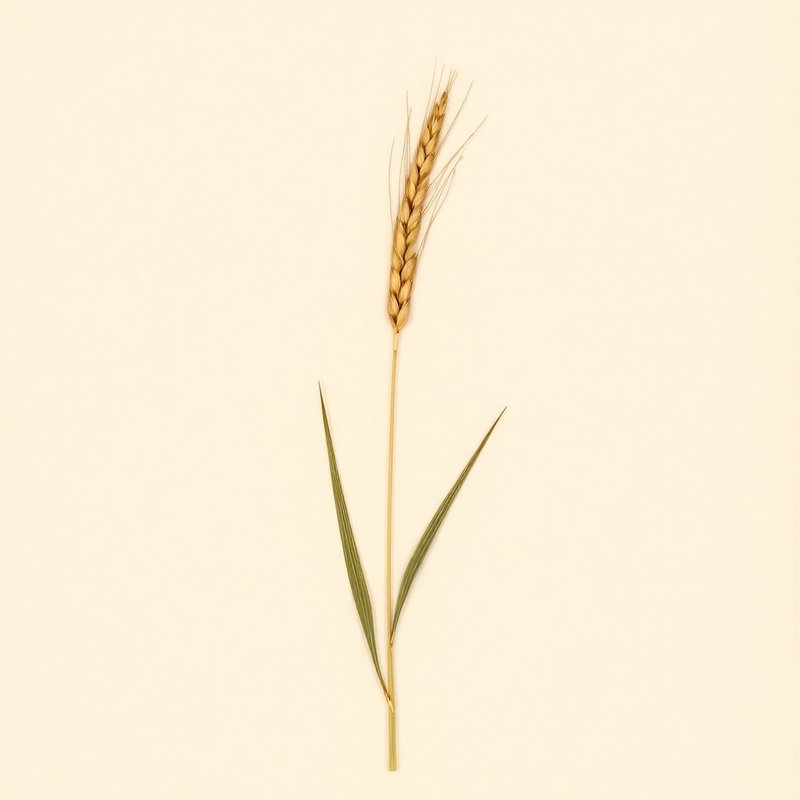
8 relatedPlants you might compare or use together — scored by shared family (Poaceae), common use cases, and growing requirements.
Explore further
About this entry
- Last updated
- Citation
- How to cite this entry · Submit a correction
Continue reading
Get archive updates
Occasional email when substantial new content lands — plant profiles, seasonal growing notes, folk-remedy additions. Free, no tracking, unsubscribe anytime.