
Mountain Rye
Secale strictumfam. Poaceae
Educational content — not medical, botanical, or professional advice. Plant identification, safety, and edibility depend on local conditions, cultivars, and correct identification. Consult a qualified botanist or forager before consuming or handling wild specimens. How we source & review →
Garden journal pausedUse profile notes below
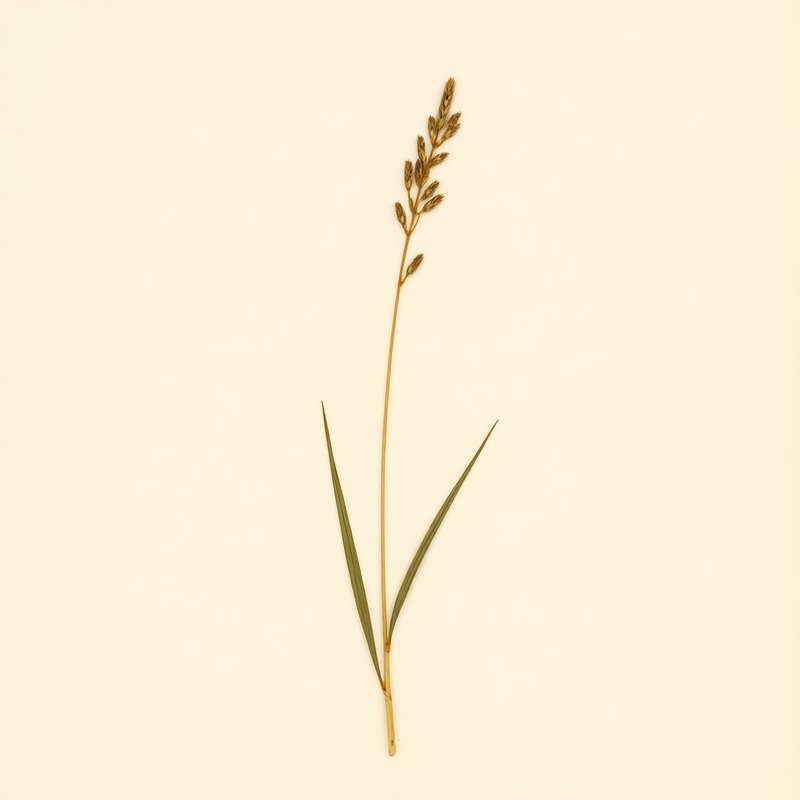
Pl. 7D9C — Secale strictum
Secale strictumSecale strictumSecale strictumSecale strictumSecale strictumSecale strictumSecale strictumSecale strictumSecale strictumSecale strictumSecale strictumSecale strictumSecale strictumSecale strictum
IOverview
Overview
Mountain Rye (Secale strictum), a perennial grass belonging to the Poaceae family, is native to regions including Albania, Bulgaria, Greece, Iran, Iraq, Italy, Lebanon-Syria, Libya, Morocco, North Caucasus, Pakistan, Romania, Sicilia, Spain, Transcaucasus, Turkey, and Yugoslavia. This plant thrives in moist environments with light to heavy soil types and can tolerate a pH range from 4.5 to 8.2, making it adaptable to various growing conditions within hardiness zones 3-7. Mountain Rye is known for its edible seeds, which are often used raw or cooked in soups or ground into flour for baking. The seeds can also be dried and stored for later use. This perennial grass grows up to 1.2 meters tall and features a bunch growth form with fine foliage that remains green throughout the growing season. Its distinctive light-to-medium texture and rapid growth rate make it an attractive addition to gardens and landscapes, serving both ornamental and edible purposes. While primarily used as an ornamental or food source, Mountain Rye's adaptability to various soil types and its ability to grow in hardiness zones 3-7 contribute to its value for gardeners and horticulturists. However, caution should be exercised when handling the plant, as some parts may contain compounds that could cause skin irritation or other sensitivities.
Quick answers
What is Mountain Rye?
Mountain Rye (Secale strictum), a perennial grass belonging to the Poaceae family, is native to regions including Albania, Bulgaria, Greece, Iran, Iraq, Italy, Lebanon-Syria, Libya, Morocco, North Caucasus, Pakistan, Romania, Sicilia, Spain, Transcaucasus, Turkey, and Yugoslavia.
Growingconditions · propagation · uses
VCultivation
Cultivation
Mountain Rye thrives in moist conditions and prefers light (sandy), medium, or heavy (clay) soils with a pH range of 4.5 to 8.2. It is hardy in temperate regions from zones 3-7 and can grow up to 1.2 meters tall. This perennial plant requires full sun to partial shade for optimal growth. For propagation, seeds can be sown directly in the garden after the last frost. Harvest the edible parts by collecting the seeds when they are ripe.
Light
9/10
Water
Moist
Soil
Light (sandy), Medium, Heavy (clay)
Hardiness
3-7
Life cycle
Perennial
Habit
Graminoid
Mature size
1.2 m tall
Soil pH
4.5–8.2
Seasonal calendar
Northern hemisphere · UTC month is November
winterspringsummerautumnwinter
BloomJFMAMJJASOND
For first-time growers
How to grow Mountain Rye for the first time
8steps
Mountain Rye is a hardy, low-maintenance plant that's perfect for beginners looking to try their hand at growing grains.
- 1
What you'll need
A packet of Mountain Rye seeds and a garden plot or container with good drainage.
- 2
Best time to plant
Plant in early spring as soon as the soil can be worked, or in late summer for a fall harvest.
- 3
Soil and container prep
Ensure your soil is well-draining and has a pH between 4.5 and 8.2; amend with compost if necessary.
- 4
Sowing or transplanting
Sow seeds directly into the ground, spacing them about 10 cm apart in rows 30-45 cm apart.
- 5
First two weeks
Keep the soil consistently moist and mulch lightly to retain moisture and suppress weeds.
- 6
Ongoing care
Water regularly but avoid overwatering; fertilize sparingly if needed. Monitor for pests and diseases.
- 7
Harvest or pruning
Prune any dead or yellowing leaves to encourage healthy growth, and harvest the seeds when they turn brown.
- 8
Common mistakes
Overwatering, planting too close together, neglecting to mulch, and not providing enough light.
VIEdible & utility
Edible & utility
Edible parts:Seed
Edible uses: The Mountain Rye's seeds are edible and can be consumed raw or cooked. They are often used in soups or ground into flour for baking. The seeds can also be dried and stored for later use.
Contextrange · companions · related
VIIDistribution
17 native · 132 introduced
Distribution
17 native · 132 introducedDistribution across4 continents· 17 native· 132 introduced
Europe19 regions
native (7)AlbaniaBulgariaGreeceItalyRomaniaRussiaSpain
introduced (12)AustriaBelarusBelgiumCyprusFranceIrelandItalyRussiaSpainSwitzerlandUkraineUnited Kingdom
Asia20 regions
native (4)IranIraqPakistanTurkey
introduced (16)AfghanistanBangladeshChinaGeorgiaIranIraqJapanKazakhstanMongoliaPakistanPalestineSaudi ArabiaSouth KoreaTaiwanTurkmenistanUzbekistan
Americas5 regions
introduced (5)ColombiaCosta RicaEcuadorGreenlandUnited States
Africa6 regions
native (2)LibyaMorocco
introduced (4)AlgeriaLibyaMoroccoTanzania
Broader regions
native:Lebanon-Syria, Transcaucasus, Yugoslavia
introduced:Alabama, Alberta, Amur, Arizona, Arkansas, Baltic States, Brazil South, British Columbia, California, Colorado, Connecticut, Czechoslovakia, District of Columbia, East Himalaya, Florida, Gulf of Guinea Is., Idaho, Illinois, Indiana, Iowa, Jawa, Kamchatka, Kansas, Kentucky, Khabarovsk, Kirgizstan, Lebanon-Syria, Louisiana, Maine, Manitoba, Maryland, Masachusettes, Mexico Central, Mexico Gulf, Mexico Northeast, Mexico Southwest, Michigan, Minnesota, Mississippi, Missouri, Montana, Nebraska, Nevada, New Brunswick, New Hampshire, New Jersey, New Mexico, New South Wales, New York, New Zealand North, New Zealand South, Newfoundland, North Carolina, North Dakota, Northwest Territorie, Nova Scotia, Ohio, Ontario, Oregon, Pennsylvania, Primorye, Prince Edward I., Québec, Rhode I., Saskatchewan, South Australia, South Carolina, South Dakota, Tadzhikistan, Tasmania, Tennessee, Texas, Transcaucasus, Turkey-in-Europe, Utah, Vermont, Victoria, Virginia, Washington, West Himalaya, Western Australia, Wisconsin, Wyoming, Yukon
IXSpecimen gallery
1 image
Specimen gallery
1 imageXSee also
8 related
See also
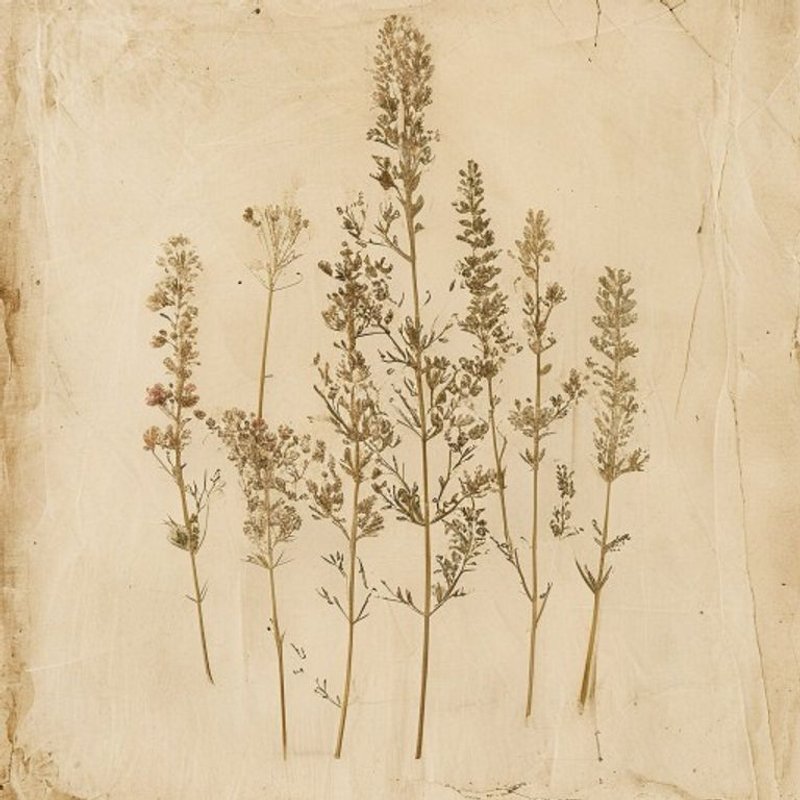
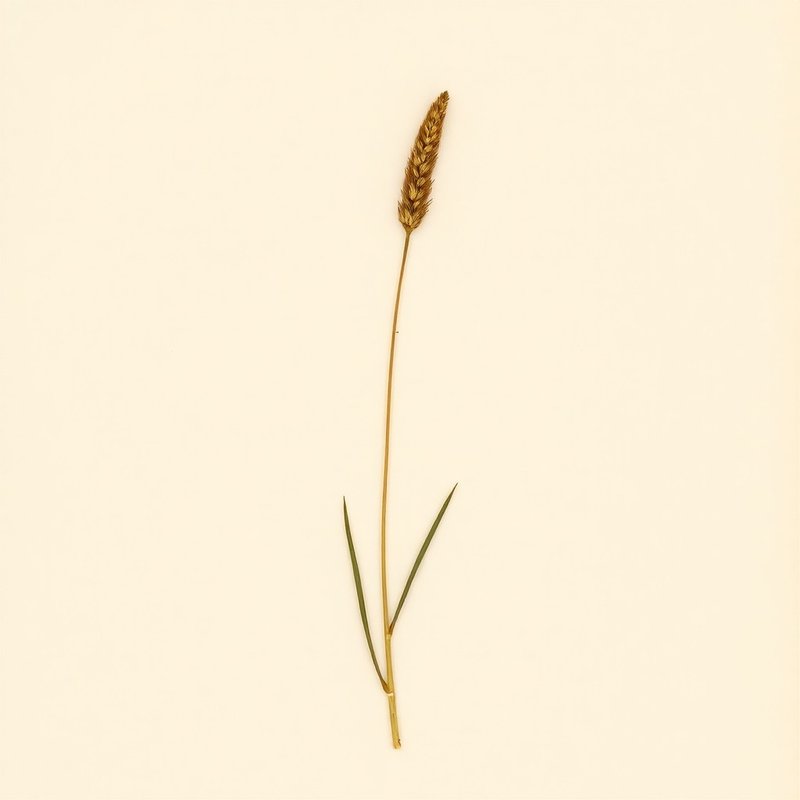
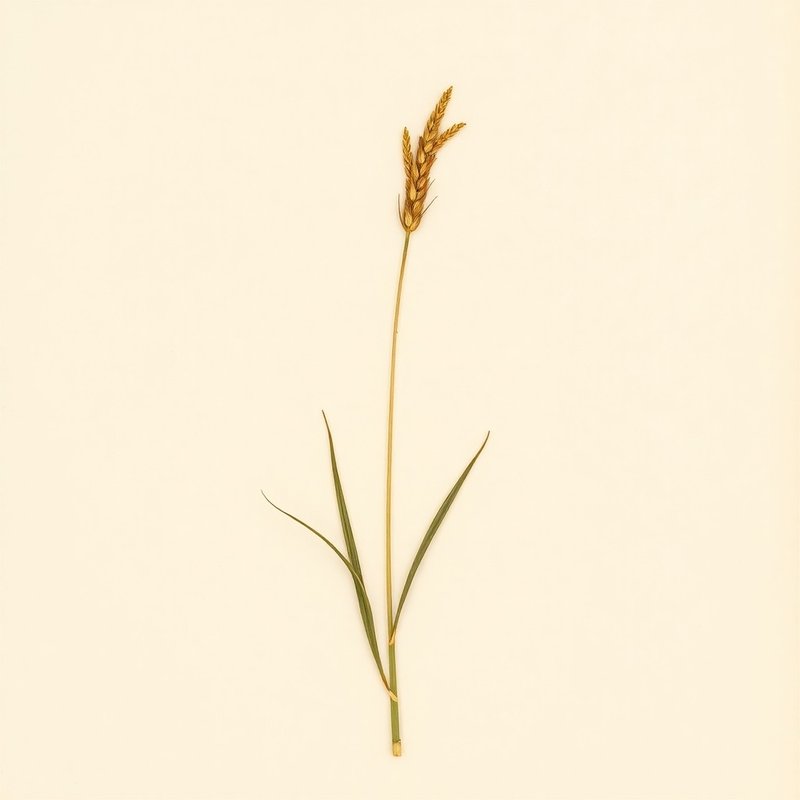
8 relatedPlants you might compare or use together — scored by shared family (Poaceae), common use cases, and growing requirements.
same family · Poaceae
Botanical relatives — often share phytochemistry + growing needs.

XI
Explore further
Companion planting
Compare with similar plants
Growing zone
XII
About this entry
- Last updated
- Citation
- How to cite this entry · Submit a correction
Back to the cataloguePlant id · 7d9c3f0e-73e9-4265-b853-e5f392764bed
Decision aid
Choosing between Mountain Rye and something else?
Continue reading
❦❦❦❦
Endpaper · archive updates
Get archive updates
Occasional email when substantial new content lands — plant profiles, seasonal growing notes, folk-remedy additions. Free, no tracking, unsubscribe anytime.
Newsletter returning soon.
We are rebuilding the update list around a lightweight editorial workflow. New dispatches will resume after the next content review cycle.