
Iron Cross Plant
Oxalis deppeifam. Fumariaceae
Educational content — not medical, botanical, or professional advice. Plant identification, safety, and edibility depend on local conditions, cultivars, and correct identification. Consult a qualified botanist or forager before consuming or handling wild specimens. How we source & review →
Garden journal pausedUse profile notes below
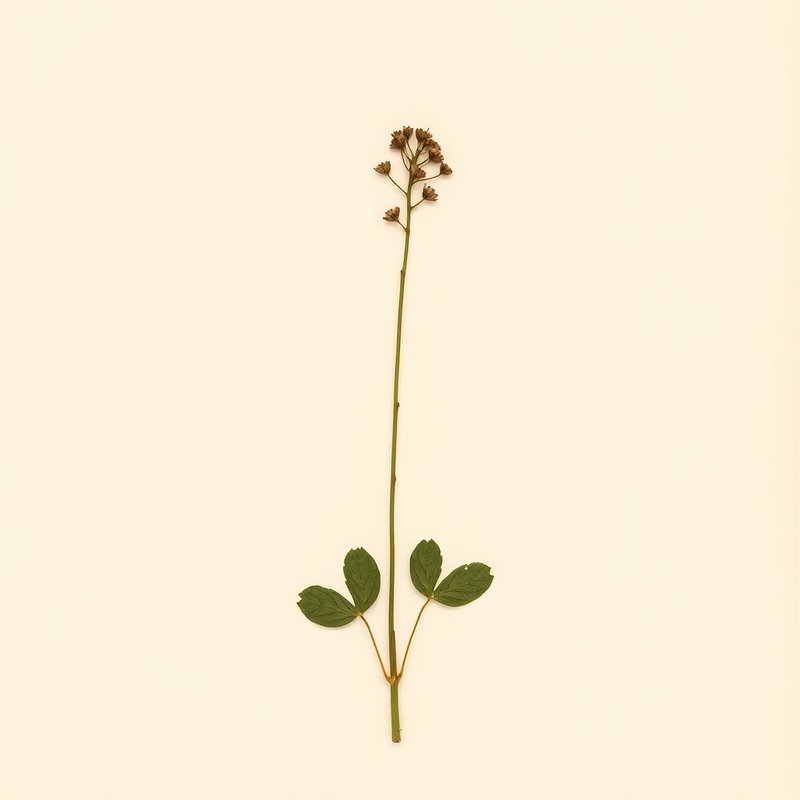
Pl. 8938 — Oxalis deppei
Oxalis deppeiOxalis deppeiOxalis deppeiOxalis deppeiOxalis deppeiOxalis deppeiOxalis deppeiOxalis deppeiOxalis deppeiOxalis deppeiOxalis deppeiOxalis deppeiOxalis deppeiOxalis deppei
IOverview
Overview
The Iron Cross Plant (Oxalis deppei), a member of the Fumariaceae family, is native to regions including El Salvador, Guatemala, and various parts of Mexico such as Central, Gulf, Northeast, Southeast, Southwest, and Panama. This plant thrives in full sun and prefers moist conditions with light or medium soil, growing up to 0.3 meters tall. Its common name likely refers to the cross-like pattern on its leaves, making it a visually interesting addition to gardens. The Iron Cross Plant is edible, with all parts—flowers, leaves, and roots—being consumable. Typically, the leaves and flowers can be eaten raw in salads or cooked as a vegetable, while the roots can also be consumed after cooking. However, it's recommended not to process them into dried forms or teas. This plant has been introduced into regions such as Assam, Austria, Cameroon, France, Great Britain, India, Jawa, Korea, Réunion, Vietnam, West Himalaya, and Yugoslavia, expanding its reach beyond its native range. While the Iron Cross Plant is primarily known for its edible qualities, it can also serve as an ornamental addition to gardens due to its distinctive cross-like leaf pattern. It grows well in USDA hardiness zones 7-10, making it suitable for temperate regions where consistent moisture and full sun are provided. However, care should be taken to ensure the soil remains consistently moist but not overly waterlogged to prevent root rot.
Quick answers
What is Iron Cross Plant?
The Iron Cross Plant (Oxalis deppei), a member of the Fumariaceae family, is native to regions including El Salvador, Guatemala, and various parts of Mexico such as Central, Gulf, Northeast, Southeast, Southwest, and Panama.
Growingconditions · propagation · uses
VCultivation
Cultivation
Iron Cross Plant thrives in full sun and prefers moist, light to medium soil. It grows well in USDA hardiness zones 7-10, making it suitable for temperate regions. The plant reaches a height of about 0.3 meters and is edible, with all parts—flowers, leaves, and roots—being consumable. Ensure the soil remains consistently moist but avoid overwatering to prevent root rot.
Light
Full sun
Water
Moist
Soil
Light (sandy), Medium
Hardiness
7-10
Mature size
0.3 m tall
For first-time growers
How to grow Iron Cross Plant for the first time
8steps
Start with Iron Cross Plant to experience growing a tropical beauty without much fuss.
- 1
What you'll need
Iron Cross Plant seeds or small plants, potting soil, containers with drainage holes.
- 2
Best time to plant
Plant in spring when temperatures are consistently above 15°C (60°F).
- 3
Soil and container prep
Use a well-draining potting mix. Containers should be at least 20 cm (8 inches) wide.
- 4
Sowing or transplanting
Direct sow seeds in the soil surface, or transplant small plants gently to avoid damaging roots.
- 5
First two weeks
Keep the soil moist but not waterlogged. Place the container in a sunny spot, ensuring it receives full sun.
- 6
Ongoing care
Water when the top inch of soil feels dry. Fertilize every 4-6 weeks with a balanced liquid fertilizer.
- 7
Harvest or pruning
Prune dead leaves and spent flowers to encourage new growth and maintain plant health.
- 8
Common mistakes
Overwatering, planting in heavy soil, not providing enough sunlight, neglecting fertilization.
VIEdible & utility
Edible & utility
Edible parts:FlowersLeavesRoot
Edible uses: The Iron Cross Plant's leaves, flowers, and roots are all edible. Typically, the leaves and flowers can be eaten raw in salads or cooked as a vegetable. The roots can also be consumed after cooking. Skip processing them into dried forms or teas.
Contextrange · companions · related
VIIDistribution
8 native · 12 introduced
Distribution
8 native · 12 introducedDistribution across4 continents· 8 native· 12 introduced
Europe3 regions
introduced (3)AustriaFranceUnited Kingdom
Asia3 regions
introduced (3)IndiaSouth KoreaVietnam
Americas2 regions
native (2)El SalvadorGuatemala
Africa1 region
introduced (1)Cameroon
Broader regions
native:Mexico Central, Mexico Gulf, Mexico Northeast, Mexico Southeast, Mexico Southwest, Panamá
introduced:Jawa, Réunion, West Himalaya, Yugoslavia
IXSpecimen gallery
1 image
Specimen gallery
1 imageXSee also
5 related
See also
5 relatedPlants you might compare or use together — scored by shared family (Fumariaceae), common use cases, and growing requirements.
same family · Fumariaceae
Botanical relatives — often share phytochemistry + growing needs.


XI
Explore further
Companion planting
Compare with similar plants
Growing zone
Native to
XII
About this entry
- Last updated
- Citation
- How to cite this entry · Submit a correction
Back to the cataloguePlant id · 8938378b-c24c-457b-8e09-d62413bf2e23
Decision aid
Choosing between Iron Cross Plant and something else?
Continue reading
❦❦❦❦
Endpaper · archive updates
Get archive updates
Occasional email when substantial new content lands — plant profiles, seasonal growing notes, folk-remedy additions. Free, no tracking, unsubscribe anytime.
Newsletter returning soon.
We are rebuilding the update list around a lightweight editorial workflow. New dispatches will resume after the next content review cycle.