
Redwood Sorrel
Oxalis oreganafam. Fumariaceae
Educational content — not medical, botanical, or professional advice. Plant identification, safety, and edibility depend on local conditions, cultivars, and correct identification. Consult a qualified botanist or forager before consuming or handling wild specimens. How we source & review →
Garden journal pausedUse profile notes below
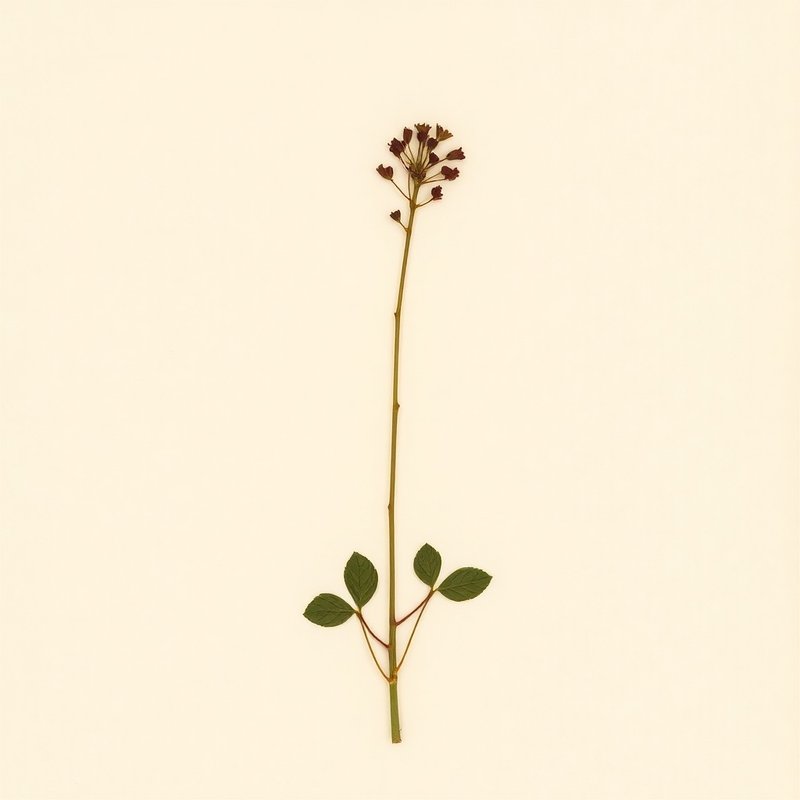
Pl. 8DA9 — Oxalis oregana
Oxalis oreganaOxalis oreganaOxalis oreganaOxalis oreganaOxalis oreganaOxalis oreganaOxalis oreganaOxalis oreganaOxalis oreganaOxalis oreganaOxalis oreganaOxalis oreganaOxalis oreganaOxalis oregana
IOverview
Overview
Redwood Sorrel (Oxalis oregana) is a perennial herb native to the Pacific Northwest, thriving from British Columbia to California and into Oregon and Washington. This plant belongs to the Fumariaceae family and can be found in various habitats that offer moist conditions with varying light levels—ranging from full sun to partial shade. The leaves of Redwood Sorrel are heart-shaped and arranged in a clover-like pattern, making it easily recognizable. It grows up to 0.2 meters tall, adding an attractive ground cover to gardens or natural landscapes. Both the flowers and leaves of this plant are edible, offering a tangy flavor reminiscent of sorrel. The leaves can be used fresh in salads or as garnishes, while the flowers add a decorative touch when added raw to salads. Redwood Sorrel is well-suited for temperate regions with hardiness zones 6-9, making it an ideal choice for gardeners looking to incorporate a low-maintenance, edible perennial into their landscapes. While not traditionally used medicinally, its presence in the garden can provide both aesthetic and culinary benefits. When handling or consuming Redwood Sorrel, it is important to be cautious as all parts of the plant contain oxalic acid, which can irritate sensitive skin and should be consumed in moderation.
Quick answers
What is Redwood Sorrel?
Redwood Sorrel (Oxalis oregana) is a perennial herb native to the Pacific Northwest, thriving from British Columbia to California and into Oregon and Washington.
Growingconditions · propagation · uses
VCultivation
Cultivation
Redwood Sorrel thrives in partial sun to full shade and prefers moist soil that is light (sandy), medium, or heavy (clay). It is hardy in zones 6-9 and can be propagated through division or seed sowing. This perennial grows to about 0.2 meters tall and is native to British Columbia, California, Oregon, and Washington. The edible parts include the flowers and leaves, making it a useful addition to gardens and landscapes in temperate regions.
Light
Full sun, Partial sun/shade, Full shade
Water
Moist
Soil
Light (sandy), Medium, Heavy (clay)
Hardiness
6-9
Life cycle
Perennial
Habit
Forb/herb
Mature size
0.2 m tall
For first-time growers
How to grow Redwood Sorrel for the first time
8steps
Start with Redwood Sorrel as a simple, low-maintenance addition to your garden.
- 1
What you'll need
Redwood Sorrel seeds or young plants, a small trowel, and a watering can.
- 2
Best time to plant
Plant Redwood Sorrel in spring after the last frost or in fall before the first freeze.
- 3
Soil and container prep
Ensure your soil is well-draining with a pH between 6.0 and 7.5, and prepare containers at least 15 cm deep.
- 4
Sowing or transplanting
Direct sow seeds 2-3 mm deep in the garden bed or transplant young plants, spacing them about 15 cm apart.
- 5
First two weeks
Keep soil consistently moist and provide partial shade to help seedlings establish.
- 6
Ongoing care
Water regularly, especially during dry spells. Mulch around the base for moisture retention and weed control.
- 7
Harvest or pruning
Prune dead leaves and stems to encourage new growth and maintain a tidy appearance.
- 8
Common mistakes
Overwatering, planting in heavy clay soil, and not providing enough shade are common issues beginners should avoid.
VIEdible & utility
Edible & utility
Edible parts:FlowersLeaves
Edible uses: Redwood Sorrel is a perennial plant that can be eaten, with both its leaves and flowers being edible. The leaves are often used fresh in salads or as a garnish due to their tangy flavor. The flowers can also be added raw to salads for a decorative touch and a mild sorrel taste.
Other uses:Ground cover
Contextrange · companions · related
VIIDistribution
4 native · 0 introduced
Distribution
4 native · 0 introducedDistribution across0 continents· 4 native
Broader regions
native:British Columbia, California, Oregon, Washington
IXSpecimen gallery
1 image
Specimen gallery
1 imageXSee also
5 related
See also
5 relatedPlants you might compare or use together — scored by shared family (Fumariaceae), common use cases, and growing requirements.
same family · Fumariaceae
Botanical relatives — often share phytochemistry + growing needs.


XI
Explore further
Companion planting
Compare with similar plants
Growing zone
Native to
XII
About this entry
- Last updated
- Citation
- How to cite this entry · Submit a correction
Back to the cataloguePlant id · 8da9d9bd-d813-4ef3-a2b9-f70359f4c6f5
Decision aid
Choosing between Redwood Sorrel and something else?
Continue reading
❦❦❦❦
Endpaper · archive updates
Get archive updates
Occasional email when substantial new content lands — plant profiles, seasonal growing notes, folk-remedy additions. Free, no tracking, unsubscribe anytime.
Newsletter returning soon.
We are rebuilding the update list around a lightweight editorial workflow. New dispatches will resume after the next content review cycle.