
Yellow Wood Sorrel
IOverview
Overview
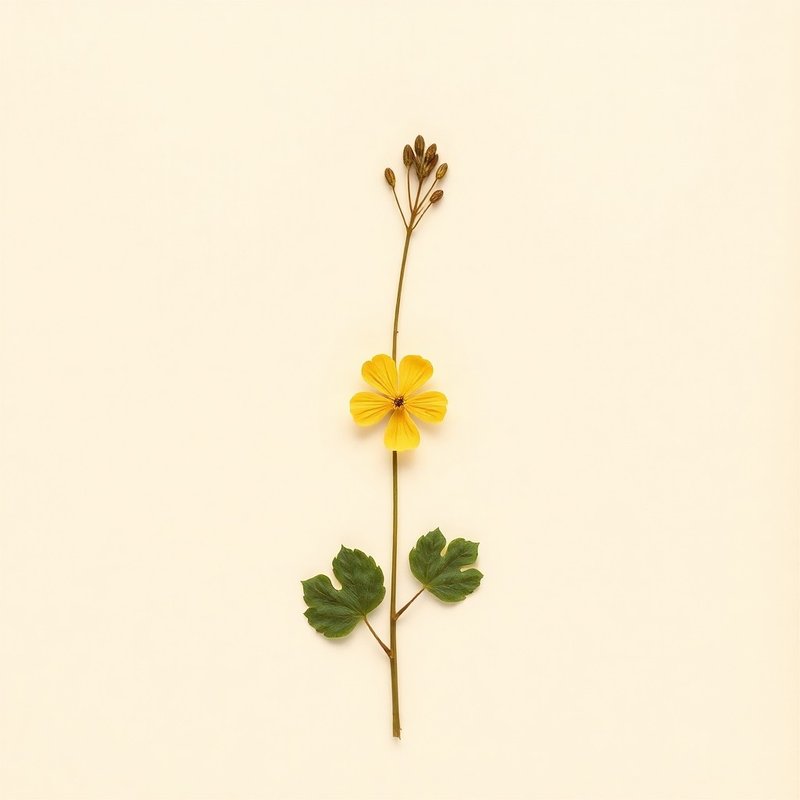
Yellow Wood Sorrel (Oxalis stricta) is an annual plant belonging to the family Fumariaceae. Native to a wide range of regions including Alabama, Arkansas, British Columbia, China, Colorado, Connecticut, and parts of North America and Asia, this plant can be found from Canada to the southern United States and into Mexico. It thrives in light to full sun and prefers soil that is either dry or moist, with medium texture such as sandy or loamy conditions. Yellow Wood Sorrel is known for its edible leaves, flowers, roots, and seedpods, making it a valuable addition to gardens or natural settings. Its distinctive feature includes bright yellow clover-like foliage, which sets it apart from other plants. This plant can be cultivated for culinary use, with parts of the plant being harvested throughout the growing season. While Yellow Wood Sorrel is not medicinal, it does have ornamental and utility value as a dye source. However, it should be noted that this plant has weed potential in some areas due to its invasive nature. For cultivation, ensure well-draining soil capable of retaining moisture, and propagate through seeds for best results. This adaptable annual can grow up to 0.3 meters tall and is hardy in temperate regions.
What is Yellow Wood Sorrel?
Yellow Wood Sorrel (Oxalis stricta) is an annual plant belonging to the family Fumariaceae.
VCultivation
Cultivation
How to grow Yellow Wood Sorrel for the first time
Start with Yellow Wood Sorrel as a simple, low-maintenance addition to your garden.
- 1
What you'll need
Seeds or young plants, small pots if starting indoors.
- 2
Best time to plant
Plant in spring after the last frost or in fall before the first freeze.
- 3
Soil and container prep
Use well-draining soil with a pH between 6.0 and 7.5, ensuring containers have drainage holes.
- 4
Sowing or transplanting
Direct sow seeds 1/2 inch deep; for transplants, space young plants about 8 inches apart.
- 5
First two weeks
Keep soil moist but not waterlogged. Provide light shade if direct sun is intense.
- 6
Ongoing care
Water when the top inch of soil feels dry. Mulch to retain moisture and suppress weeds.
- 7
Harvest or pruning
Prune back any yellowing leaves to encourage new growth; harvest young leaves and flowers for use in salads.
- 8
Common mistakes
Overwatering, planting in heavy soil, not providing enough light, neglecting to mulch.
VIEdible & utility
Edible & utility
VIIDistribution
56 native · 50 introduced
Distribution
56 native · 50 introducedIXSpecimen gallery
1 image
Specimen gallery
1 imageXSee also
5 related
See also
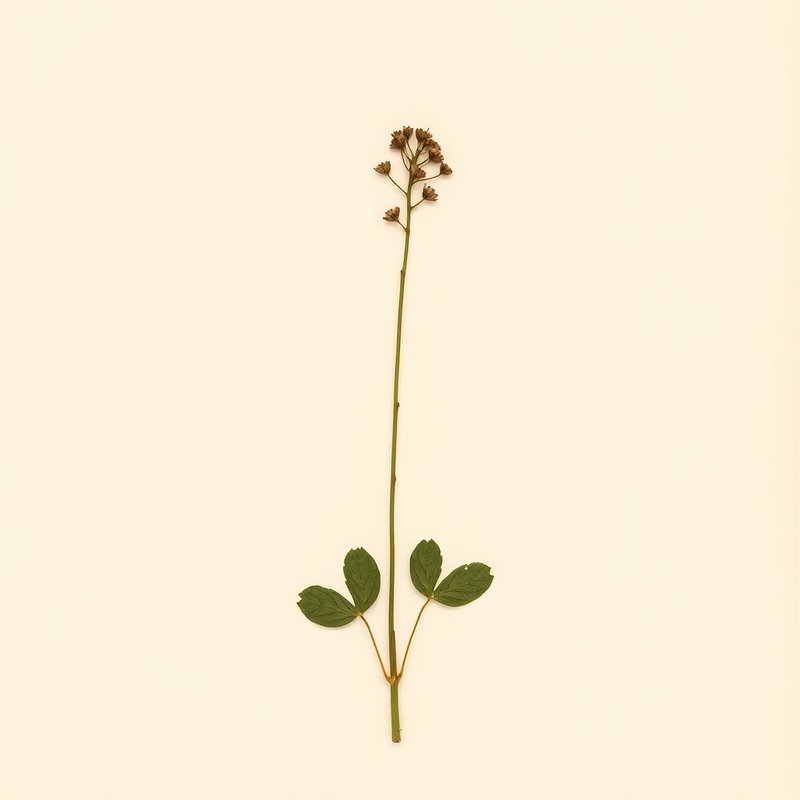
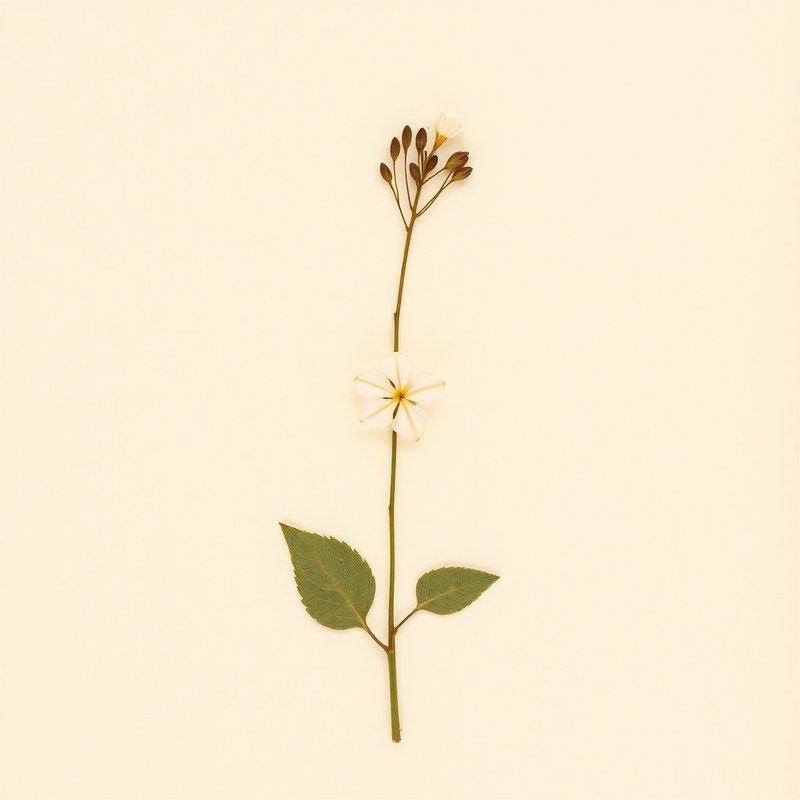
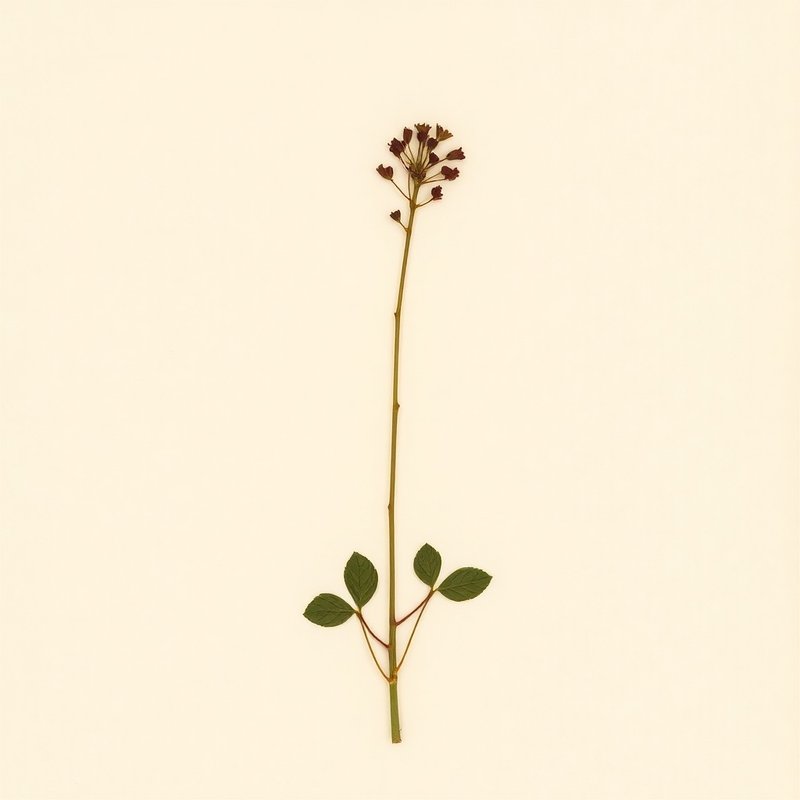
5 relatedPlants you might compare or use together — scored by shared family (Fumariaceae), common use cases, and growing requirements.


Explore further
About this entry
- Last updated
- Citation
- How to cite this entry · Submit a correction
Continue reading
Get archive updates
Occasional email when substantial new content lands — plant profiles, seasonal growing notes, folk-remedy additions. Free, no tracking, unsubscribe anytime.