
Pelargonium acetosum
IOverview
Overview
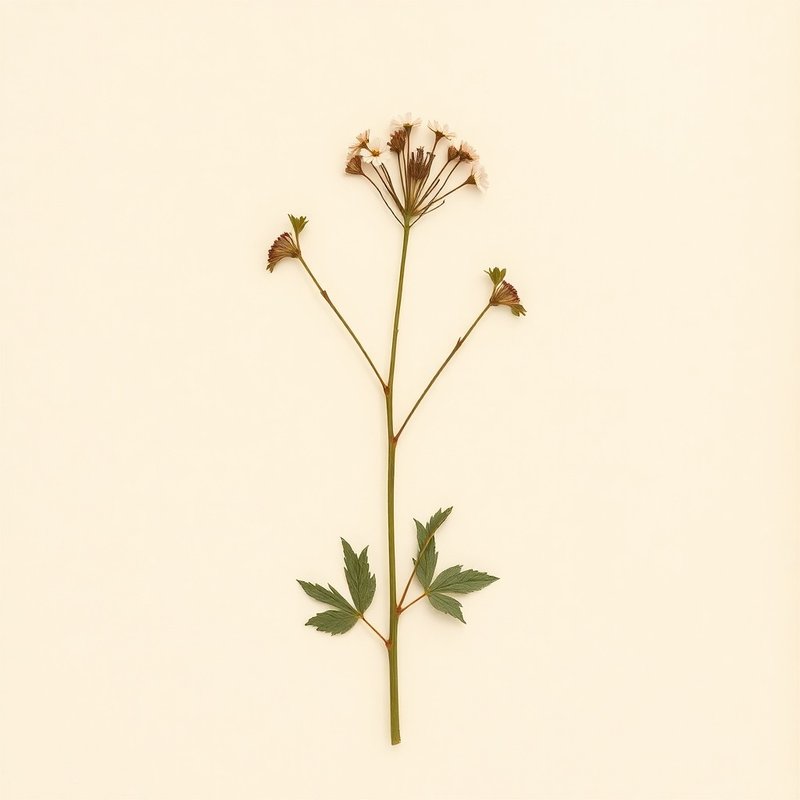
Pelargonium acetosum, commonly known as Cape scented geranium, is a member of the Geraniaceae family and is native to the Cape Provinces in South Africa. This plant thrives in full sun and can tolerate both dry and moist conditions, making it adaptable to various soil types, including light (sandy) and medium soils. Standing at about 0.6 meters tall, it is valued for its edible leaves, which are often used in culinary applications due to their tangy flavor. The leaves can be consumed fresh in salads or added to teas for a light, refreshing taste. Ornamentally, the plant is appreciated for its fragrant foliage, which adds a delightful touch to gardens and landscapes. While hardiness information isn't provided, it generally does well in temperate regions. Traditional-use notes suggest that Pelargonium acetosum is used in herbal sources around after-meal comfort traditions, often as a tea. PlantSage presents this as ethnobotanical context, not as medical advice.
What is Pelargonium acetosum?
Pelargonium acetosum, commonly known as Cape scented geranium, is a member of the Geraniaceae family and is native to the Cape Provinces in South Africa. This plant thrives in full sun and can tolerate both dry and moist conditions, making it adaptable to various soil types, including light (sandy) and medium soils.
What is Pelargonium acetosum used for?
Traditionally used for digestion. Each claim is evidence-rated — see Section II for full citations.
IIBenefits & evidence
1 claim · traditional-use context
Benefits & evidence
1 claim · traditional-use context- Traditional-use note: Pelargonium acetosum appears in herbal sources around after-meal comfort traditions, often as a tea. PlantSage presents this as ethnobotanical context, not as medical advice.
Traditional context only. This reviewed claim keeps the original low confidence level, but avoids treatment, disease, dosage, or guaranteed-effect language.
▲ LimitedDigestion →
IV·bMixology suggestions
1 draft
Mixology suggestions
1 draftVCultivation
Cultivation
How to grow Pelargonium acetosum for the first time
Pelargonium acetosum is a straightforward plant for beginners to grow, focusing on basic care and maintenance.
- 1
What you'll need
A small pot or garden bed, seeds or young plants, good quality soil.
- 2
Best time to plant
Plant in spring when the weather starts warming up.
- 3
Soil and container prep
Use a well-draining mix for containers; prepare garden beds with loose, sandy soil.
- 4
Sowing or transplanting
Direct sow seeds outdoors after all danger of frost has passed; transplant young plants if needed.
- 5
First two weeks
Water sparingly to avoid rotting the roots; keep in a sunny spot but protect from strong winds.
- 6
Ongoing care
Provide full sun and water only when soil feels dry; prune occasionally for shape and health.
VIEdible & utility
Edible & utility
VIIDistribution
1 native · 0 introduced
Distribution
1 native · 0 introducedIXSpecimen gallery
1 image
Specimen gallery
1 imageXSee also
8 related
See also
8 relatedPlants you might compare or use together — scored by shared family, common use cases, and growing requirements.


Explore further
About this entry
- Last updated
- Citation
- How to cite this entry · Submit a correction
Continue reading
Get archive updates
Occasional email when substantial new content lands — plant profiles, seasonal growing notes, folk-remedy additions. Free, no tracking, unsubscribe anytime.