
Shiso
IOverview
Overview
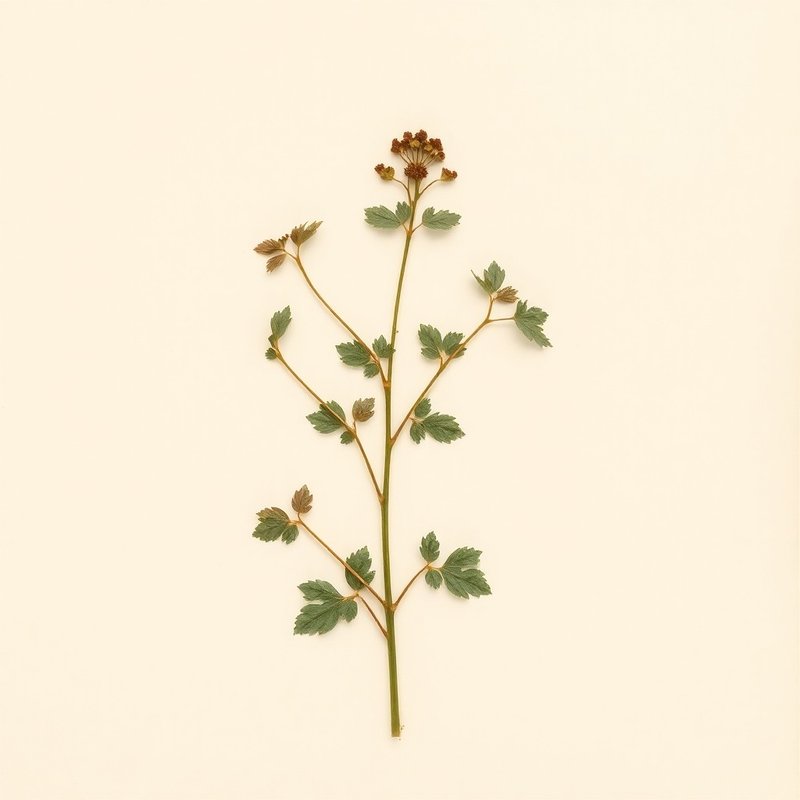
Shiso (Perilla frutescens) is a herbaceous plant native to a wide range of regions including Assam, Bangladesh, China South-Central and Southeast, East and West Himalaya, India, Japan, Jawa, Korea, Laos, Myanmar, Nepal, Primorye, Taiwan, Thailand, and Vietnam. This plant thrives in full sun and prefers moist, well-draining soil that is light (sandy) or medium in texture, growing to a height of about 60 cm and a width of around 50 cm. Hardy in zones 7-10, shiso can be found in gardens and kitchens as a versatile and edible addition, with its leaves, flowers, and seeds being commonly used in cooking. Shiso has a long history of use in East Asian medicine, where it is traditionally employed to aid digestion, particularly for symptoms like bloating and indigestion. Its use is often recommended as a culinary herb or tea. Additionally, shiso is noted for its calming properties, appearing in herbal sources around traditions of stress and anxiety relief, often as a tea. However, it is important to note that these uses are presented as ethnobotanical context and not as medical advice. While shiso is a valuable plant for its culinary and medicinal uses, it is also recognized for its ornamental value, making it a popular choice for gardens and landscaping. Its fast growth and compact size make it suitable for both large and small spaces. However, it should be noted that shiso has the potential to become a weed, so careful management is recommended.
What is Shiso?
Shiso (Perilla frutescens) is a herbaceous plant native to a wide range of regions including Assam, Bangladesh, China South-Central and Southeast, East and West Himalaya, India, Japan, Jawa, Korea, Laos, Myanmar, Nepal, Primorye, Taiwan, Thailand, and Vietnam.
What is Shiso used for?
Traditionally used for digestion, stress & anxiety. Each claim is evidence-rated — see Section II for full citations.
IIBenefits & evidence
2 claims · traditional-use context
Benefits & evidence
2 claims · traditional-use context- Shiso has been traditionally used in East Asian medicine to aid digestion, particularly for symptoms like bloating and indigestion. Its use is often recommended as a culinary herb or tea.
The mechanism by which shiso supports digestive health is not fully characterized but may involve the presence of volatile oils that have carminative properties.
▲ ModerateDigestion → - Traditional-use note: Shiso appears in herbal sources around calming and relaxation traditions, often as a tea. PlantSage presents this as ethnobotanical context, not as medical advice.
Traditional context only. This reviewed claim keeps the original moderate confidence level, but avoids treatment, disease, dosage, or guaranteed-effect language.
▲ ModerateStress & anxiety →
IV·bMixology suggestions
1 draft
Mixology suggestions
1 draftVCultivation
Cultivation
How to grow Shiso for the first time
Start with a simple and manageable approach to growing Shiso, focusing on basic care.
- 1
What you'll need
Seeds or seedlings, containers or garden space, potting soil, water.
- 2
Best time to plant
Plant in spring after the last frost, when temperatures are consistently above 10°C (50°F).
- 3
Soil and container prep
Use well-draining soil with a pH between 6.0 and 7.0. Ensure containers have drainage holes.
- 4
Sowing or transplanting
Direct sow seeds in the garden after danger of frost, or start indoors 4-6 weeks before planting outside.
- 5
First two weeks
Water regularly to keep soil moist but not waterlogged. Monitor for pests and diseases.
- 6
Ongoing care
Provide full sun exposure and regular watering. Fertilize with a balanced fertilizer every 4-6 weeks.
- 7
Harvest or pruning
Prune regularly to encourage bushy growth, harvesting leaves as needed for use in cooking.
VIEdible & utility
Edible & utility
VIIDistribution
18 native · 39 introduced
Distribution
18 native · 39 introducedIXSpecimen gallery
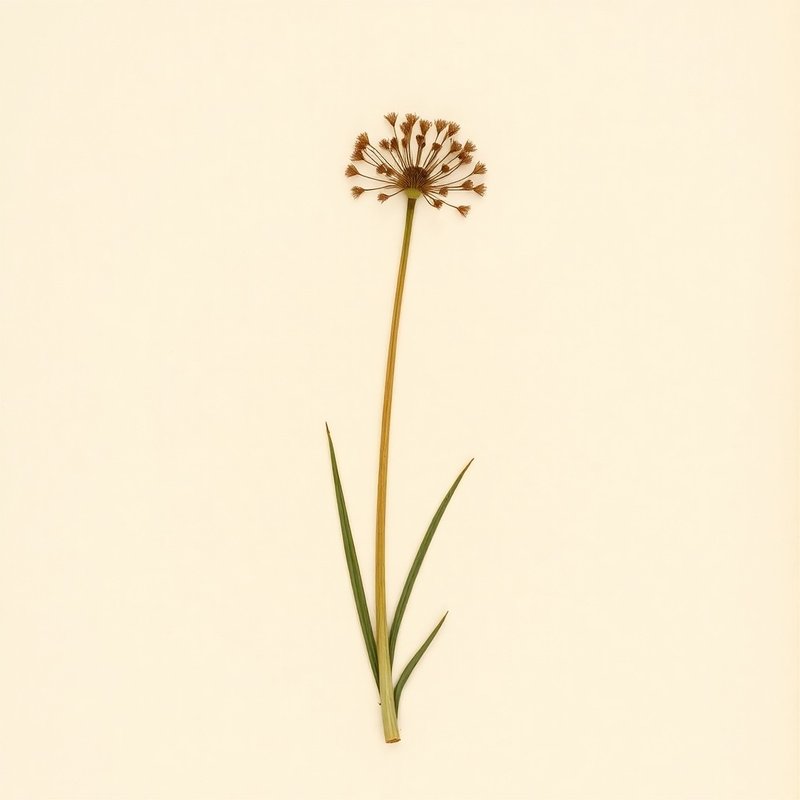
1 image
Specimen gallery
1 imageXSee also
8 related
See also
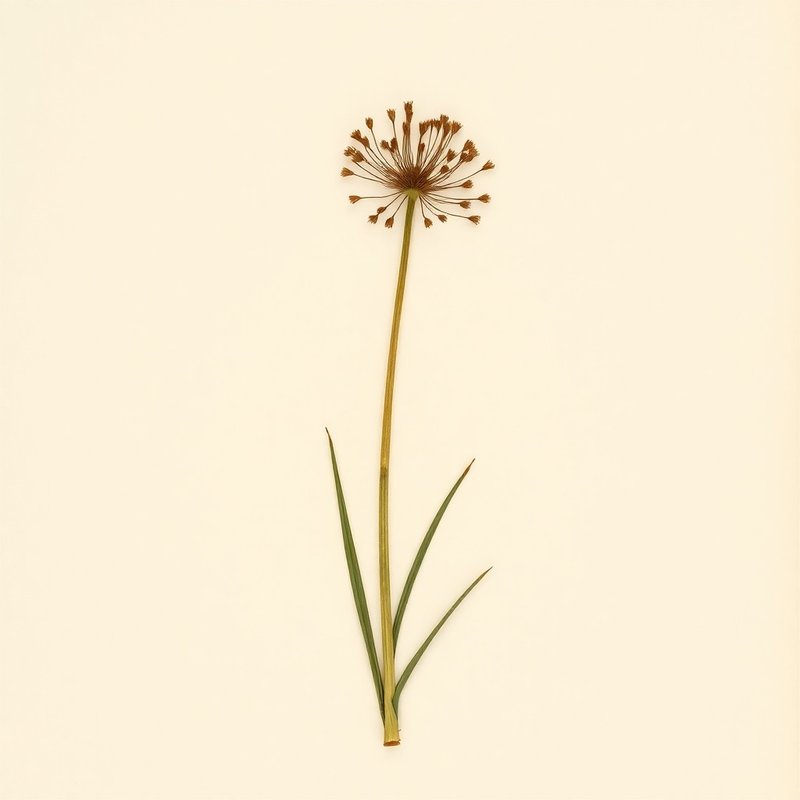
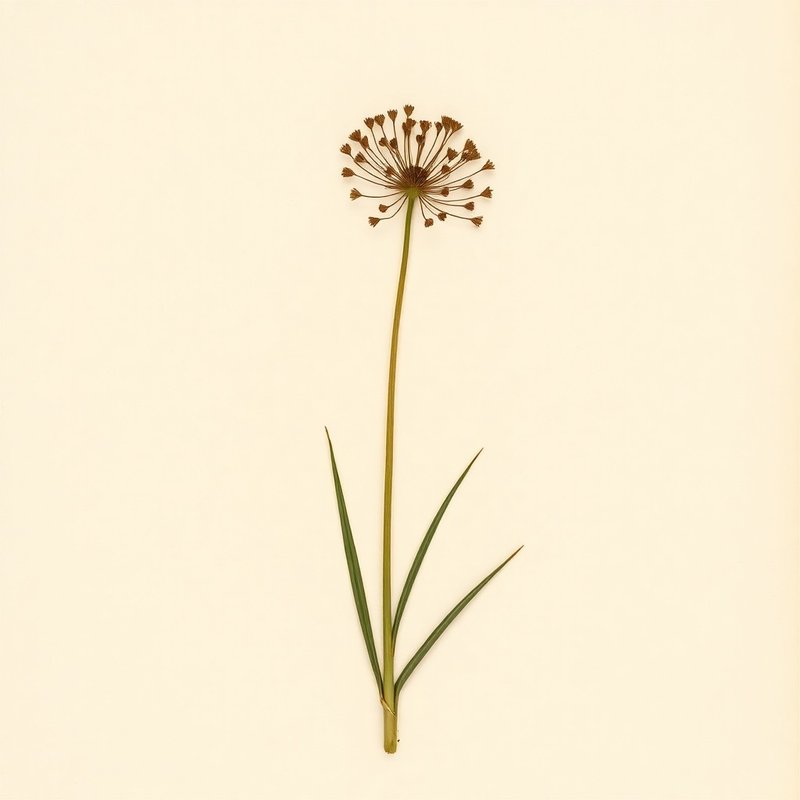
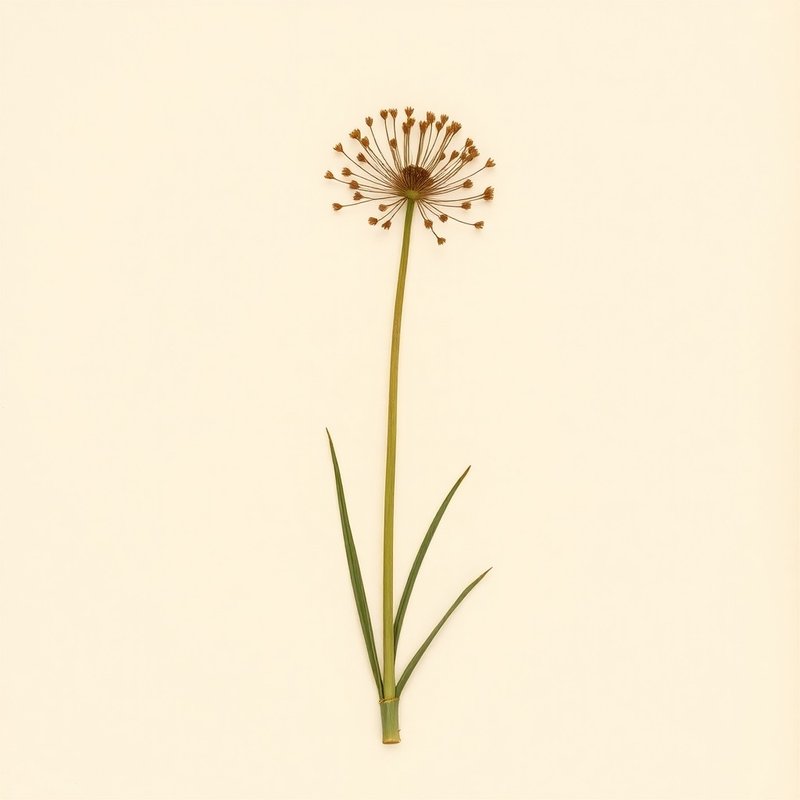
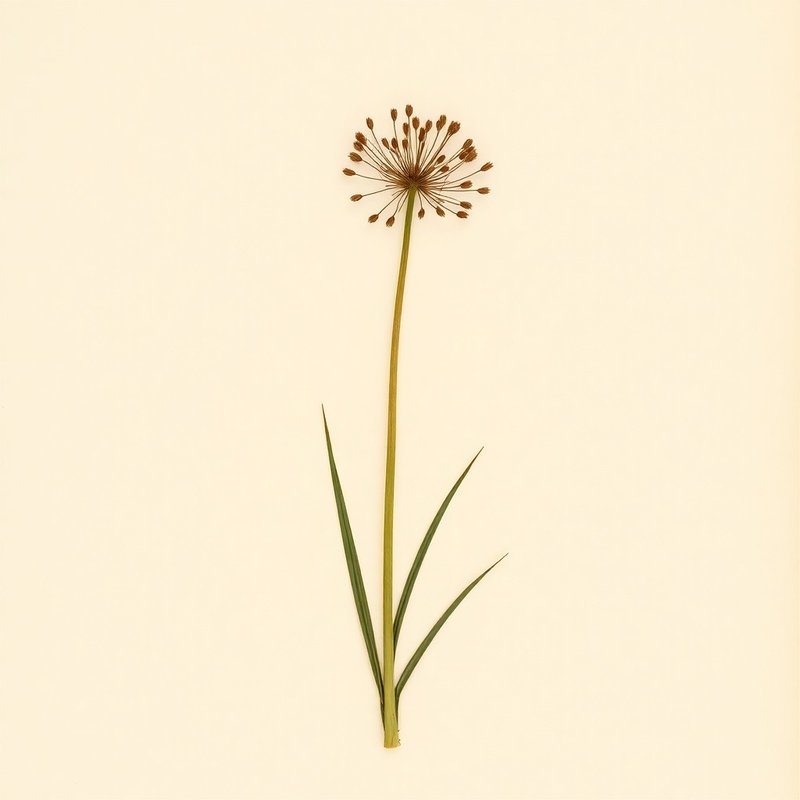
8 relatedPlants you might compare or use together — scored by shared family, common use cases, and growing requirements.
Explore further
About this entry
- Last updated
- Citation
- How to cite this entry · Submit a correction
Continue reading
Get archive updates
Occasional email when substantial new content lands — plant profiles, seasonal growing notes, folk-remedy additions. Free, no tracking, unsubscribe anytime.