
Peucedanum terebinthaceum
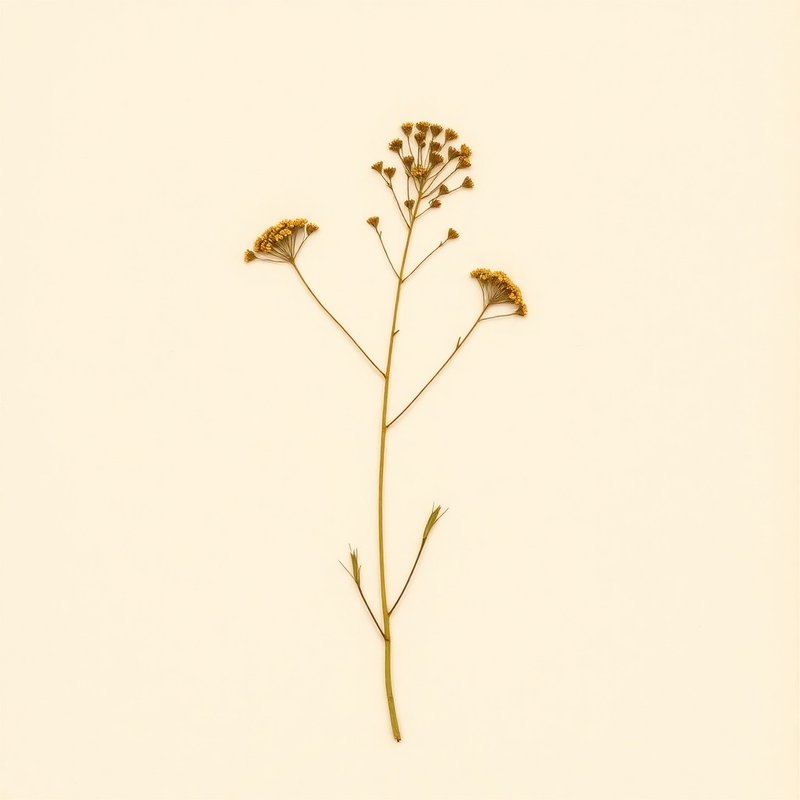
IOverview
Overview
Peucedanum terebinthaceum, a perennial plant belonging to the Apiaceae family, is native to regions including Amur, Buryatiya, China North-Central, Chita, Inner Mongolia, Japan, Khabarovsk, and Korea. This adaptable plant thrives in moist conditions, with soil that can range from light (sandy) to heavy (clay), and can grow up to 0.6 meters in height. Known for its edible leaves, which are often used in salads or added to soups and stews for their mild flavor, P. terebinthaceum also has documented medicinal uses, making it a valuable plant in both culinary and traditional medicine practices. Its ability to grow in partial sun or shade, along with its versatility in soil types, makes it an interesting addition to gardens seeking a multi-purpose perennial. While it is not drought-resistant, its adaptability to various growing conditions ensures its success in temperate regions.
What is Peucedanum terebinthaceum?
Peucedanum terebinthaceum, a perennial plant belonging to the Apiaceae family, is native to regions including Amur, Buryatiya, China North-Central, Chita, Inner Mongolia, Japan, Khabarovsk, and Korea.
VCultivation
Cultivation
How to grow Peucedanum terebinthaceum for the first time
Start with Skip as a simple, low-maintenance perennial for your garden.
- 1
What you'll need
Skip seeds or young plants, gardening gloves, trowel.
- 2
Best time to plant
Plant in spring after the last frost or fall before the first freeze.
- 3
Soil and container prep
Choose a location with light to partial sun. Ensure soil is well-draining, rich in organic matter.
- 4
Sowing or transplanting
Direct sow seeds 0.5 cm deep; space plants about 30 cm apart. Alternatively, plant young skiplings 30-45 cm apart.
- 5
First two weeks
Water regularly to keep soil moist but not waterlogged. Monitor for pests and diseases.
- 6
Ongoing care
Provide consistent moisture; avoid overwatering. Fertilize lightly in spring with compost.
- 7
Harvest or pruning
Prune dead leaves to maintain plant health. Harvest young, tender leaves for culinary use.
- 8
Common mistakes
Overwatering, planting too deep, neglecting to prune.
VIEdible & utility
Edible & utility
VIIDistribution
13 native · 0 introduced
Distribution
13 native · 0 introducedIXSpecimen gallery
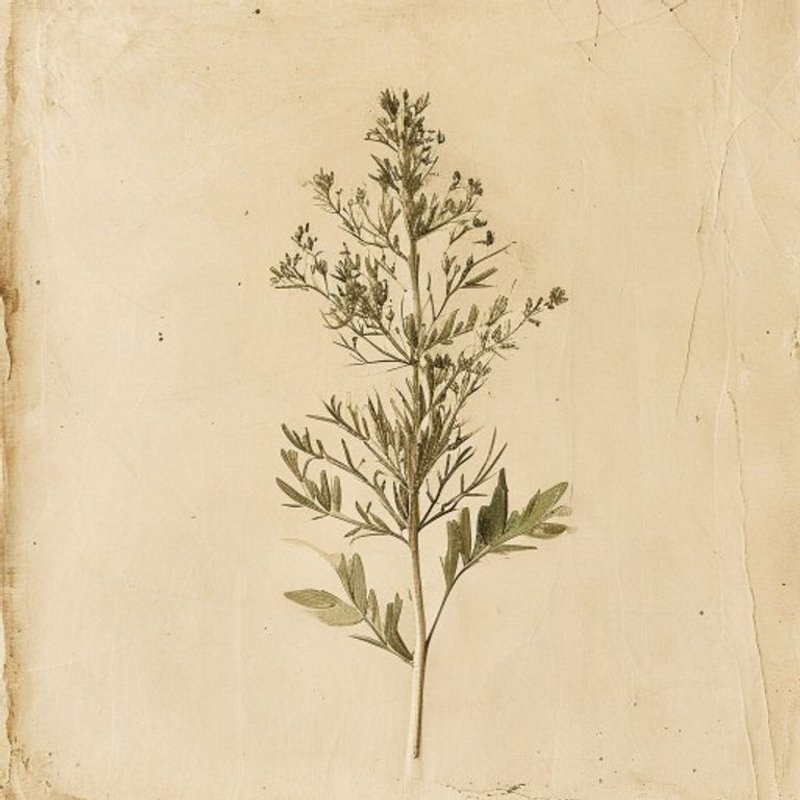
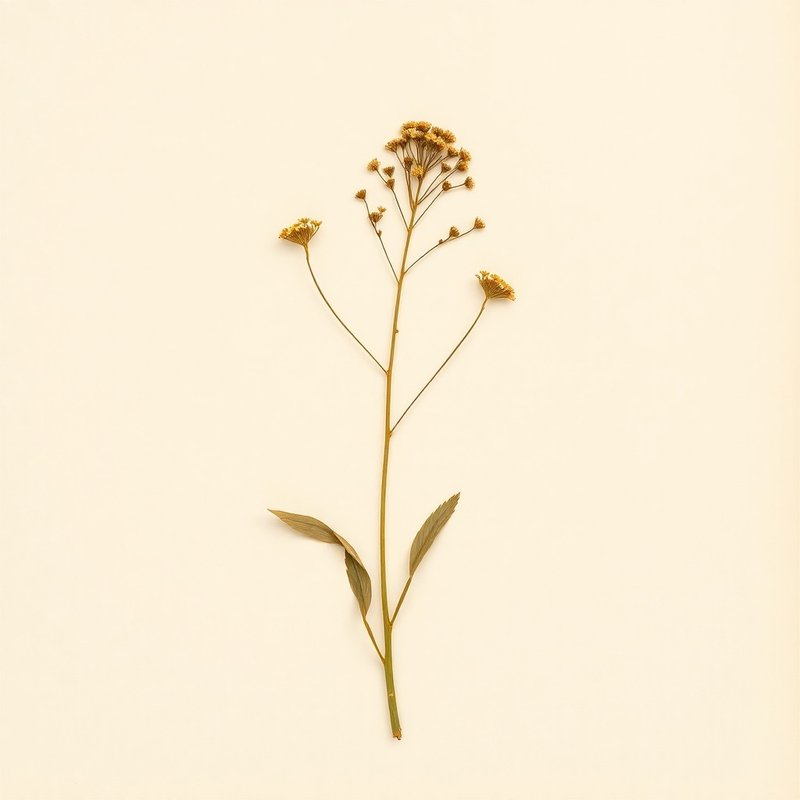
1 image
Specimen gallery
1 imageXSee also
8 related
See also
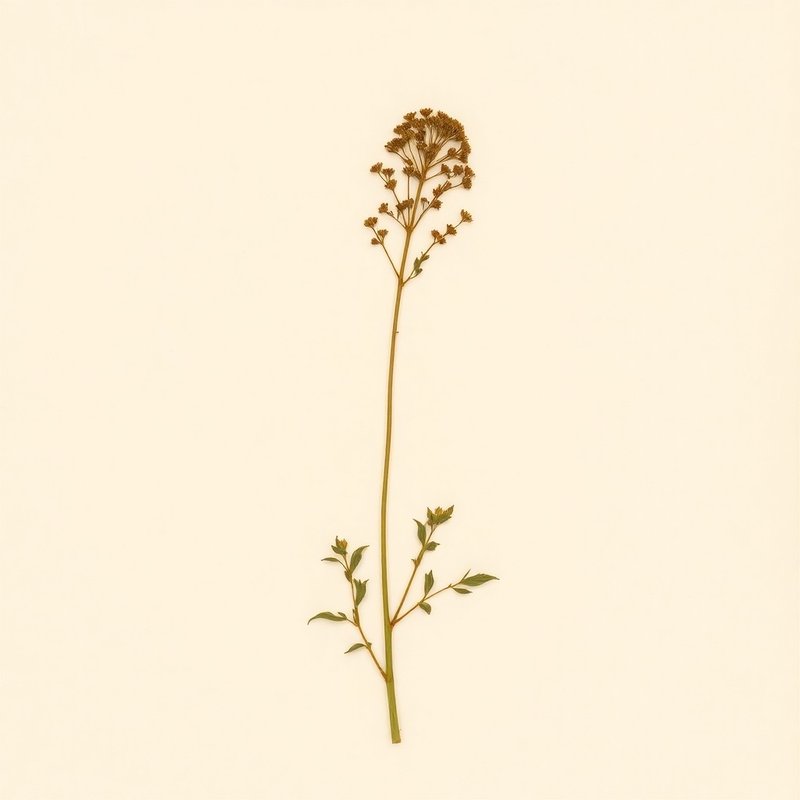
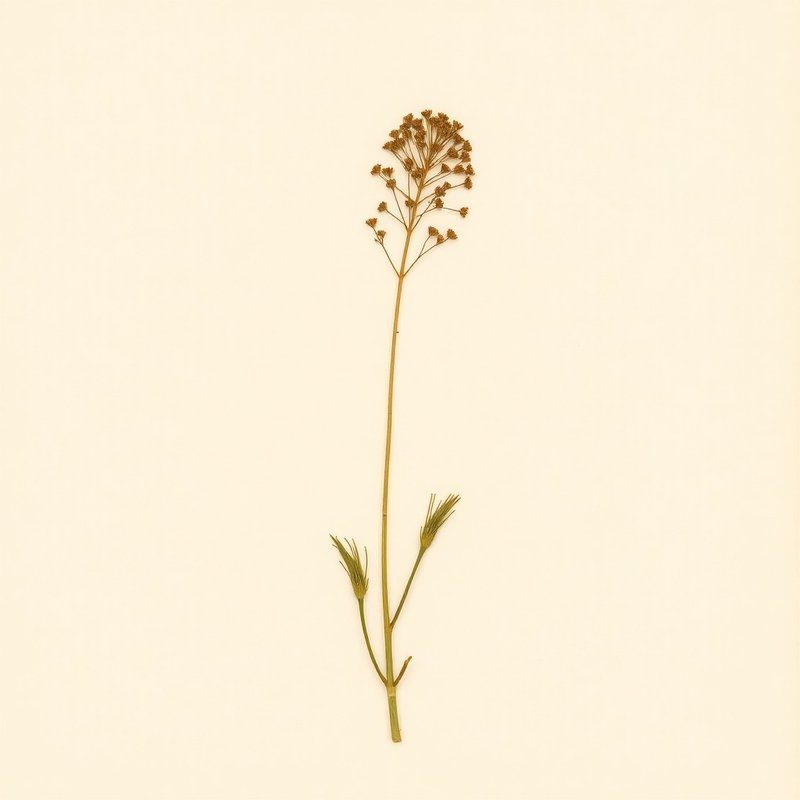
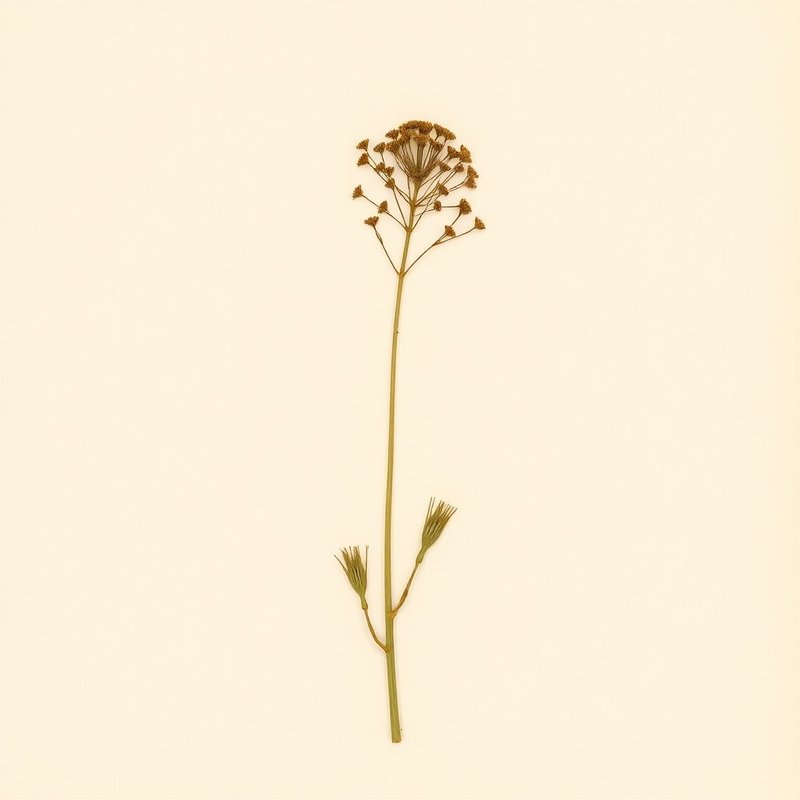
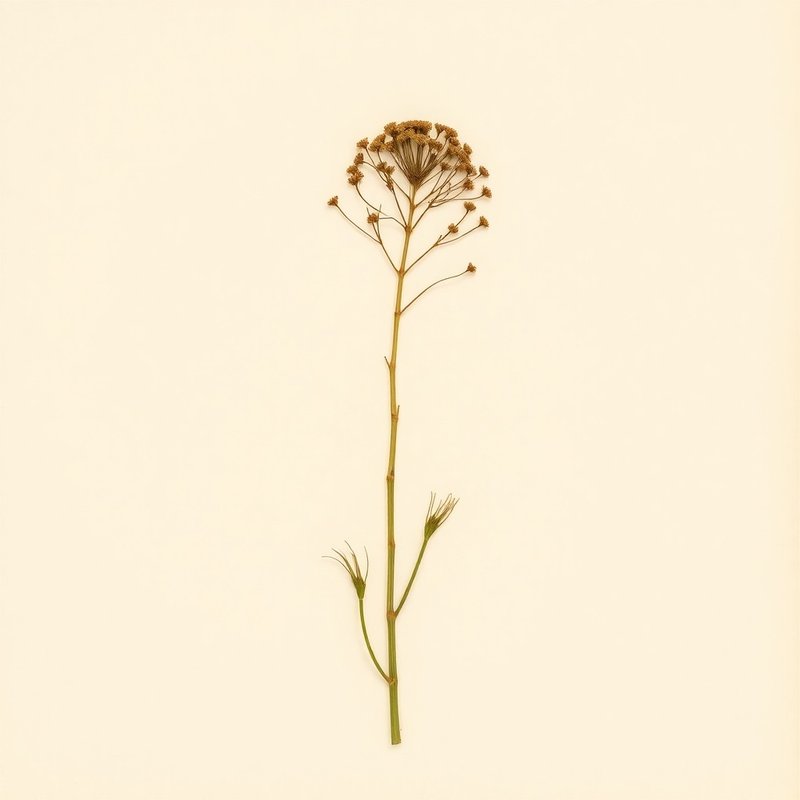
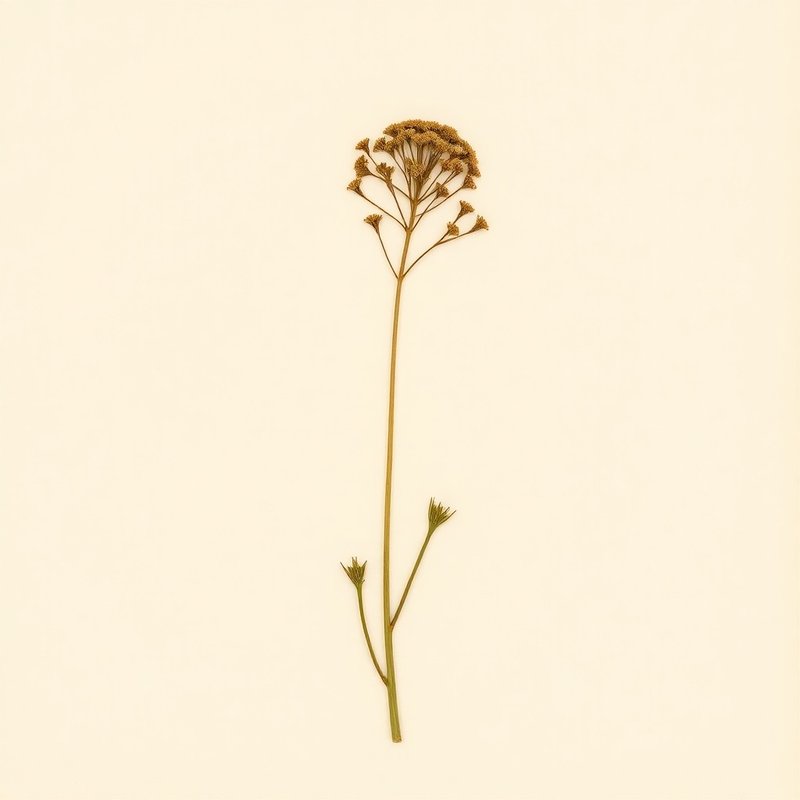
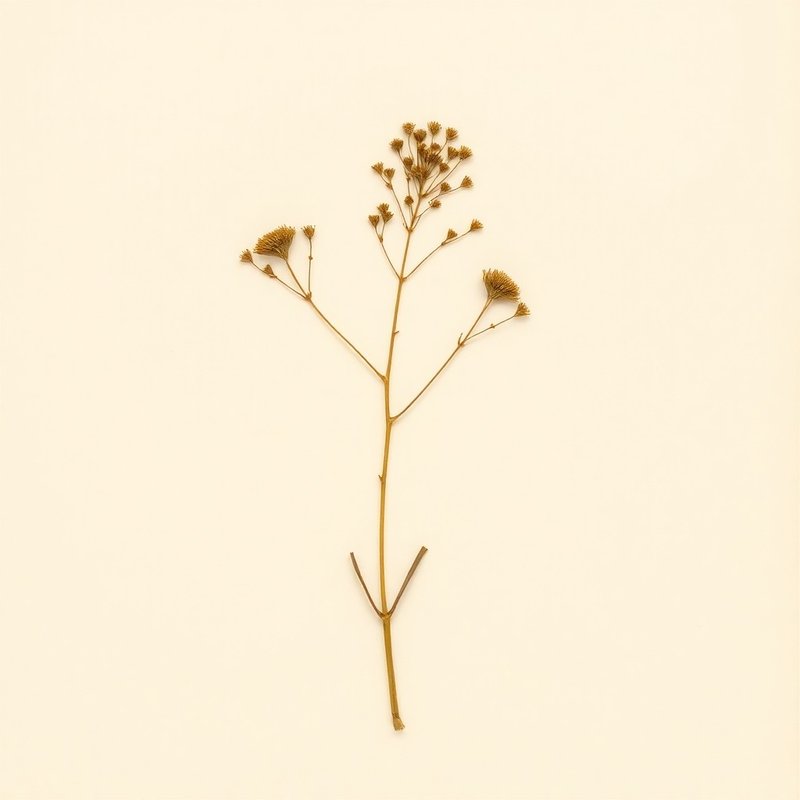
8 relatedPlants you might compare or use together — scored by shared family (Apiaceae), common use cases, and growing requirements.
Explore further
About this entry
- Last updated
- Citation
- How to cite this entry · Submit a correction
Continue reading
Get archive updates
Occasional email when substantial new content lands — plant profiles, seasonal growing notes, folk-remedy additions. Free, no tracking, unsubscribe anytime.