
Cork Oak
Quercus suber occidentalis
Educational content — not medical, botanical, or professional advice. Always consult a qualified clinician before using any herbal preparation — especially during pregnancy, breastfeeding, while on medication, or for children. How we source & review →
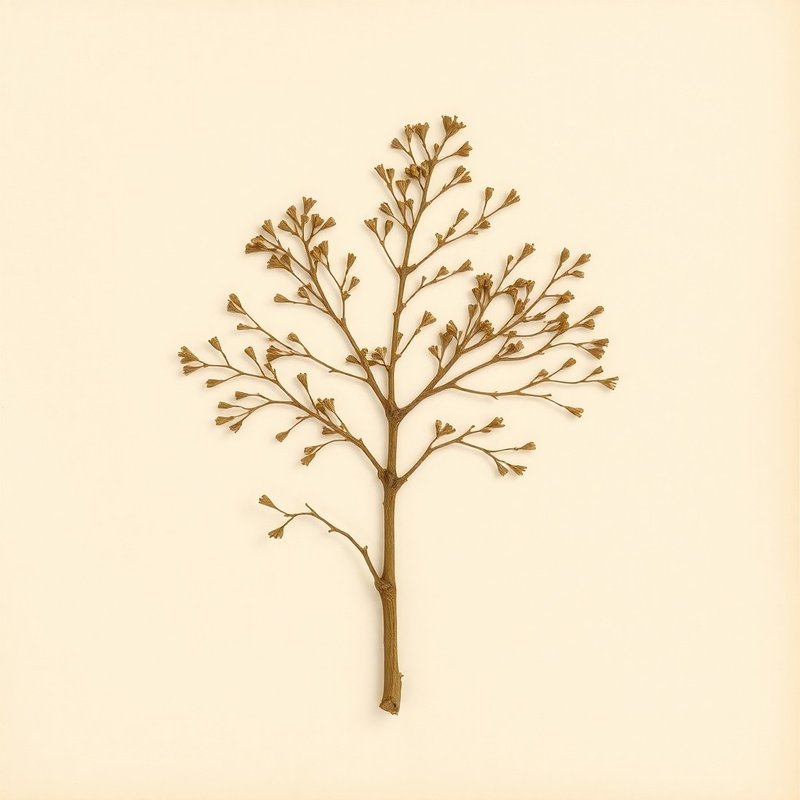
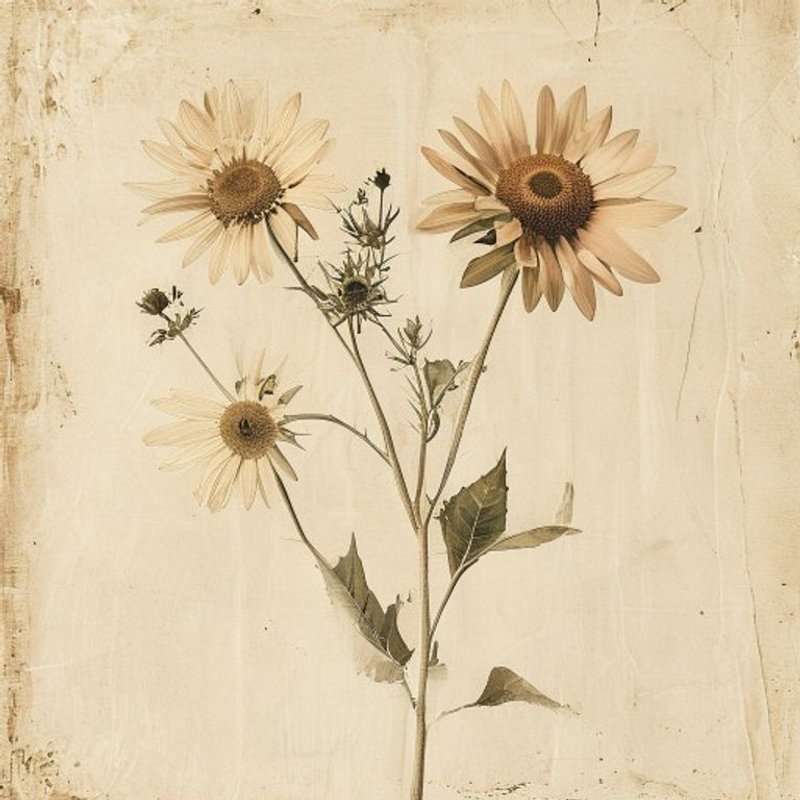
Pl. 8443 — Quercus suber occidentalis
Quercus suber occidentalisQuercus suber occidentalisQuercus suber occidentalisQuercus suber occidentalisQuercus suber occidentalisQuercus suber occidentalisQuercus suber occidentalisQuercus suber occidentalisQuercus suber occidentalisQuercus suber occidentalisQuercus suber occidentalisQuercus suber occidentalisQuercus suber occidentalisQuercus suber occidentalis
IOverview
Overview
Cork Oak (Quercus suber occidentalis) is a tree native to the Mediterranean region, including Algeria, Corse, France, Italy, Morocco, Portugal, Sardegna, and Sicilia. Known for its distinctive bark that can be harvested without harming the tree, it has long been valued for its cork production. This light-loving plant thrives in dry to moist conditions with a preference for medium to heavy clay soils, flourishing within USDA hardiness zones 7-10. It grows up to 18 meters tall and is notable for its edible seed, making it useful not only as an ornamental but also for its culinary applications.
Quick answers
What is Cork Oak?
Cork Oak (Quercus suber occidentalis) is a tree native to the Mediterranean region, including Algeria, Corse, France, Italy, Morocco, Portugal, Sardegna, and Sicilia. Known for its distinctive bark that can be harvested without harming the tree, it has long been valued for its cork production.
What is Cork Oak used for?
Traditionally used for digestion, immune support. Each claim is evidence-rated — see Section II for full citations.
Best for
Top 2 evidence-ranked uses of Cork Oak
Clinicaluses · safety · chemistry · dosagemedicinal profile
IIBenefits & evidence
2 claims · 0 sources
Benefits & evidence
2 claims · 0 sources- Cork Oak is traditionally used in European herbal medicine to aid digestion, particularly as a tea made from the bark. It may help alleviate digestive discomfort and bloating.
The bark contains flavonoids that can stimulate gastric secretions and improve gut motility, contributing to better digestion.
- Cork Oak has been traditionally used in Mediterranean herbalism to support immune function, often prepared as a decoction. Its bark and leaves contain tannins that may help modulate inflammatory responses.
Tannins found in cork oak have anti-inflammatory properties by inhibiting the release of pro-inflammatory cytokines such as TNF-α and IL-6.
IV·bMixology suggestions
1 draft
Mixology suggestions
1 draftEditorial drafts. These pairings are AI-suggested from traditional herbal lore. Always verify with a qualified herbalist before brewing.
Cork Oak support blend
generaltea
AI returned a direct ingredient list; normalized into one draft blend for editorial review.
Growingconditions · propagation · uses
VCultivation
Cultivation
Cork Oak thrives in temperate regions and requires a well-draining to clayey soil with a pH of 5–5.5 for optimal growth. It prefers light conditions that are moderately bright but can tolerate some shade. Water the tree sparingly, allowing it to dry out between waterings as it dislikes overly moist soil. This species is hardy in zones 7-10 and grows best from seed. Regular pruning may be necessary to maintain its shape.
Light
8/10
Water
Dry, Moist
Soil
Medium, Heavy (clay)
Hardiness
7-10
Habit
Tree
Mature size
18.0 m tall
Soil pH
5–5.5
Seasonal calendar
Northern hemisphere · UTC month is September
winterspringsummerautumnwinter
BloomJFMAMJJASOND
For first-time growers
How to grow Cork Oak for the first time
8steps
Start with planting a young Cork Oak tree for a rewarding long-term project.
- 1
What you'll need
A young Cork Oak sapling, well-draining soil, and a large container or planting site.
- 2
Best time to plant
Plant in spring when the ground is moist but not waterlogged.
- 3
Soil and container prep
Ensure the soil has a pH between 5 and 5.5, which can be tested with a home kit or professional service.
- 4
Sowing or transplanting
Transplant the young sapling into a larger pot if in containers, or dig a hole twice as wide but not deeper than its root ball for planting directly in the ground.
- 5
First two weeks
Water regularly to keep the soil moist but not soggy. Monitor for signs of stress such as wilting leaves.
- 6
Ongoing care
Provide regular watering, especially during dry spells, and mulch around the base to retain moisture and suppress weeds.
- 7
Harvest or pruning
Focus on pruning young trees to shape them. Cork Oak is not typically harvested for its fruit or leaves as a beginner project.
- 8
Common mistakes
Overwatering, planting in unsuitable soil pH, and neglecting regular watering are common pitfalls for beginners.
VIEdible & utility
Edible & utility
Edible parts:Seed
Edible uses: Coffee
Other uses:CorkTanninLumber
Contextrange · companions · related
VIIDistribution
10 native · 2 introduced
Distribution
10 native · 2 introducedDistribution across2 continents· 10 native· 2 introduced
Europe5 regions
native (4)FranceItalyPortugalSpain
introduced (1)Spain
Africa3 regions
native (3)AlgeriaMoroccoTunisia
IXSpecimen gallery
1 image
Specimen gallery
1 imageXSee also
8 related
See also
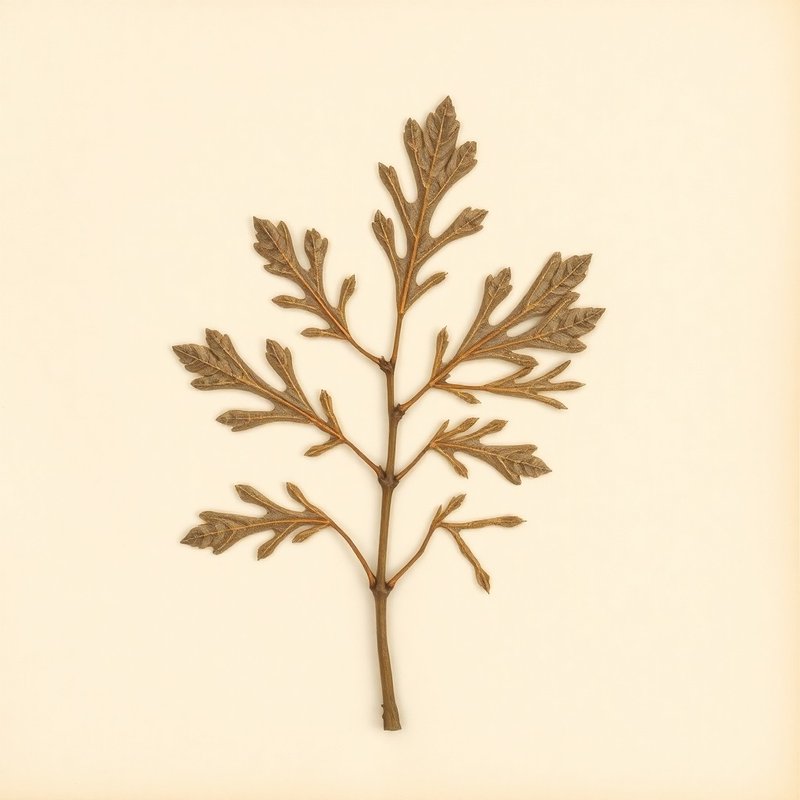
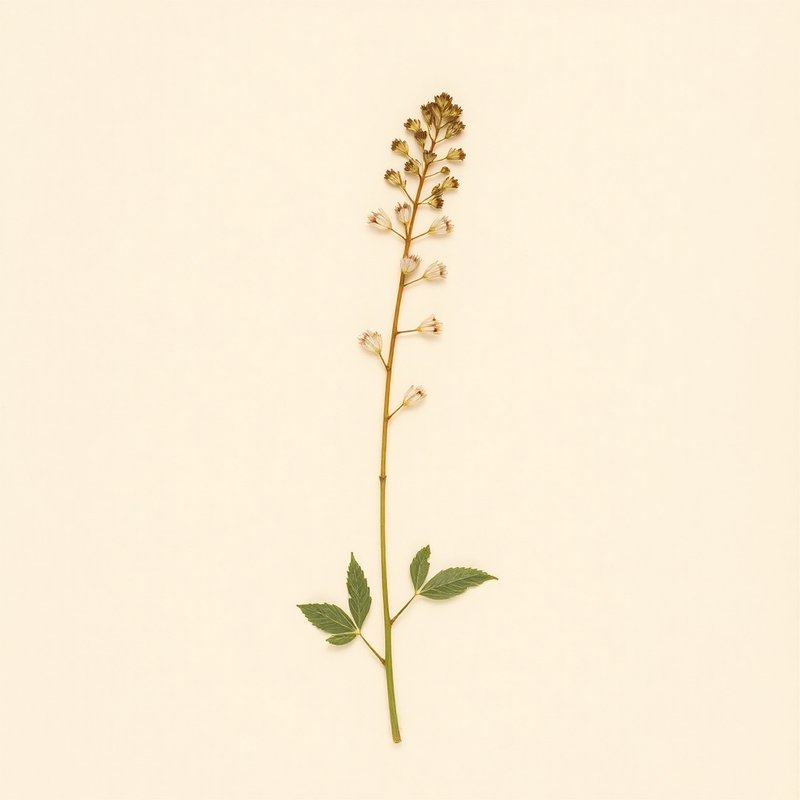
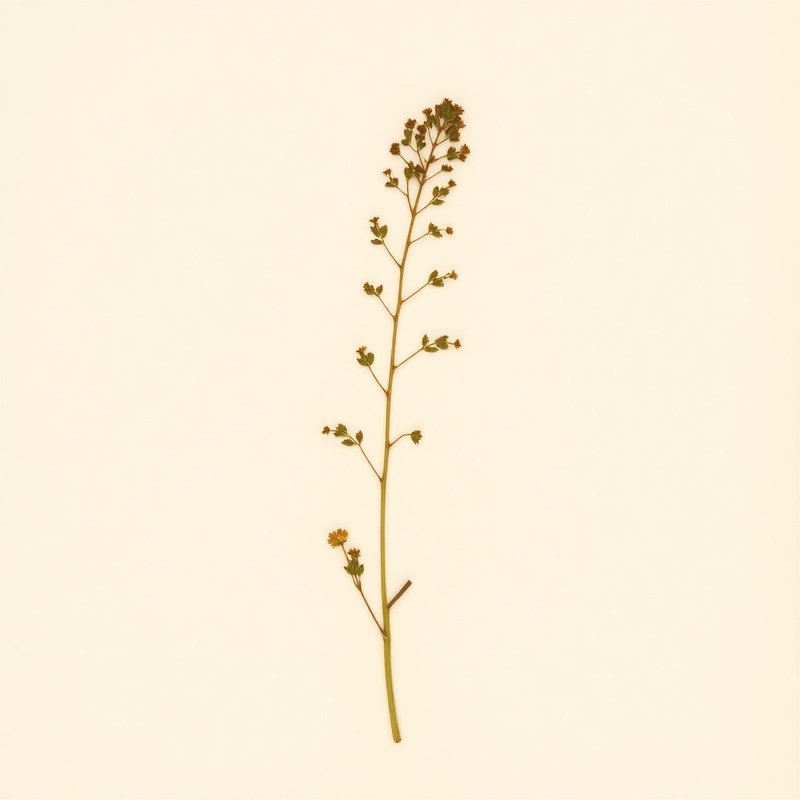
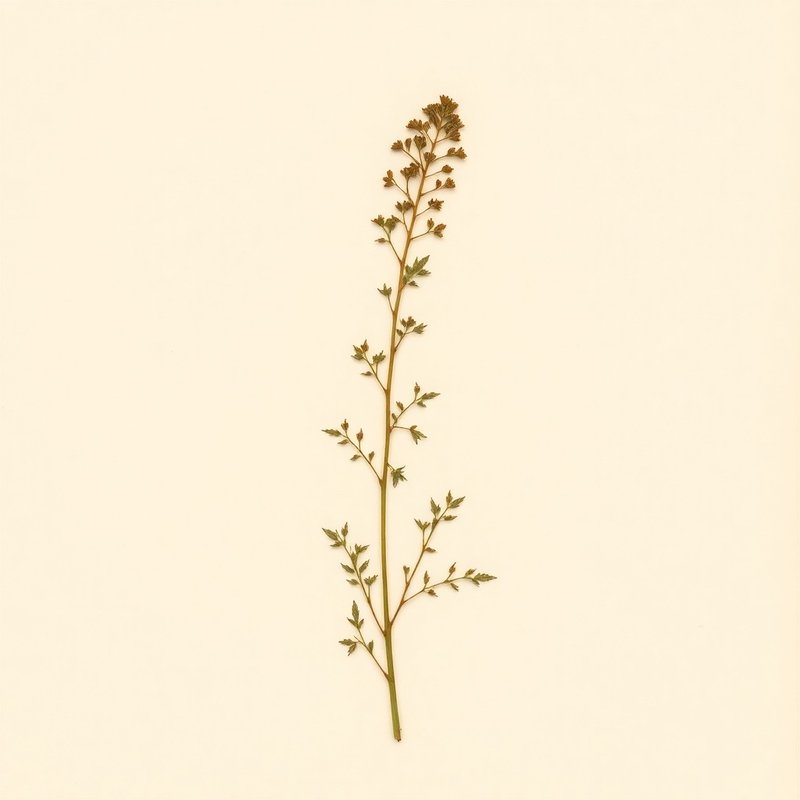
8 relatedPlants you might compare or use together — scored by shared family, common use cases, and growing requirements.
shared use cases
Different families, similar therapeutic role — good for comparing.
XI
Explore further
Companion planting
Compare with similar plants
Growing zone
XII
About this entry
- Last updated
- Citation
- How to cite this entry · Submit a correction
Back to the cataloguePlant id · 8443ce12-19a8-4fbf-a3e9-6427267f9034
Decision aid
Choosing between Cork Oak and something else?
Continue reading
❦❦❦❦
Endpaper · archive updates
Get archive updates
Occasional email when substantial new content lands — plant profiles, seasonal growing notes, folk-remedy additions. Free, no tracking, unsubscribe anytime.