Skip to content
IIIFolio · plant profile№ 2B27medicinal · edible
Data provenancePermapeopleTrefleWikipediaPFAFPOWOeditorially reviewedreviewed 20 Oct 2026methodology → read
Home/Plants/Ranunculaceae

Celery-Leaved Buttercup
Ranunculus sceleratusfam. Ranunculaceae
Educational content — not medical, botanical, or professional advice. Always consult a qualified clinician before using any herbal preparation — especially during pregnancy, breastfeeding, while on medication, or for children. How we source & review →
medicinaledibleperennialedibleedible leafmedicinalnative amnative asianative euperennial
Updated·Quick Q&A →
Garden journal pausedUse profile notes below
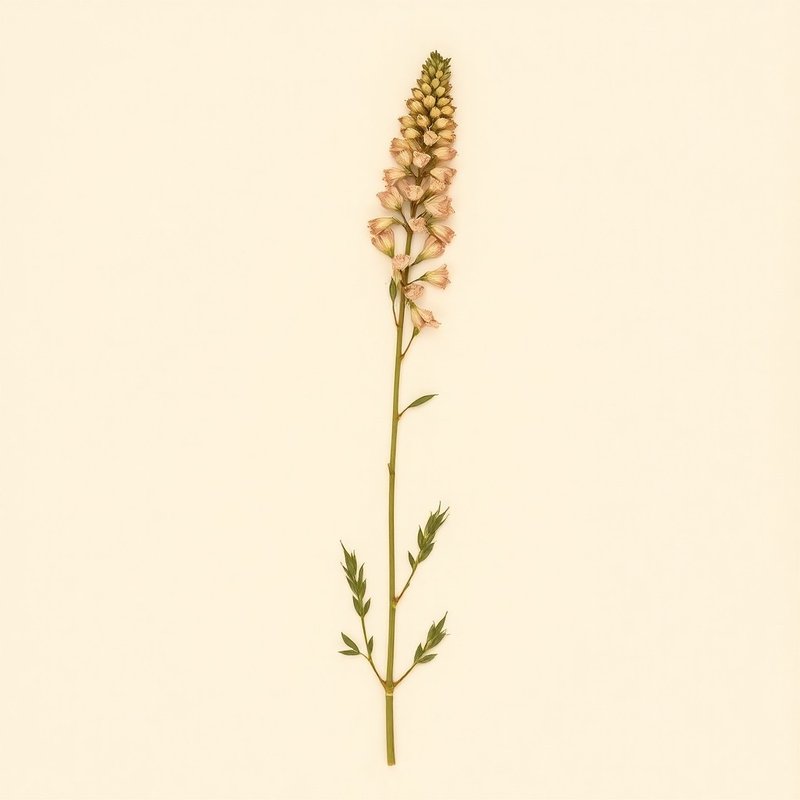
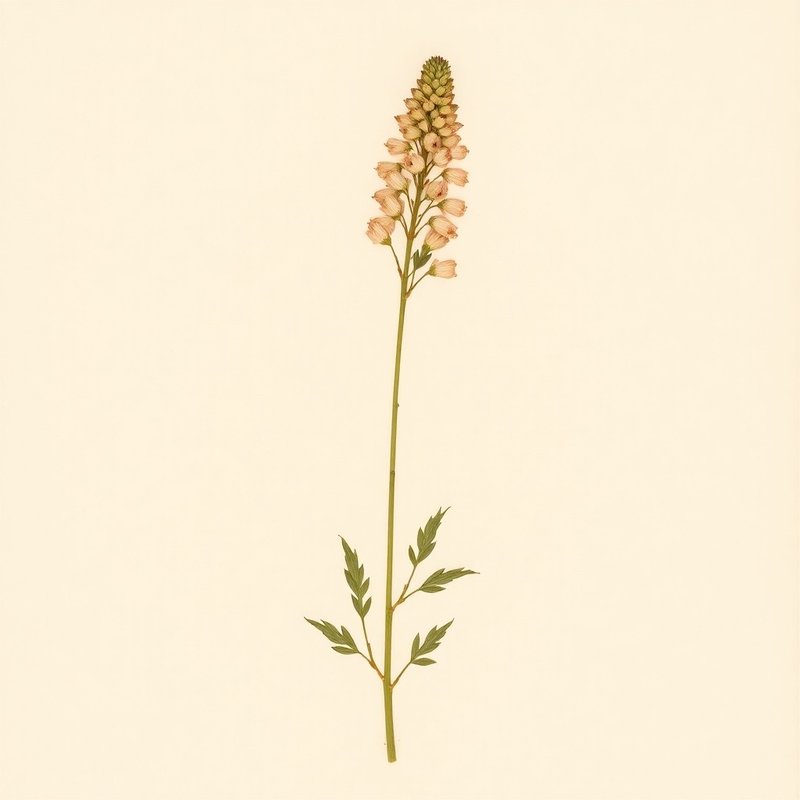
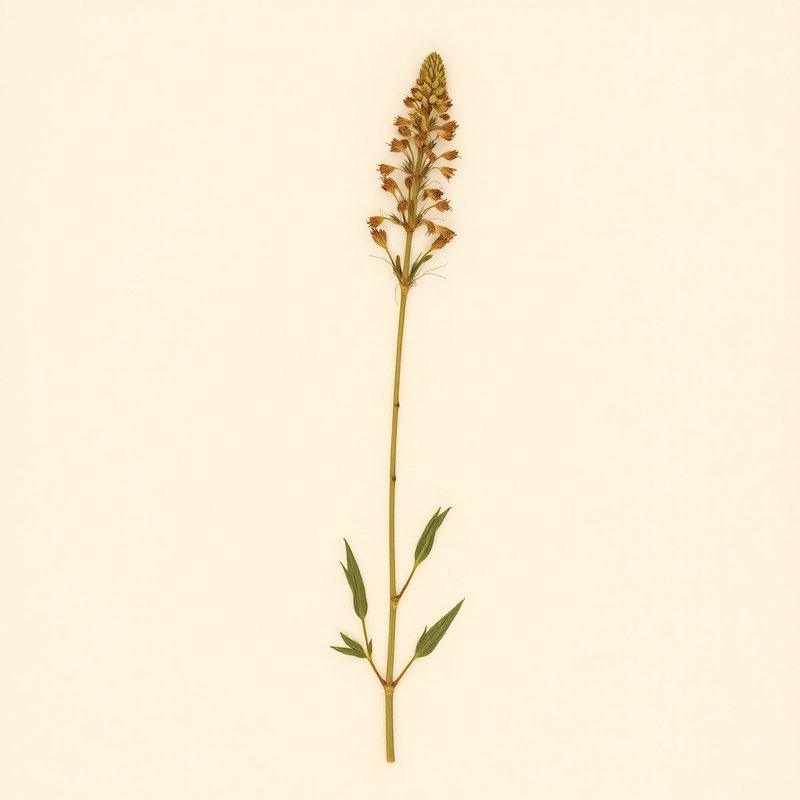
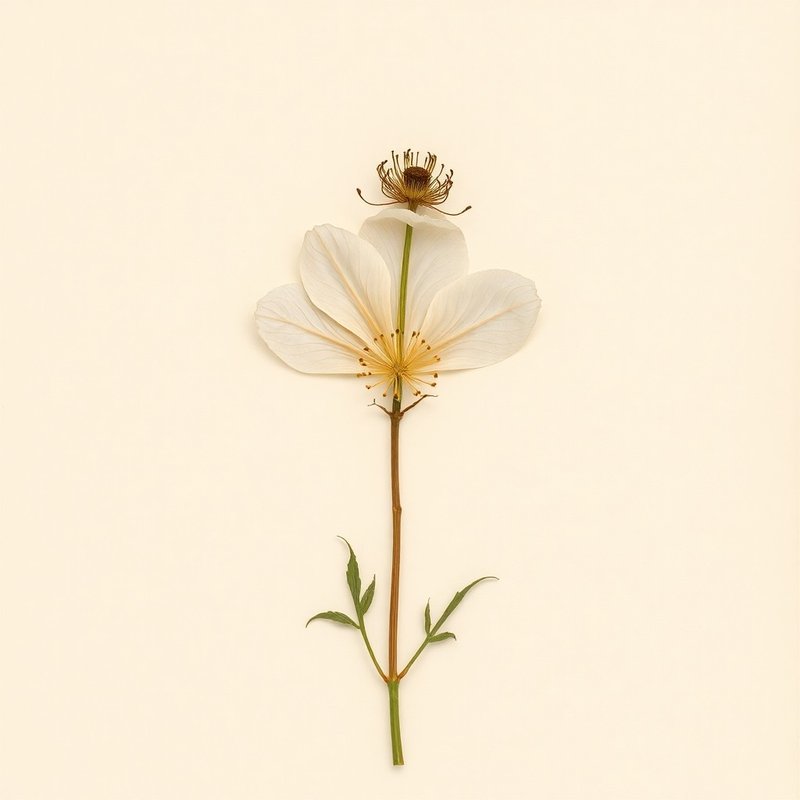
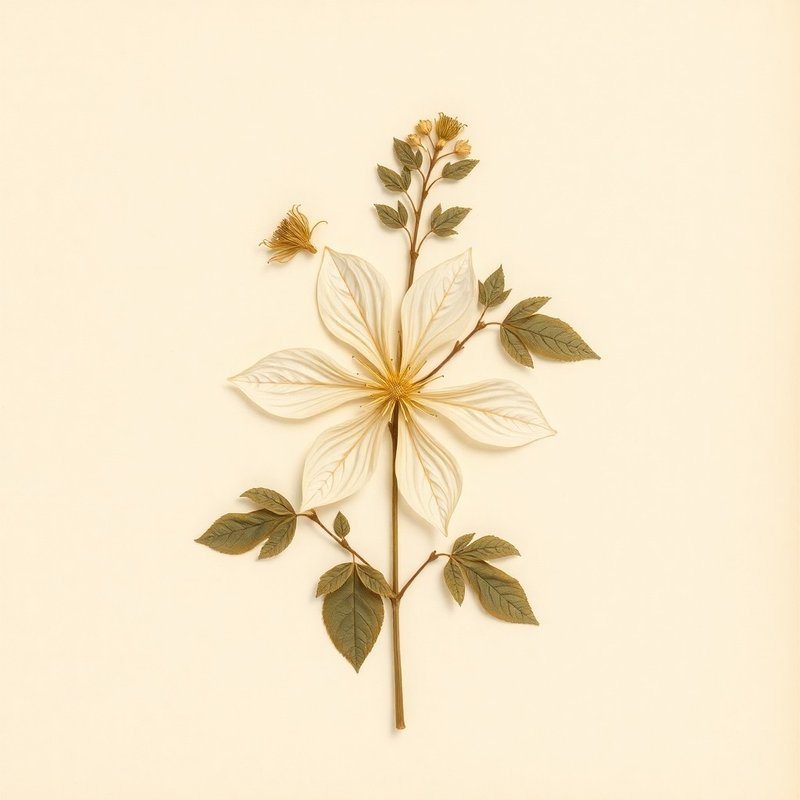
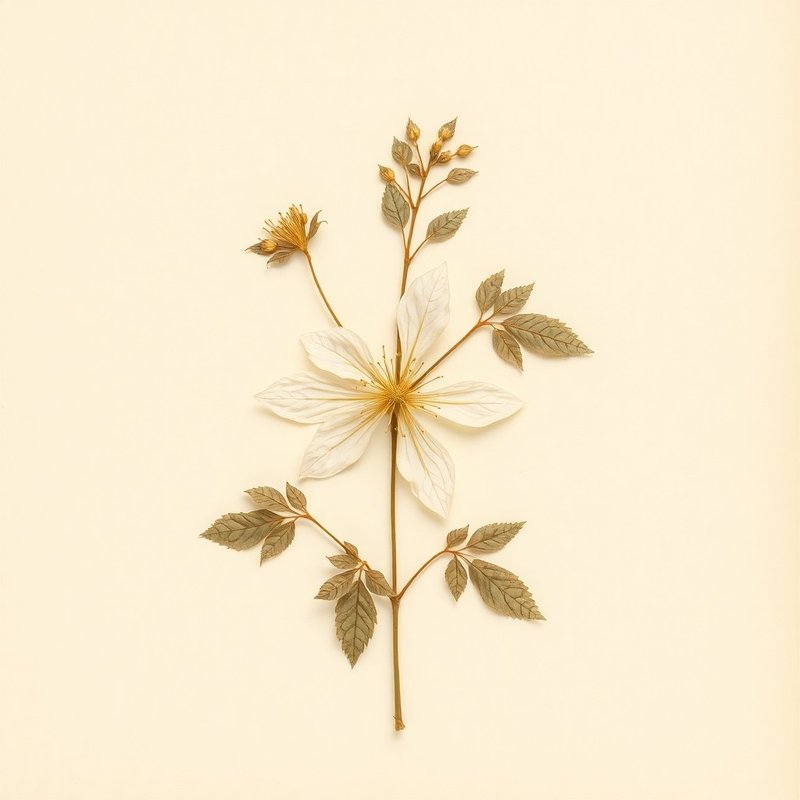
Ranunculus sceleratus (Celery-Leaved Buttercup) — botanical photograph
Pl. 2B27 — Ranunculus sceleratus
Ranunculus sceleratusRanunculus sceleratusRanunculus sceleratusRanunculus sceleratusRanunculus sceleratusRanunculus sceleratusRanunculus sceleratusRanunculus sceleratusRanunculus sceleratusRanunculus sceleratusRanunculus sceleratusRanunculus sceleratusRanunculus sceleratusRanunculus sceleratus
I

Overview

Celery-Leaved Buttercup (Ranunculus sceleratus) is a perennial plant belonging to the Ranunculaceae family. Native to a wide range of regions including Afghanistan, Alabama, Alaska, Albania, Alberta, Algeria, and many other areas across Europe, Asia, and North America, this plant is known for its adaptability and presence in diverse habitats. Growing up to 0.6 meters in height, it thrives in moist to wet conditions and can be found in light (sandy), medium, or heavy (clay) soil types with a pH ranging from 4.8 to 8.4. The plant's distinctive feature is its celery-like leaves, which are edible and can be consumed fresh in salads or cooked as a vegetable. Additionally, the leaves can be dried for later use. Medicinally, the plant is used for its antifungal properties. This perennial, with a rapid growth rate and single crown growth form, is a notable presence in many botanical communities due to its widespread native range and adaptability. It can be found growing wild across the United States and Canada, as well as in various parts of Asia and Europe. For optimal growth, it requires light to moderate shade and regular watering to maintain moist soil conditions. Propagation can occur through division or seed sowing in spring or fall. While the plant is generally safe, caution should be exercised when handling its leaves, as it belongs to the same family as other toxic plants.

Quick answers

What is Celery-Leaved Buttercup?

Celery-Leaved Buttercup (Ranunculus sceleratus) is a perennial plant belonging to the Ranunculaceae family.

Compare with:Aconitum koreanum→Aconitum multifidum→Aconitum rotundifolium→all comparisons →
IV·b

Mixology suggestions

1 draft
Editorial drafts. These pairings are AI-suggested from traditional herbal lore. Always verify with a qualified herbalist before brewing.
Wet Soil Tonic
immune
tincture
Historically used to support immune function in wetter climates.
Growingconditions · propagation · uses
V

Cultivation

Celery-Leaved Buttercup thrives in moist to wet conditions and prefers light (sandy), medium, or heavy (clay) soils with a pH ranging from 4.8 to 8.4. It is hardy in temperate regions and can be found growing wild across many parts of the world. This perennial plant reaches heights of about 0.6 meters and produces edible leaves. For optimal growth, it requires light to moderate shade and should be watered regularly to maintain moist soil conditions. Propagation can occur through division or seed sowing in spring or fall.
Light
8/10
Water
Moist, Wet, water
Soil
Light (sandy), Medium, Heavy (clay)
Life cycle
Perennial
Habit
Forb/herb
Mature size
0.6 m tall
Soil pH
4.8–8.4
For first-time growers

How to grow Celery-Leaved Buttercup for the first time

8steps

Celery-Leaved Buttercup is a forgiving plant for beginners, but it requires careful soil preparation and regular care.

  1. 1

    What you'll need

    Seeds or young plants, a garden fork, compost, and mulch.

  2. 2

    Best time to plant

    Plant in early spring or late summer for best results.

  3. 3

    Soil and container prep

    Choose a location with moist, well-draining soil. Amend the soil with compost if necessary.

  4. 4

    Sowing or transplanting

    Direct sow seeds 1 cm deep in rows 30 cm apart. Alternatively, plant young seedlings 25-30 cm apart.

  5. 5

    First two weeks

    Keep the soil consistently moist and mulch around the plants to retain moisture.

  6. 6

    Ongoing care

    Water regularly, especially during dry spells. Remove any weeds that compete for nutrients.

  7. 7

    Harvest or pruning

    Prune dead leaves to maintain plant health and appearance. Harvest young leaves as needed for culinary use.

  8. 8

    Common mistakes

    Overwatering, planting in too dry soil, neglecting regular weeding, and not providing enough light.

VI

Edible & utility

Edible parts:Leaves
Edible uses: The celery-leaved buttercup is edible and its leaves can be consumed. Typically, the leaves are used fresh in salads or cooked as a vegetable. They can also be dried for later use. The plant grows well in various soil types with a pH ranging from 4.8 to 8.4, making it adaptable to different environments.
Other uses:antifungal
Contextrange · companions · related
VII

Distribution

152 native · 10 introduced
Distribution across4 continents· 152 native· 10 introduced
Europe24 regions
native (24)AlbaniaAustriaBelarusBelgiumBulgariaDenmarkFinlandFranceGermanyGreeceHungaryIrelandItalyNetherlandsNorwayPolandPortugalRomaniaRussiaSpainSwedenSwitzerlandUkraineUnited Kingdom
Asia21 regions
native (21)AfghanistanBangladeshChinaGeorgiaIndiaIranIraqJapanKazakhstanLaosMyanmarNepalPakistanPalestineSouth KoreaTaiwanThailandTurkeyTurkmenistanUzbekistanVietnam
Americas1 region
native (1)United States
Africa6 regions
native (6)AlgeriaEgyptEthiopiaMoroccoRwandaTunisia
Broader regions
native:Alabama, Alberta, Altay, Amur, Arizona, Arkansas, Baltic States, British Columbia, Buryatiya, California, Chita, Colorado, Connecticut, Czechoslovakia, Delaware, District of Columbia, East Himalaya, Florida, Idaho, Illinois, Indiana, Iowa, Irkutsk, Kamchatka, Kansas, Kentucky, Khabarovsk, Kirgizstan, Krasnoyarsk, Kuril Is., Louisiana, Magadan, Maine, Manitoba, Maryland, Masachusettes, Massachusetts, Michigan, Minnesota, Mississippi, Missouri, Montana, Nansei-shoto, Nebraska, Nevada, New Brunswick, New Hampshire, New Jersey, New Mexico, New York, Newfoundland, North Carolina, North Dakota, Northwest Territorie, Nova Scotia, Ohio, Oklahoma, Ontario, Oregon, Pennsylvania, Primorye, Québec, Rhode I., Sakhalin, Saskatchewan, South Carolina, South Dakota, Tadzhikistan, Tennessee, Texas, Transcaucasus, Turkey-in-Europe, Tuva, Utah, Virginia, Washington, West Himalaya, West Virginia, Wisconsin, Wyoming, Yakutskiya, Yugoslavia, Yukon, Zaïre
introduced:Chile Central, New South Wales, New Zealand North, Queensland, South Australia, St.Helena, Tasmania, Vermont, Victoria, Western Australia
IX

Specimen gallery

1 image
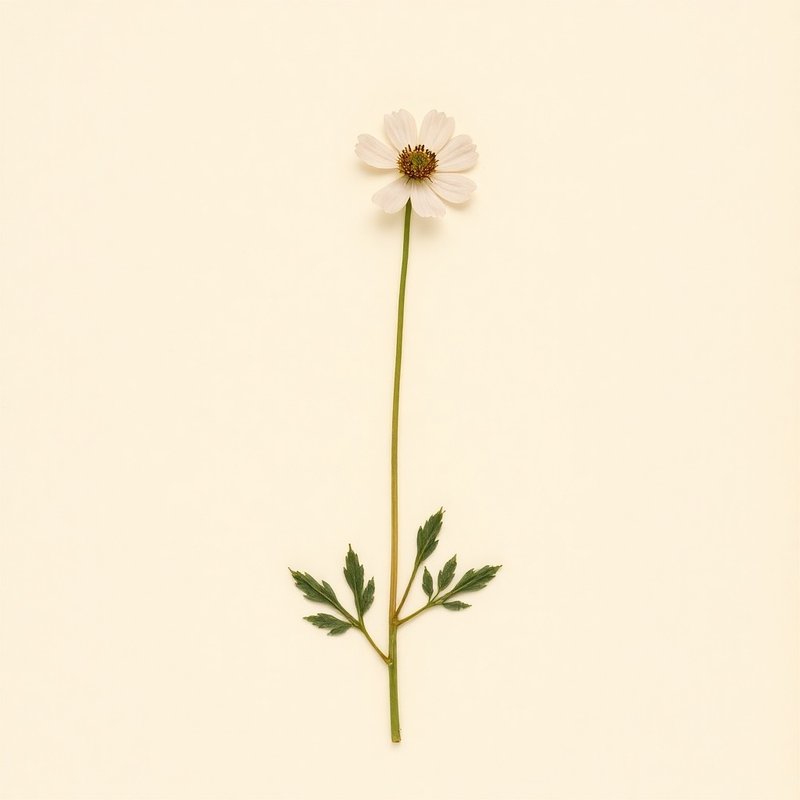
Ranunculus sceleratus (Celery-Leaved Buttercup) — botanical photograph
Celery-Leaved Buttercup (Ranunculus sceleratus)
X

See also

8 related
XI

Explore further

XII

About this entry

Last updated
Citation
How to cite this entry · Submit a correction
Back to the cataloguePlant id · 2b27ccb2-f195-42c1-bf84-cd8077ae78b2
❦❦❦❦
Endpaper · archive updates

Get archive updates

Occasional email when substantial new content lands — plant profiles, seasonal growing notes, folk-remedy additions. Free, no tracking, unsubscribe anytime.

Newsletter returning soon.
We are rebuilding the update list around a lightweight editorial workflow. New dispatches will resume after the next content review cycle.
iCare notes