
Energy Cane
Saccharum hybridsfam. Poaceae
Educational content — not medical, botanical, or professional advice. Plant identification, safety, and edibility depend on local conditions, cultivars, and correct identification. Consult a qualified botanist or forager before consuming or handling wild specimens. How we source & review →
Garden journal pausedUse profile notes below
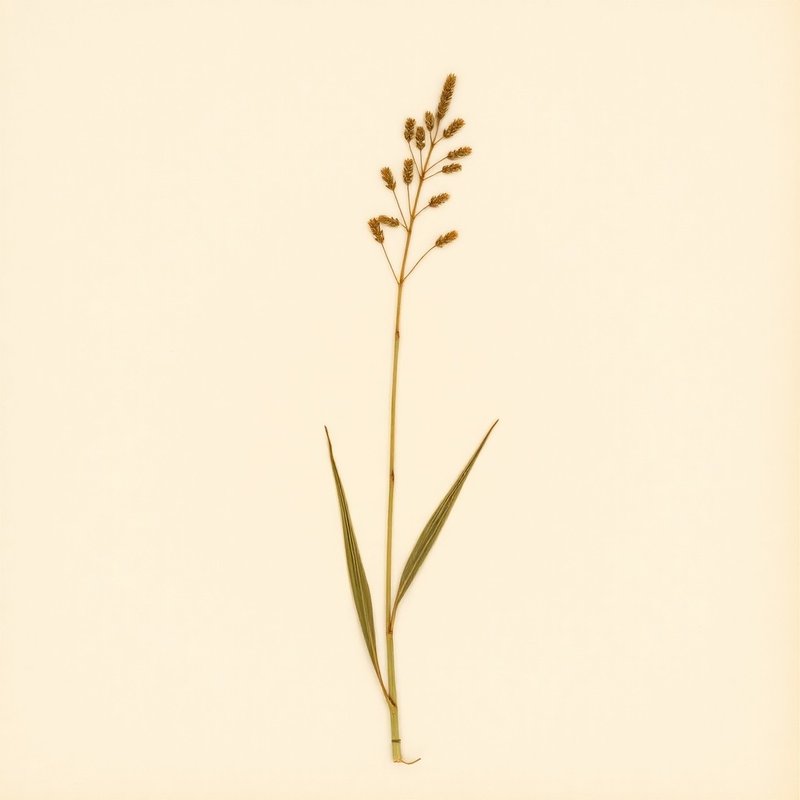
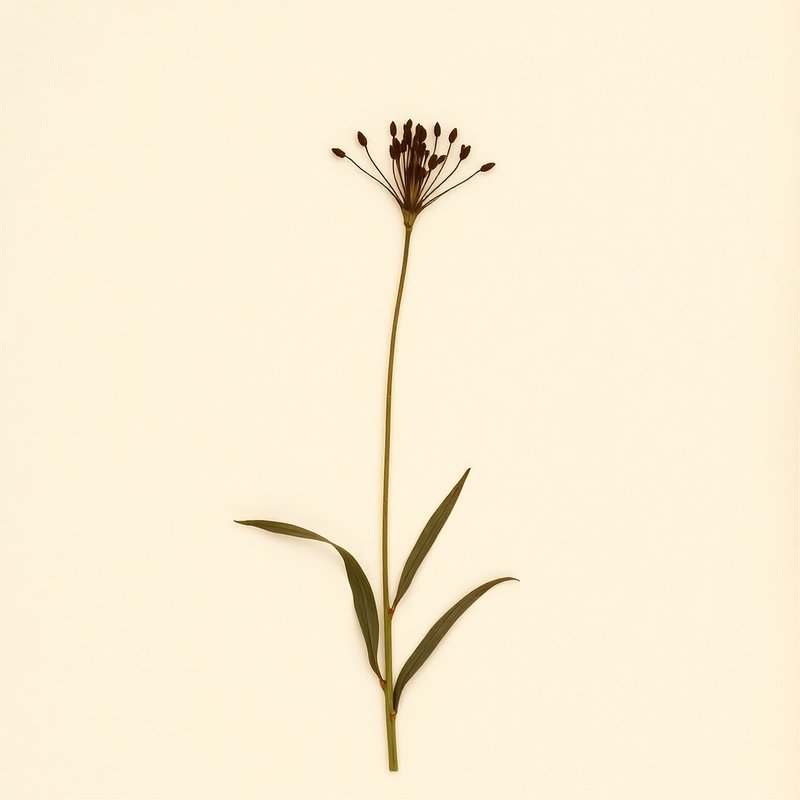
Pl. 783C — Saccharum hybrids
Saccharum hybridsSaccharum hybridsSaccharum hybridsSaccharum hybridsSaccharum hybridsSaccharum hybridsSaccharum hybridsSaccharum hybridsSaccharum hybridsSaccharum hybridsSaccharum hybridsSaccharum hybridsSaccharum hybridsSaccharum hybrids
IOverview
Overview
Energy Cane (Saccharum hybrids) is a hybrid perennial grass native to New Guinea, known for its edible properties and adaptability to various growing conditions. This plant thrives in full sun and prefers moist to wet environments, making it suitable for areas with high humidity. It can grow up to 6 meters tall and is hardy in zones 8-12, adapting well to light (sandy), medium (loamy), and heavy (clay) soils with a pH range of 4 to 7. The edible parts of Energy Cane include its stem and sap, which are rich in natural sugars and can be consumed raw or cooked. The stem can be harvested for direct consumption, while the sap can be collected and used fresh or dried for later use. This versatile plant is particularly useful for gardens and agricultural settings due to its rapid growth and ability to thrive in diverse environments. While the stem and sap are safe for consumption, caution should be exercised when handling the plant, as some individuals may experience skin irritation or allergic reactions.
Quick answers
What is Energy Cane?
Energy Cane (Saccharum hybrids) is a hybrid perennial grass native to New Guinea, known for its edible properties and adaptability to various growing conditions. This plant thrives in full sun and prefers moist to wet environments, making it suitable for areas with high humidity.
Growingconditions · propagation · uses
VCultivation
Cultivation
Energy Cane thrives in full sun and requires moist to wet soil, making it suitable for areas with consistent water availability. It grows well in light (sandy), medium, and heavy (clay) soils and has a pH preference of 4 to 7. This perennial can reach heights of 6 meters and is hardy in zones 8-12, making it a robust choice for temperate regions. For propagation, use stem cuttings or division. Harvest the cane for its edible sap and stems.
Light
Full sun
Water
Moist, Wet
Soil
Light (sandy), Medium, Heavy (clay)
Hardiness
8-12
Life cycle
Perennial
Habit
Graminoid
Mature size
6.0 m tall
Soil pH
4–7
For first-time growers
How to grow Energy Cane for the first time
8steps
Start with a simple, full-sun location and moist soil for your Energy Cane.
- 1
What you'll need
A sunny spot, well-draining soil, and containers or ground space if needed.
- 2
Best time to plant
Plant in spring when the last frost has passed.
- 3
Soil and container prep
Ensure the soil is light, medium, or heavy with a pH between 4 and 7. Amend as necessary.
- 4
Sowing or transplanting
Transplant young plants from nurseries or sow seeds directly in the ground after danger of frost.
- 5
First two weeks
Water regularly to keep soil moist but not waterlogged. Monitor for pests and diseases.
- 6
Ongoing care
Provide full sun, regular watering, and occasional fertilization with compost or organic matter.
- 7
Harvest or pruning
Prune dead leaves and stems to maintain plant health and appearance. Harvest sap from mature stems as needed.
- 8
Common mistakes
Overwatering, planting in poor soil, neglecting sunlight, not providing enough space for growth.
VIEdible & utility
Edible & utility
Edible parts:SapStem
Edible uses: The Energy Cane (Saccharum hybrids) is edible and its stem and sap can be consumed. The stem is typically harvested and eaten raw or cooked. The sap, rich in natural sugars, can also be collected directly from the plant and may be used fresh or dried for later use.
Other uses:Animal feed
Contextrange · companions · related
VIIDistribution
1 native · 128 introduced
Distribution
1 native · 128 introducedDistribution across5 continents· 1 native· 128 introduced
Europe3 regions
introduced (3)CyprusPortugalSpain
Asia17 regions
introduced (17)BangladeshCambodiaChinaIndiaIraqLaosMaldivesMyanmarOmanPhilippinesSouth KoreaSri LankaTaiwanThailandTurkeyVietnamYemen
Americas16 regions
introduced (16)BahamasBelizeColombiaCosta RicaCubaDominican RepublicEcuadorEl SalvadorGuatemalaHaitiHondurasJamaicaNicaraguaPuerto RicoUnited StatesVenezuela
Africa22 regions
introduced (22)AlgeriaAngolaBeninBurkina FasoBurundiCameroonChadComorosCôte d'IvoireEgyptEquatorial GuineaGambiaGuineaGuinea-BissauMadagascarMauritiusMoroccoRwandaSenegalSeychellesTanzaniaTogo
Oceania7 regions
introduced (7)FijiNauruNew CaledoniaSamoaTongaTuvaluVanuatu
Broader regions
native:New Guinea
introduced:Alabama, Aldabra, Andaman Is., Bermuda, Bismarck Archipelago, Borneo, Brazil North, Brazil Northeast, Brazil South, Brazil Southeast, Brazil West-Central, Caroline Is., Cayman Is., Central African Repu, Congo, Cook Is., East Himalaya, Easter Is., Florida, Galápagos, Gilbert Is., Gulf of Guinea Is., Hainan, Jawa, Lebanon-Syria, Leeward Is., Lesser Sunda Is., Line Is., Louisiana, Malaya, Marianas, Marquesas, Marshall Is., Mexico Central, Mexico Northwest, Mexico Southeast, Mexico Southwest, Mississippi, Nansei-shoto, New Zealand North, Nicobar Is., Niue, Panamá, Pitcairn Is., Réunion, Rodrigues, Santa Cruz Is., Society Is., Solomon Is., Sulawesi, Sumatera, Texas, Trinidad-Tobago, Tuamotu, Tubuai Is., Venezuelan Antilles, West Himalaya, Windward Is., Zaïre
IXSpecimen gallery
1 image
Specimen gallery
1 imageXSee also
8 related
See also
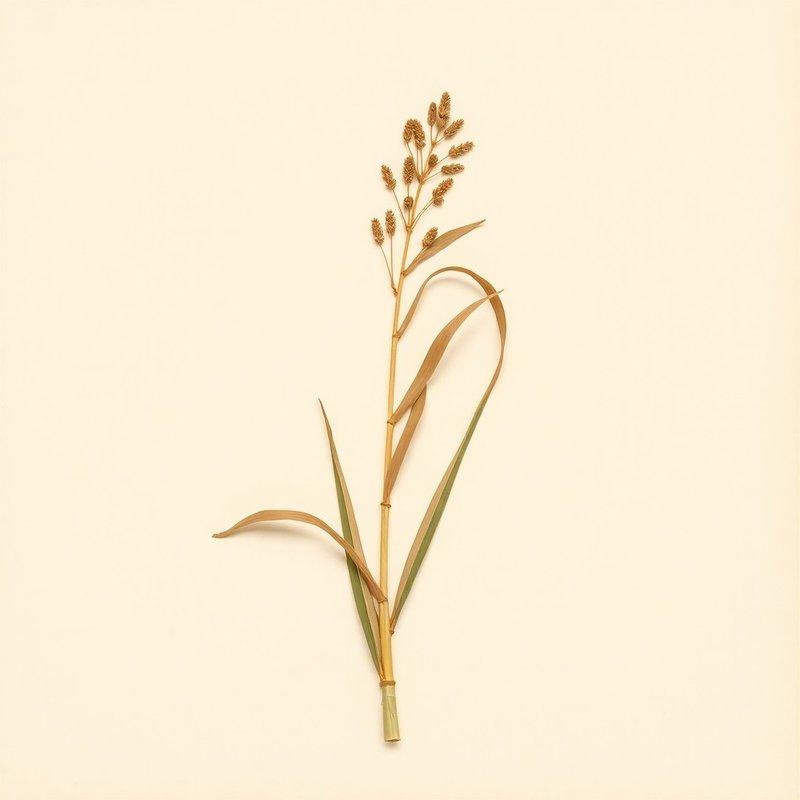
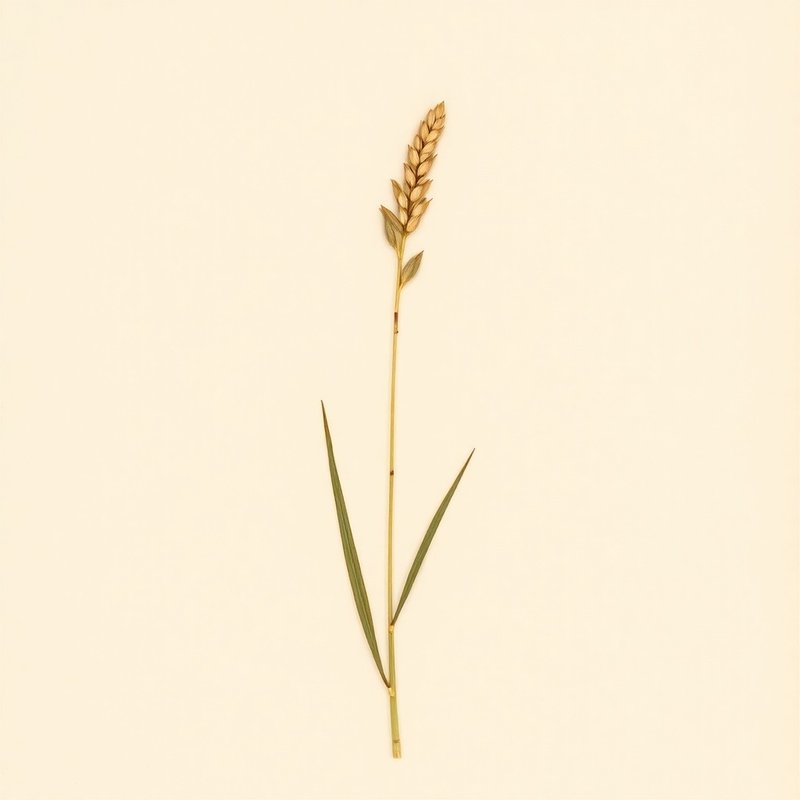
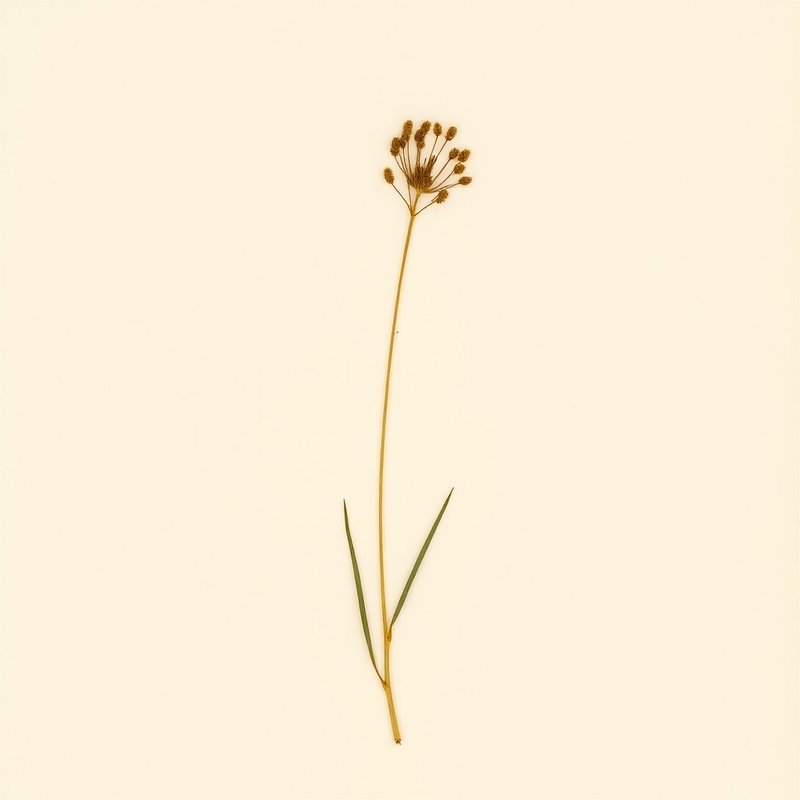
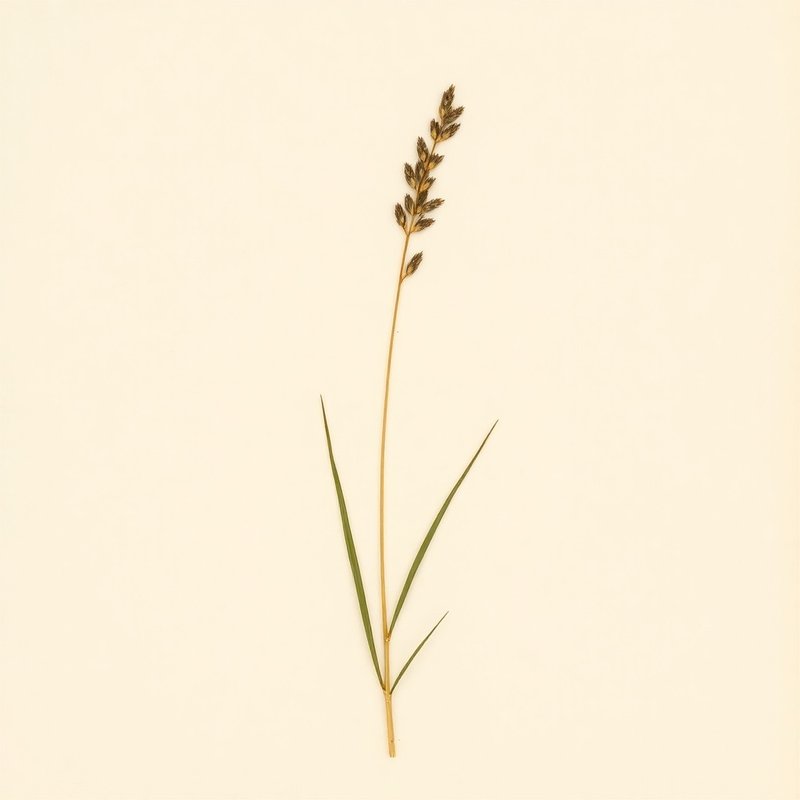
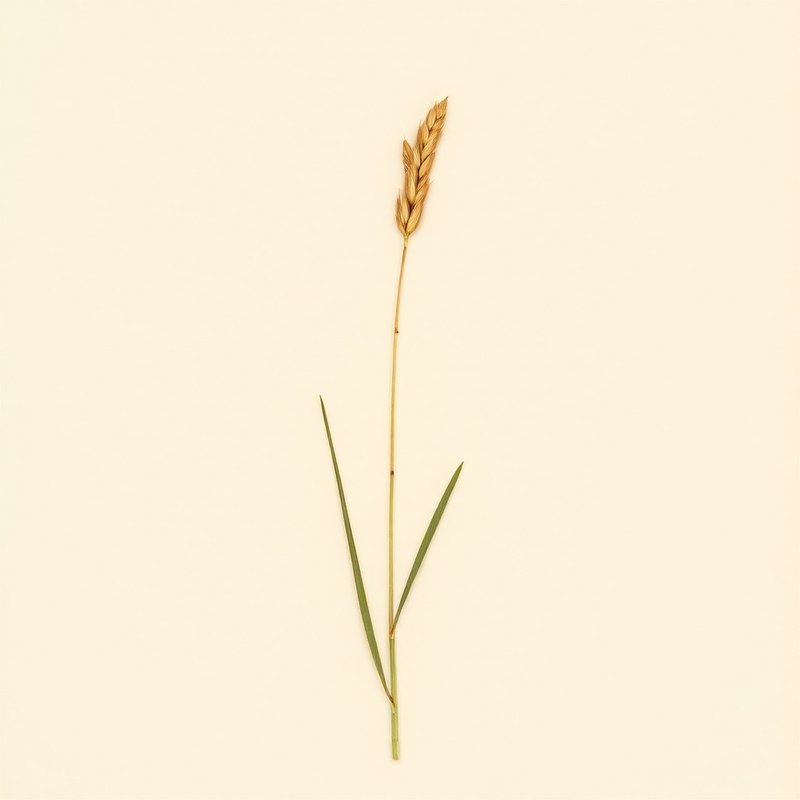
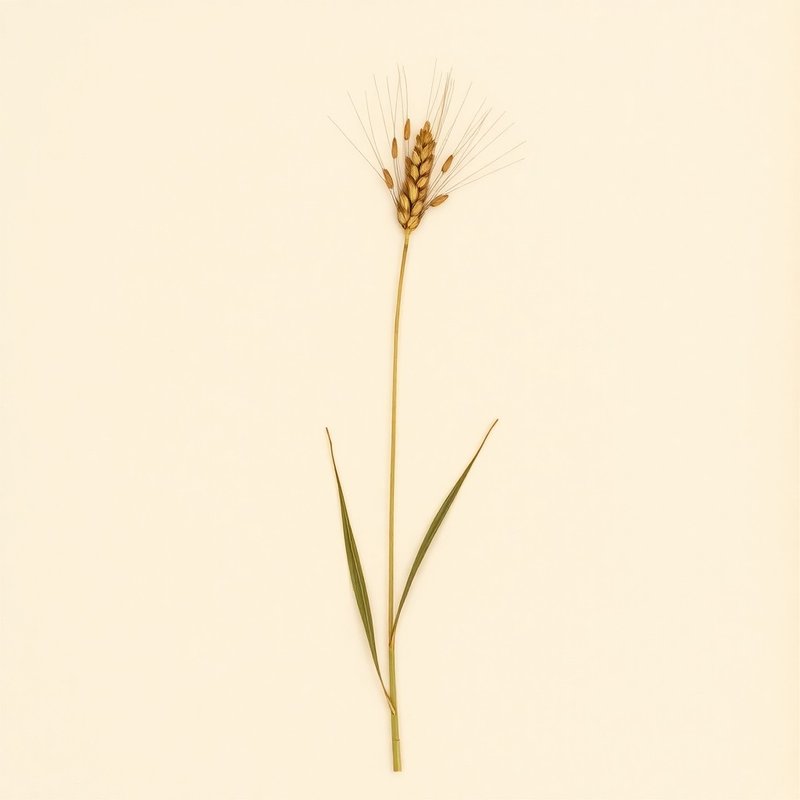
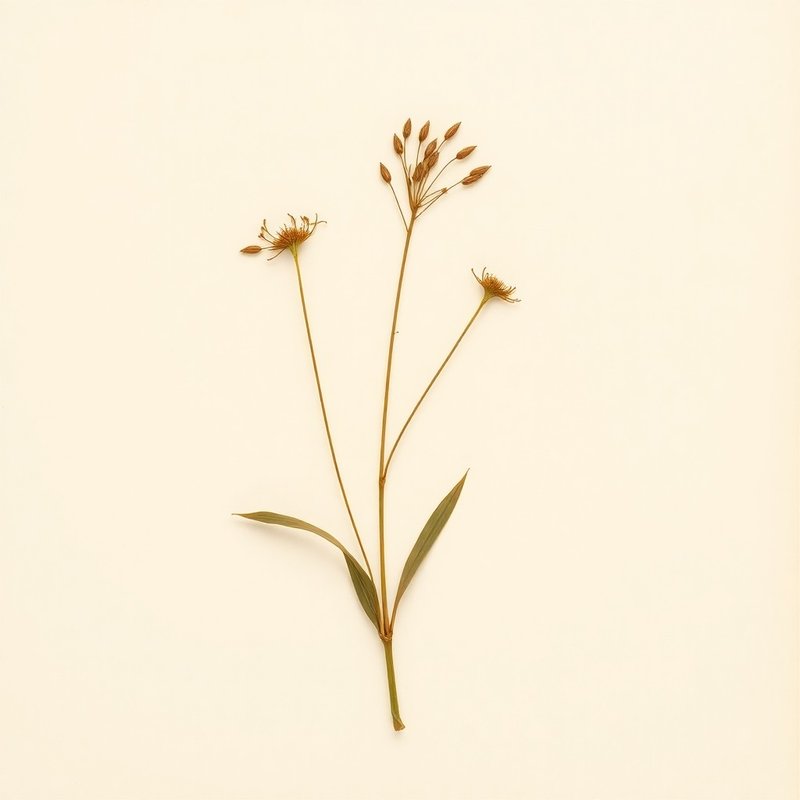
8 relatedPlants you might compare or use together — scored by shared family (Poaceae), common use cases, and growing requirements.
same family · Poaceae
Botanical relatives — often share phytochemistry + growing needs.
XI
Explore further
Companion planting
Compare with similar plants
Growing zone
Native to
XII
About this entry
- Last updated
- Citation
- How to cite this entry · Submit a correction
Back to the cataloguePlant id · 783c3ac3-162d-43a3-a35d-60042cdd5038
Decision aid
Choosing between Energy Cane and something else?
Continue reading
❦❦❦❦
Endpaper · archive updates
Get archive updates
Occasional email when substantial new content lands — plant profiles, seasonal growing notes, folk-remedy additions. Free, no tracking, unsubscribe anytime.
Newsletter returning soon.
We are rebuilding the update list around a lightweight editorial workflow. New dispatches will resume after the next content review cycle.