
Sugarcane
Saccharum officinarumfam. Poaceae
Educational content — not medical, botanical, or professional advice. Plant identification, safety, and edibility depend on local conditions, cultivars, and correct identification. Consult a qualified botanist or forager before consuming or handling wild specimens. How we source & review →

Pl. 652C — Saccharum officinarum
Saccharum officinarumSaccharum officinarumSaccharum officinarumSaccharum officinarumSaccharum officinarumSaccharum officinarumSaccharum officinarumSaccharum officinarumSaccharum officinarumSaccharum officinarumSaccharum officinarumSaccharum officinarumSaccharum officinarumSaccharum officinarum
IOverview
Overview
Sugarcane (Saccharum officinarum) is a tall, perennial grass native to New Guinea and cultivated widely for its sweet sap and edible stems. This plant thrives in moist, wet conditions with light to heavy soil types, thriving best in full sun. Known for its economic importance due to the production of sugar, sugarcane can grow up to 6 meters in height with a spread of about 2 meters. Its distinctive features include its robust, fibrous stems and adaptability to various soil pH levels between 4 and 7.
Quick answers
What is Sugarcane?
Sugarcane (Saccharum officinarum) is a tall, perennial grass native to New Guinea and cultivated widely for its sweet sap and edible stems. This plant thrives in moist, wet conditions with light to heavy soil types, thriving best in full sun.
Growingconditions · propagation · uses
VCultivation
Cultivation
Sugarcane thrives in full sun and requires moist to wet soils that can be light (sandy), medium, or heavy (clay). It is a perennial graminoid growing up to 6 meters tall with a spread of 2 meters. For best results, maintain soil pH between 4 and 7. Sugarcane is hardy in zones 8-12 but may be grown in other temperate regions with careful management. Propagate through stem cuttings for new plants.
Light
Full sun
Water
Moist, Wet
Soil
Light (sandy), Medium, Heavy (clay)
Hardiness
8-12
Life cycle
Perennial
Habit
Graminoid
Mature size
6.0 m × 2 m
Soil pH
4–7
For first-time growers
How to grow Sugarcane for the first time
8steps
Start with a simple, full-sun setup for your sugarcane.
- 1
What you'll need
A sunny spot in the garden or a large container, soil, and sugarcane rhizomes.
- 2
Best time to plant
Plant in spring when temperatures are consistently above 20°C (68°F).
- 3
Soil and container prep
Ensure the soil is moist, well-draining, and has a pH between 4-7. Use a large pot with drainage holes if planting in containers.
- 4
Sowing or transplanting
Plant rhizomes horizontally just below the soil surface, spacing them about 1 meter apart for easy growth.
- 5
First two weeks
Keep the soil consistently moist and provide full sun. Monitor for any signs of stress or pests.
- 6
Ongoing care
Water regularly to keep the soil moist but not waterlogged. Fertilize with a balanced, slow-release fertilizer every few months.
- 7
Harvest or pruning
Prune dead leaves and stems to maintain plant health. Harvest young shoots for use as edible parts.
- 8
Common mistakes
Overwatering, planting in too small a container, not providing enough sunlight, and neglecting regular fertilization.
VIEdible & utility
Edible & utility
Edible parts:SapStem
Edible uses: Drink, Sweetener
Other uses:AlcoholBiomassFiberAnimal feedFire startertextilesPolishWaxNitrogen fixer
Contextrange · companions · related
VIIDistribution
1 native · 29 introduced
Distribution
1 native · 29 introducedDistribution across4 continents· 1 native· 29 introduced
Europe1 region
introduced (1)Spain
Asia4 regions
introduced (4)BangladeshCambodiaChinaIndia
Americas2 regions
introduced (2)BahamasBelize
Africa7 regions
introduced (7)AlgeriaAngolaBeninBurkina FasoBurundiCameroonChad
Broader regions
native:New Guinea
introduced:Alabama, Brazil Northeast, Andaman Is., Bermuda, Bismarck Archipelago, Borneo, Brazil North, Aldabra, Brazil South, Brazil Southeast, Brazil West-Central, Caroline Is., Cayman Is., Central African Repu
IXSpecimen gallery
1 image
Specimen gallery
1 imageXSee also
8 related
See also
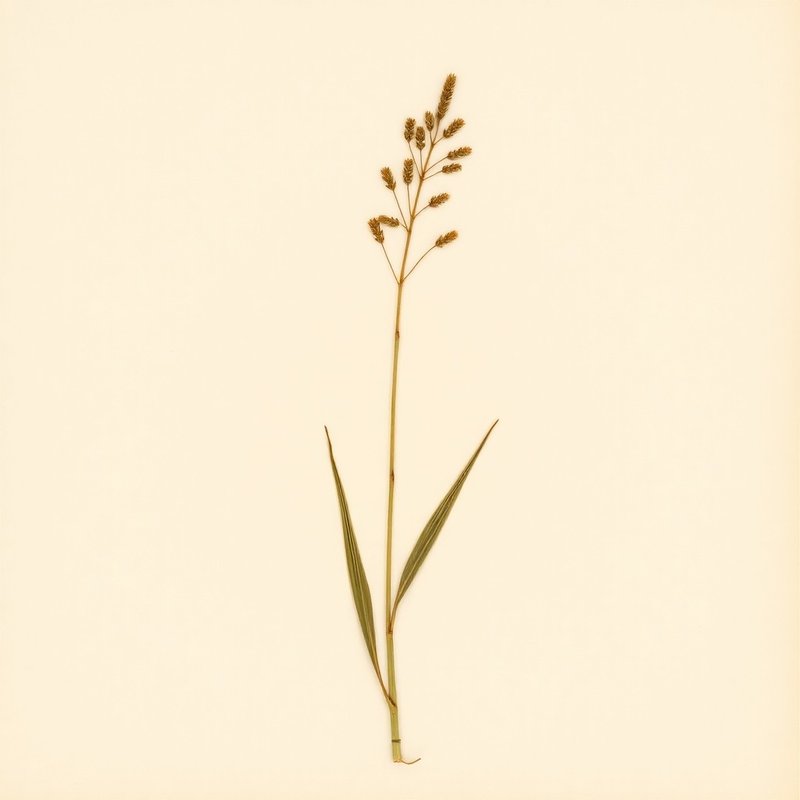
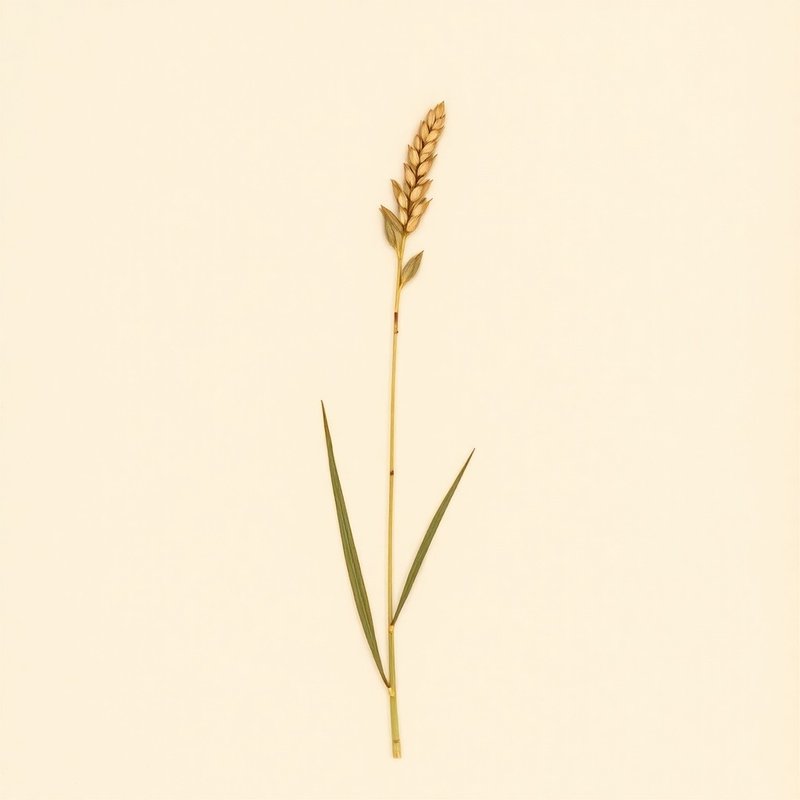
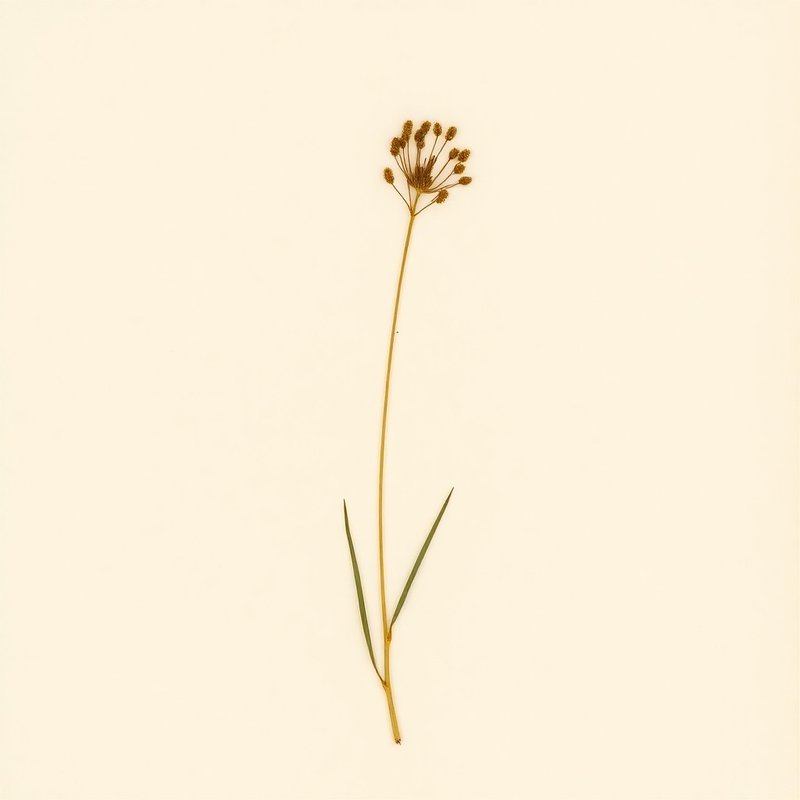
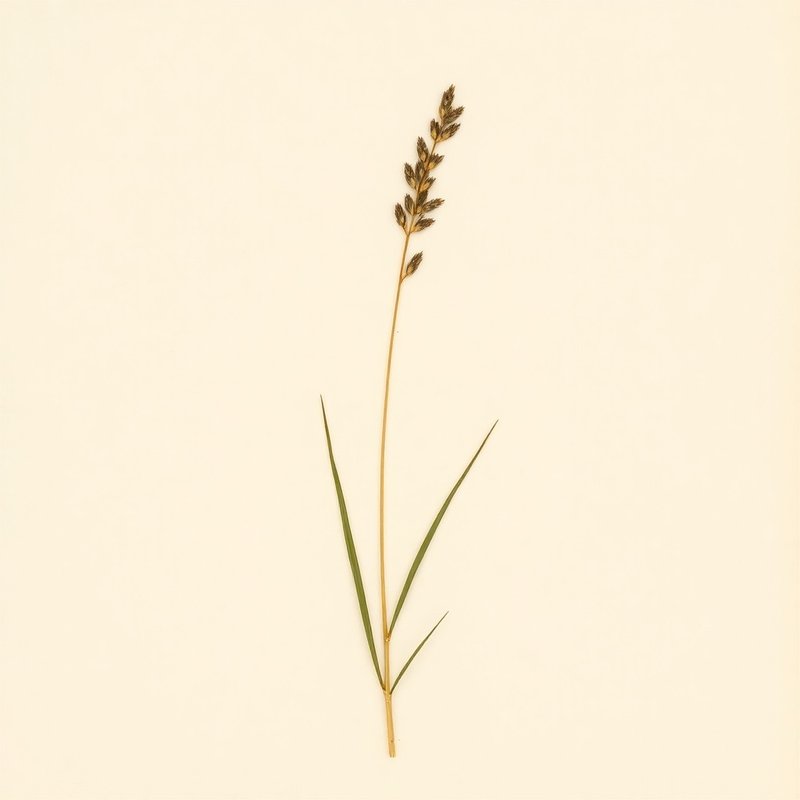
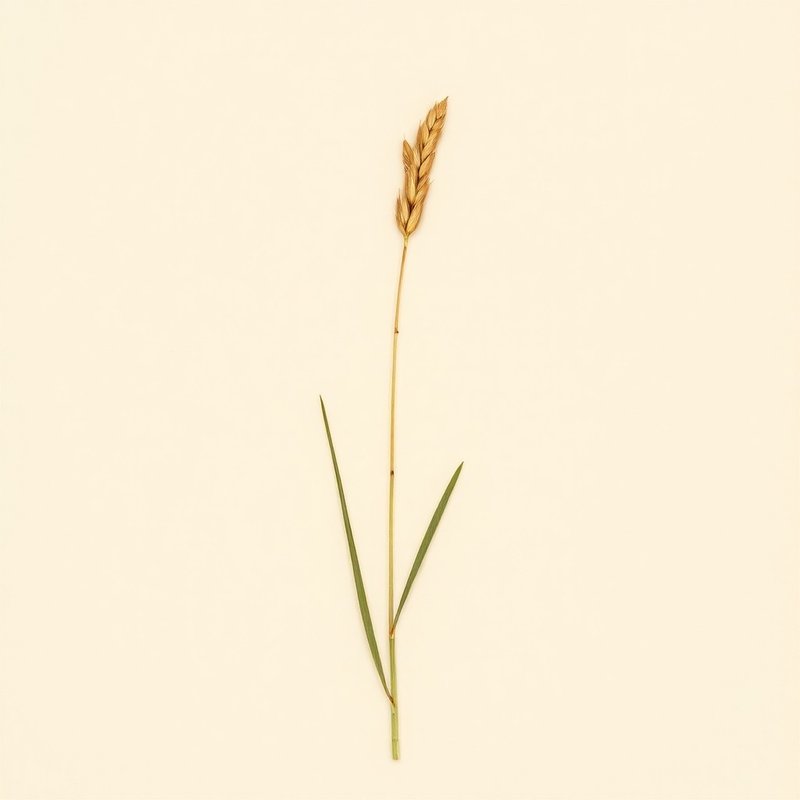
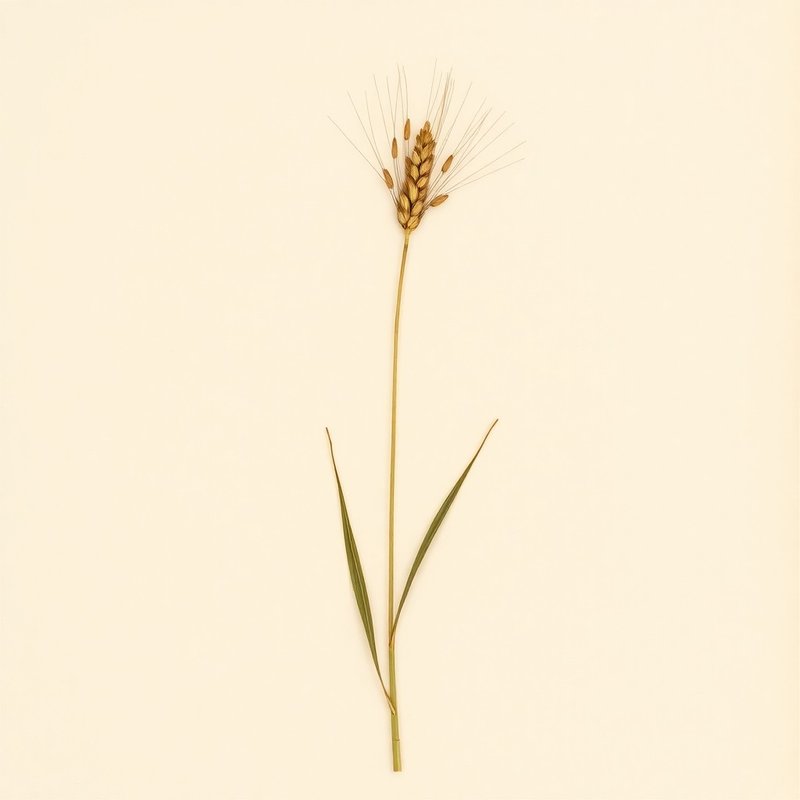
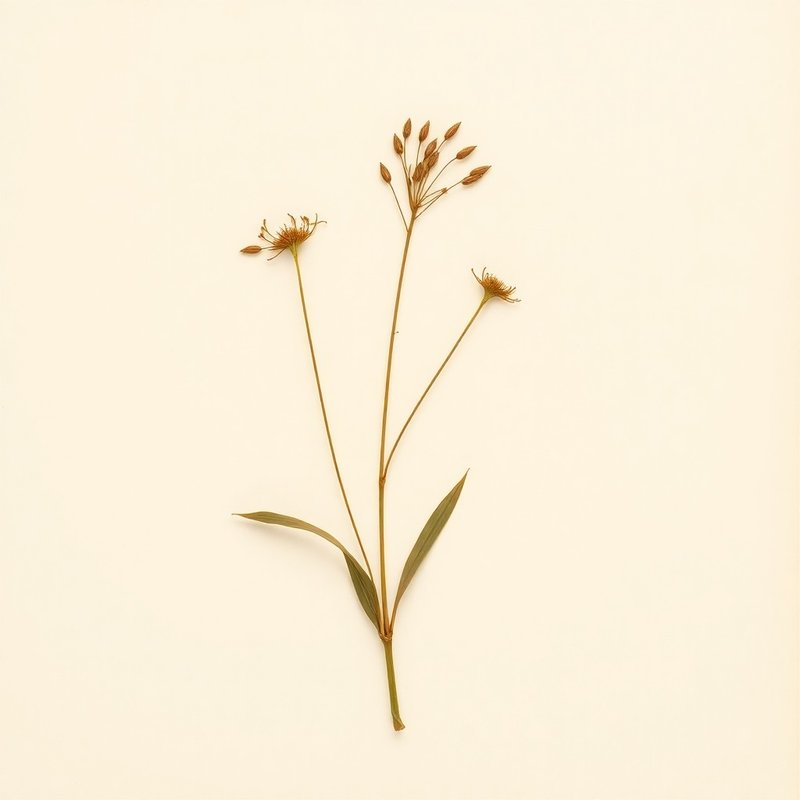
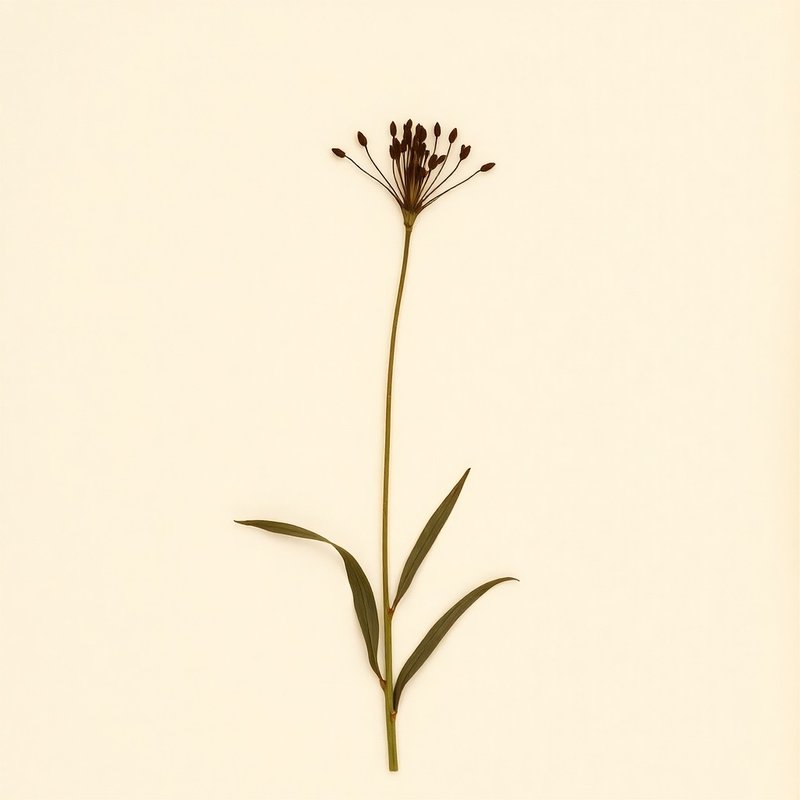
8 relatedPlants you might compare or use together — scored by shared family (Poaceae), common use cases, and growing requirements.
same family · Poaceae
Botanical relatives — often share phytochemistry + growing needs.
XI
Explore further
Companion planting
Compare with similar plants
Growing zone
XII
About this entry
- Last updated
- Citation
- How to cite this entry · Submit a correction
Back to the cataloguePlant id · 652c4c2d-c483-402d-9813-13bd8e238ad6
Decision aid
Choosing between Sugarcane and something else?
Continue reading
❦❦❦❦
Endpaper · archive updates
Get archive updates
Occasional email when substantial new content lands — plant profiles, seasonal growing notes, folk-remedy additions. Free, no tracking, unsubscribe anytime.