
Sedum oreganum
IOverview
Overview
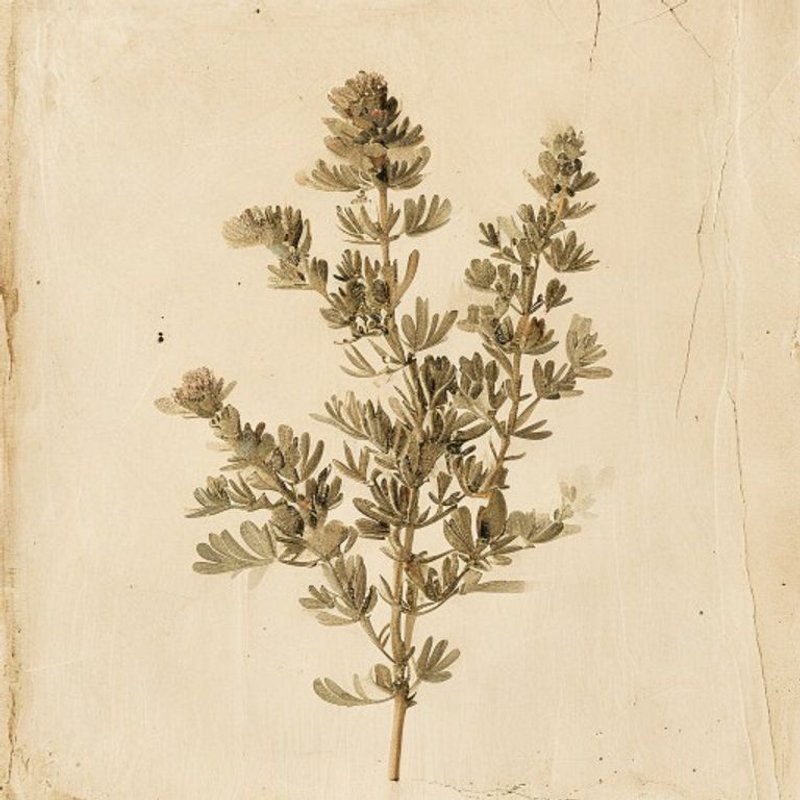
Sedum oreganum, commonly known as Oregon stonecrop, is a perennial herb native to the Pacific Northwest of North America, including Alaska, British Columbia, California, Oregon, and Washington. This plant thrives in full sun and can tolerate both dry and moist conditions, making it adaptable to various soil types such as light (sandy), medium, and heavy (clay). Known for its edible and medicinal properties, Sedum oreganum is often used in traditional remedies and culinary dishes. The plant reaches only about 0.2 meters in height, making it a low-growing, ground-covering herb. Its edible parts, including the leaves and shoots, can be eaten raw in salads or used as a garnish. The plant is also suitable for snacking straight from the ground, with no need for cooking or drying since these parts are typically consumed fresh. Oregon stonecrop is a distinctive forb/herb that is well-suited for use as a ground cover due to its low stature and ability to thrive in a variety of soil and moisture conditions. It is hardy in zones 5-9, making it a reliable choice for gardens and landscapes in these regions. While it is generally safe to consume, caution should be exercised when using any plant for medicinal purposes, and it is always advisable to consult with a healthcare professional before incorporating new herbs into a treatment regimen.
What is Sedum oreganum?
Sedum oreganum, commonly known as Oregon stonecrop, is a perennial herb native to the Pacific Northwest of North America, including Alaska, British Columbia, California, Oregon, and Washington.
IV·bMixology suggestions
2 drafts
Mixology suggestions
2 draftsVCultivation
Cultivation
How to grow Sedum oreganum for the first time
Start with Skip by planting it in a sunny spot and providing minimal care.
- 1
What you'll need
Skip plants, well-draining soil, a container if needed.
- 2
Best time to plant
Plant Skip in spring or fall when the weather is cooler.
- 3
Soil and container prep
Use light, sandy, medium, or clay soil. Ensure good drainage.
- 4
Sowing or transplanting
Transplant Skip from a nursery pot or sow seeds directly in the garden.
- 5
First two weeks
Water sparingly to avoid rotting the roots. Keep the soil slightly moist.
- 6
Ongoing care
Skip thrives in full sun and requires minimal watering once established.
- 7
Harvest or pruning
Prune Skip lightly to encourage bushy growth, but avoid cutting into old wood.
- 8
Common mistakes
Overwatering, planting in heavy shade, using rich compost.
VIEdible & utility
Edible & utility
VIIDistribution
5 native · 0 introduced
Distribution
5 native · 0 introducedIXSpecimen gallery
1 image
Specimen gallery
1 imageXSee also
8 related
See also
8 relatedPlants you might compare or use together — scored by shared family (Crassulaceae), common use cases, and growing requirements.
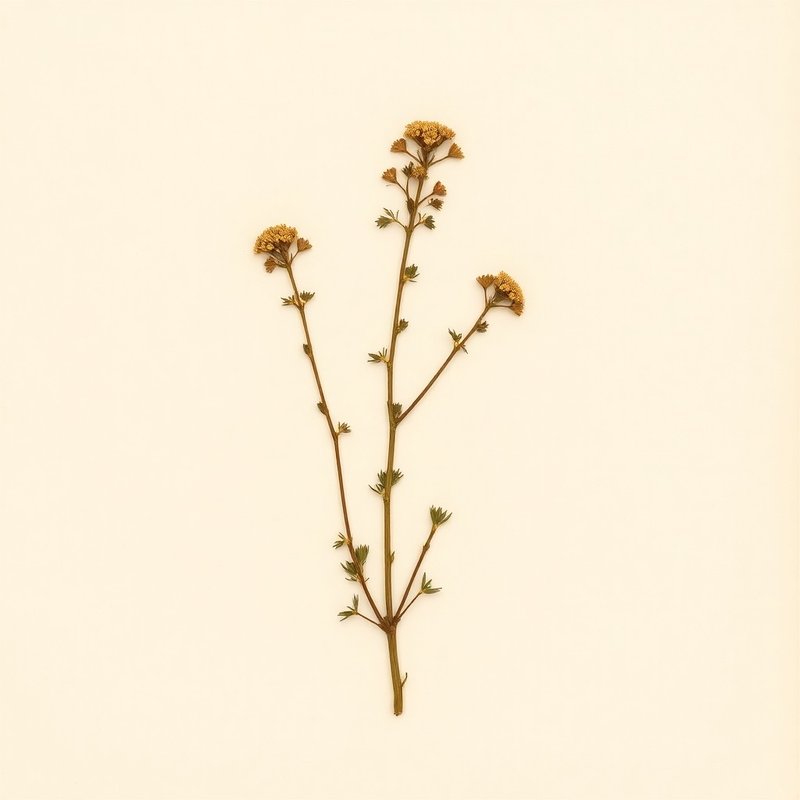
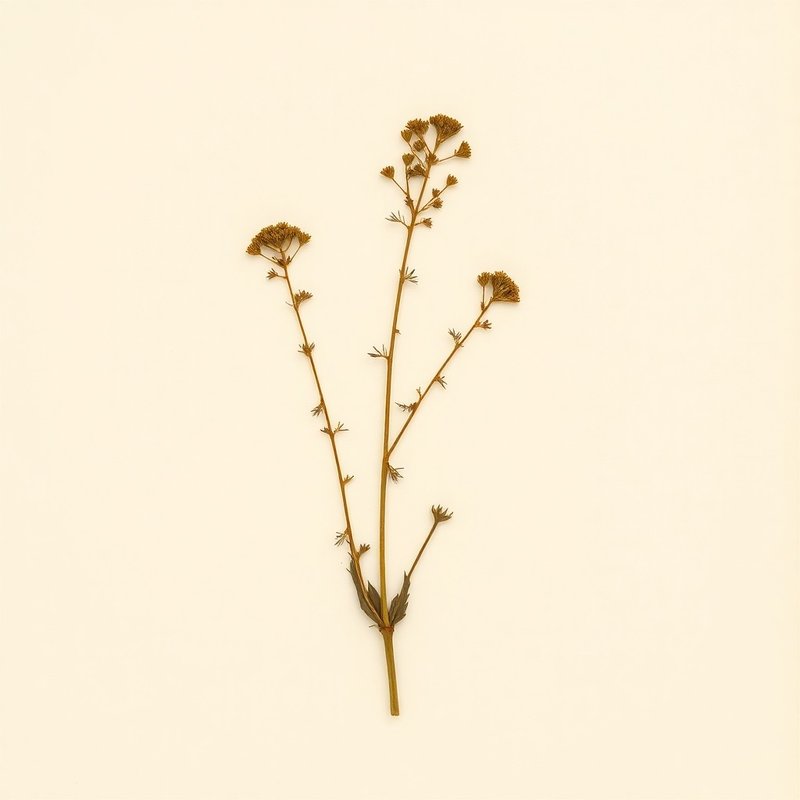

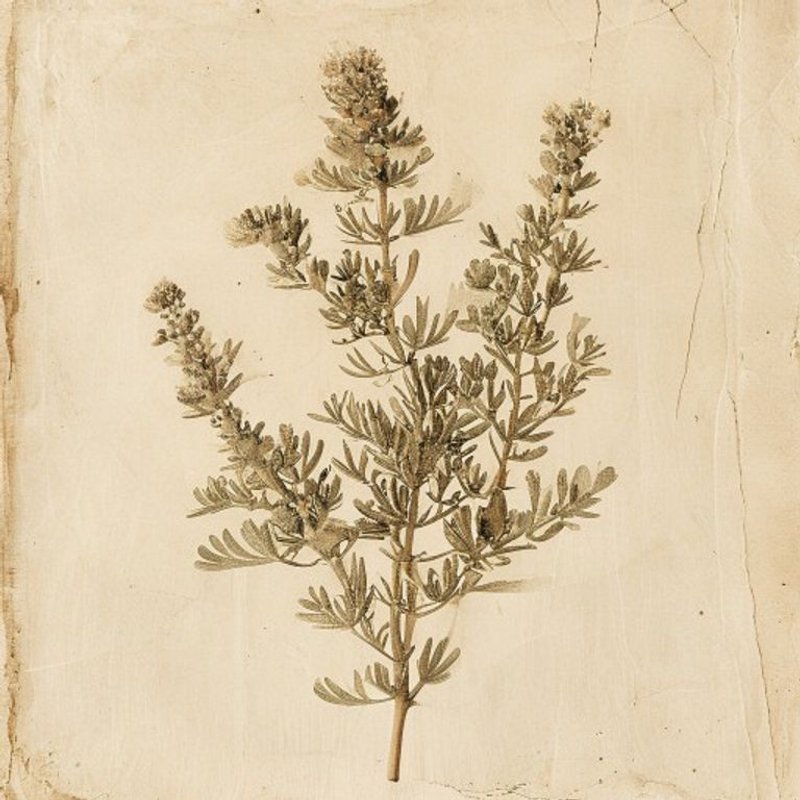
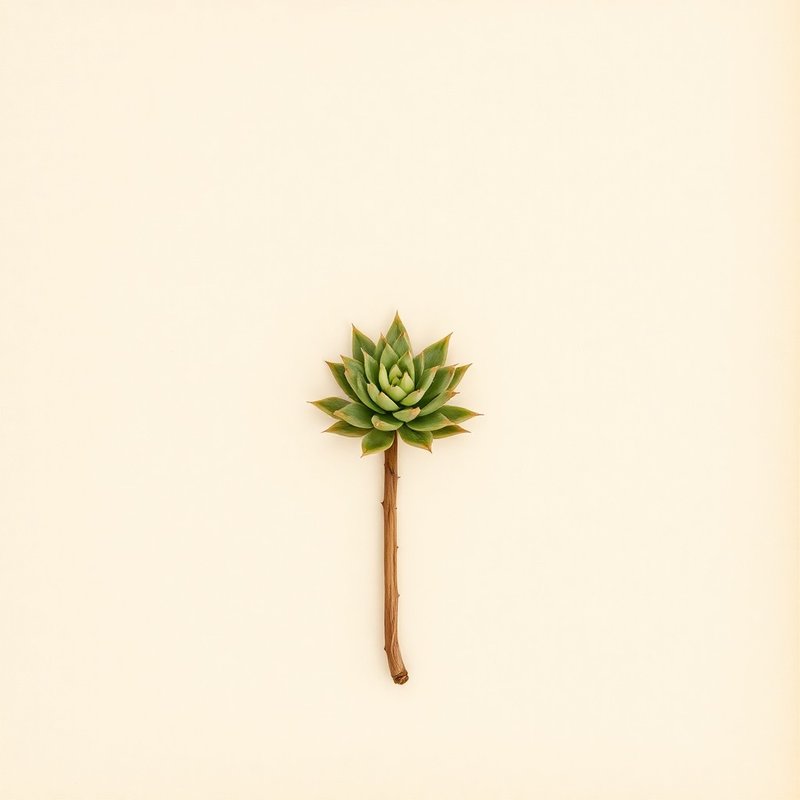
Explore further
About this entry
- Last updated
- Citation
- How to cite this entry · Submit a correction
Continue reading
Get archive updates
Occasional email when substantial new content lands — plant profiles, seasonal growing notes, folk-remedy additions. Free, no tracking, unsubscribe anytime.