
Wormleaf Stonecrop

IOverview
Overview
Wormleaf Stonecrop (Sedum stenopetalum), a perennial herb belonging to the Crassulaceae family, is native to the western regions of North America, including Alberta, British Columbia, California, Idaho, Montana, Oregon, Washington, and Wyoming. This plant thrives in a variety of soil types, from light (sandy) to medium and heavy (clay), and prefers full sun exposure, making it adaptable to both dry and moist conditions. Its distinctive, narrow leaves, which give it a worm-like appearance, make it a unique addition to gardens and landscapes. Wormleaf Stonecrop is both edible and medicinal. The leaves, which are the primary edible part, can be eaten raw or cooked, adding a mild, slightly sour taste to salads and other dishes. While the leaves can be steamed or boiled, their flavor diminishes significantly when dried. This plant is also valued for its ornamental qualities, with its small, narrow leaves providing a unique texture and appearance in the garden. In terms of cultivation, Wormleaf Stonecrop is hardy in USDA zones 5-9 and grows to a height of about 0.2 meters. It can be propagated through division or cuttings, making it relatively easy to grow and maintain. While it is drought-tolerant, it can also thrive in moist conditions, making it a versatile choice for gardeners in various climates.
What is Wormleaf Stonecrop?
Wormleaf Stonecrop (Sedum stenopetalum), a perennial herb belonging to the Crassulaceae family, is native to the western regions of North America, including Alberta, British Columbia, California, Idaho, Montana, Oregon, Washington, and Wyoming.
IV·bMixology suggestions
2 drafts
Mixology suggestions
2 draftsVCultivation
Cultivation
How to grow Wormleaf Stonecrop for the first time
Start with Wormleaf Stonecrop for a low-maintenance, beginner-friendly garden.
- 1
What you'll need
Wormleaf Stonecrop plants or seeds, small pots if starting from seed.
- 2
Best time to plant
Plant in spring after the last frost or in fall before the first freeze.
- 3
Soil and container prep
Use well-draining soil; avoid heavy clay. Containers should have drainage holes.
- 4
Sowing or transplanting
Start seeds indoors 6-8 weeks before planting outside. Transplant young plants after danger of frost passes.
- 5
First two weeks
Water sparingly to keep soil moist but not wet. Place in a sunny spot once outdoors.
- 6
Ongoing care
Water only when the soil is dry, especially during hot weather. Provide full sun and well-draining soil.
- 7
Harvest or pruning
Prune dead leaves to maintain plant health. Harvest young leaves for culinary use.
- 8
Common mistakes
Overwatering, planting in heavy soil, not providing enough sunlight.
VIEdible & utility
Edible & utility
VIIDistribution
8 native · 0 introduced
Distribution
8 native · 0 introducedIXSpecimen gallery
1 image
Specimen gallery
1 imageXSee also
8 related
See also
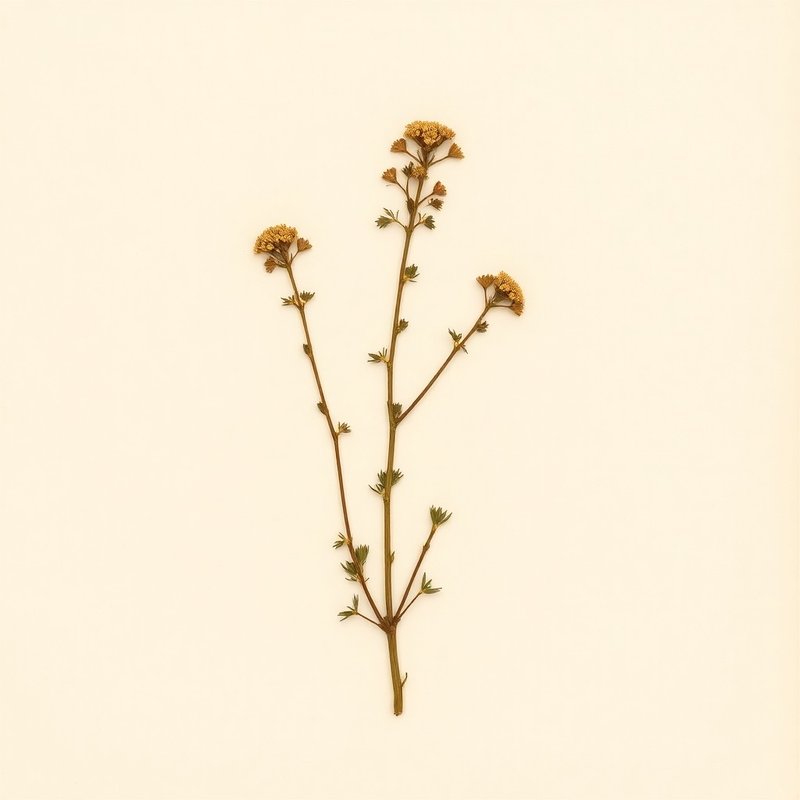
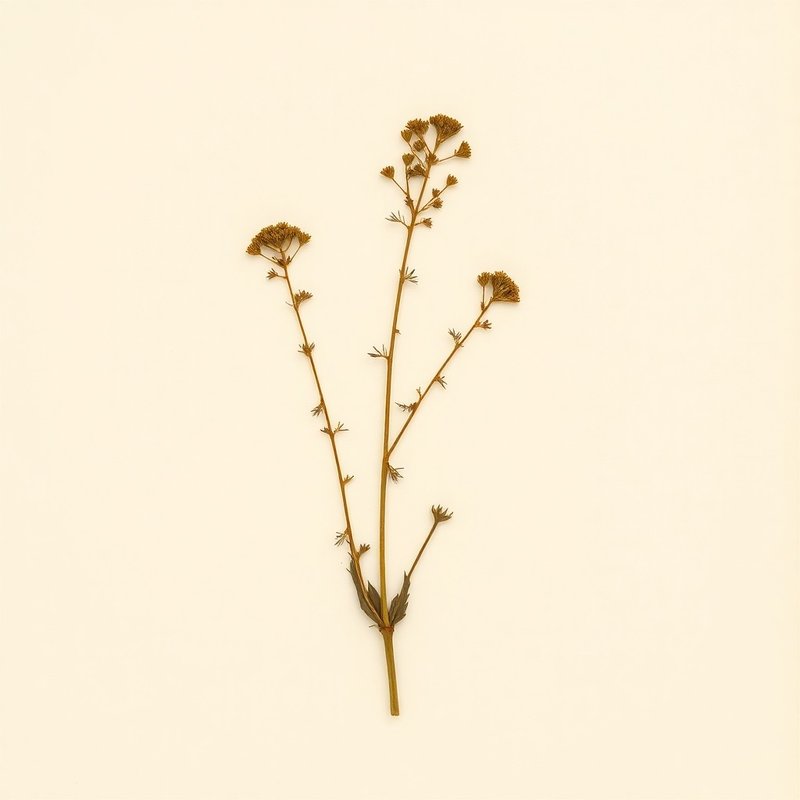
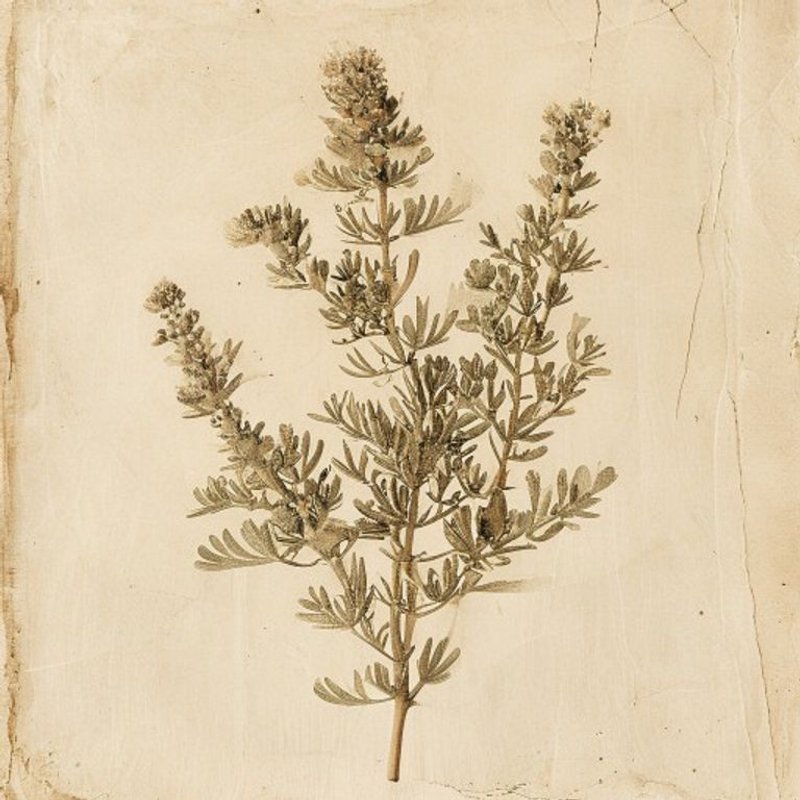
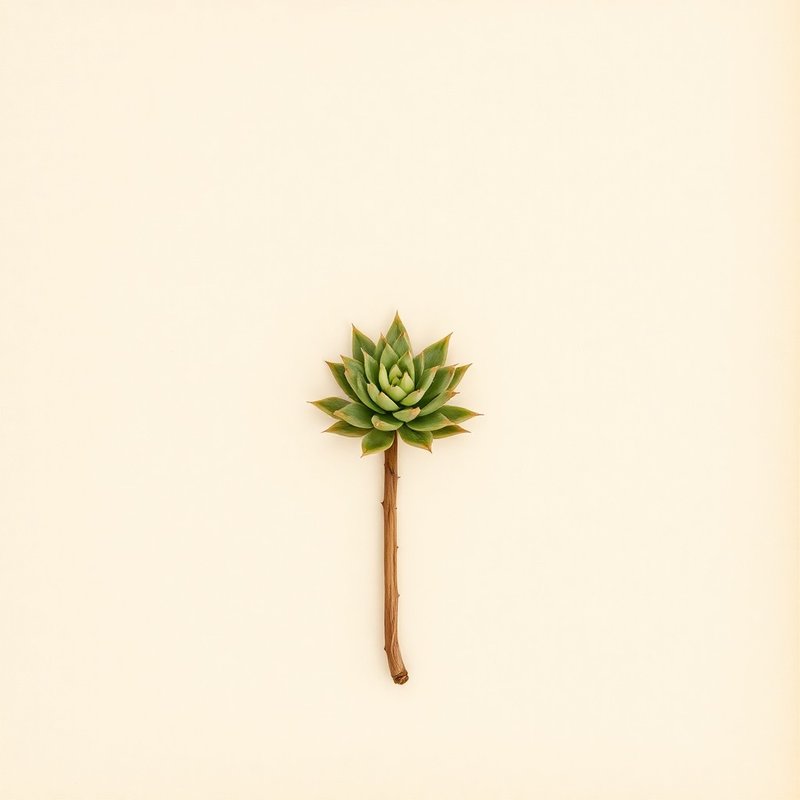
8 relatedPlants you might compare or use together — scored by shared family (Crassulaceae), common use cases, and growing requirements.
Explore further
About this entry
- Last updated
- Citation
- How to cite this entry · Submit a correction
Continue reading
Get archive updates
Occasional email when substantial new content lands — plant profiles, seasonal growing notes, folk-remedy additions. Free, no tracking, unsubscribe anytime.