
stringy stonecrop
Sedum sarmentosumfam. Crassulaceae
Educational content — not medical, botanical, or professional advice. Always consult a qualified clinician before using any herbal preparation — especially during pregnancy, breastfeeding, while on medication, or for children. How we source & review →
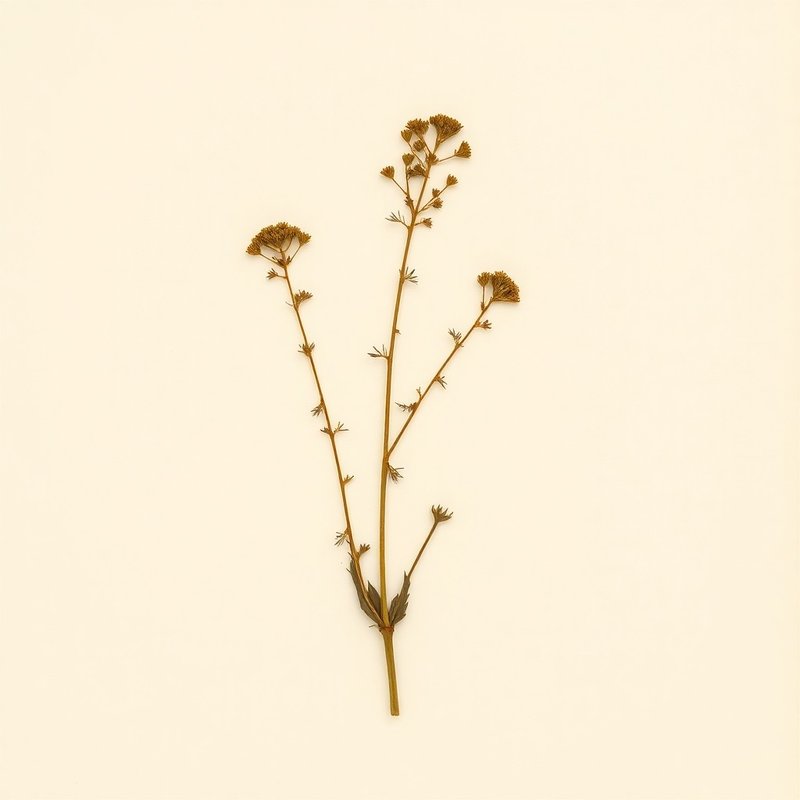
Pl. 1DB1 — Sedum sarmentosum
Sedum sarmentosumSedum sarmentosumSedum sarmentosumSedum sarmentosumSedum sarmentosumSedum sarmentosumSedum sarmentosumSedum sarmentosumSedum sarmentosumSedum sarmentosumSedum sarmentosumSedum sarmentosumSedum sarmentosumSedum sarmentosum
IOverview
Overview
Stringy stonecrop (Sedum sarmentosum) is a perennial forb or herb found in China North-Central, South-Central, and Southeast, Japan, Korea, Manchuria, Thailand, and Vietnam. This plant thrives in full sun to light shade with dry to moist soil conditions that can range from light sandy to heavy clay. It is hardy in zones 6-9 and grows to a height of about 0.1 meters. Known for its edible leaves, stringy stonecrop also has documented medicinal uses. Its distinctive feature lies in its creeping habit and stringy texture, making it an interesting addition to gardens or landscapes where low-maintenance plants are desired.
Quick answers
What is stringy stonecrop?
Stringy stonecrop (Sedum sarmentosum) is a perennial forb or herb found in China North-Central, South-Central, and Southeast, Japan, Korea, Manchuria, Thailand, and Vietnam. This plant thrives in full sun to light shade with dry to moist soil conditions that can range from light sandy to heavy clay.
IV·bMixology suggestions
2 drafts
Mixology suggestions
2 draftsEditorial drafts. These pairings are AI-suggested from traditional herbal lore. Always verify with a qualified herbalist before brewing.
Digestive Harmony
digestiontea
Historically used for digestive issues.
Growingconditions · propagation · uses
VCultivation
Cultivation
Stringy stonecrop thrives in full sun and prefers well-draining soil that can be light (sandy), medium, or heavy (clay). It is drought-tolerant but will also grow in moist conditions. This perennial plant is hardy in zones 6-9 and can reach a height of about 10 cm. Propagate by division or stem cuttings. The edible parts are the leaves, which can be harvested throughout the growing season.
Light
Full sun
Water
Dry, Moist
Soil
Light (sandy), Medium, Heavy (clay)
Hardiness
6-9
Life cycle
Perennial
Habit
Forb/herb
Mature size
0.1 m tall
For first-time growers
How to grow stringy stonecrop for the first time
8steps
Start with stringy stonecrop for a low-maintenance, beginner-friendly project.
- 1
What you'll need
Stringy stonecrop plants or cuttings, well-draining soil mix, and a sunny spot in your garden.
- 2
Best time to plant
Plant stringy stonecrop in spring after the last frost or in early fall.
- 3
Soil and container prep
Use a well-draining potting mix for containers, ensuring there are drainage holes. For garden beds, prepare soil by loosening it and removing weeds.
- 4
Sowing or transplanting
Transplant young plants from the nursery into your prepared garden bed or container. Space them about 30 cm apart to allow room for growth.
- 5
First two weeks
Water sparingly, allowing the soil to dry out between waterings. Keep an eye on new plantings and protect from extreme weather.
- 6
Ongoing care
Stringy stonecrop thrives in full sun but can tolerate partial shade. Water only when necessary, especially during dry spells. Prune lightly if needed to maintain shape.
- 7
Harvest or pruning
Prune stringy stonecrop to encourage bushier growth and remove any dead or damaged parts as needed.
- 8
Common mistakes
Overwatering, planting in heavy soil, not providing enough sunlight, and neglecting to prune.
VIEdible & utility
Edible & utility
Edible parts:Leaves
Edible uses: The stringy stonecrop's leaves are edible and can be eaten raw or cooked. They are often used in salads for their mild flavor or added to soups and stews for texture. The leaves can also be dried and used as a tea substitute.
Contextrange · companions · related
VIIDistribution
8 native · 22 introduced
Distribution
8 native · 22 introducedDistribution across1 continent· 8 native· 22 introduced
Asia5 regions
native (5)ChinaJapanSouth KoreaThailandVietnam
Broader regions
introduced:Indiana, Iowa, Kentucky, Louisiana, Maine, Maryland, Massachusetts, Michigan, Missouri, New Hampshire, New Jersey, New York, North Carolina, Ohio, Ontario, Pennsylvania, Québec, South Carolina, Tennessee, Vermont, Virginia, West Virginia
IXSpecimen gallery
1 image
Specimen gallery
1 imageXSee also
8 related
See also
8 relatedPlants you might compare or use together — scored by shared family (Crassulaceae), common use cases, and growing requirements.
same family · Crassulaceae
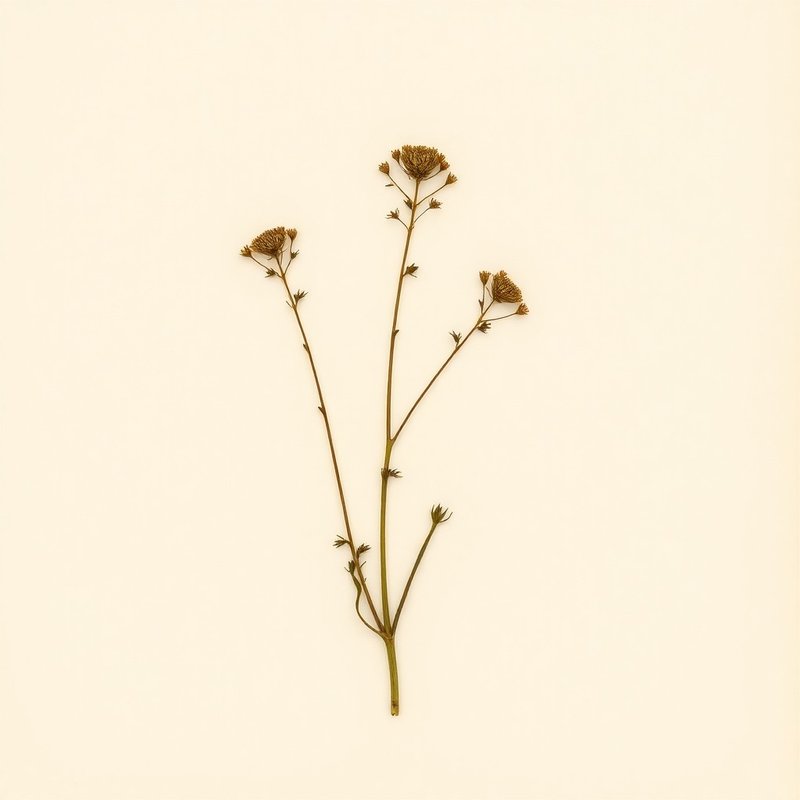
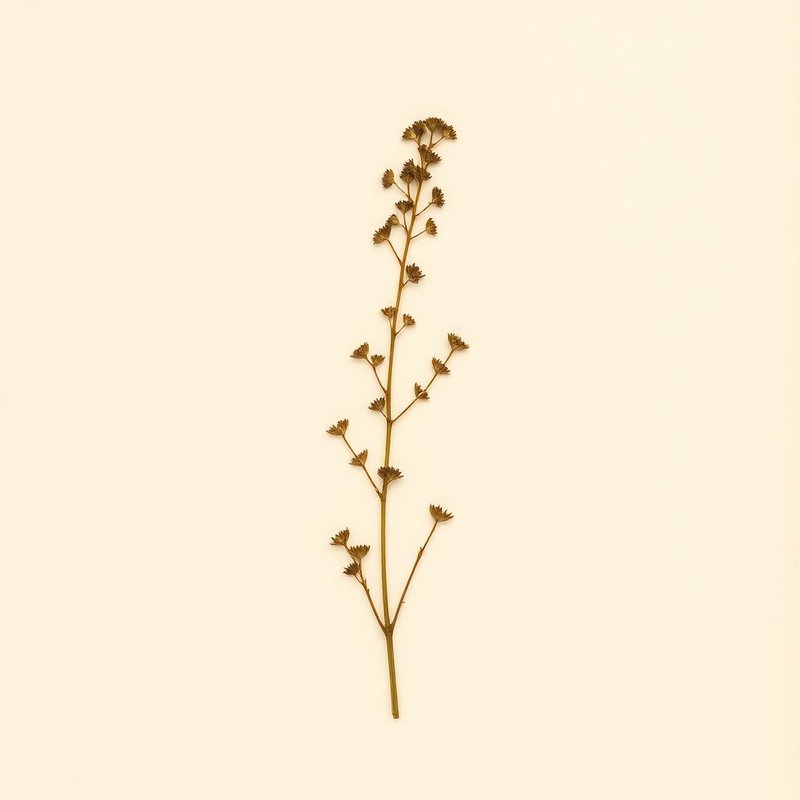
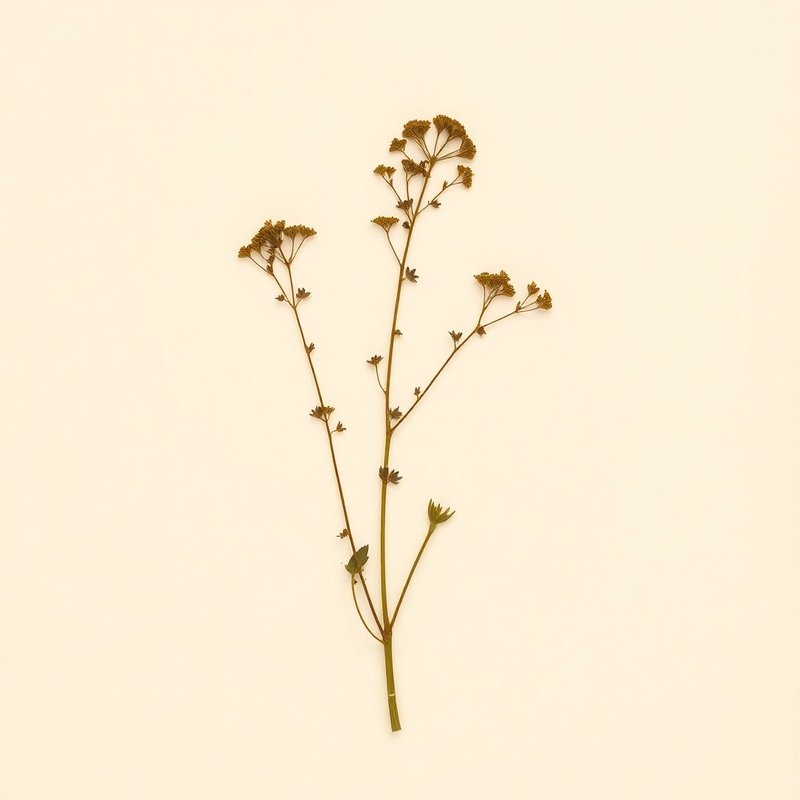
Botanical relatives — often share phytochemistry + growing needs.

XI
Explore further
Companion planting
Compare with similar plants
Growing zone
XII
About this entry
- Last updated
- Citation
- How to cite this entry · Submit a correction
Back to the cataloguePlant id · 1db16f23-0e1f-4ec8-9898-4ff2f18268df
Decision aid
Choosing between stringy stonecrop and something else?
Continue reading
❦❦❦❦
Endpaper · archive updates
Get archive updates
Occasional email when substantial new content lands — plant profiles, seasonal growing notes, folk-remedy additions. Free, no tracking, unsubscribe anytime.