
Stinking Cassia
Senna torafam. Fabaceae
Educational content — not medical, botanical, or professional advice. Plant identification, safety, and edibility depend on local conditions, cultivars, and correct identification. Consult a qualified botanist or forager before consuming or handling wild specimens. How we source & review →
Garden journal pausedUse profile notes below
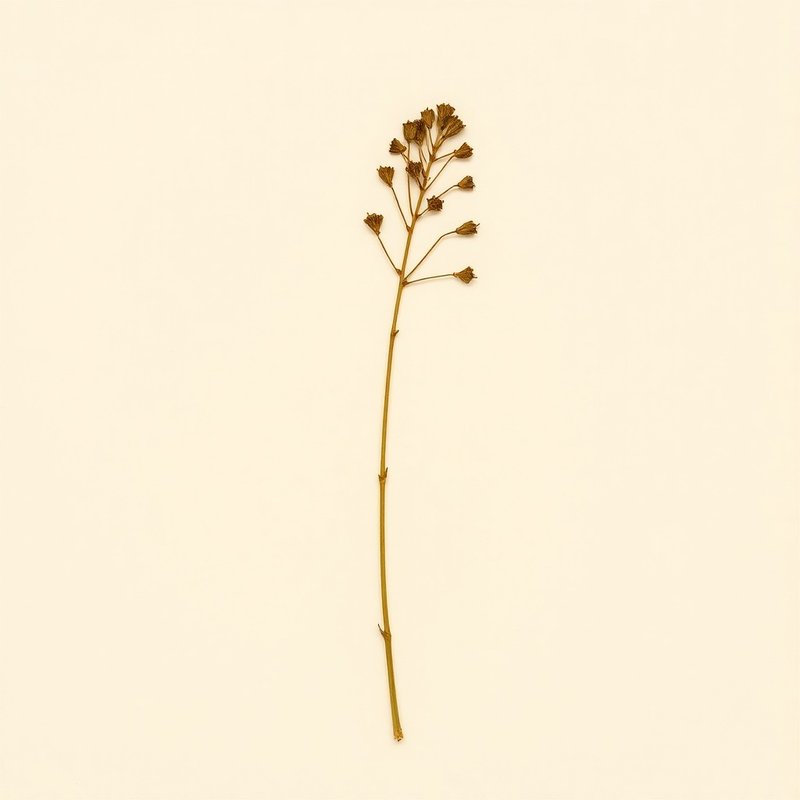
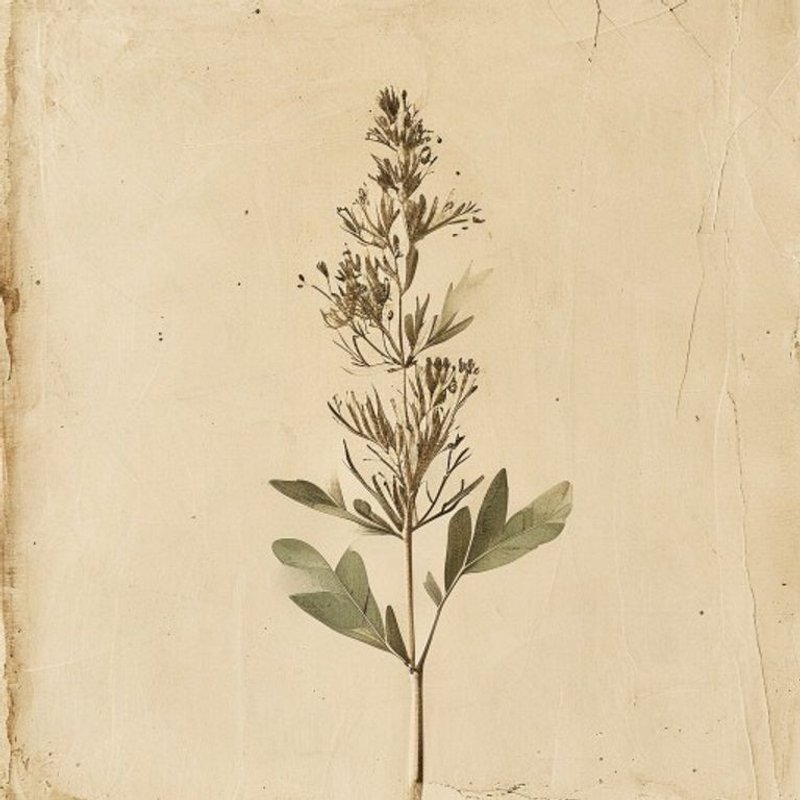
Pl. FD26 — Senna tora
Senna toraSenna toraSenna toraSenna toraSenna toraSenna toraSenna toraSenna toraSenna toraSenna toraSenna toraSenna toraSenna toraSenna tora
IOverview
Overview
Stinking Cassia, scientifically known as Senna tora, is an annual forb or herb that thrives in moist, light (sandy), medium, or heavy (clay) soils. Native to Belize and El Salvador, this plant is widely distributed across a vast range of regions, including parts of Asia, Africa, and Oceania. Stinking Cassia prefers full to partial sun and can grow up to 1 meter tall. Despite its common name, the plant does not emit a particularly strong odor, making it less noticeable in gardens or landscapes. Edible and ornamental, Stinking Cassia is valued for its culinary use, particularly in the form of its leaves, which can be used as a coffee substitute. Its adaptability and widespread introduction into various regions make it a versatile plant for gardeners and horticulturists. The plant's light and soil preferences indicate its ability to thrive in diverse environments, making it a suitable choice for gardeners looking to add a hardy and versatile species to their landscapes. In cultivation, Stinking Cassia requires consistent moisture and can tolerate a range of soil types, from sandy to clay. Its annual nature and ability to grow in full to partial sun make it adaptable in various garden settings. For propagation, seeds can be sown directly in the garden once the danger of frost has passed. Given its hardy nature, Stinking Cassia should perform well in temperate regions with adequate moisture and light conditions. While not medicinal, its practical uses in pest control and tannin production make it a valuable plant for those interested in sustainable gardening practices.
Quick answers
What is Stinking Cassia?
Stinking Cassia, scientifically known as Senna tora, is an annual forb or herb that thrives in moist, light (sandy), medium, or heavy (clay) soils. Native to Belize and El Salvador, this plant is widely distributed across a vast range of regions, including parts of Asia, Africa, and Oceania.
Compare with:African Oil Bean Oil Bean Tree→African Walnut→Allanblackia parviflora→all comparisons →
Growingconditions · propagation · uses
VCultivation
Cultivation
Stinking Cassia thrives in full to partial sun and prefers moist soil that can be light (sandy), medium, or heavy (clay). This annual plant grows up to 1 meter tall and is native to Belize and El Salvador. It requires consistent moisture but can tolerate a range of soil types. For cultivation, ensure the soil remains consistently moist while providing ample sunlight. Propagation is straightforward through seeds, which can be sown directly in the garden once the danger of frost has passed. Given its hardy nature, Stinking Cassia should perform well in temperate regions with adequate moisture and light conditions.
Light
Full sun, Partial sun/shade
Water
Moist
Soil
Light (sandy), Medium, Heavy (clay)
Life cycle
Annual
Habit
Forb/herb
Mature size
1.0 m tall
For first-time growers
How to grow Stinking Cassia for the first time
7steps
Start with Stinking Cassia as a simple annual herb, focusing on basic care and harvesting.
- 1
What you'll need
Seeds or seedlings, potting soil, containers or garden space.
- 2
Best time to plant
Plant in spring after the last frost, when temperatures are warm.
- 3
Soil and container prep
Use well-draining soil; for containers, choose a mix suitable for herbs.
- 4
Sowing or transplanting
Direct sow seeds 1 cm deep in the garden or start seedlings indoors before transplanting.
- 5
First two weeks
Water regularly to keep soil moist; avoid overwatering, which can lead to root rot.
- 6
Ongoing care
Provide full sun for best growth and regular watering. Prune occasionally to encourage bushiness.
- 7
Harvest or pruning
Prune regularly to maintain size and shape; harvest leaves as needed, but avoid overharvesting.
VIEdible & utility
Edible & utility
Edible parts:Leaves
Edible uses: Coffee
Other uses:Pest controlTannin
Contextrange · companions · related
VIIDistribution
2 native · 80 introduced
Distribution
2 native · 80 introducedDistribution across5 continents· 2 native· 80 introduced
Europe1 region
introduced (1)Ukraine
Asia18 regions
introduced (18)BangladeshCambodiaChinaIndiaLaosMaldivesMyanmarNepalOmanPakistanPhilippinesSaudi ArabiaSouth KoreaSri LankaTaiwanThailandVietnamYemen
Americas2 regions
native (2)BelizeEl Salvador
Africa18 regions
introduced (18)BeninCameroonChadGambiaGhanaGuineaLiberiaMadagascarMaliMauritaniaMauritiusNigeriaSenegalSeychellesSierra LeoneSudanTanzaniaTogo
Oceania4 regions
introduced (4)FijiNew CaledoniaSamoaTonga
Broader regions
introduced:Alabama, Andaman Is., Bismarck Archipelago, Borneo, Central African Repu, Cook Is., East Himalaya, Gulf of Guinea Is., Hainan, Jawa, Laccadive Is., Lesser Sunda Is., Malaya, Marianas, Marquesas, Nansei-shoto, New Guinea, Nicobar Is., Northern Territory, Primorye, Queensland, Réunion, Rodrigues, Society Is., Socotra, Solomon Is., South China Sea, Sumatera, Trinidad-Tobago, Wallis-Futuna Is., West Himalaya, Western Australia, Zaïre
IXSpecimen gallery
1 image
Specimen gallery
1 imageXSee also
8 related
See also
8 relatedPlants you might compare or use together — scored by shared family (Fabaceae), common use cases, and growing requirements.
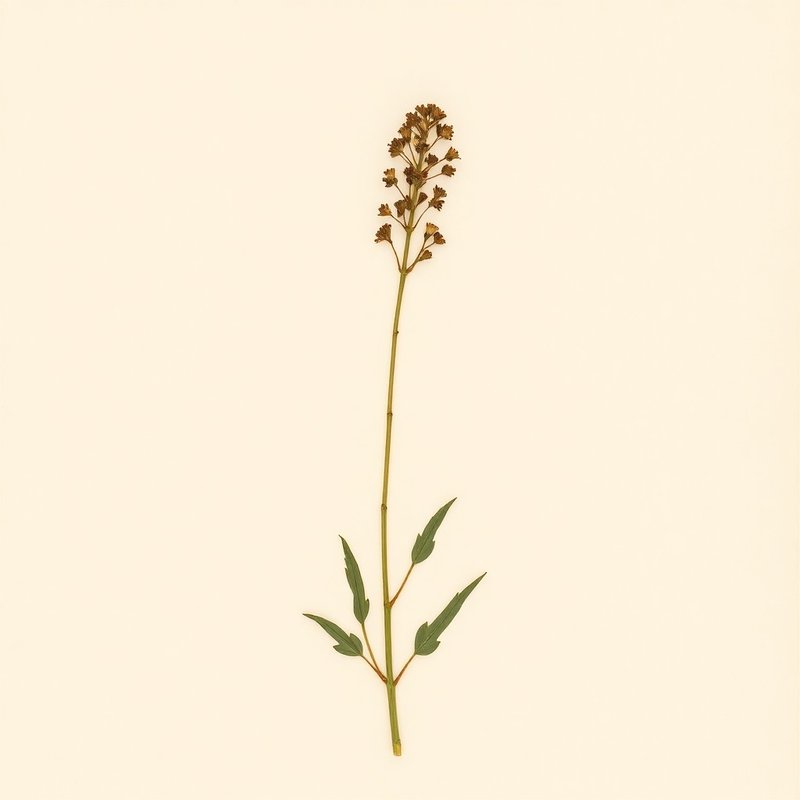
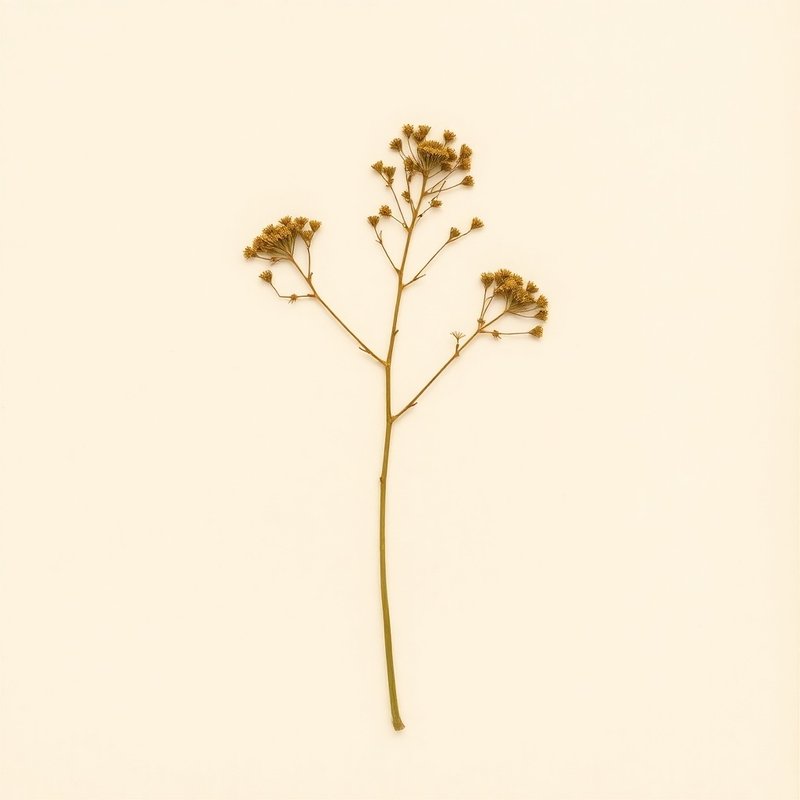
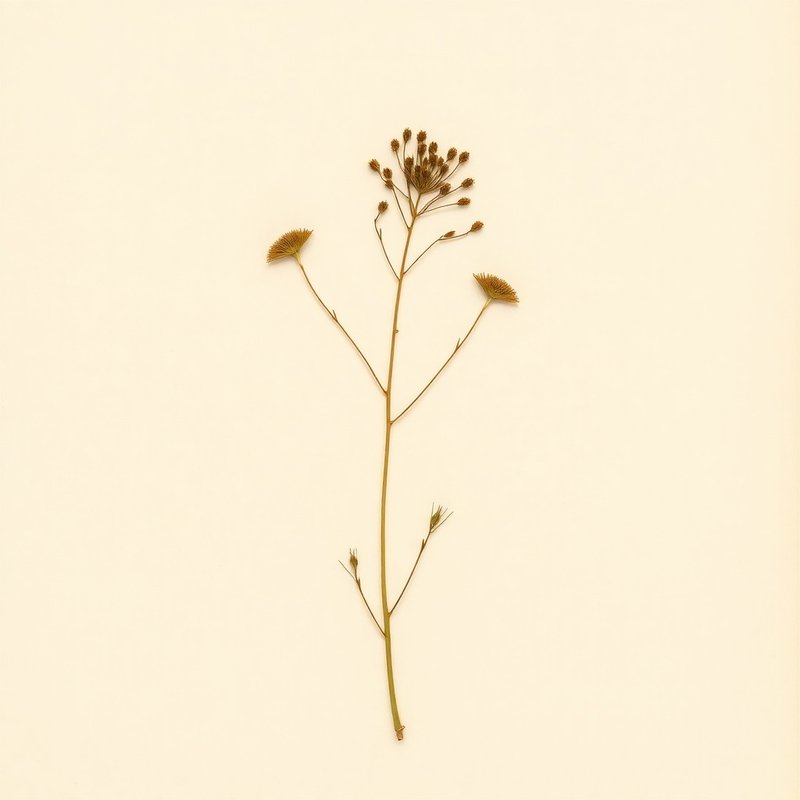
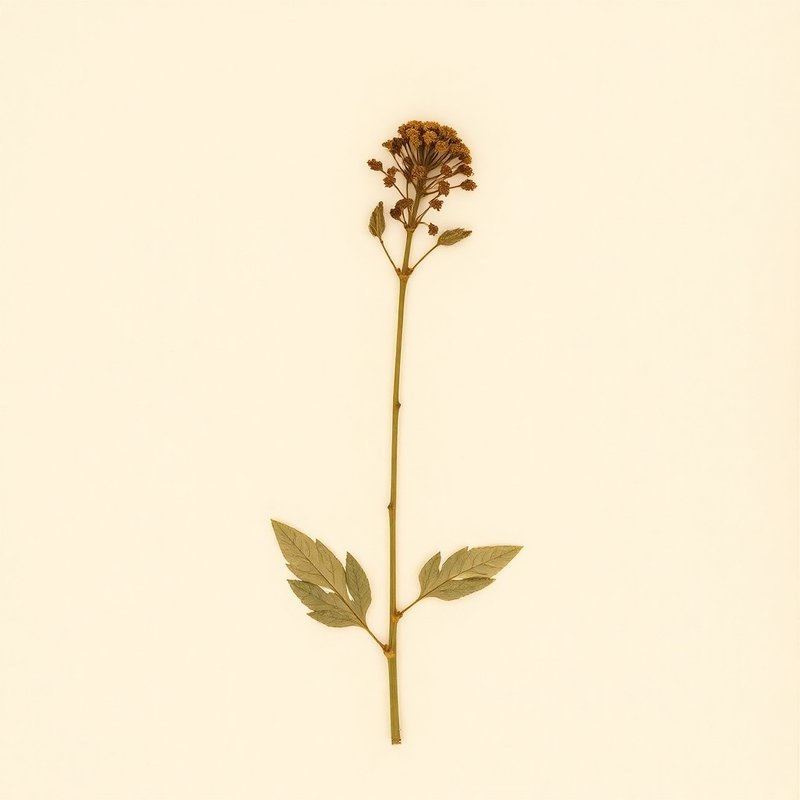
same family · Fabaceae
Botanical relatives — often share phytochemistry + growing needs.
XI
Explore further
Companion planting
Compare with similar plants
Native to
XII
About this entry
- Last updated
- Citation
- How to cite this entry · Submit a correction
Back to the cataloguePlant id · fd2601ea-f21f-4b5b-837a-f0a0c5a9a9a3
Decision aid
Choosing between Stinking Cassia and something else?
Continue reading
❦❦❦❦
Endpaper · archive updates
Get archive updates
Occasional email when substantial new content lands — plant profiles, seasonal growing notes, folk-remedy additions. Free, no tracking, unsubscribe anytime.
Newsletter returning soon.
We are rebuilding the update list around a lightweight editorial workflow. New dispatches will resume after the next content review cycle.