
Sium sisarum
IOverview
Overview
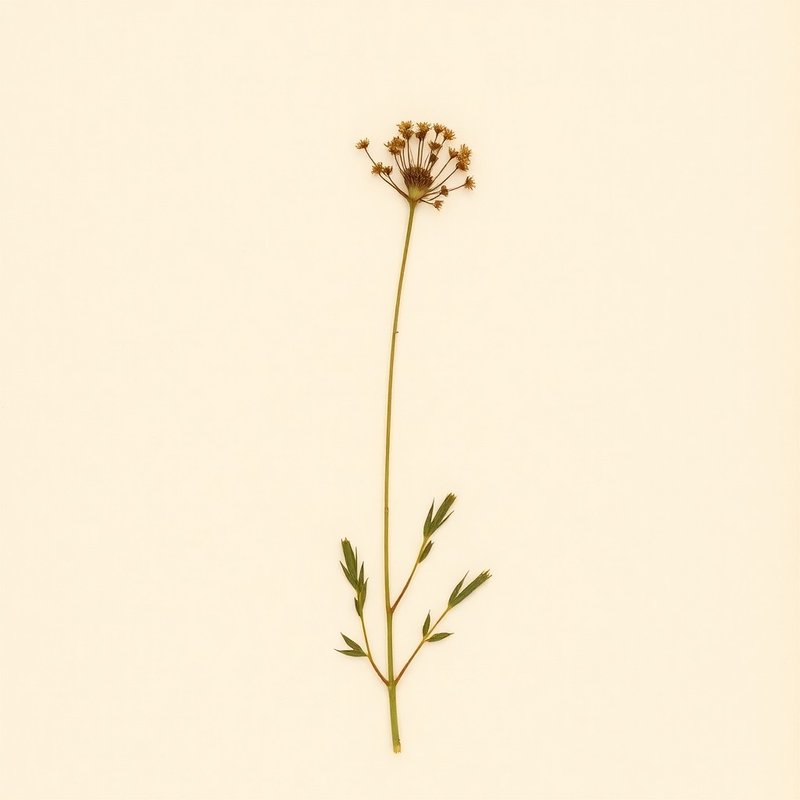
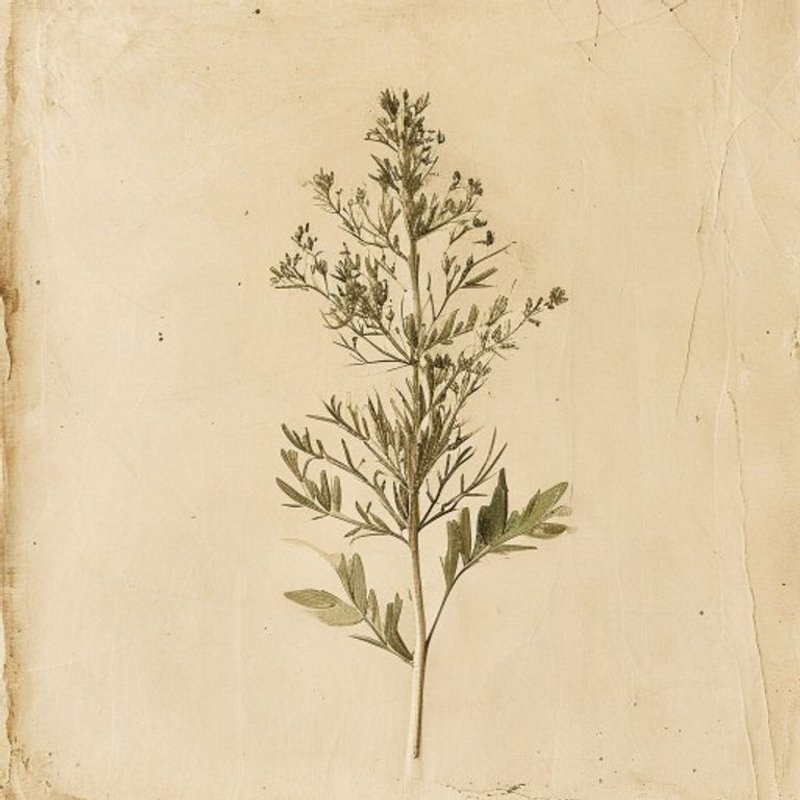
Sium sisarum, commonly known as water hemlock, is a perennial plant belonging to the Apiaceae family. Native to a wide range of regions including Afghanistan, Altay, Bulgaria, and Greece, this plant can be found in countries such as Iran, Iraq, Kazakhstan, and Turkey. Water hemlock thrives in moist environments and prefers light to partial sun exposure, growing up to 1 meter in height. Its edible roots make it a valuable addition to culinary dishes, particularly as a coffee substitute. Additionally, it has documented medicinal uses, though it should be handled with caution due to its toxic properties. In cultivation, Sium sisarum is hardy in zones 4-9 and can be propagated by dividing the roots in spring or fall. It is native to regions like Afghanistan, Bulgaria, and Greece, and has been introduced to countries such as Austria, Czechoslovakia, Germany, Italy, and Yugoslavia. This plant is a distinctive member of the carrot family, known for its distinctive roots and its ability to grow in moist, well-drained soil. While its roots are edible and can be used as a coffee substitute, it is essential to handle the plant with care due to its potential toxicity.
What is Sium sisarum?
Sium sisarum, commonly known as water hemlock, is a perennial plant belonging to the Apiaceae family. Native to a wide range of regions including Afghanistan, Altay, Bulgaria, and Greece, this plant can be found in countries such as Iran, Iraq, Kazakhstan, and Turkey.
IV·bMixology suggestions
1 draft
Mixology suggestions
1 draftVCultivation
Cultivation
How to grow Sium sisarum for the first time
Start with Skip as a simple, low-maintenance perennial for your garden.
- 1
What you'll need
Skip seeds or young plants, a trowel, and mulch.
- 2
Best time to plant
Plant in spring after the last frost or fall before the first freeze.
- 3
Soil and container prep
Choose a location with light to partial sun and well-draining soil. Amend soil with compost if needed.
- 4
Sowing or transplanting
Direct sow seeds 1 cm deep, spaced 30-45 cm apart. Transplant young plants in the same spacing.
- 5
First two weeks
Water regularly to keep soil moist but not waterlogged. Mulch around the base for moisture retention.
- 6
Ongoing care
Water deeply once a week, especially during dry spells. Fertilize lightly in spring with compost.
- 7
Harvest or pruning
Prune dead foliage to maintain plant health and appearance. Harvest roots when mature, typically after the second year.
- 8
Common mistakes
Overwatering, planting too deep, neglecting mulching, not providing enough light.
VIEdible & utility
Edible & utility
VIIDistribution
24 native · 5 introduced
Distribution
24 native · 5 introducedIXSpecimen gallery
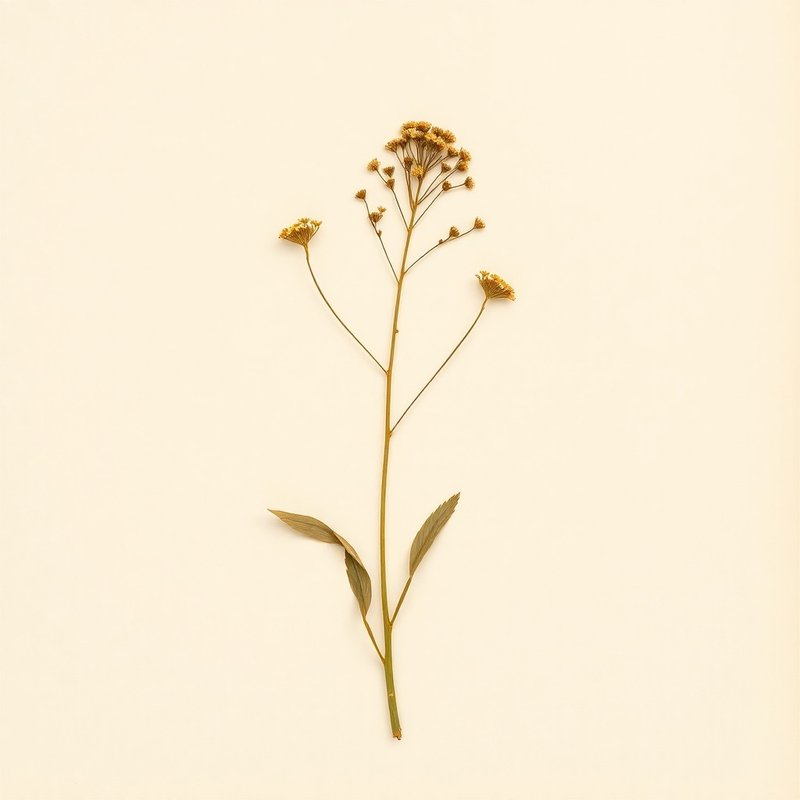
1 image
Specimen gallery
1 imageXSee also
8 related
See also
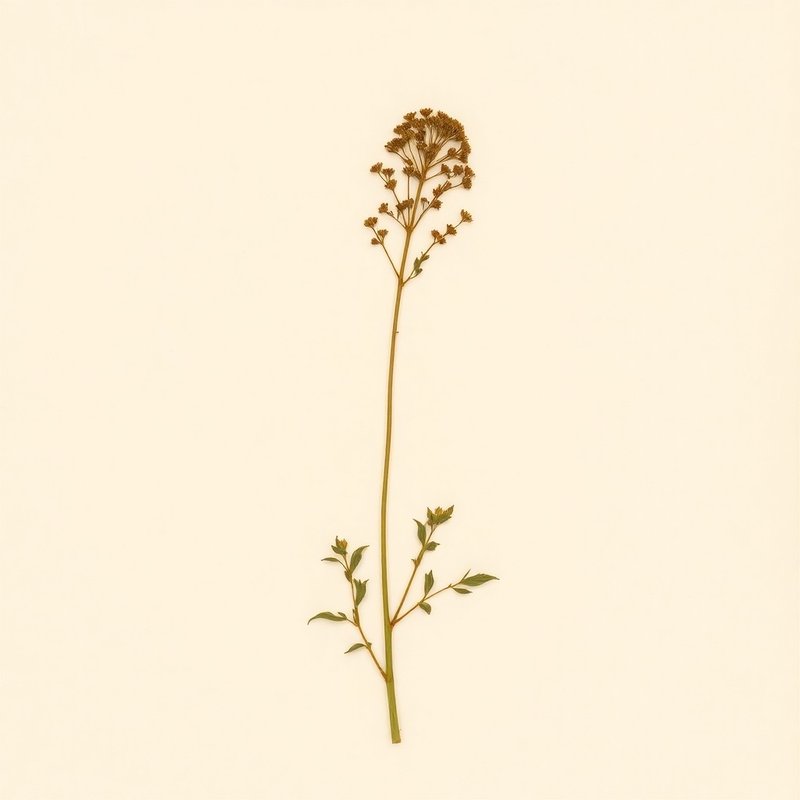
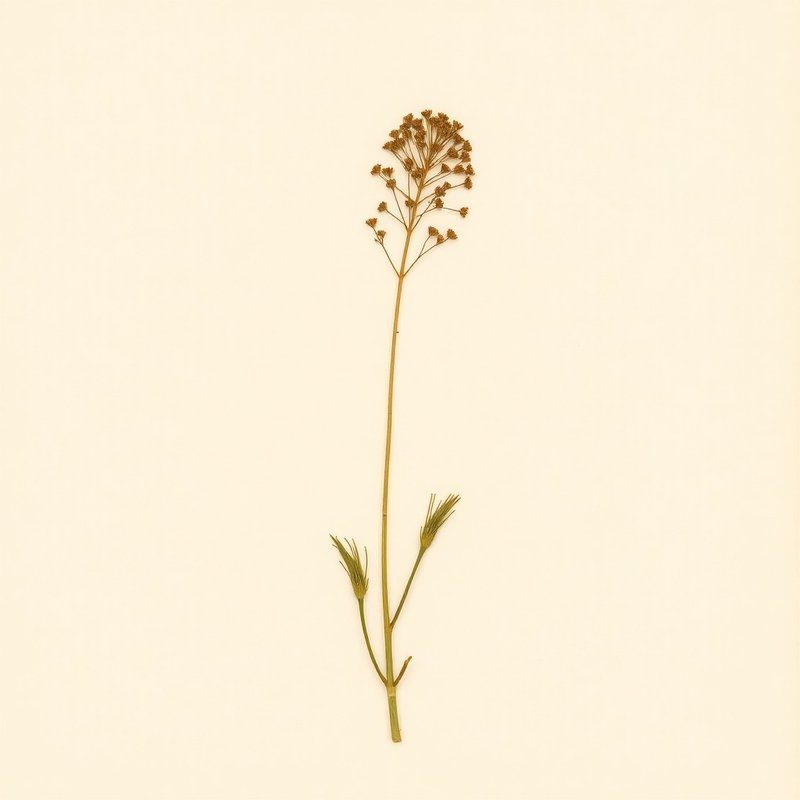
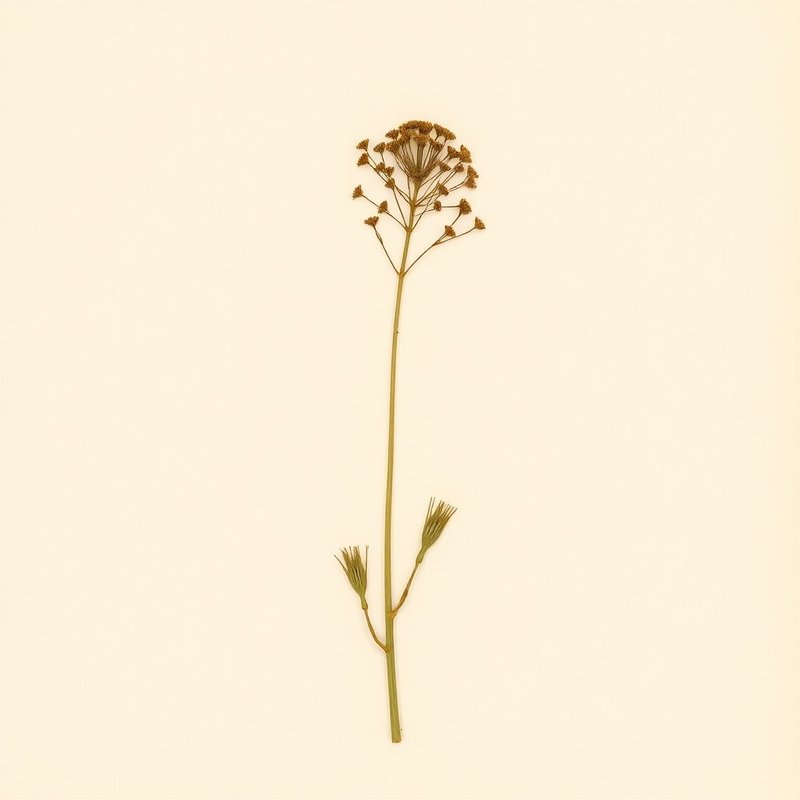
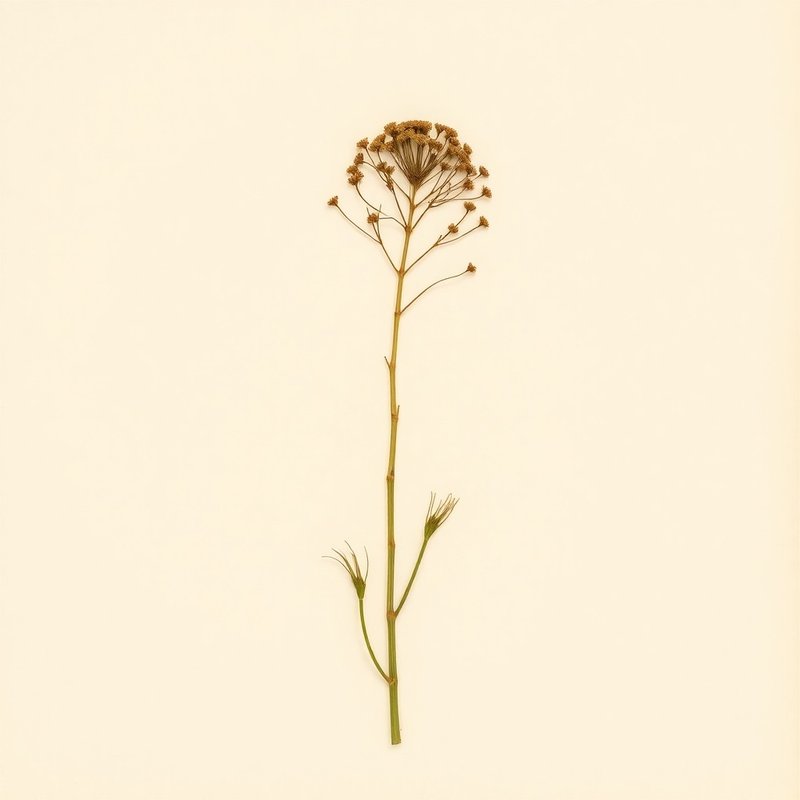
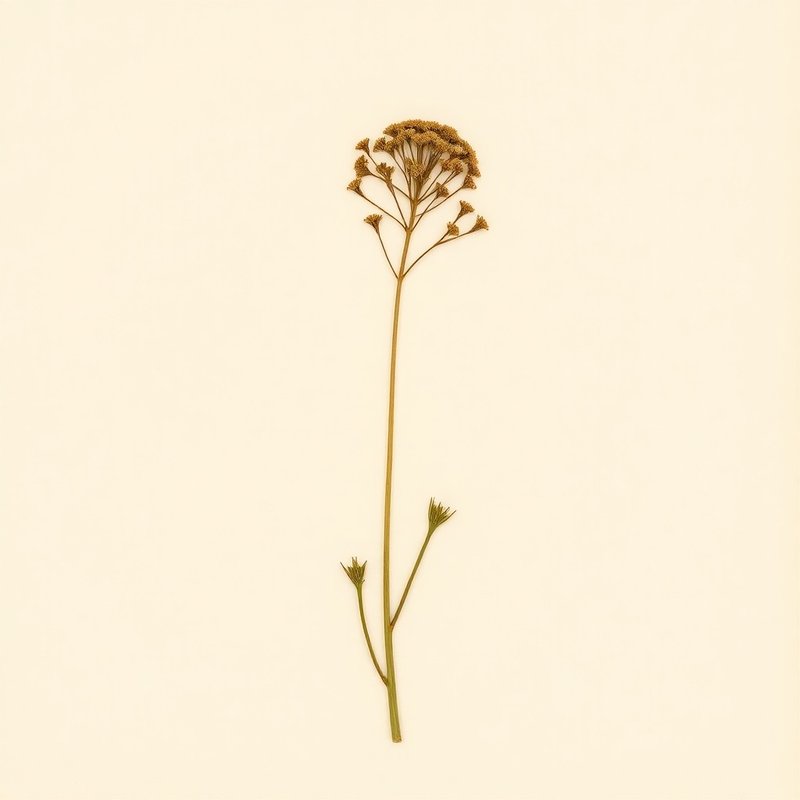
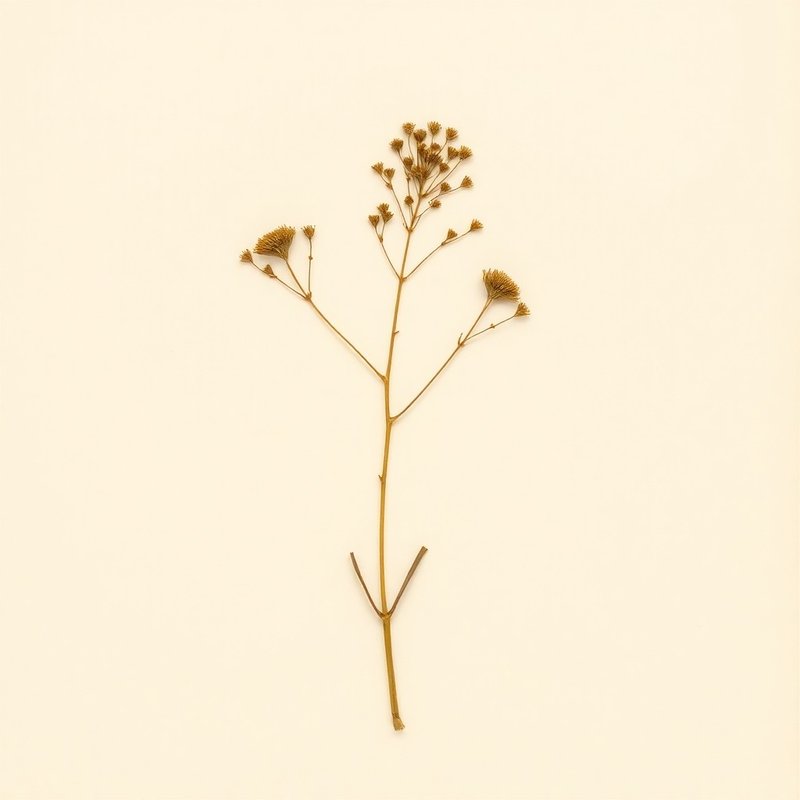
8 relatedPlants you might compare or use together — scored by shared family (Apiaceae), common use cases, and growing requirements.
Explore further
About this entry
- Last updated
- Citation
- How to cite this entry · Submit a correction
Continue reading
Get archive updates
Occasional email when substantial new content lands — plant profiles, seasonal growing notes, folk-remedy additions. Free, no tracking, unsubscribe anytime.