Skip to content
IIIFolio · plant profile№ 6928medicinal
Data provenancePermapeopleTrefleWikipediaPFAFPOWOeditorially reviewedreviewed 15 Jul 2026methodology → read

Verbascum thapsus

Verbascum thapsus
Educational content — not medical, botanical, or professional advice. Always consult a qualified clinician before using any herbal preparation — especially during pregnancy, breastfeeding, while on medication, or for children. How we source & review →
Updated·Quick Q&A →
Garden journal pausedUse profile notes below
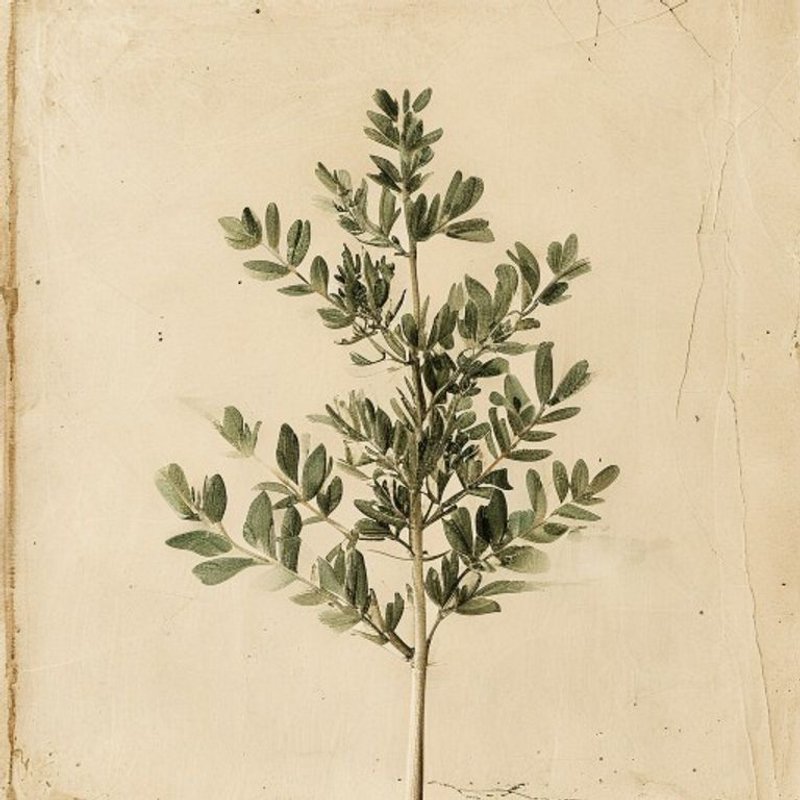
Verbascum thapsus (Verbascum thapsus) — botanical photograph
Pl. 6928 — Verbascum thapsus
Verbascum thapsusVerbascum thapsusVerbascum thapsusVerbascum thapsusVerbascum thapsusVerbascum thapsusVerbascum thapsusVerbascum thapsusVerbascum thapsusVerbascum thapsusVerbascum thapsusVerbascum thapsusVerbascum thapsusVerbascum thapsus
I

Overview

Verbascum thapsus, commonly known as common mullein, is a biennial or perennial herb that can grow up to 1.8 meters tall. Native to regions including Afghanistan and parts of Europe, this plant thrives in light (sandy), medium, and heavy (clay) soils with a pH between 7 and 7.5. It is known for its medicinal uses, particularly in traditional remedies. One distinctive feature is its large, soft leaves that can grow up to 40 cm long, providing a unique texture. Another notable characteristic is the tall spike of yellow flowers that appear in late summer, making it an ornamental addition to gardens and landscapes.

Quick answers

What is Verbascum thapsus?

Verbascum thapsus, commonly known as common mullein, is a biennial or perennial herb that can grow up to 1.8 meters tall. Native to regions including Afghanistan and parts of Europe, this plant thrives in light (sandy), medium, and heavy (clay) soils with a pH between 7 and 7.

What is Verbascum thapsus used for?

Traditionally used for topical & skin. Each claim is evidence-rated — see Section II for full citations.

Best for
Top 1 evidence-ranked use of Verbascum thapsus
Jump to full evidence →
Clinicaluses · safety · chemistry · dosagemedicinal profile
II

Benefits & evidence

1 claim · traditional-use context
Traditional-use context
These notes are presented as ethnobotanical context. No cited clinical references are catalogued for this plant yet.
  • Verbascum thapsus has been traditionally used in European herbal medicine for topical applications to soothe irritated skin, supported by its long history of use. A poultice or salve made from the leaves and flowers may help reduce inflammation and promote healing.

    The plant contains mucilage compounds that provide a soothing effect on the skin, although the specific mechanism is not fully characterised.

    ▲ ModerateTopical & skin →
Growingconditions · propagation · uses
V

Cultivation

Verbascum thapsus thrives in light to medium and heavy soils with a pH of 7-7.5, preferring sandy or clay textures. It is hardy in temperate regions from zones 3-9 and can grow up to 1.8 meters tall. This forb/herb prefers dry to moist conditions and needs full sun to partial shade. For propagation, it can be sown directly in the garden or started indoors and transplanted. Given its native range across Europe and Asia, Verbascum thapsus is adaptable but benefits from well-drained soil and regular watering during establishment.
Light
8/10
Water
Dry, Moist
Soil
Light (sandy), Medium, Heavy (clay)
Hardiness
3-9
Life cycle
Biennial, Perennial
Habit
Forb/herb
Mature size
1.8 m tall
Soil pH
7–7.5
For first-time growers

How to grow Verbascum thapsus for the first time

7steps

Start with Verbascum thapsus by following these simple steps for beginners.

  1. 1

    What you'll need

    Seeds or young plants, a garden fork, and a trowel.

  2. 2

    Best time to plant

    Plant in spring after the last frost or in fall before the first freeze.

  3. 3

    Soil and container prep

    Choose a well-draining soil with a pH between 7 and 7.5, and prepare by loosening the topsoil with a fork.

  4. 4

    Sowing or transplanting

    Direct sow seeds 1-2 cm deep in rows spaced about 30 cm apart; for transplants, space them 60 cm apart.

  5. 5

    First two weeks

    Water regularly to keep the soil moist but not waterlogged. Monitor for pests and diseases.

  6. 6

    Ongoing care

    Provide full sun exposure and regular watering during dry spells; mulch around plants to retain moisture.

  7. 7

    Harvest or pruning

    Prune dead flower heads to encourage more blooms, but avoid cutting back the foliage until late fall.

VI

Edible & utility

Edible uses: Tea
Other uses:DyePest controltextilesLightingFire starterCandlesDynamic accumulator
Contextrange · companions · related
VII

Distribution

55 native · 85 introduced
Distribution across3 continents· 55 native· 85 introduced
Europe23 regions
native (21)AustriaBelarusBelgiumDenmarkFinlandFranceGermanyHungaryIrelandItalyNetherlandsNorwayPolandPortugalRomaniaRussiaSpainSwedenSwitzerlandUkraineUnited Kingdom
introduced (2)PortugalSpain
Asia15 regions
native (9)AfghanistanChinaIranKazakhstanMongoliaNepalPakistanTurkeyTurkmenistan
introduced (6)ChinaGeorgiaIndiaJapanSouth KoreaSri Lanka
Americas6 regions
introduced (6)CubaDominican RepublicGreenlandHaitiJamaicaUnited States
Broader regions
native:Altay, Baltic States, Czechoslovakia, East Himalaya, Irkutsk, Kirgizstan, Krasnoyarsk, Tadzhikistan, Transcaucasus, West Himalaya, Yugoslavia
introduced:Alabama, Alberta, Argentina Northeast, Argentina Northwest, Argentina South, Arizona, Arkansas, Ascension, Bermuda, British Columbia, California, Chile Central, Colorado, Connecticut, Delaware, District of Columbia, Florida, Idaho, Illinois, Indiana, Iowa, Kansas, Kentucky, Louisiana, Maine, Manitoba, Maryland, Masachusettes, Massachusetts, Michigan, Minnesota, Mississippi, Missouri, Montana, Nebraska, Nevada, New Brunswick, New Hampshire, New Jersey, New Mexico, New York, New Zealand North, Newfoundland, Norfolk Is., North Carolina, North Dakota, Nova Scotia, Ohio, Oklahoma, Ontario, Oregon, Pennsylvania, Primorye, Prince Edward I., Québec, Réunion, Rhode I., Saskatchewan, South Carolina, South Dakota, Tasmania, Tennessee, Texas, Utah, Vermont, Virginia, Washington, West Virginia, Wisconsin, Wyoming
IX

Specimen gallery

1 image
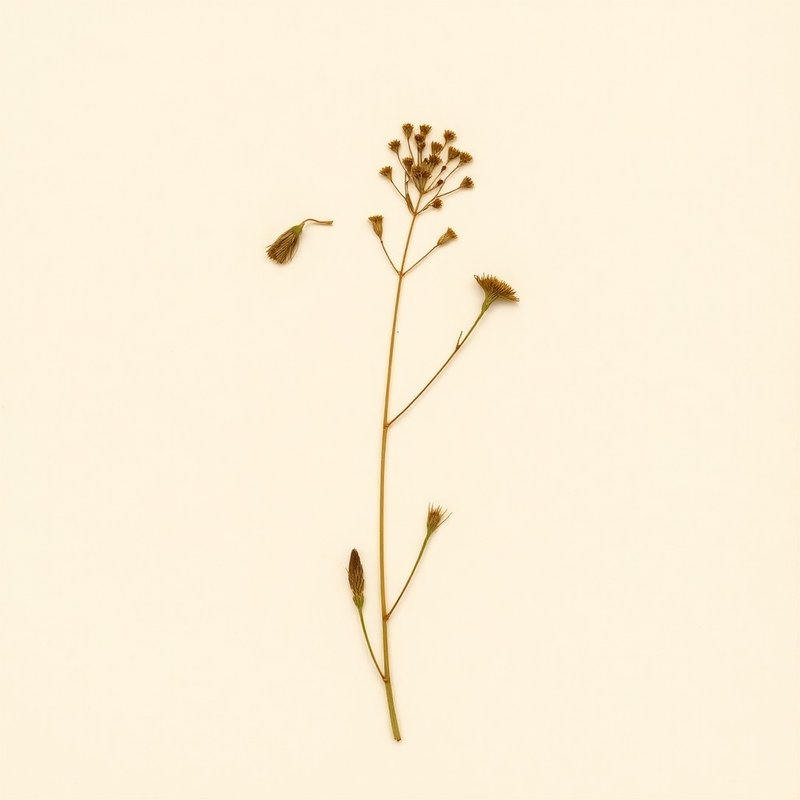
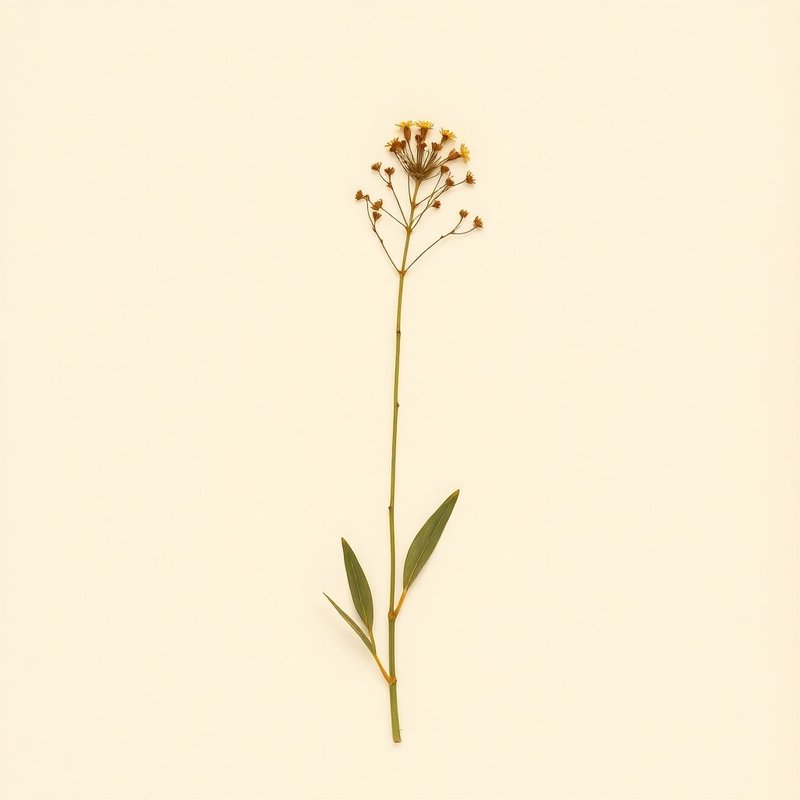
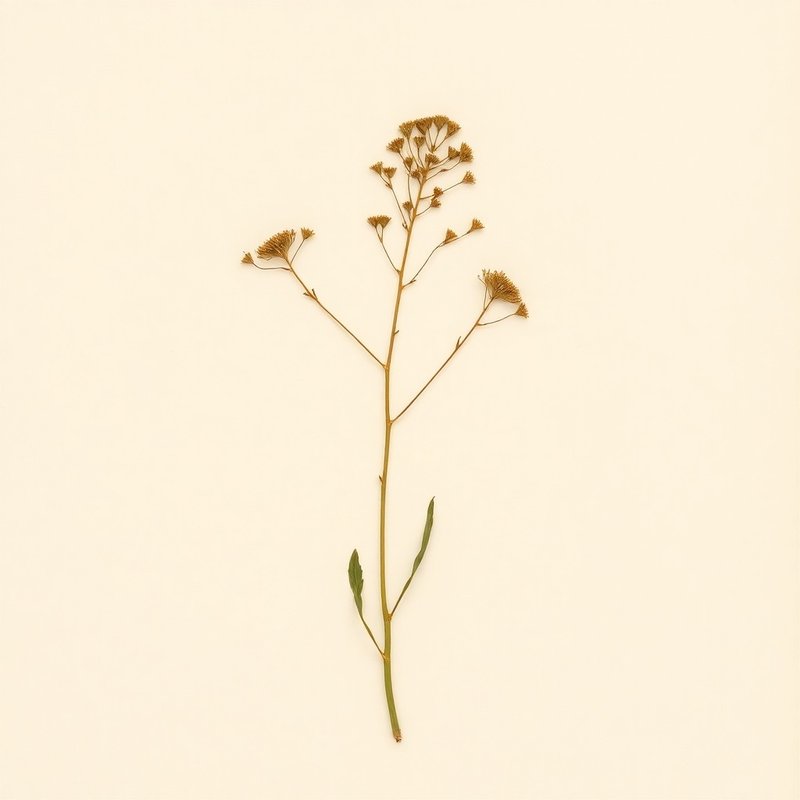
Verbascum thapsus (Verbascum thapsus) — botanical photograph
Verbascum thapsus (Verbascum thapsus)
X

See also

8 related
XI

Explore further

XII

About this entry

Last updated
Citation
How to cite this entry · Submit a correction
Back to the cataloguePlant id · 69286cdd-2e62-4728-ba03-5d9671e0c744
❦❦❦❦
Endpaper · archive updates

Get archive updates

Occasional email when substantial new content lands — plant profiles, seasonal growing notes, folk-remedy additions. Free, no tracking, unsubscribe anytime.

Newsletter returning soon.
We are rebuilding the update list around a lightweight editorial workflow. New dispatches will resume after the next content review cycle.
iCare notes