
Horsebean
IOverview
Overview
Horsebean (Vicia faba equina) is an annual forb or herb that belongs to the Fabaceae family and can grow up to 1 meter in height. Native to Afghanistan and Iran, this plant has been cultivated for its edible leaves and seeds, as well as for medicinal purposes. Its distinctive features include a vine-like habit and a preference for moist, light to heavy soil with a pH of 7.5–8. Horsebean thrives in hardiness zones 4-8 and is known for its versatility, making it a valuable addition to gardens or agricultural settings. The horsebean plant is both edible and medicinal. Its leaves and seeds can be consumed, with the leaves often eaten fresh or cooked in soups and stews. The seeds, while small, can be roasted or ground into flour for use in various dishes. Both parts are typically prepared by cooking to ensure proper digestibility. In addition to its culinary uses, horsebean has been used in traditional medicine for its potential health benefits. Horsebean thrives in well-draining soil that is light, medium, or heavy, with a pH between 7.5 and 8. It prefers moist conditions and can grow in full sun or partial shade. This plant is a dynamic accumulator and nitrogen fixer, making it a valuable cover crop or for use in soap making. Its fast growth and vine-like habit make it a useful addition to gardens or agricultural settings, contributing to soil health and fertility. While horsebean is generally safe, caution should be exercised when using it medicinally, as individual reactions may vary. Always consult a healthcare professional before using any plant for medicinal purposes.
What is Horsebean?
Horsebean (Vicia faba equina) is an annual forb or herb that belongs to the Fabaceae family and can grow up to 1 meter in height. Native to Afghanistan and Iran, this plant has been cultivated for its edible leaves and seeds, as well as for medicinal purposes.
IV·bMixology suggestions
1 draft
Mixology suggestions
1 draftVCultivation
Cultivation
How to grow Horsebean for the first time
Start with horsebean as a simple annual crop, focusing on basic care and harvesting.
- 1
What you'll need
Seeds, a garden plot or large container, soil, water.
- 2
Best time to plant
Plant in spring after the last frost, when temperatures are mild.
- 3
Soil and container prep
Choose a location with well-draining soil that is slightly alkaline (pH 7.5–8). Ensure containers are at least 30 cm deep.
- 4
Sowing or transplanting
Direct sow seeds 2-3 cm deep, spaced about 15 cm apart in rows 60 cm apart. Alternatively, start indoors and transplant when seedlings have two true leaves.
- 5
First two weeks
Keep soil consistently moist but not waterlogged. Monitor for pests like aphids.
- 6
Ongoing care
Provide support for the vines to climb. Keep soil evenly moist, especially during flowering and pod development.
- 7
Harvest or pruning
Prune any dead or yellowing leaves to encourage new growth. Harvest pods when they turn brown and dry on the plant.
- 8
Common mistakes
Overwatering, planting too deep, neglecting support for climbing vines.
VIEdible & utility
Edible & utility
VIIDistribution
2 native · 68 introduced
Distribution
2 native · 68 introducedXSee also
8 related
See also
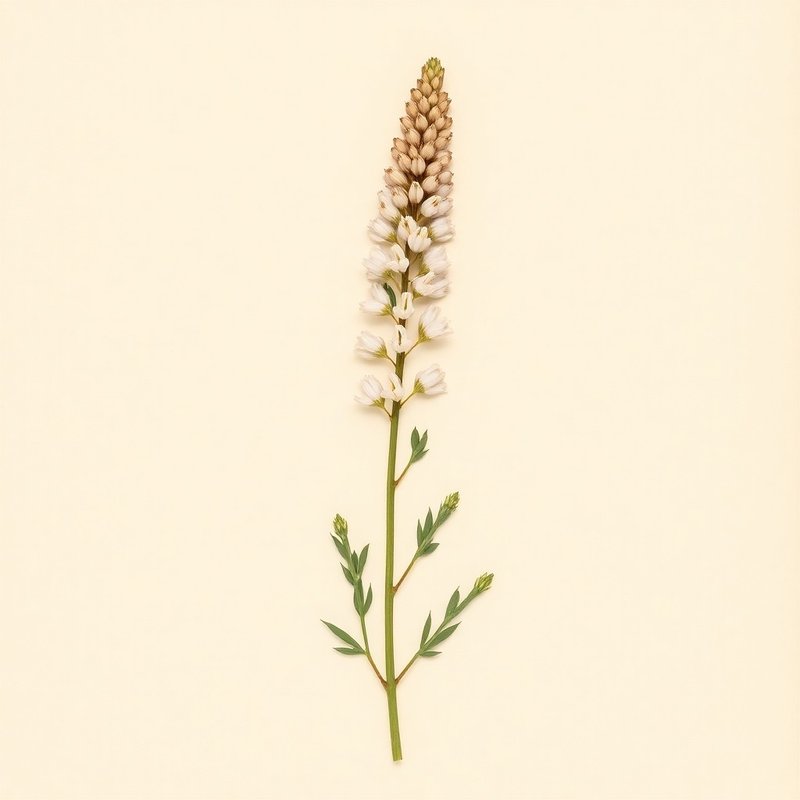
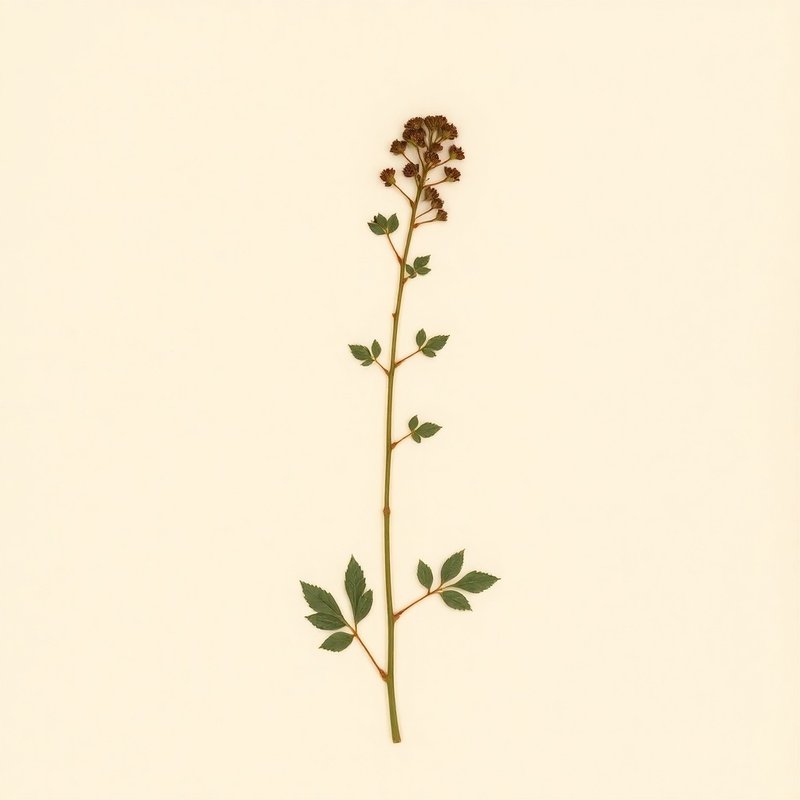
8 relatedPlants you might compare or use together — scored by shared family (Fabaceae), common use cases, and growing requirements.

Explore further
About this entry
- Last updated
- Citation
- How to cite this entry · Submit a correction
Continue reading
Get archive updates
Occasional email when substantial new content lands — plant profiles, seasonal growing notes, folk-remedy additions. Free, no tracking, unsubscribe anytime.