
Valley Grape
Vitis girdianafam. Vitaceae
Educational content — not medical, botanical, or professional advice. Plant identification, safety, and edibility depend on local conditions, cultivars, and correct identification. Consult a qualified botanist or forager before consuming or handling wild specimens. How we source & review →
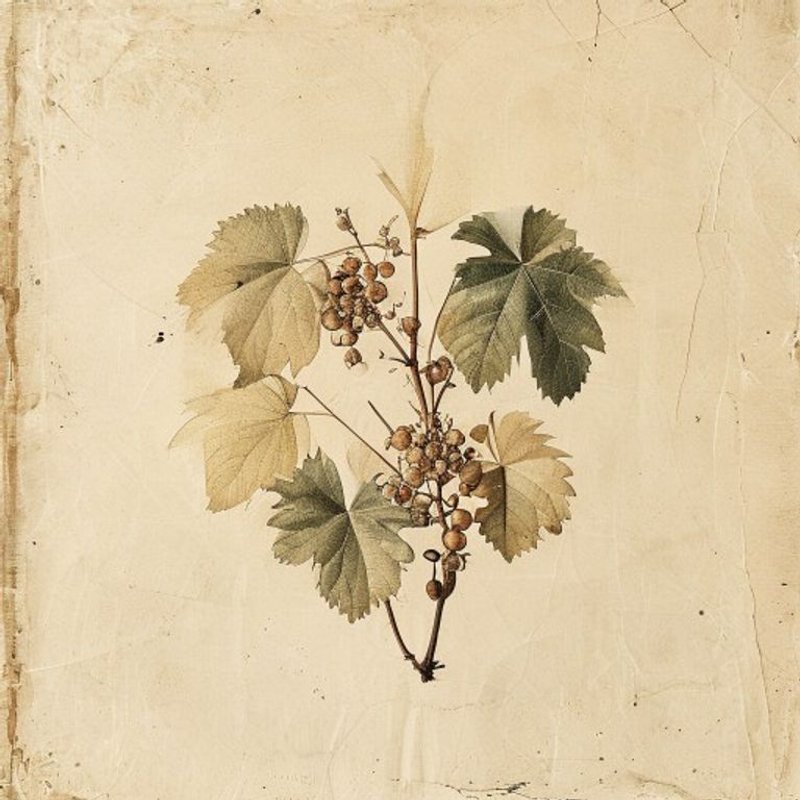
Pl. 4E68 — Vitis girdiana
Vitis girdianaVitis girdianaVitis girdianaVitis girdianaVitis girdianaVitis girdianaVitis girdianaVitis girdianaVitis girdianaVitis girdianaVitis girdianaVitis girdianaVitis girdianaVitis girdiana
IOverview
Overview
Valley Grape (Vitis girdiana) is a vine native to California and the northwest region of Mexico. This plant thrives in full sun to partial shade and can tolerate both dry and moist conditions, making it adaptable to various habitats. It prefers light, medium, or heavy soil types and is hardy in zones 7-10. Known for its edible fruit and leaves, Valley Grape is a valuable resource for those interested in local flora. One distinctive feature of this vine is its ability to grow up to 12 meters tall, contributing significantly to the landscape where it thrives.
Quick answers
What is Valley Grape?
Valley Grape (Vitis girdiana) is a vine native to California and the northwest region of Mexico. This plant thrives in full sun to partial shade and can tolerate both dry and moist conditions, making it adaptable to various habitats. It prefers light, medium, or heavy soil types and is hardy in zones 7-10.
Growingconditions · propagation · uses
VCultivation
Cultivation
Valley Grape thrives in full to partial sun and prefers moist to dry conditions. It grows well in light (sandy), medium, or heavy (clay) soil types. Hardy in zones 7-10, this vine can reach up to 12 meters in height. For propagation, use cuttings or seeds. The fruit and leaves are edible.
Light
Full sun, Partial sun/shade
Water
Dry, Moist
Soil
Light (sandy), Medium, Heavy (clay)
Hardiness
7-10
Habit
Vine
Mature size
12.0 m tall
For first-time growers
How to grow Valley Grape for the first time
8steps
Start with a simple, low-maintenance vine that thrives in various conditions.
- 1
What you'll need
Valley Grape vines and well-draining soil.
- 2
Best time to plant
Plant in spring or fall when temperatures are mild.
- 3
Soil and container prep
Ensure the soil is light, medium, or heavy with good drainage. Avoid overly wet conditions.
- 4
Sowing or transplanting
Transplant young vines directly into the ground after danger of frost has passed.
- 5
First two weeks
Water regularly to help establish roots and keep soil consistently moist but not waterlogged.
- 6
Ongoing care
Provide full sun or partial shade, and water when soil feels dry. Prune lightly in late winter.
- 7
Harvest or pruning
Prune annually to maintain shape and encourage fruiting. Harvest fruit in fall after it ripens.
- 8
Common mistakes
Overwatering, planting in heavy shade, neglecting regular pruning.
VIEdible & utility
Edible & utility
Edible parts:FruitLeaves
Edible uses: The Valley Grape's fruit and leaves are edible. The fruit can be eaten raw or used in jams and jellies. Leaves are sometimes added to salads for a mild flavor. Both parts are typically consumed fresh but can also be dried for later use.
Other uses:DyeHair
Contextrange · companions · related
VIIDistribution
2 native · 0 introduced
Distribution
2 native · 0 introducedDistribution across0 continents· 2 native
Broader regions
native:California, Mexico Northwest
VIIIGarden companions
2 pairs
Garden companions
2 pairsPlant near these
These plants help — by repelling pests, fixing nitrogen, attracting pollinators, or sharing space well.
XSee also
8 related
See also
8 relatedPlants you might compare or use together — scored by shared family (Vitaceae), common use cases, and growing requirements.
same family · Vitaceae
Botanical relatives — often share phytochemistry + growing needs.
XI
Explore further
Companion planting
Compare with similar plants
Growing zone
XII
About this entry
- Last updated
- Citation
- How to cite this entry · Submit a correction
Back to the cataloguePlant id · 4e68ee50-bf68-47f3-8fb3-06acb2139b47
Decision aid
Choosing between Valley Grape and something else?
Continue reading
❦❦❦❦
Endpaper · archive updates
Get archive updates
Occasional email when substantial new content lands — plant profiles, seasonal growing notes, folk-remedy additions. Free, no tracking, unsubscribe anytime.