
Lavender
Lavandula angustifoliafam. Lamiaceae
A perennial flowering shrub from the Mediterranean, traditionally used for relaxation and sleep support. Linalool-rich essential oil dominates its pharmacology.
Educational content — not medical, botanical, or professional advice. Always consult a qualified clinician before using any herbal preparation — especially during pregnancy, breastfeeding, while on medication, or for children. How we source & review →
medicinalediblesleepanxietytea-friendlyaromatherapyherbperennialedible leafdrought tolerantmedicinalpollinator friendlyedible
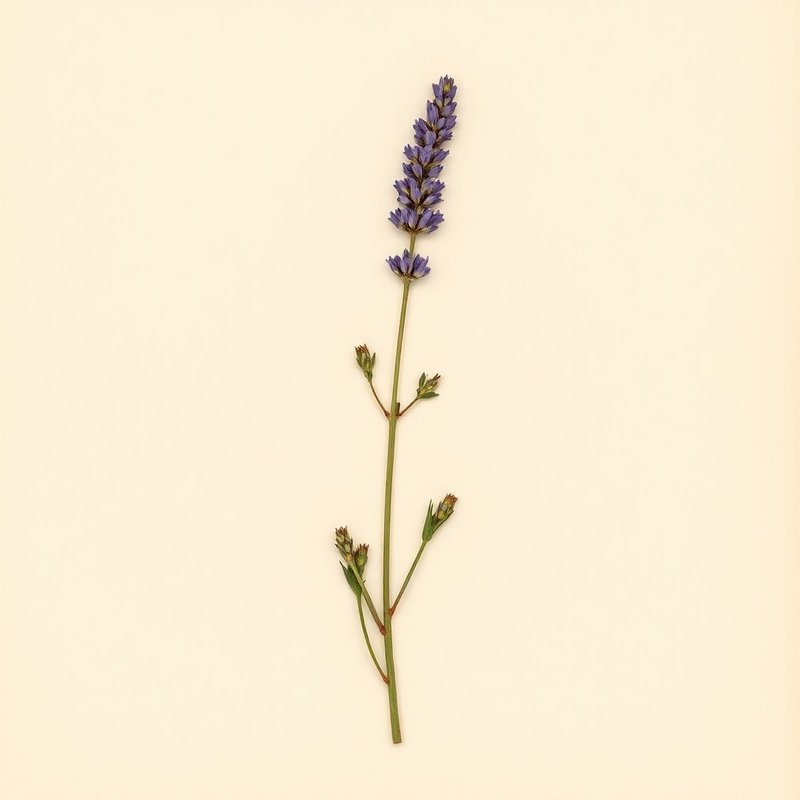
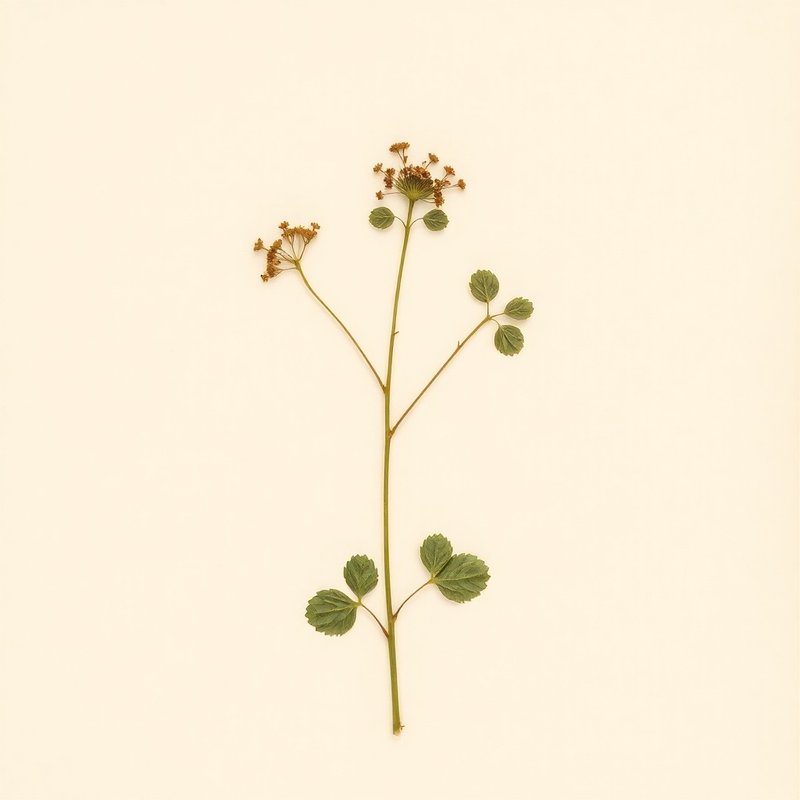
Pl. 2B31 — Lavandula angustifolia
Lavandula angustifoliaLavandula angustifoliaLavandula angustifoliaLavandula angustifoliaLavandula angustifoliaLavandula angustifoliaLavandula angustifoliaLavandula angustifoliaLavandula angustifoliaLavandula angustifoliaLavandula angustifoliaLavandula angustifoliaLavandula angustifoliaLavandula angustifolia
IOverview
Overview
Lavender (Lavandula angustifolia) is a member of the mint family (Lamiaceae) and is native to the Mediterranean basin, though it has been cultivated worldwide for centuries. Known for its ornamental value as well as its culinary and medicinal uses, lavender's purple flowers and aromatic essential oil make it a popular choice in gardens and aromatherapy. The plant’s leaves are narrow and grayish-green, providing a distinctive appearance that sets it apart from other members of the mint family. Its benefits extend to better sleep by improving both onset and quality, as well as reducing generalized anxiety symptoms. Topically, lavender is used for its gentle skin tonic properties and can be applied in minor burn first-aid treatments. The plant contains compounds such as Linalool and Linalyl acetate, which contribute to its wide-ranging applications.
Quick answers
What is Lavender?
Lavender (Lavandula angustifolia) is a member of the mint family (Lamiaceae) and is native to the Mediterranean basin, though it has been cultivated worldwide for centuries.
What is Lavender used for?
Traditionally used for better sleep, stress & anxiety, topical & skin. Each claim is evidence-rated — see Section II for full citations.
Is Lavender safe?
3 documented contraindications — review Section III before use. Always consult a clinician for medical conditions, pregnancy, or medication interactions.
Best for
Top 3 evidence-ranked uses of Lavender
Clinicaluses · safety · chemistry · dosagemedicinal profile
IIBenefits & evidence
3 claims · 4 sources
Benefits & evidence
3 claims · 4 sources- Improves sleep onset and quality
Inhalation of lavender oil reduced sleep latency in 4 RCTs (n=412) and improved subjective sleep quality (PSQI) by 18% on average vs. placebo.
- Reduces generalized anxiety symptoms
Standardized oral oil preparation (Silexan, 80mg/day) showed efficacy comparable to lorazepam in GAD over 6 weeks.
- Traditional use: lavender hydrosol gentle skin tonic + minor burn first-aid.
Linalool + linalyl acetate
IICautions & contraindications
3 cautions
Cautions & contraindications
3 cautionsboys < 12, oral
Avoid in young boys (oral). Case reports of pre-pubertal gynecomastia with topical lavender + tea tree oil.
CNS depressants
May potentiate effect of benzodiazepines, barbiturates, alcohol. Discuss with prescriber.
pregnancy
Pregnancy/lactation oral use: insufficient data. Topical aromatherapy generally considered low-risk.
Need audience-specific safety verdicts? See dogs, cats, children, pregnancy, or breastfeeding guides.
IIIActive compounds
2 listed
Active compounds
2 listedalkaloidterpeneflavonoidglycosidephenolicpolysaccharide
IVDosage
Dosage
| Form | Dose | Frequency | Duration |
|---|---|---|---|
Infusion / tea Mild potency | 1–2 g / 240 ml | 1–3× daily | Up to 56 days |
Tincture (1:5, 45%) Moderate potency | 2–4 ml | 3× daily | Up to 42 days |
Standardized capsule Low potency | 80–80 mg | 1× daily | Up to 70 days |
Aromatherapy (diffuser) Topical potency | 2–4 drop | null× daily | — |
IV·bMixology suggestions
2 drafts
Mixology suggestions
2 draftsEditorial drafts. These pairings are AI-suggested from traditional herbal lore. Always verify with a qualified herbalist before brewing.
Growingconditions · propagation · uses
VCultivation
Cultivation
Lavender thrives in full sun to partial shade and prefers well-drained soil that is slightly alkaline. It is hardy in temperate regions but can be grown successfully in a variety of climates with proper care. Water lavender sparingly once established; overwatering can lead to root rot. Propagation is best done through stem cuttings or division in early spring. The plant benefits from regular pruning, which encourages bushier growth and prevents it from becoming leggy. SKIP
For first-time growers
How to grow Lavender for the first time
8steps
Start with a simple planting method to ensure success.
- 1
What you'll need
A small lavender plant or seeds, well-draining soil, and a sunny spot in your garden.
- 2
Best time to plant
Plant lavender in spring or fall when the weather is cooler and more stable.
- 3
Soil and container prep
Use a sandy loam soil with plenty of organic matter. Ensure containers have good drainage holes.
- 4
Sowing or transplanting
Transplant young lavender plants from nursery pots directly into the garden, spacing them about 18-24 inches apart.
- 5
First two weeks
Water lightly but regularly to keep soil moist until roots establish. Avoid overwatering.
- 6
Ongoing care
Lavender prefers full sun and dry conditions. Water only when necessary, once a week or less depending on rainfall.
- 7
Harvest or pruning
Prune lavender in late spring to encourage bushier growth. Cut back about one-third of the plant.
- 8
Common mistakes
Overwatering, planting in heavy soil, and using too much fertilizer are common pitfalls for beginners.
VIEdible & utility
Edible & utility
Edible uses: The lavender flower is edible and can be used in various ways. It is often enjoyed fresh or dried for its aromatic flavor in desserts, teas, and syrups. The essential oil derived from the flowers is also utilized, though not typically consumed directly but rather added to foods or beverages for a subtle taste.
Contextrange · companions · related
VIIDistribution
3 native · 11 introduced
Distribution
3 native · 11 introducedDistribution across3 continents· 3 native· 11 introduced
Europe7 regions
native (3)FranceItalySpain
introduced (4)AustriaBulgariaGermanyUkraine
Americas1 region
introduced (1)Venezuela
Africa1 region
introduced (1)Tunisia
Broader regions
introduced:East Aegean Is., Marianas, New York, Vermont, West Himalaya
VIIIGarden companions
26 pairs
Garden companions
26 pairsPlant near these
These plants help — by repelling pests, fixing nitrogen, attracting pollinators, or sharing space well.
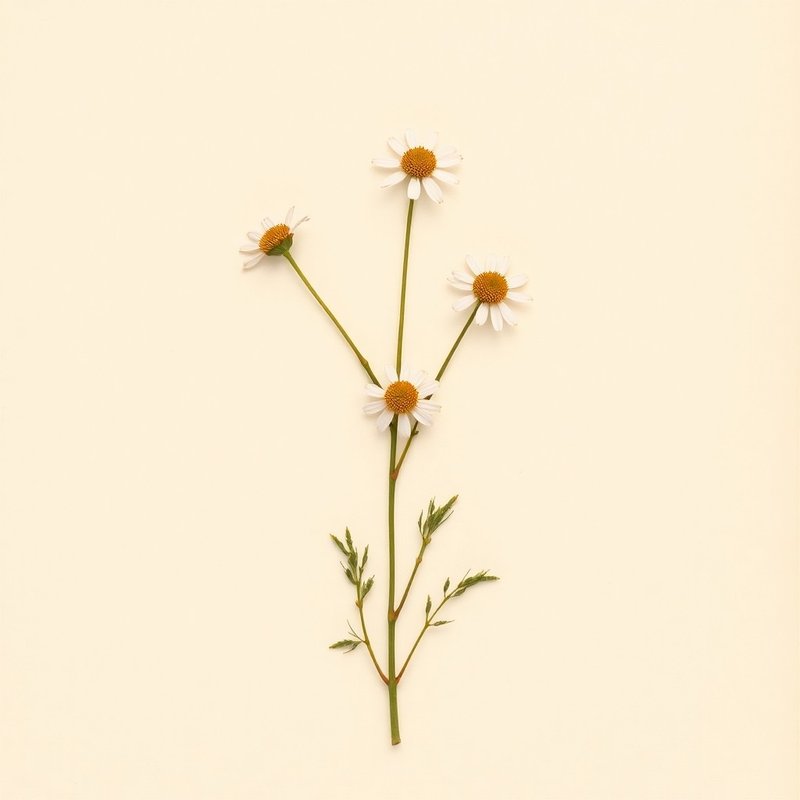
Chamomile
Matricaria chamomilla
Pest repellent
Lavender deters pests, benefiting chamomile growth.
✶ AI suggested
Valley Grape
Vitis girdiana
Pest repellent
Lavender deters pests such as moths and mosquitoes.
✶ AI suggested
Andean sage
salvia discolor
Pest repellent
Lavender repels pests that may harm Andean sage.
✶ AI suggested
Ixeris japonica
Ixeris japonica
Pollinator-friendly
Lavender attracts pollinators beneficial for Skip's growth.
✶ AI suggested
Pansy
Viola x wittrockiana
Pest repellent
Lavender repels pests that may harm pansies.
✶ AI suggested
Snow pea
Pisum sativum macrocarpum
Pest repellent
Lavender repels pests that can harm snow peas.
✶ AI suggested
Dog Violet
Viola canina
Pest repellent
Dog Violet benefits from lavender's pest-repelling properties.
✶ AI suggested
Sweet Violet
Viola odorata
Pest repellent
Sweet violets and lavender repel pests naturally.
✶ AI suggested
Germander Speedwell
Veronica chamaedrys
Pest repellent
Lavender deters pests like flea beetles and moths.
✶ AI suggested
Sorrel
Rumex acetosa
Pest repellent
Lavender repels pests that might otherwise harm sorrel.
✶ AI suggested
Rosa cymosa
Rosa cymosa
Pest repellent
Lavender repels pests that may harm Rosa cymosa.
✶ AI suggested
Garden Speedwell
Veronica longifolia
Pest repellent
Lavender repels pests that might bother Garden Speedwell.
✶ AI suggested
Stone Bamboo
Phyllostachys angusta
Pest repellent
Lavender deters pests and improves air quality around the bamboo.
✶ AI suggested
Sourtop Blueberry
Vaccinium myrtilloides
Pest repellent
Lavender repels pests that might harm blueberries.
✶ AI suggested
Passionflower
Passiflora incarnata
Pest repellent
Lavender repels pests that may harm passionflower.
✶ AI suggested
Ground Ivy
Glechoma hederacea
Pest repellent
Lavender repels pests that may harm ground ivy.
✶ AI suggested
Orach
Atriplex hortensis
Pest repellent
Lavender deters pests like aphids and whiteflies.
✶ AI suggested
Variegated Violet
Viola variegata
Pest repellent
Lavender repels pests that might harm Variegated Violet.
✶ AI suggested
Muscadine Grape
Vitis rotundifolia
Pest repellent
Lavender repels pests that might harm Muscadine Grape.
✶ AI suggested
Prickly Pear
Opuntia ficus-indica
Pest repellent
Lavender repels pests that might harm Prickly Pear.
✶ AI suggested
wild tulip
Tulipa sylvestris
Pollinator-friendly
Lavender attracts pollinators beneficial for the wild tulip.
✶ AI suggested
Sneeze-Wort
Achillea ptarmica
Pest repellent
Lavender repels pests that may bother Sneeze-Wort.
✶ AI suggested
Shrub apple
Malus brevipes
Pest repellent
Lavender deters aphids and other garden pests.
✶ AI suggested
Siberian Yarrow
Achillea sibirica
Pest repellent
Siberian Yarrow and Lavender repel pests like aphids.
✶ AI suggested
Thyme
Thymus vulgaris
Pollinator-friendly
Rose
Rosa
Pollinator-friendly
IXSpecimen gallery
1 image
Specimen gallery
1 imageXSee also
8 related
See also
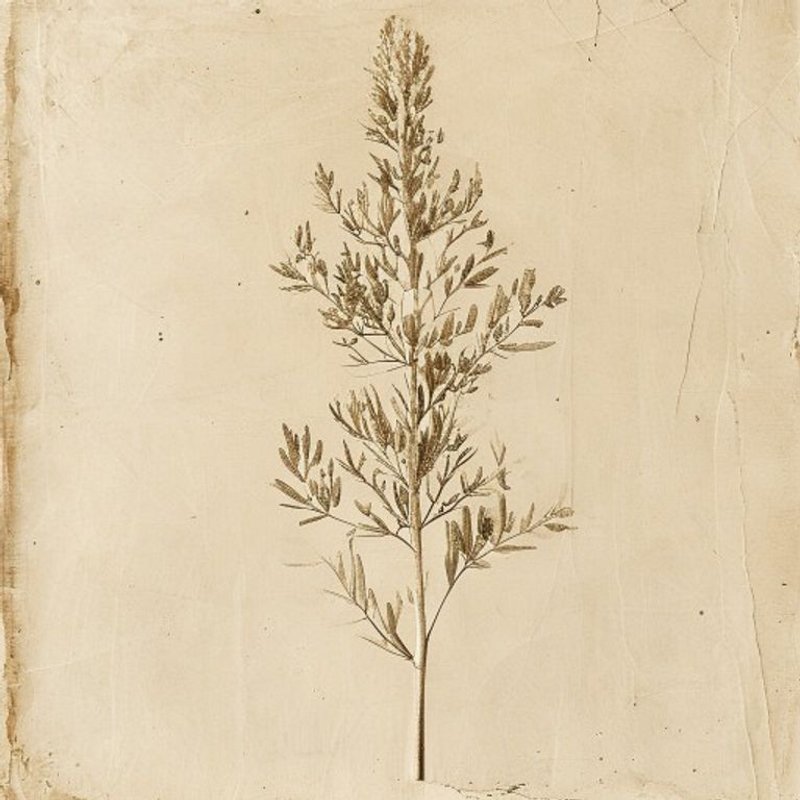
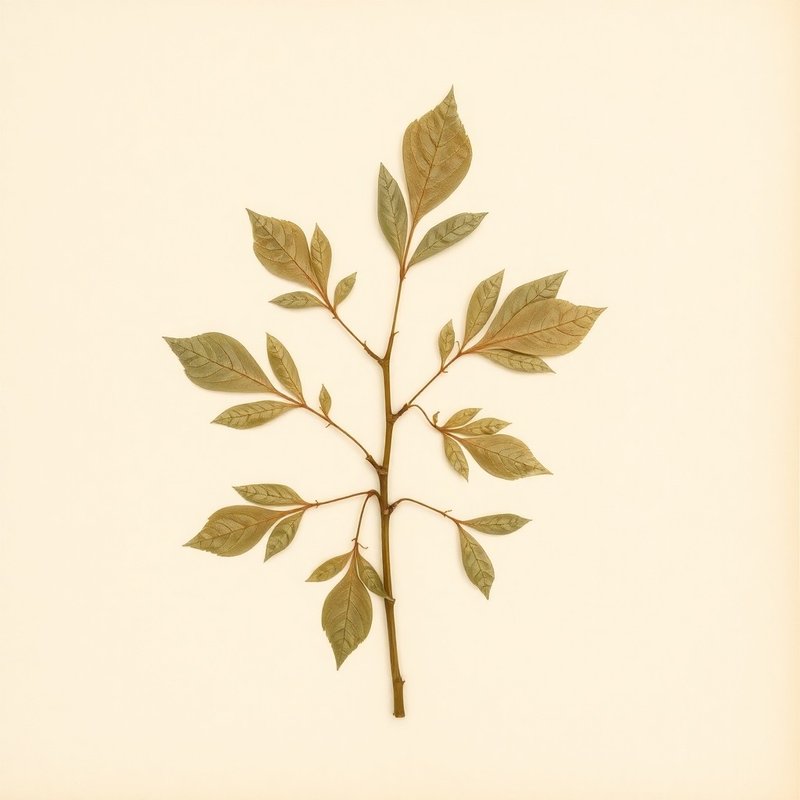
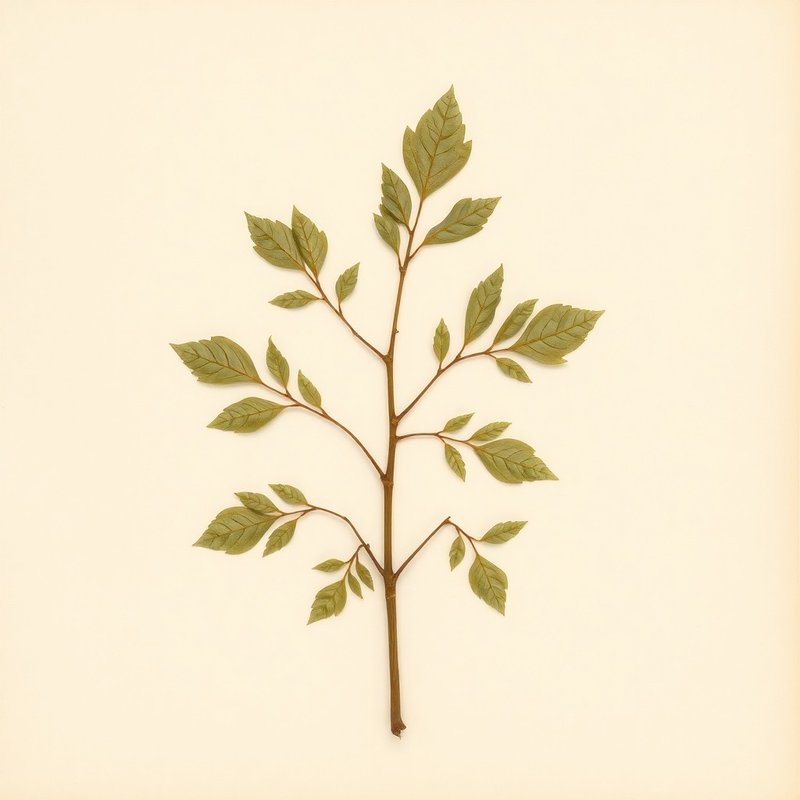
8 relatedPlants you might compare or use together — scored by shared family (Lamiaceae), common use cases, and growing requirements.
same family · Lamiaceae
Botanical relatives — often share phytochemistry + growing needs.
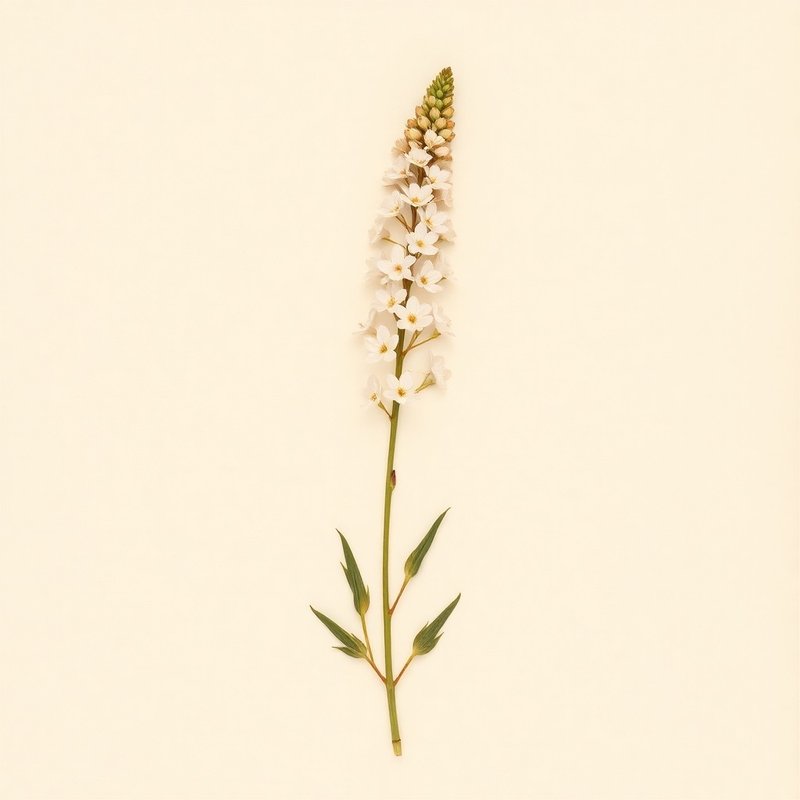
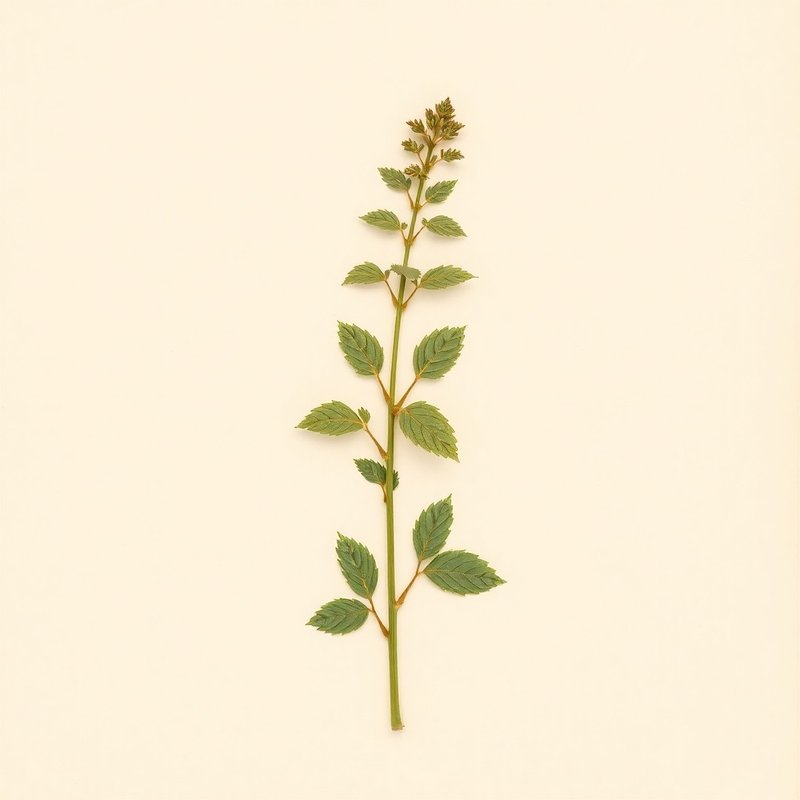
shared use cases
Different families, similar therapeutic role — good for comparing.
XI
Explore further
Companion planting
Health goals
Compare with similar plants
XII
About this entry
- Last updated
- Citation
- How to cite this entry · Submit a correction
Back to the cataloguePlant id · 2b318bf8-cd0e-4a89-80f0-f5fae0677514
Decision aid
Choosing between Lavender and something else?
Continue reading
❦❦❦❦
Endpaper · archive updates
Get archive updates
Occasional email when substantial new content lands — plant profiles, seasonal growing notes, folk-remedy additions. Free, no tracking, unsubscribe anytime.