
Crimson weigela
IOverview
Overview
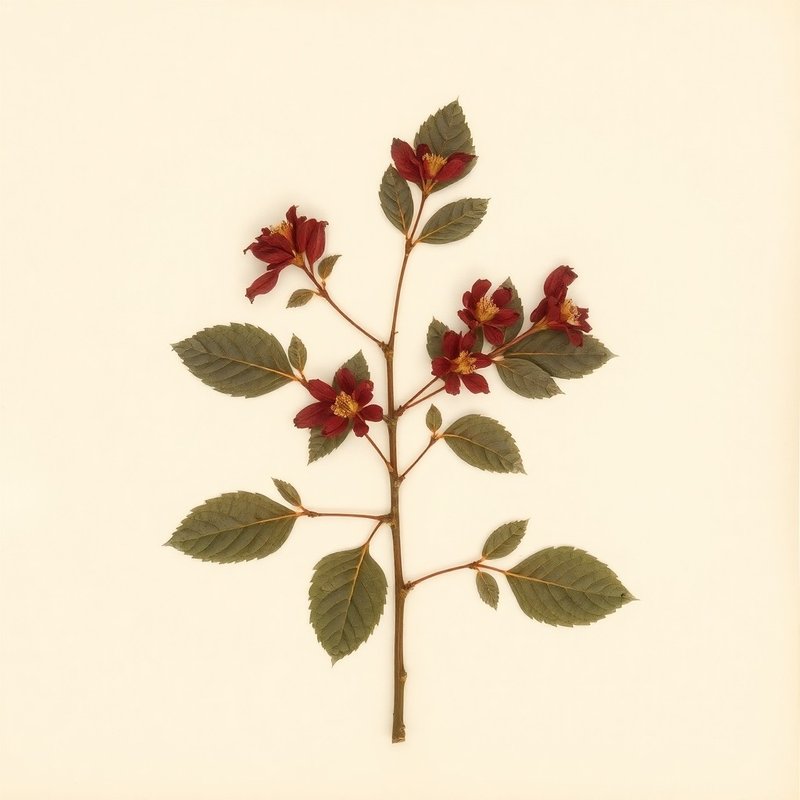
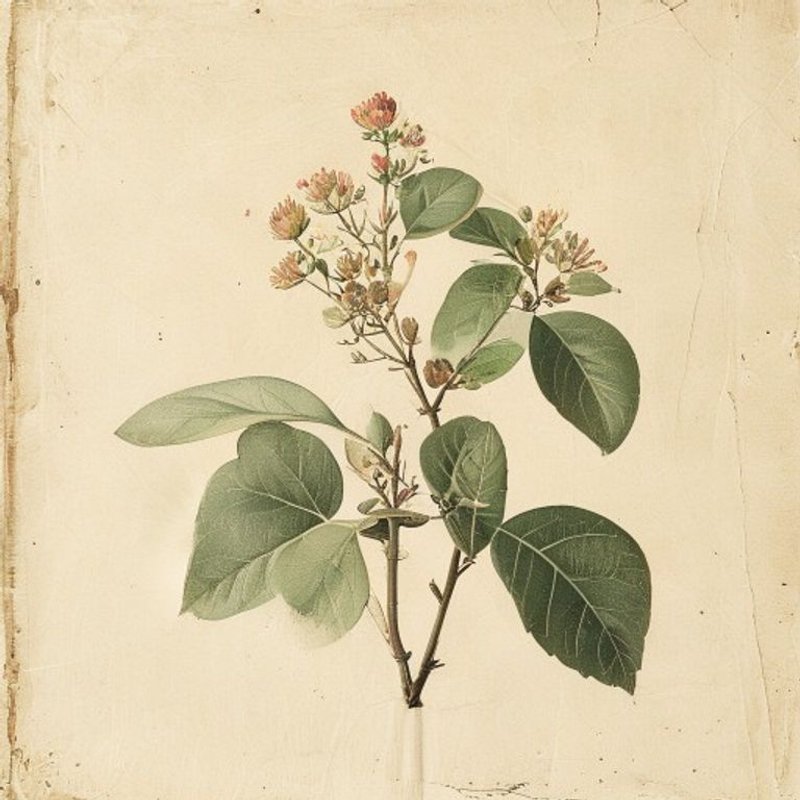
Crimson weigela (Weigela floribunda) is a deciduous shrub native to Japan, known for its vibrant red flowers and ornamental value. This plant thrives in full sun to partial shade and prefers moist soil that can be light (sandy), medium, or heavy (clay). It grows well within USDA hardiness zones 5-9, reaching heights of about 2.5 meters. While primarily appreciated for its beauty, crimson weigela is also edible; its leaves are safe to consume and can be prepared in salads or steamed as a side dish. The plant is native to Japan and has been introduced to Bulgaria, Connecticut, Massachusetts, and New York, where it has become a popular ornamental shrub. Its versatility in both ornamental and culinary contexts makes it a valuable addition to gardens and landscapes.
What is Crimson weigela?
Crimson weigela (Weigela floribunda) is a deciduous shrub native to Japan, known for its vibrant red flowers and ornamental value. This plant thrives in full sun to partial shade and prefers moist soil that can be light (sandy), medium, or heavy (clay).
VCultivation
Cultivation
How to grow Crimson weigela for the first time
Start with planting Crimson weigela for a low-maintenance, colorful addition to your garden.
- 1
What you'll need
Crimson weigela plants or seeds, potting soil, containers if needed, and gardening tools.
- 2
Best time to plant
Plant in spring after the last frost or in early fall before the first freeze.
- 3
Soil and container prep
Ensure well-draining soil with a pH between 6.0 and 7.5; mix compost for containers if needed.
- 4
Sowing or transplanting
Transplant young plants in the spring, or sow seeds indoors 8-10 weeks before planting outside.
- 5
First two weeks
Water regularly to keep soil moist but not waterlogged; avoid direct sunlight for a few days after planting.
- 6
Ongoing care
Provide full sun or partial shade, and water when the top inch of soil feels dry. Prune in late winter to maintain shape.
- 7
Harvest or pruning
Prune in late winter to remove dead wood and encourage new growth; no edible parts are harvested.
VIEdible & utility
Edible & utility
VIIDistribution
1 native · 5 introduced
Distribution
1 native · 5 introducedIXSpecimen gallery
1 image
Specimen gallery
1 imageXSee also
8 related
See also
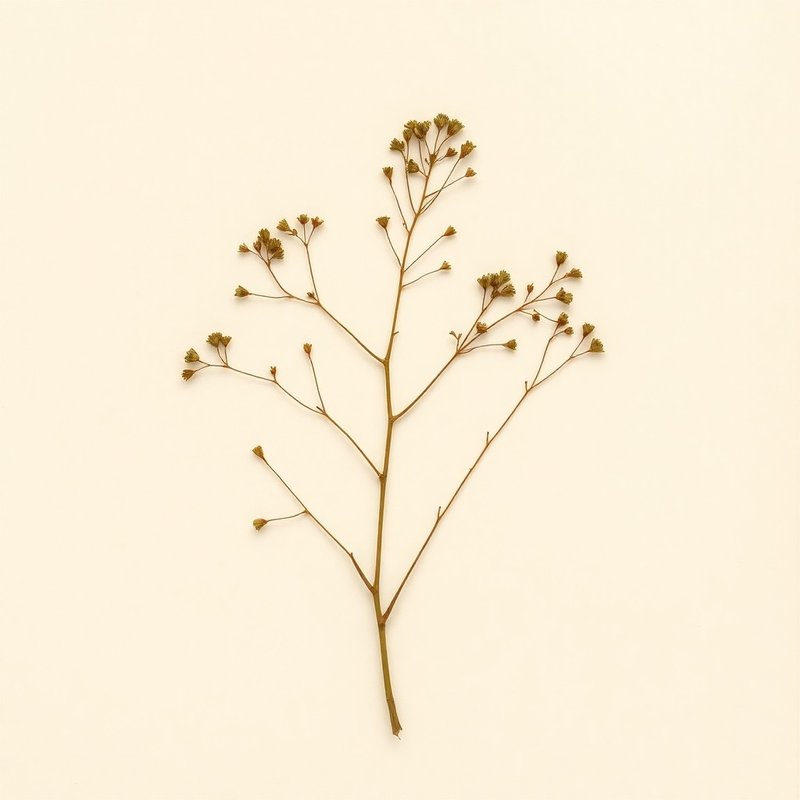
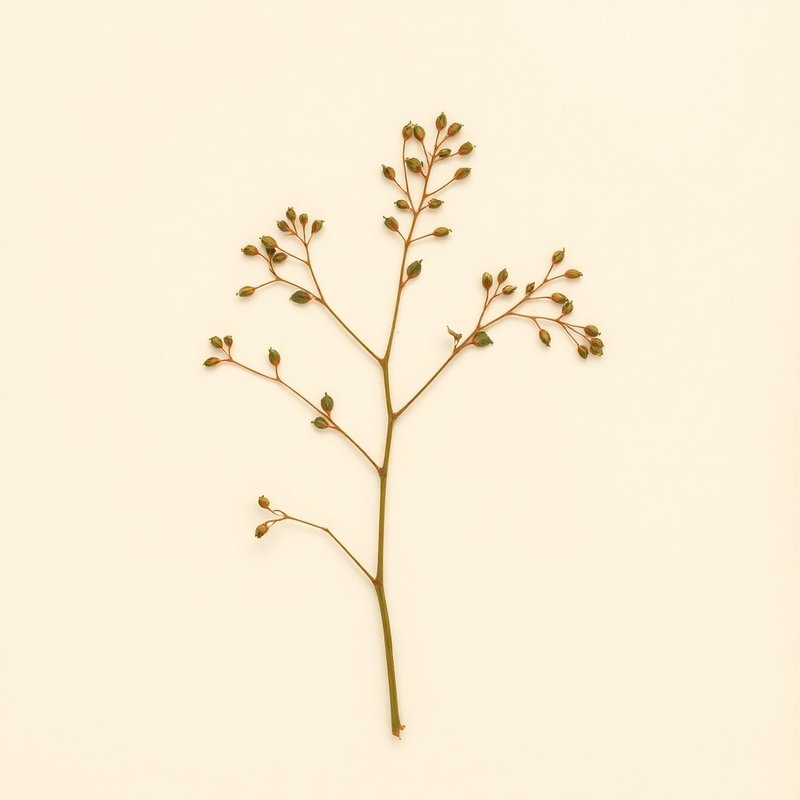
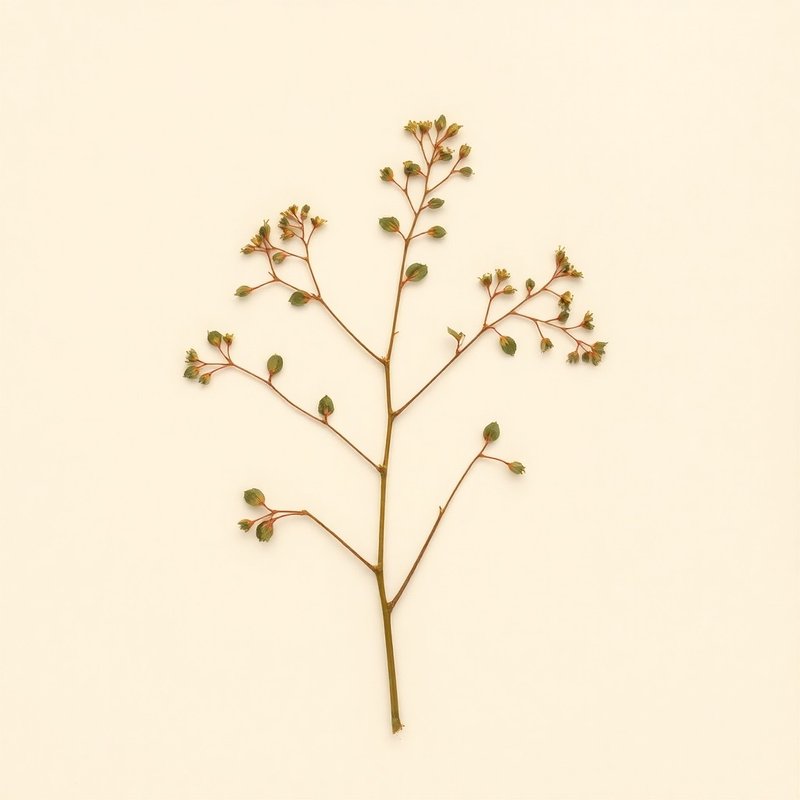
8 relatedPlants you might compare or use together — scored by shared family (Rubiaceae), common use cases, and growing requirements.



Explore further
About this entry
- Last updated
- Citation
- How to cite this entry · Submit a correction
Continue reading
Get archive updates
Occasional email when substantial new content lands — plant profiles, seasonal growing notes, folk-remedy additions. Free, no tracking, unsubscribe anytime.