
Silky Wisteria
Wisteria venustafam. Fabaceae
Educational content — not medical, botanical, or professional advice. Plant identification, safety, and edibility depend on local conditions, cultivars, and correct identification. Consult a qualified botanist or forager before consuming or handling wild specimens. How we source & review →

Pl. FC30 — Wisteria venusta
Wisteria venustaWisteria venustaWisteria venustaWisteria venustaWisteria venustaWisteria venustaWisteria venustaWisteria venustaWisteria venustaWisteria venustaWisteria venustaWisteria venustaWisteria venustaWisteria venusta
IOverview
Overview
Silky Wisteria (Wisteria venusta) is a deciduous vine native to China's north-central and southeast regions as well as Japan. Known for its ornamental value, this plant features light pink or purple flowers that create a cascading effect when in bloom. It thrives in full sun and prefers moist soil with a variety of textures—light (sandy), medium, and heavy (clay). Silky Wisteria is hardy in zones 4-8 and can grow up to 10 meters tall. While primarily appreciated for its beauty, the plant also offers edible benefits; its leaves and seeds are edible parts that can be enjoyed.
Quick answers
What is Silky Wisteria?
Silky Wisteria (Wisteria venusta) is a deciduous vine native to China's north-central and southeast regions as well as Japan. Known for its ornamental value, this plant features light pink or purple flowers that create a cascading effect when in bloom.
Growingconditions · propagation · uses
VCultivation
Cultivation
Silky Wisteria thrives in full sun and prefers moist, well-drained soil that can be light (sandy), medium, or heavy (clay). It is hardy in zones 4-8 and can grow up to 10 meters tall. For propagation, it can be started from seeds. The plant's leaves are edible, making it a useful addition to the garden for both ornamental and culinary purposes.
Light
Full sun
Water
Moist
Soil
Light (sandy), Medium, Heavy (clay)
Hardiness
4-8
Mature size
10.0 m tall
For first-time growers
How to grow Silky Wisteria for the first time
8steps
Start with planting Silky Wisteria to experience its beauty and growth.
- 1
What you'll need
A young Silky Wisteria plant, a garden trowel, mulch, and water.
- 2
Best time to plant
Plant in early spring or late fall when the soil is moist but not wet.
- 3
Soil and container prep
Ensure the soil is well-draining with a pH between 6.0 and 7.5, and prepare a large hole for planting.
- 4
Sowing or transplanting
Transplant young plants into your garden bed, ensuring they are deep enough to support their growth.
- 5
First two weeks
Water the plant regularly to help it establish its roots and keep the soil moist but not waterlogged.
- 6
Ongoing care
Provide full sun exposure, regular watering during dry spells, and prune in late winter or early spring.
- 7
Harvest or pruning
Prune the plant to shape it and remove any dead or weak branches in late winter before new growth begins.
- 8
Common mistakes
Planting too deep, not providing enough support for its heavy vines, overwatering, and neglecting winter protection.
VIEdible & utility
Edible & utility
Edible parts:LeavesSeed
Edible uses: The leaves and seeds of Silky Wisteria (Wisteria venusta) are edible. The leaves can be eaten raw or cooked as a vegetable. Seeds are typically dried before consumption, though specific preparation methods are not detailed in the provided data.
Other uses:FiberNitrogen fixerFragrance
Contextrange · companions · related
VIIDistribution
3 native · 0 introduced
Distribution
3 native · 0 introducedDistribution across1 continent· 3 native
Asia2 regions
native (2)ChinaJapan
IXSpecimen gallery
1 image
Specimen gallery
1 imageXSee also
8 related
See also
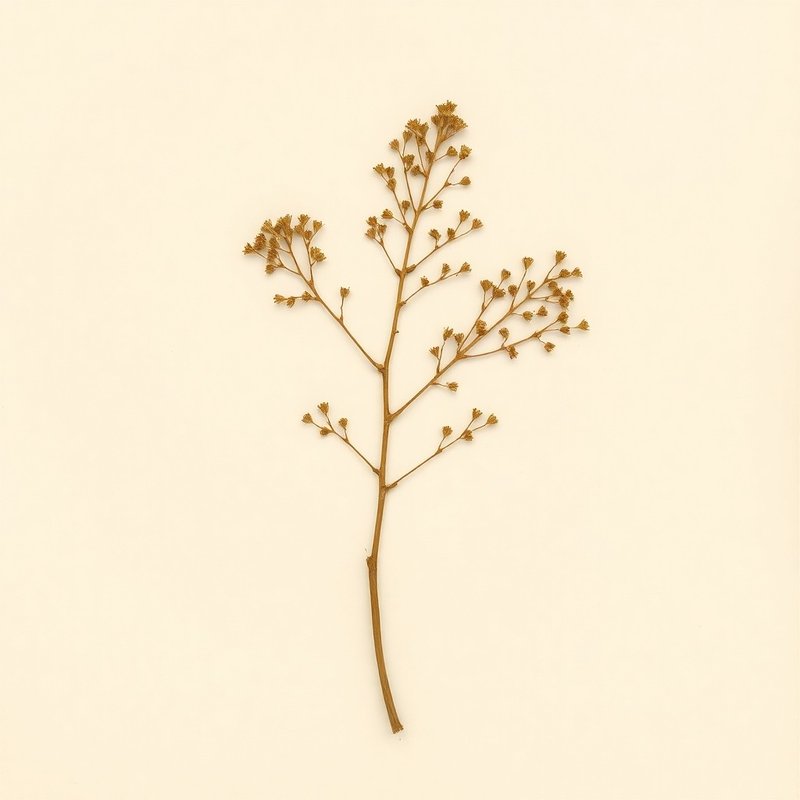
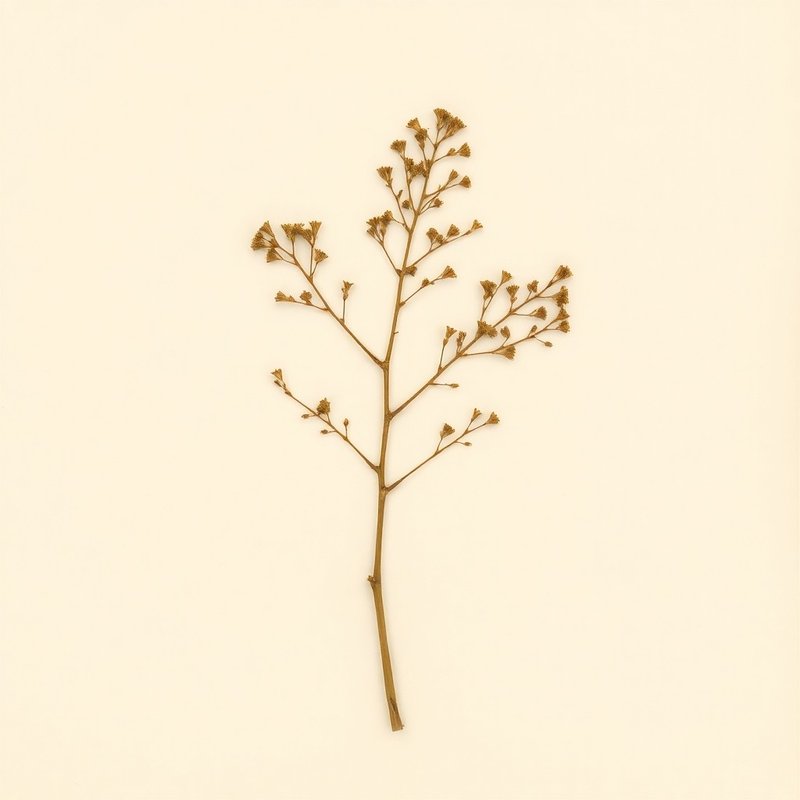
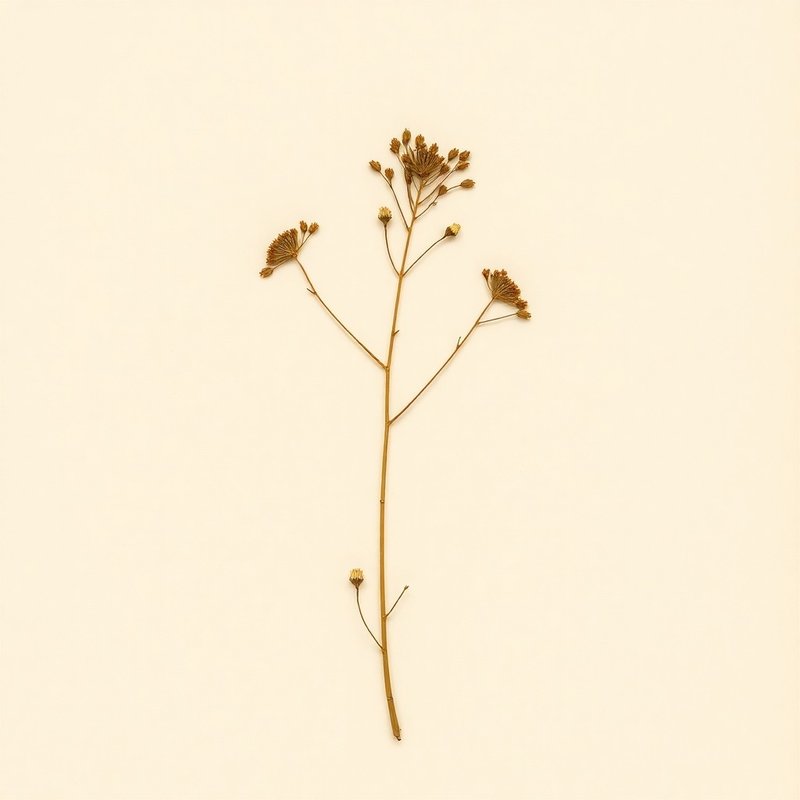
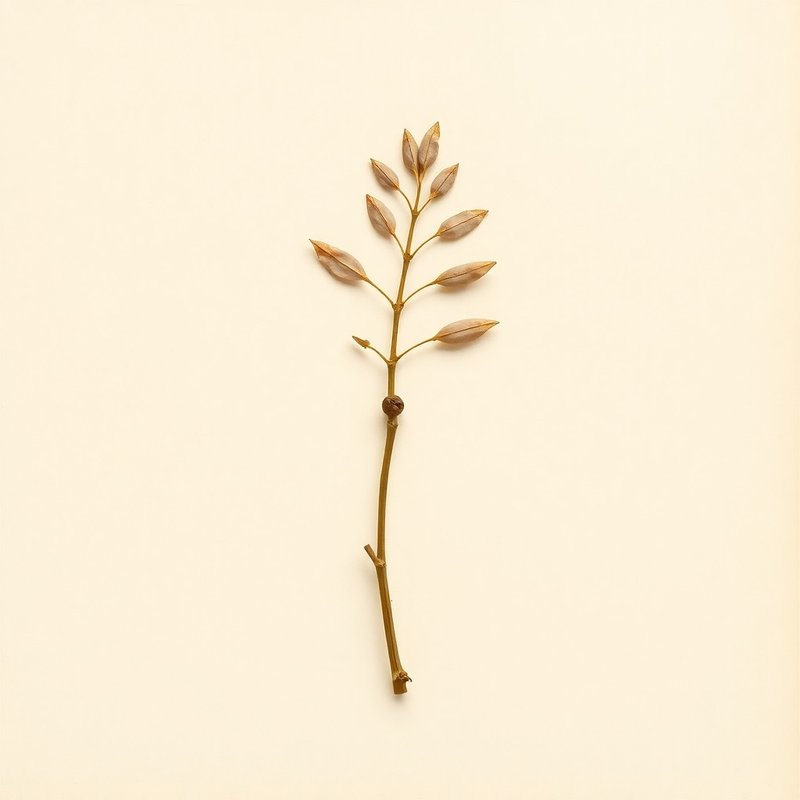
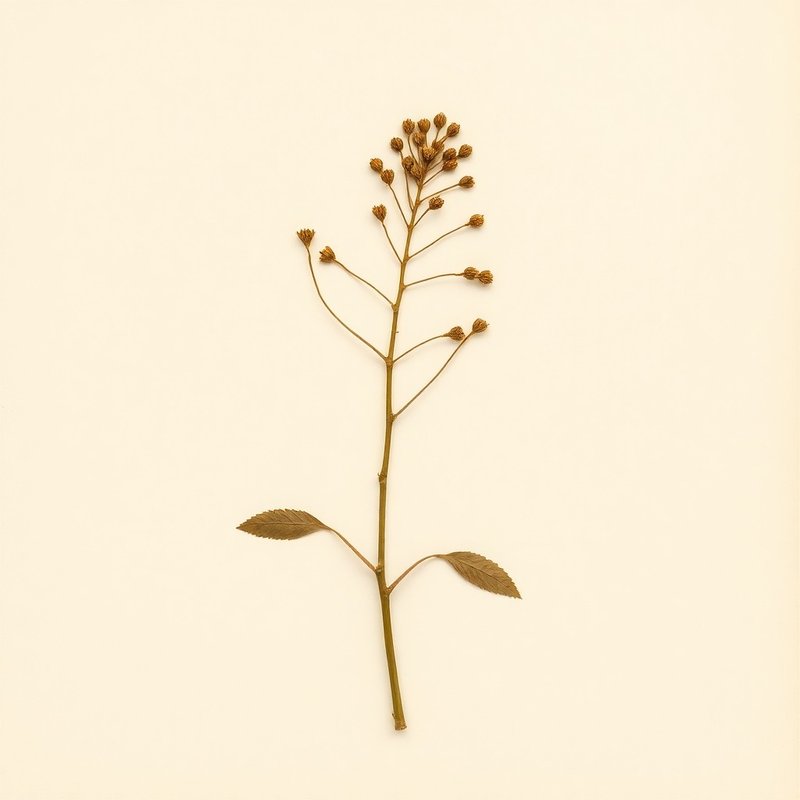
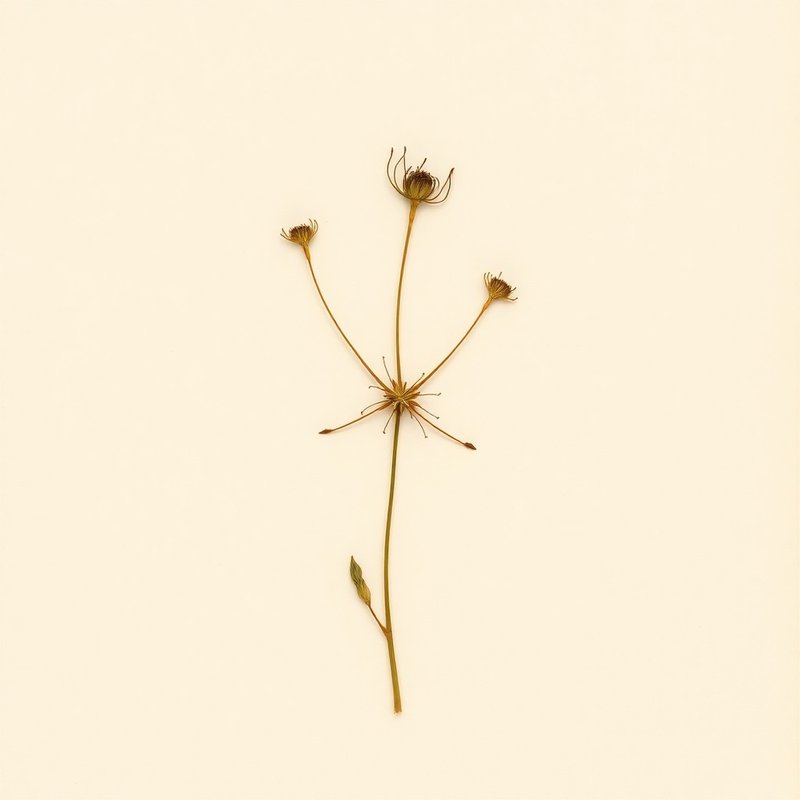
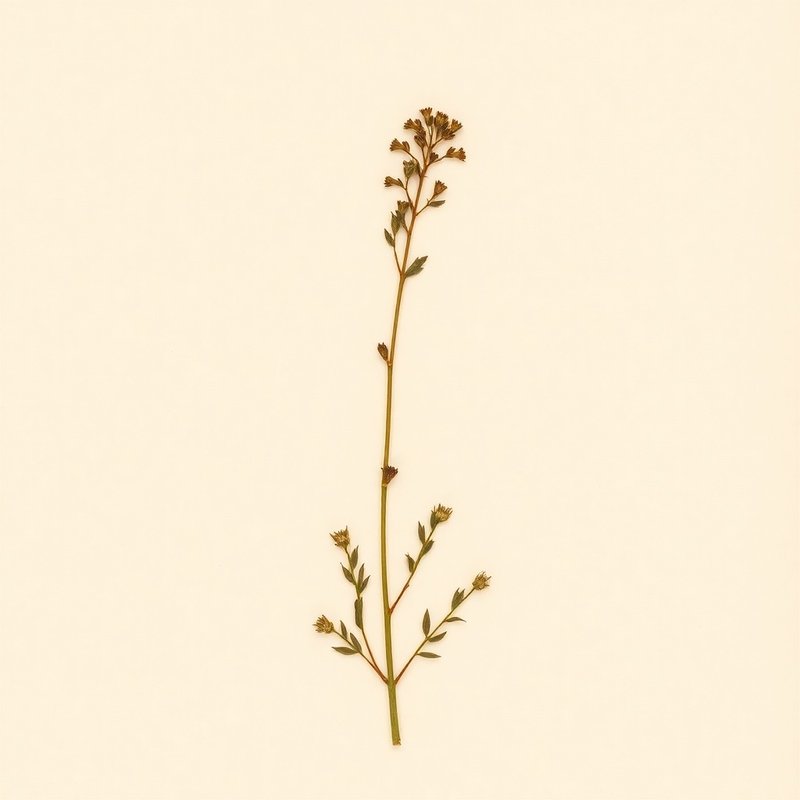
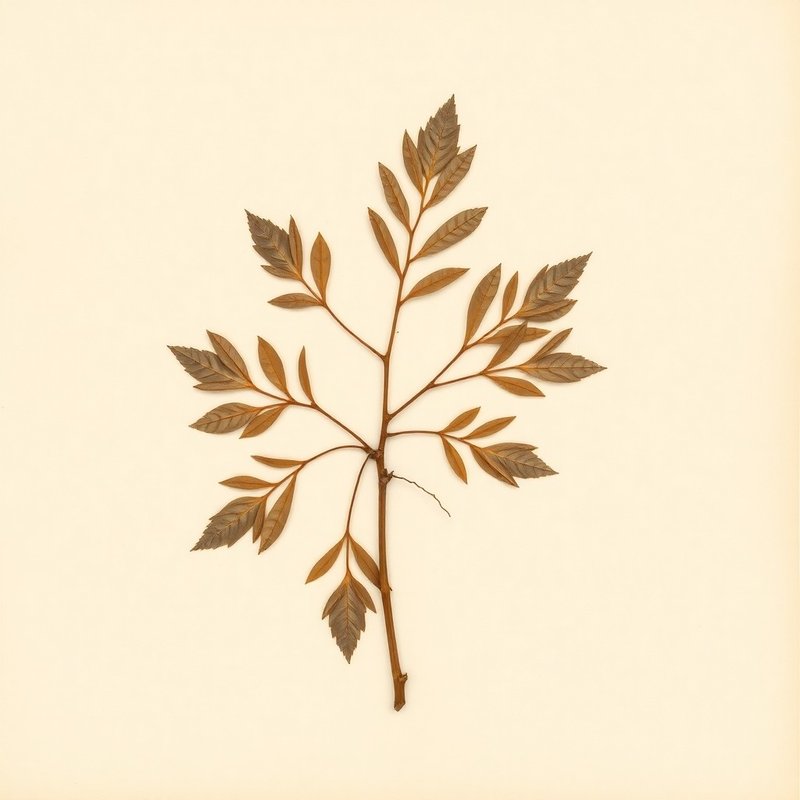
8 relatedPlants you might compare or use together — scored by shared family (Fabaceae), common use cases, and growing requirements.
same family · Fabaceae
Botanical relatives — often share phytochemistry + growing needs.
XI
Explore further
Companion planting
Compare with similar plants
Growing zone
XII
About this entry
- Last updated
- Citation
- How to cite this entry · Submit a correction
Back to the cataloguePlant id · fc30aabb-55df-41c6-a07a-f6e88770d863
Decision aid
Choosing between Silky Wisteria and something else?
Continue reading
❦❦❦❦
Endpaper · archive updates
Get archive updates
Occasional email when substantial new content lands — plant profiles, seasonal growing notes, folk-remedy additions. Free, no tracking, unsubscribe anytime.