
Chamomile
Matricaria chamomillafam. Asteraceae
An iconic daisy-like flower used for centuries as a gentle nervine and digestive. Apigenin and bisabolol are the lead actives.
Educational content — not medical, botanical, or professional advice. Always consult a qualified clinician before using any herbal preparation — especially during pregnancy, breastfeeding, while on medication, or for children. How we source & review →
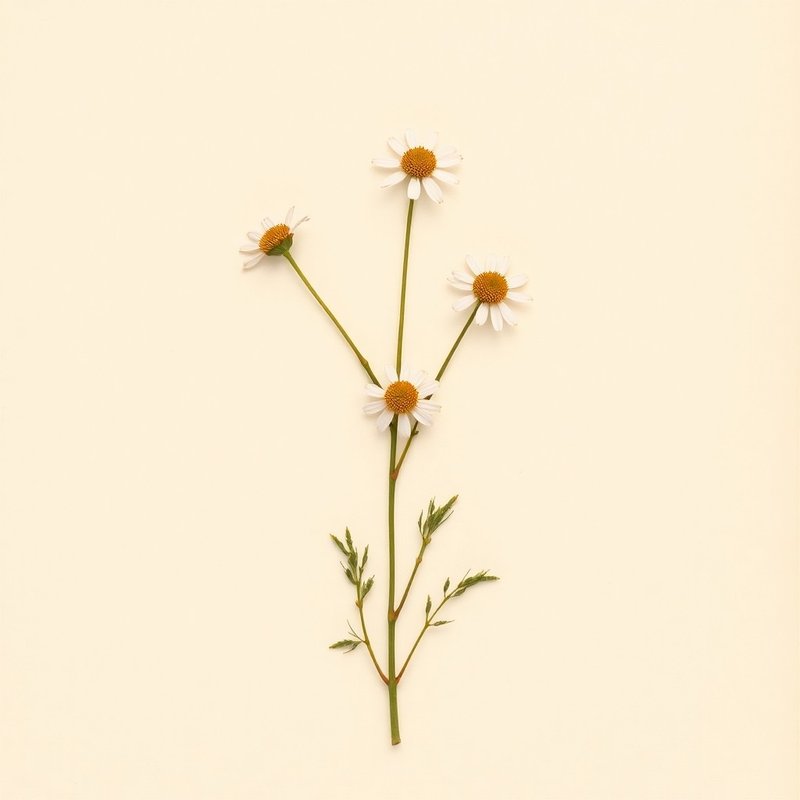
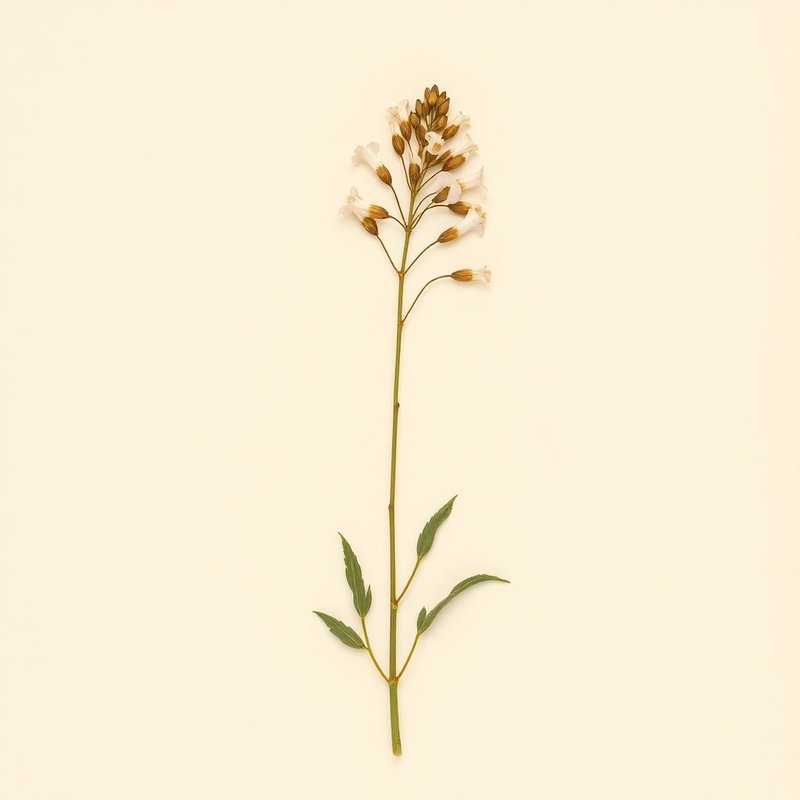
Pl. E241 — Matricaria chamomilla
Matricaria chamomillaMatricaria chamomillaMatricaria chamomillaMatricaria chamomillaMatricaria chamomillaMatricaria chamomillaMatricaria chamomillaMatricaria chamomillaMatricaria chamomillaMatricaria chamomillaMatricaria chamomillaMatricaria chamomillaMatricaria chamomillaMatricaria chamomilla
IPrezentare
Prezentare
- **Plant:** Chamomile (Matricaria chamomilla) - **Family:** Asteraceae - **Native to:** Europe and temperate regions of Asia, now widely cultivated worldwide. - **Properties:** Edible and medicinal. Valued for its flowers which are particularly useful. - **Uses:** Reduces moderate anxiety symptoms, eases mild digestive complaints, improves sleep quality in elderly individuals. - **Active Compounds:** Apigenin and α-bisabolol.
Quick answers
What is Chamomile?
- **Plant:** Chamomile (Matricaria chamomilla) - **Family:** Asteraceae - **Native to:** Europe and temperate regions of Asia, now widely cultivated worldwide. - **Properties:** Edible and medicinal. Valued for its flowers which are particularly useful.
What is Chamomile used for?
Traditionally used for stress & anxiety, digestion, better sleep. Each claim is evidence-rated — see Section II for full citations.
Is Chamomile safe?
2 documented contraindications — review Section III before use. Always consult a clinician for medical conditions, pregnancy, or medication interactions.
Best for
Top 3 evidence-ranked uses of Chamomile
Clinicaluses · safety · chemistry · dosagemedicinal profile
IIBeneficii și dovezi
3 claims · 4 sources
Beneficii și dovezi
3 claims · 4 sources- Reduces moderate anxiety symptoms
Apigenin partial agonist at GABA-A. Open-label and RCT data show clinically meaningful reduction in HAM-A scores.
- Eases mild digestive complaints
Antispasmodic via bisabolol; reduces visceral hypersensitivity in functional dyspepsia.
- Mild improvement in sleep quality (elderly)
GABA-A binding by apigenin; small RCT in care-home residents.
IIPrecauții și contraindicații
2 cautions
Precauții și contraindicații
2 cautionsanticoagulants
Possible additive bleeding risk with warfarin.
Asteraceae allergy
Cross-reactivity with ragweed, mugwort, daisies — anaphylaxis reported.
Need audience-specific safety verdicts? See dogs, cats, children, pregnancy, or breastfeeding guides.
IIIActive compounds
2 listed
Active compounds
2 listedalkaloidterpeneflavonoidglycosidephenolicpolysaccharide
IVDozaj
Dozaj
| Form | Dose | Frequency | Duration |
|---|---|---|---|
Infusion / tea Mild potency | 1.5–3 g / 240 ml | 1–4× daily | Up to 90 days |
Tincture (1:5, 45%) Moderate potency | 1–4 ml | 3× daily | Up to 56 days |
Standardized capsule Moderate potency | 220–1100 mg | 1–3× daily | Up to 56 days |
IV·bMixology suggestions
2 drafts
Mixology suggestions
2 draftsEditorial drafts. These pairings are AI-suggested from traditional herbal lore. Always verify with a qualified herbalist before brewing.
Growingconditions · propagation · uses
VCultivare
Cultivare
- **Lighting:** Thrives in full to partial sunlight.
- **Soil:** Prefers well-draining soil that is slightly sandy or loamy.
- **Watering:** Requires moderate watering, ensuring the soil stays consistently moist but not waterlogged.
- **Hardiness:** Hardy in temperate regions.
- **Propagation:** Can be propagated through seeds sown directly in the garden bed or by dividing established plants.
- **Parts Used:** Flower parts used for reducing stress and anxiety, easing mild digestive complaints, and improving sleep quality.
For first-time growers
How to grow Chamomile for the first time
8steps
Start with easy-to-grow chamomile for a simple gardening experience.
- 1
What you'll need
Chamomile seeds or seedlings, small pots, potting soil.
- 2
Best time to plant
Plant in spring after the last frost or in late summer for fall blooms.
- 3
Soil and container prep
Use well-draining soil. Containers should be at least 6 inches deep.
- 4
Sowing or transplanting
Direct sow seeds 1/4 inch deep, about 18 inches apart. Transplant seedlings when they have two sets of true leaves.
- 5
First two weeks
Water regularly to keep the soil moist but not waterlogged. Shield from strong sun during this period.
- 6
Ongoing care
Water weekly, reducing frequency in rainy weather. Pinch back stems for bushier growth.
- 7
Harvest or pruning
Prune after flowering to encourage new blooms and maintain plant shape.
- 8
Common mistakes
Overwatering, planting too close together, neglecting to pinch back stems.
VIEdible & utility
Edible & utility
Edible uses: Chamomile flowers are edible and can be used fresh or dried. Typically, they are consumed as a tea by steeping the petals in hot water. The flowers can also be added raw to salads for a mild, apple-like flavor. Skip any culinary preparation that involves cooking, as this may diminish their delicate taste.
Contextrange · companions · related
VIIDistribuție
30 native · 0 introduced
Distribuție
30 native · 0 introducedDistribution across3 continents· 30 native
Europe15 regions
native (15)AlbaniaAustriaBelarusBelgiumBulgariaCyprusDenmarkFinlandFranceGermanyGreeceHungaryPortugalRussiaSpain
Asia5 regions
native (5)AfghanistanChinaIndiaIranIraq
Africa2 regions
native (2)AlgeriaEgypt
Broader regions
native:Altay, Buryatiya, Czechoslovakia, East Aegean Is., Irkutsk
VIIIGarden companions
6 pairs
Garden companions
6 pairsPlant near these
These plants help — by repelling pests, fixing nitrogen, attracting pollinators, or sharing space well.
Lavender
Lavandula angustifolia
Pest repellent
Lavender deters pests, benefiting chamomile growth.
✶ AI suggested
Hyssop
Hyssopus officinalis
Pest repellent
Hyssop repels pests that might harm chamomile.
✶ AI suggested
Ixeris japonica
Ixeris japonica
Pest repellent
Chamomile repels pests that might harm Skip.
✶ AI suggested
Dog Violet
Viola canina
Pollinator-friendly
Chamomile attracts pollinators that also benefit Dog Violet.
✶ AI suggested
Tomato
Solanum lycopersicum
Pollinator-friendly
Chamomile supports beneficial insects and is traditionally used as a gentle garden neighbour.
Wild Cabbage
Brassica oleracea
Pollinator-friendly
Chamomile supports small beneficial wasps and hoverflies in brassica plantings.
IXSpecimen gallery
1 image
Specimen gallery
1 imageXSee also
8 related
See also
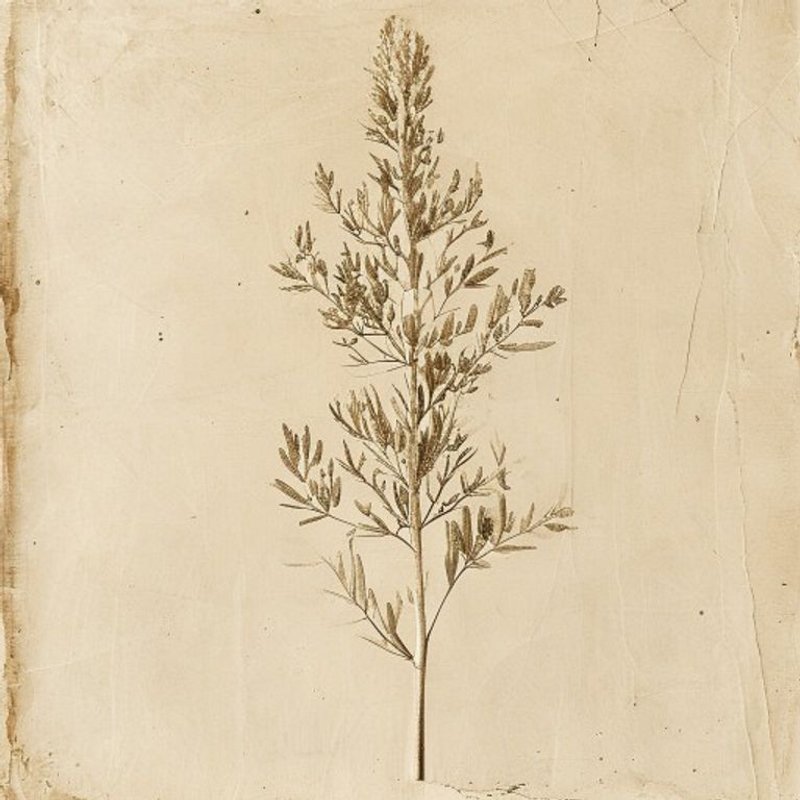
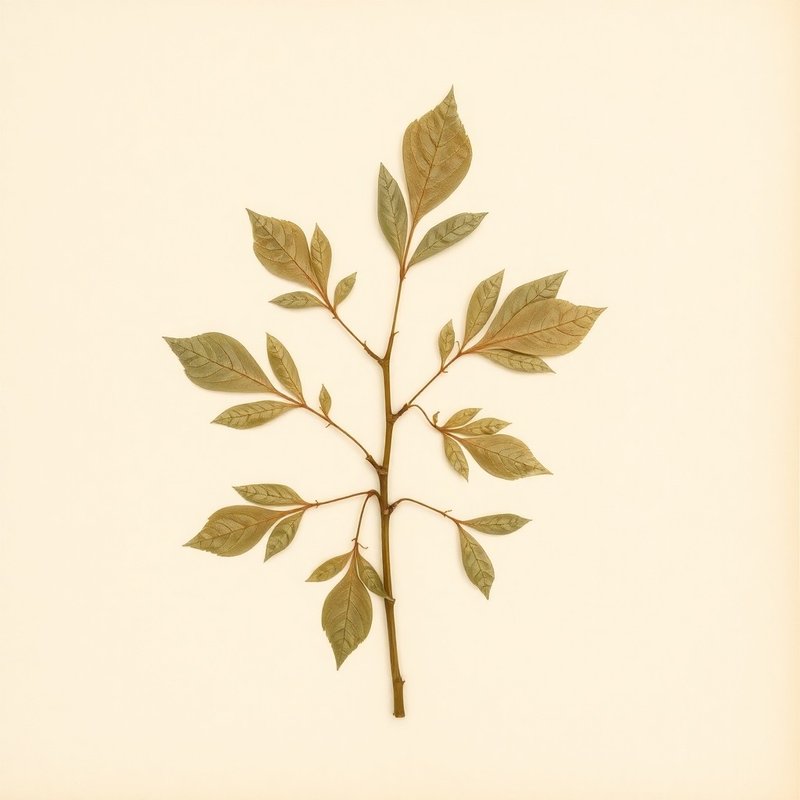
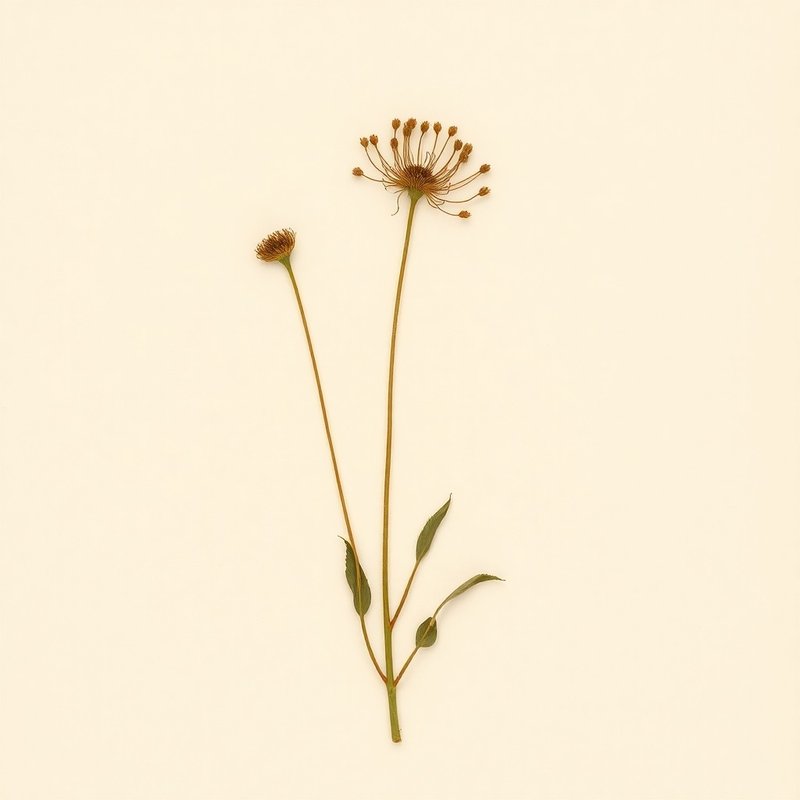
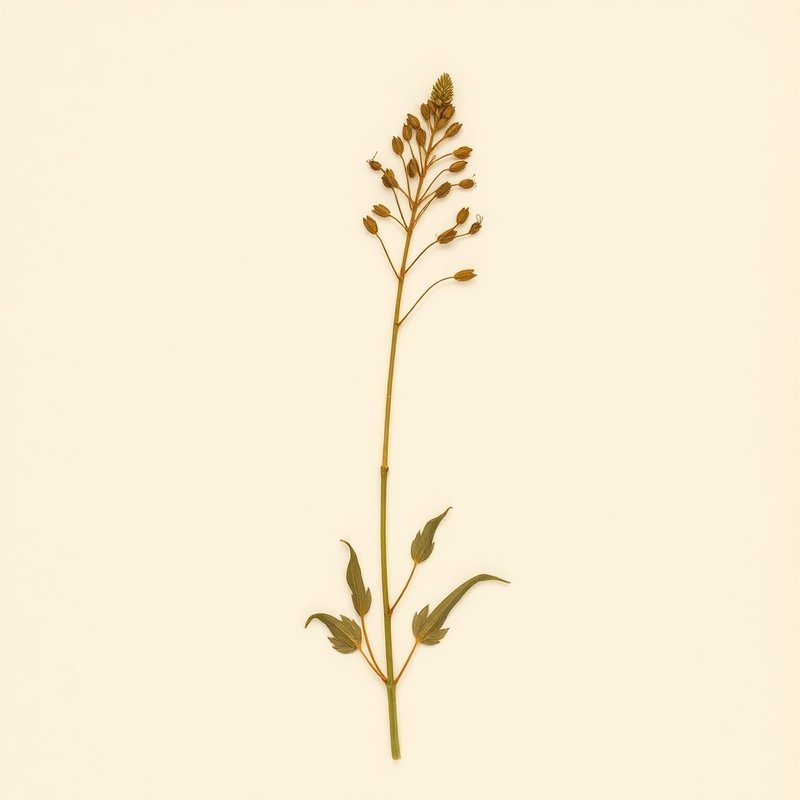
8 relatedPlants you might compare or use together — scored by shared family (Asteraceae), common use cases, and growing requirements.
shared use cases
Different families, similar therapeutic role — good for comparing.
XI
Explore further
Companion planting
Health goals
Compare with similar plants
XII
About this entry
- Last updated
- Citation
- How to cite this entry · Submit a correction
Back to the cataloguePlant id · e241a367-3951-4b0f-9bf6-b4bd3b9b926c
Decision aid
Choosing between Chamomile and something else?
Continue reading
❦❦❦❦
Endpaper · archive updates
Primește digest-ul săptămânal
Un email curat pe săptămână — profile noi de plante, note sezoniere de cultivare, adăugiri în arhiva de remedii. Gratuit, fără tracking, dezabonare oricând.