
Chamomile
Matricaria chamomillafam. Asteraceae
An iconic daisy-like flower used for centuries as a gentle nervine and digestive. Apigenin and bisabolol are the lead actives.
Educational content — not medical, botanical, or professional advice. Always consult a qualified clinician before using any herbal preparation — especially during pregnancy, breastfeeding, while on medication, or for children. How we source & review →
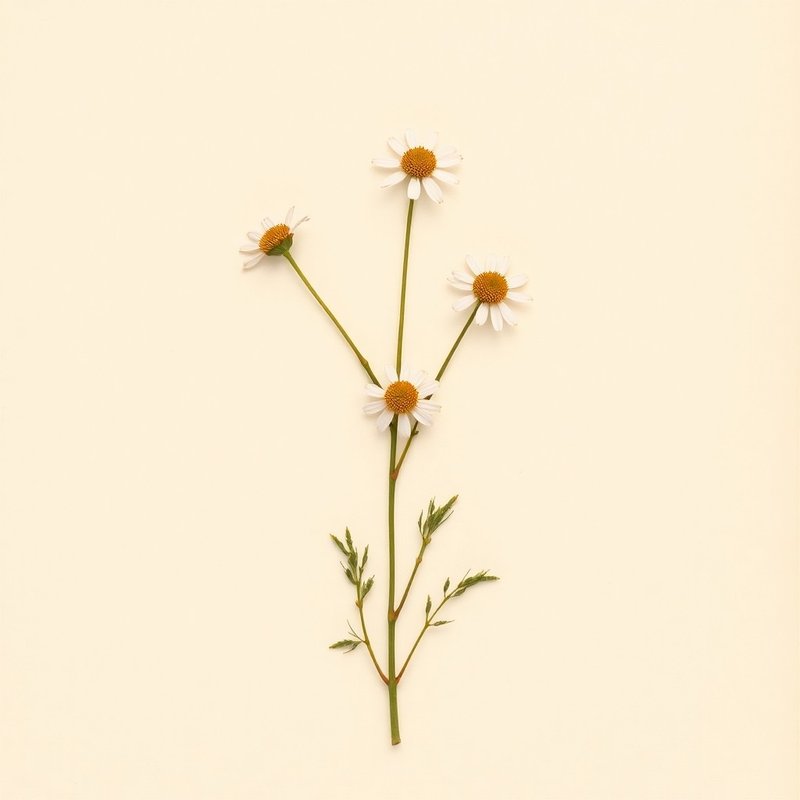
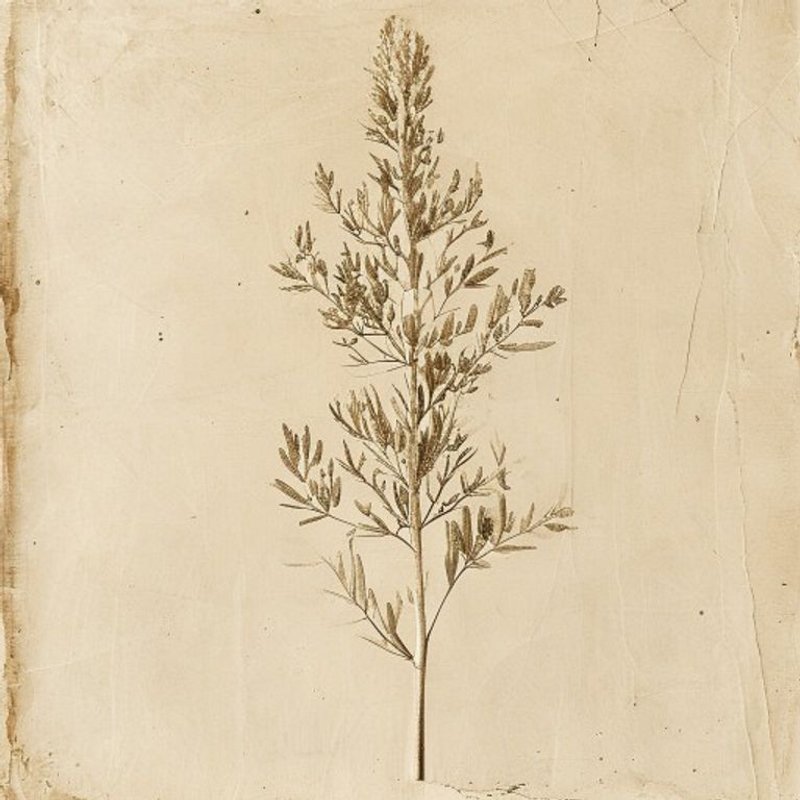
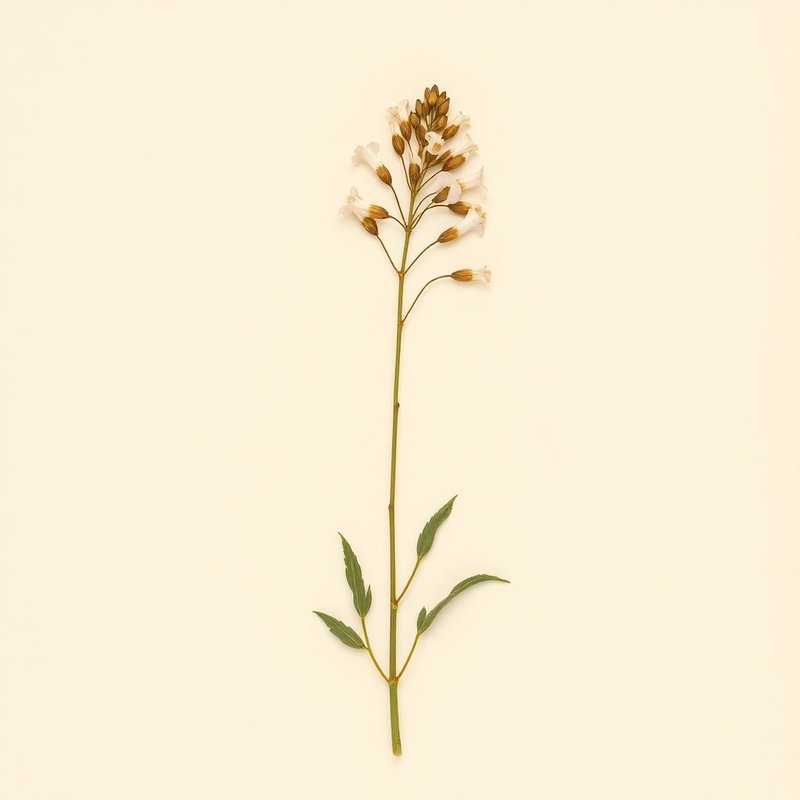
Pl. E241 — Matricaria chamomilla
Matricaria chamomillaMatricaria chamomillaMatricaria chamomillaMatricaria chamomillaMatricaria chamomillaMatricaria chamomillaMatricaria chamomillaMatricaria chamomillaMatricaria chamomillaMatricaria chamomillaMatricaria chamomillaMatricaria chamomillaMatricaria chamomillaMatricaria chamomilla
IOverview
Overview
Chamomile (Matricaria chamomilla) belongs to the Asteraceae family and is native to Europe and temperate regions of Asia, though it has been widely cultivated for centuries. The plant's adaptability allows it to thrive in various environments, making it a common sight across its native range including Afghanistan, Albania, Algeria, and parts of Europe such as Austria and Belarus. Known both for its culinary uses and medicinal properties, chamomile flowers are often used to prepare teas that can help reduce moderate anxiety symptoms and ease mild digestive complaints. Additionally, chamomile has been linked with improving sleep quality, particularly in elderly individuals. Two key compounds found in chamomile, apigenin and α-bisabolol, contribute to its beneficial effects on stress, digestion, and sleep.
Quick answers
What is Chamomile?
Chamomile (Matricaria chamomilla) belongs to the Asteraceae family and is native to Europe and temperate regions of Asia, though it has been widely cultivated for centuries.
What is Chamomile used for?
Traditionally used for stress & anxiety, digestion, better sleep. Each claim is evidence-rated — see Section II for full citations.
Is Chamomile safe?
2 documented contraindications — review Section III before use. Always consult a clinician for medical conditions, pregnancy, or medication interactions.
Best for
Top 3 evidence-ranked uses of Chamomile
Clinicaluses · safety · chemistry · dosagemedicinal profile
IIBenefits & evidence
3 claims · 4 sources
Benefits & evidence
3 claims · 4 sources- Reduces moderate anxiety symptoms
Apigenin partial agonist at GABA-A. Open-label and RCT data show clinically meaningful reduction in HAM-A scores.
- Eases mild digestive complaints
Antispasmodic via bisabolol; reduces visceral hypersensitivity in functional dyspepsia.
- Mild improvement in sleep quality (elderly)
GABA-A binding by apigenin; small RCT in care-home residents.
IICautions & contraindications
2 cautions
Cautions & contraindications
2 cautionsanticoagulants
Possible additive bleeding risk with warfarin.
Asteraceae allergy
Cross-reactivity with ragweed, mugwort, daisies — anaphylaxis reported.
Need audience-specific safety verdicts? See dogs, cats, children, pregnancy, or breastfeeding guides.
IIIActive compounds
2 listed
Active compounds
2 listedalkaloidterpeneflavonoidglycosidephenolicpolysaccharide
IVDosage
Dosage
| Form | Dose | Frequency | Duration |
|---|---|---|---|
Infusion / tea Mild potency | 1.5–3 g / 240 ml | 1–4× daily | Up to 90 days |
Tincture (1:5, 45%) Moderate potency | 1–4 ml | 3× daily | Up to 56 days |
Standardized capsule Moderate potency | 220–1100 mg | 1–3× daily | Up to 56 days |
IV·bMixology suggestions
2 drafts
Mixology suggestions
2 draftsEditorial drafts. These pairings are AI-suggested from traditional herbal lore. Always verify with a qualified herbalist before brewing.
Growingconditions · propagation · uses
VCultivation
Cultivation
Chamomile thrives in full to partial sunlight and prefers well-draining soil that is slightly sandy or loamy. It requires moderate watering, ensuring the soil stays consistently moist but not waterlogged. Hardy in temperate regions, it can be propagated through seeds sown directly in the garden bed or by dividing established plants. The flower parts are used for various benefits including reducing stress and anxiety, easing mild digestive complaints, and improving sleep quality.
For first-time growers
How to grow Chamomile for the first time
8steps
Start with easy-to-grow chamomile for a simple gardening experience.
- 1
What you'll need
Chamomile seeds or seedlings, small pots, potting soil.
- 2
Best time to plant
Plant in spring after the last frost or in late summer for fall blooms.
- 3
Soil and container prep
Use well-draining soil. Containers should be at least 6 inches deep.
- 4
Sowing or transplanting
Direct sow seeds 1/4 inch deep, about 18 inches apart. Transplant seedlings when they have two sets of true leaves.
- 5
First two weeks
Water regularly to keep the soil moist but not waterlogged. Shield from strong sun during this period.
- 6
Ongoing care
Water weekly, reducing frequency in rainy weather. Pinch back stems for bushier growth.
- 7
Harvest or pruning
Prune after flowering to encourage new blooms and maintain plant shape.
- 8
Common mistakes
Overwatering, planting too close together, neglecting to pinch back stems.
VIEdible & utility
Edible & utility
Edible uses: Chamomile flowers are edible and can be used fresh or dried. Typically, they are consumed as a tea by steeping the petals in hot water. The flowers can also be added raw to salads for a mild, apple-like flavor. Skip any culinary preparation that involves cooking, as this may diminish their delicate taste.
Contextrange · companions · related
VIIDistribution
30 native · 0 introduced
Distribution
30 native · 0 introducedDistribution across3 continents· 30 native
Europe15 regions
native (15)AlbaniaAustriaBelarusBelgiumBulgariaCyprusDenmarkFinlandFranceGermanyGreeceHungaryPortugalRussiaSpain
Asia5 regions
native (5)AfghanistanChinaIndiaIranIraq
Africa2 regions
native (2)AlgeriaEgypt
Broader regions
native:Altay, Buryatiya, Czechoslovakia, East Aegean Is., Irkutsk
VIIIGarden companions
6 pairs
Garden companions
6 pairsPlant near these
These plants help — by repelling pests, fixing nitrogen, attracting pollinators, or sharing space well.
Lavender
Lavandula angustifolia
Pest repellent
Lavender deters pests, benefiting chamomile growth.
✶ AI suggested
Hyssop
Hyssopus officinalis
Pest repellent
Hyssop repels pests that might harm chamomile.
✶ AI suggested
Ixeris japonica
Ixeris japonica
Pest repellent
Chamomile repels pests that might harm Skip.
✶ AI suggested
Dog Violet
Viola canina
Pollinator-friendly
Chamomile attracts pollinators that also benefit Dog Violet.
✶ AI suggested
Tomato
Solanum lycopersicum
Pollinator-friendly
Chamomile supports beneficial insects and is traditionally used as a gentle garden neighbour.
Wild Cabbage
Brassica oleracea
Pollinator-friendly
Chamomile supports small beneficial wasps and hoverflies in brassica plantings.
IXSpecimen gallery
1 image
Specimen gallery
1 imageXSee also
8 related
See also
8 relatedPlants you might compare or use together — scored by shared family (Asteraceae), common use cases, and growing requirements.
shared use cases
Different families, similar therapeutic role — good for comparing.
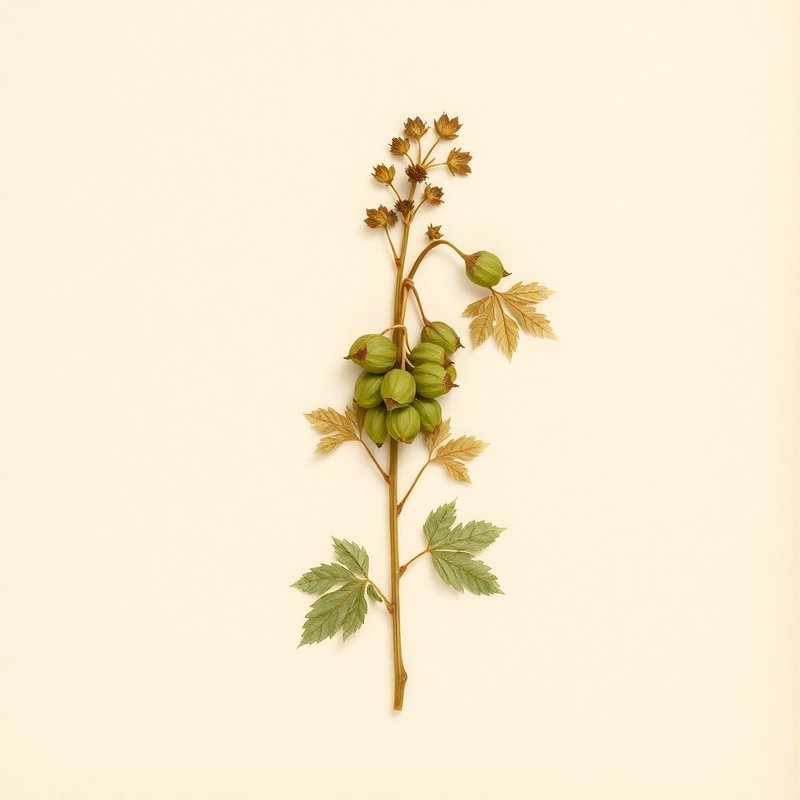
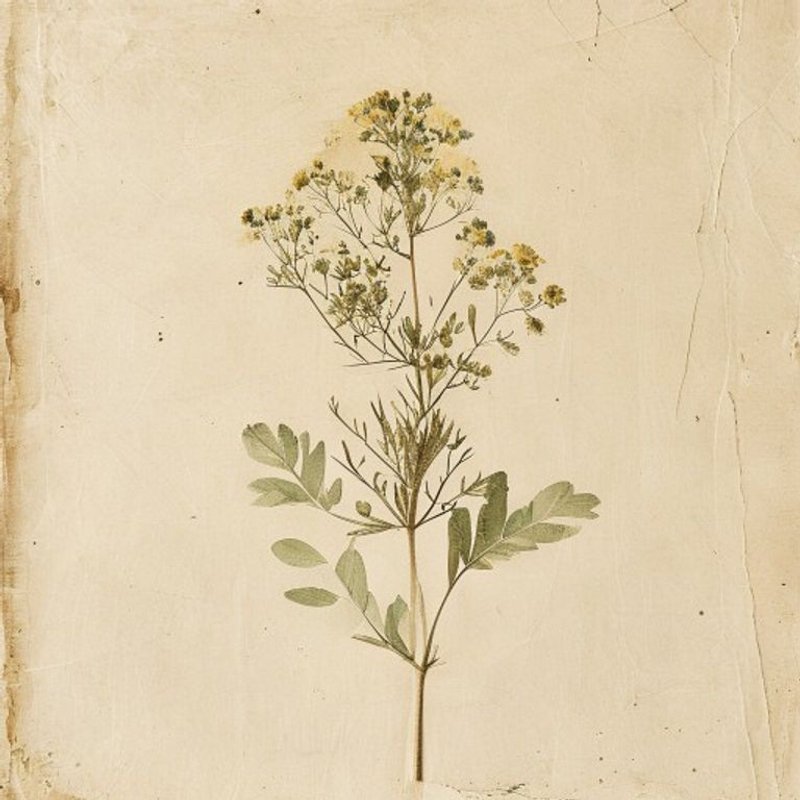
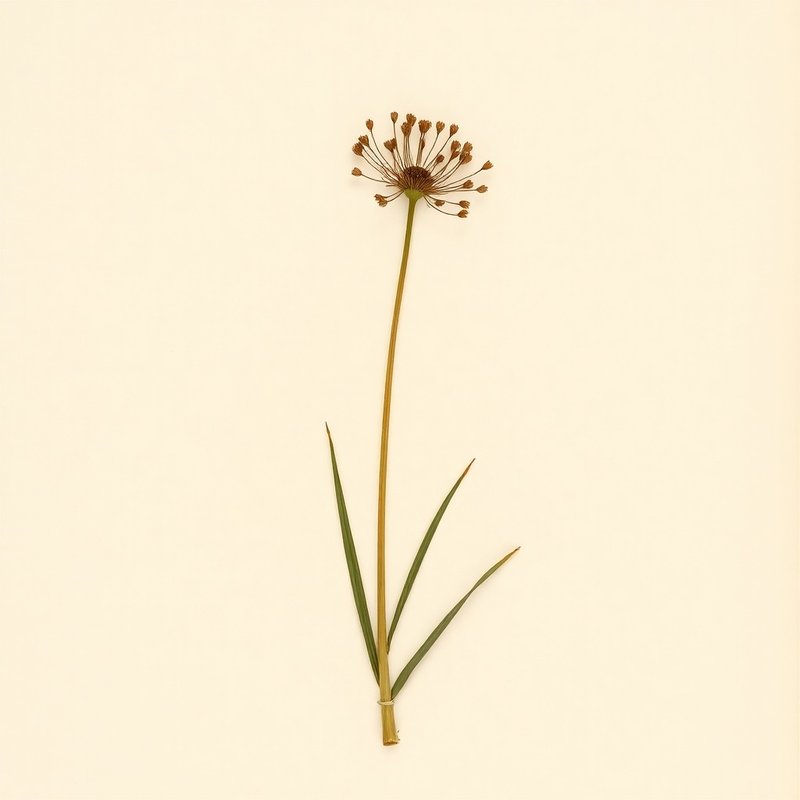
XI
Explore further
Companion planting
Health goals
Compare with similar plants
XII
About this entry
- Last updated
- Citation
- How to cite this entry · Submit a correction
Back to the cataloguePlant id · e241a367-3951-4b0f-9bf6-b4bd3b9b926c
Decision aid
Choosing between Chamomile and something else?
Continue reading
❦❦❦❦
Endpaper · archive updates
Get archive updates
Occasional email when substantial new content lands — plant profiles, seasonal growing notes, folk-remedy additions. Free, no tracking, unsubscribe anytime.