
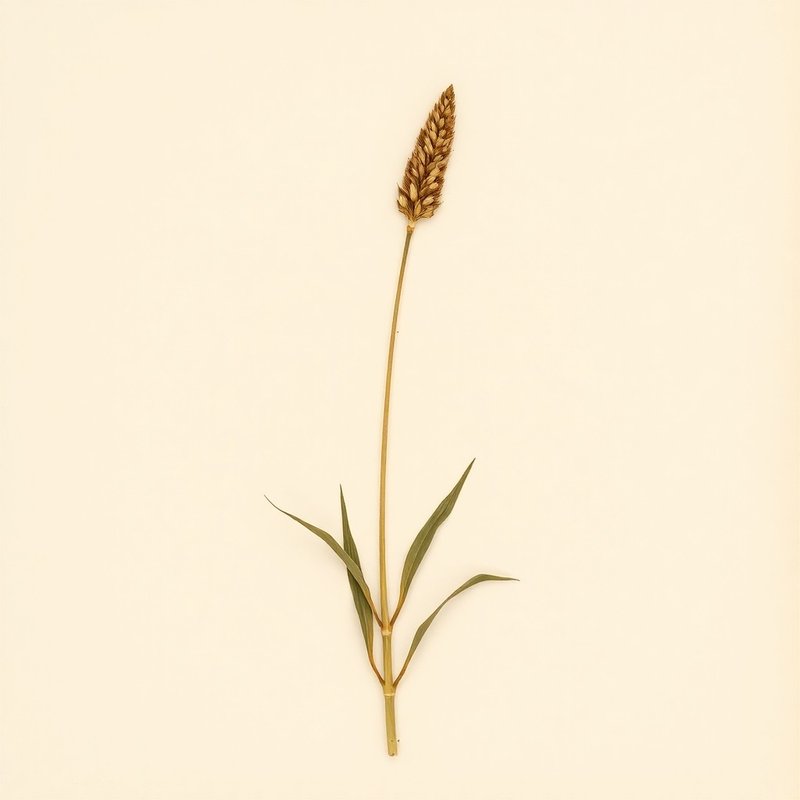
Flat beanPhaseolus vulgarisprovides shade
Maize stalks provide a trellis for climbing beans.
Zea mays
Zea mays grows best when paired with plants that provides shade, covers the ground, fixes nitrogen. We've catalogued 5 beneficial companions and 1 antagonist to avoid. Every pairing below cites its mechanism — pest deterrence, nitrogen fixing, allelopathy, or shared disease.
Want the full profile? See Zea mays botanical profile →
Maize stalks provide a trellis for climbing beans.
Squash leaves shade soil, suppress weeds, deter raccoons with prickly vines.
Maize canopy provides dappled light suitable for squash.
Beans fix nitrogen for heavy-feeding maize. Three Sisters classic.
Corn can provide light shade and structure for sprawling cucumbers.
Both host corn earworm (tomato fruitworm).
Tall plants offer dappled light for shade-tolerant herbs and a living trellis for climbers.
Low spreading plants suppress weeds, retain soil moisture, and shade out invaders.
Legumes pull atmospheric nitrogen into the soil through root nodules, feeding heavy-feeding neighbours like maize or brassicas.
The top companions are Flat bean, Pumpkin / Zucchini, Pumpkin / Zucchini. 2 more pairings are catalogued above with their mechanisms.
Avoid Tomato. Reasons vary — allelopathy, shared pests, or resource competition. See the section above for each plant's specific issue.
Yes — pairing with legumes that fix atmospheric nitrogen reduces fertiliser need and improves yield. Check the "Plant near these" section above for nitrogen-fixing companions.
Some mechanisms are well-documented (legume nitrogen fixation, allelopathy in walnut and fennel, nematode suppression by marigolds). Others are traditional pairings with anecdotal support. We cite both, but mark mechanism strength where available.
Occasional email when substantial new content lands — plant profiles, seasonal growing notes, folk-remedy additions. Free, no tracking, unsubscribe anytime.