
Zea mays
Zea mays
Educational content — not medical, botanical, or professional advice. Plant identification, safety, and edibility depend on local conditions, cultivars, and correct identification. Consult a qualified botanist or forager before consuming or handling wild specimens. How we source & review →
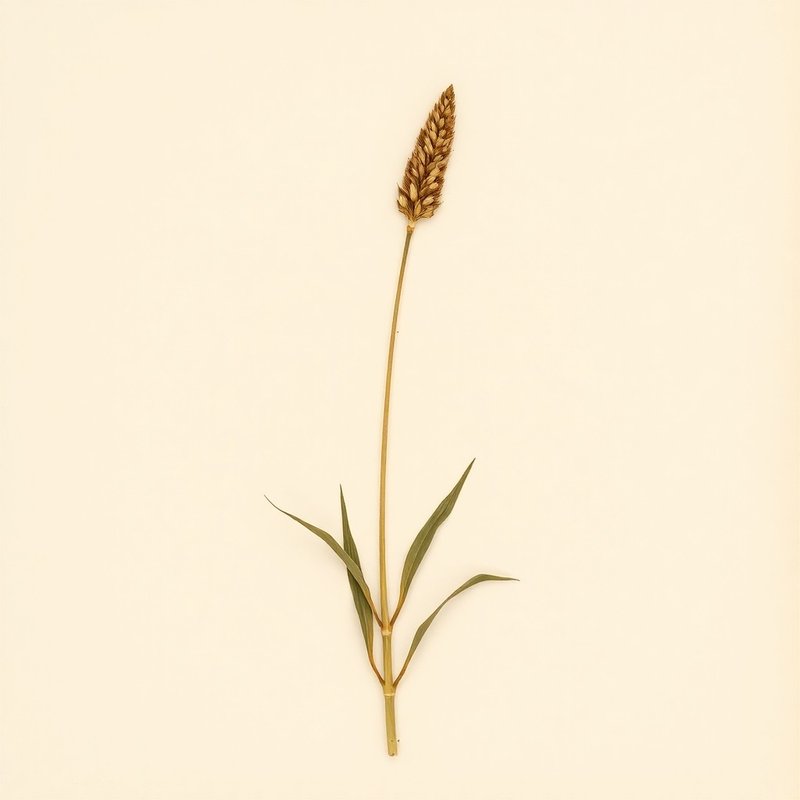
Pl. 7DB5 — Zea mays
Zea maysZea maysZea maysZea maysZea maysZea maysZea maysZea maysZea maysZea maysZea maysZea maysZea maysZea mays
IOverview
Overview
Zea mays, commonly known as corn, is a grass native to the regions of Guatemala, Mexico Central, and Mexico Southwest. This annual plant thrives in moist conditions with light (sandy), medium, or heavy (clay) soil, growing up to 2 meters tall and spreading about 0.66 meters wide. Corn can be propagated directly by sowing seeds outdoors and is valued for its edible parts, including pollen, seed, and stem. Known for its versatility in cultivation and consumption, corn is a staple food in many cultures. Its distinctive feature lies in the way it grows—each plant produces multiple ears of kernels on long, thick stalks.
Quick answers
What is Zea mays?
Zea mays, commonly known as corn, is a grass native to the regions of Guatemala, Mexico Central, and Mexico Southwest. This annual plant thrives in moist conditions with light (sandy), medium, or heavy (clay) soil, growing up to 2 meters tall and spreading about 0.
Growingconditions · propagation · uses
VCultivation
Cultivation
Zea mays, or corn, thrives in light to medium soils with a pH between 5.5 and 7.5. It requires moist conditions but can tolerate various soil types including sandy, loam, and clay. Corn is hardy in zones 2-11, making it adaptable to temperate regions. For cultivation, direct seed outdoors when the soil has warmed. This annual plant grows up to 2 meters tall with a spread of about 0.66 meters. Ensure it receives plenty of light for optimal growth and harvest its edible parts including pollen, seeds, and stems.
Light
9/10
Water
Moist
Soil
Light (sandy), Medium, Heavy (clay)
Hardiness
2-11
Life cycle
Annual
Habit
Graminoid
Mature size
2 m × 0.66 m
Soil pH
5.5–7.5
- Propagation
- Direct seed outdoors
- Row spacing
- 76 cm
For first-time growers
How to grow Zea mays for the first time
8steps
Start with simple direct seeding for a rewarding first gardening experience.
- 1
What you'll need
Seeds, garden soil, watering can or hose.
- 2
Best time to plant
Plant in spring after the last frost, when temperatures are above 10°C (50°F).
- 3
Soil and container prep
Choose a sunny spot with well-draining soil. Mix compost into the top layer for nutrients.
- 4
Sowing or transplanting
Directly sow seeds 2-3 cm deep, spaced about 30 cm apart in rows 90 cm apart.
- 5
First two weeks
Keep soil consistently moist. Thin seedlings to 30 cm apart once they have several leaves.
- 6
Ongoing care
Water regularly, especially during dry spells. Fertilize every few weeks with a balanced organic fertilizer.
- 7
Harvest or pruning
Prune any yellowing or diseased leaves to keep the plant healthy. Harvest when ears are plump and silks turn brown.
- 8
Common mistakes
Overwatering, planting too early in cold soil, neglecting to thin seedlings.
VIEdible & utility
Edible & utility
Edible parts:PollenSeedStem
Edible uses: Oil, Coffee
Other uses:AdhesiveFire starteroiltextiles
Contextrange · companions · related
VIIDistribution
3 native · 27 introduced
Distribution
3 native · 27 introducedDistribution across4 continents· 3 native· 27 introduced
Europe5 regions
introduced (5)AlbaniaAustriaBelgiumPortugalSpain
Asia3 regions
introduced (3)AfghanistanBangladeshIndia
Americas3 regions
native (1)Guatemala
introduced (2)BahamasBelize
Africa3 regions
introduced (3)AlgeriaAngolaBenin
Broader regions
native:Mexico Central, Mexico Southwest
introduced:Aldabra, Argentina Northeast, Andaman Is., Arkansas, Aruba, Baltic States, Arizona, Amur, Alabama, Bismarck Archipelago, Borneo, Brazil North, Brazil Northeast, Brazil South
VIIIGarden companions
6 pairs
Garden companions
6 pairsPlant near these
These plants help — by repelling pests, fixing nitrogen, attracting pollinators, or sharing space well.
Pumpkin / Zucchini
Cucurbita pepo
Shade providerGround cover
Maize canopy provides dappled light suitable for squash.
Flat bean
Phaseolus vulgaris
Nitrogen fixerShade provider
Beans fix nitrogen for heavy-feeding maize. Three Sisters classic.
Cucumis sativus
Cucumis sativus
Shade provider
Corn can provide light shade and structure for sprawling cucumbers.
Keep away from these
Avoid planting nearby — competition, allelopathy, or shared pests/diseases.
IXSpecimen gallery
1 image
Specimen gallery
1 imageXI
Explore further
Companion planting
Growing zone
XII
About this entry
- Last updated
- Citation
- How to cite this entry · Submit a correction
Back to the cataloguePlant id · 7db5a332-16d6-43ab-ac1e-30e82b447d83
Decision aid
Choosing between Zea mays and something else?
Continue reading
❦❦❦❦
Endpaper · archive updates
Get archive updates
Occasional email when substantial new content lands — plant profiles, seasonal growing notes, folk-remedy additions. Free, no tracking, unsubscribe anytime.