
Flat bean
Phaseolus vulgaris
Educational content — not medical, botanical, or professional advice. Plant identification, safety, and edibility depend on local conditions, cultivars, and correct identification. Consult a qualified botanist or forager before consuming or handling wild specimens. How we source & review →
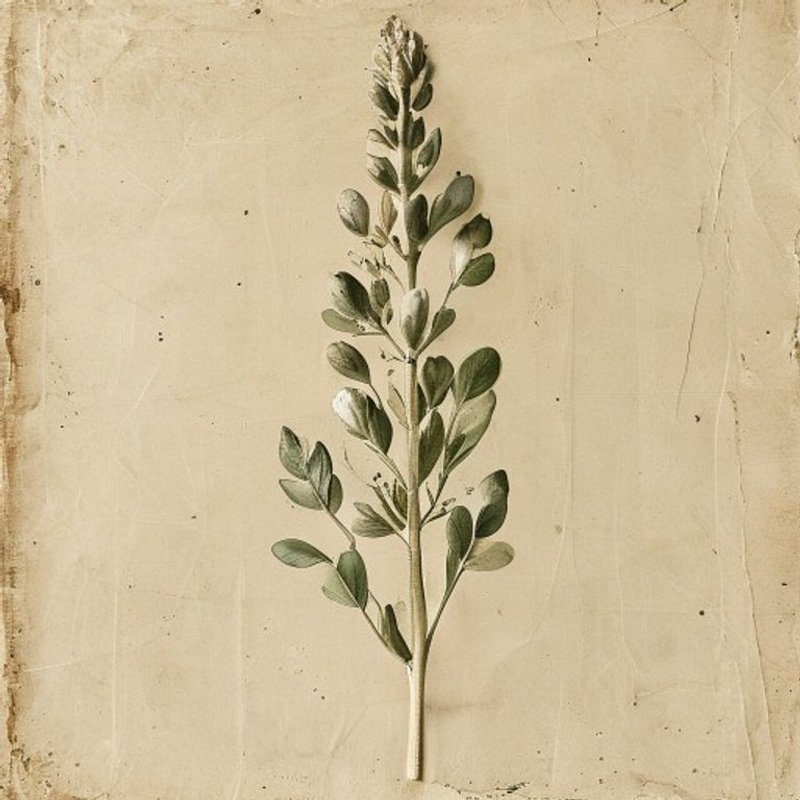
Pl. 7009 — Phaseolus vulgaris
Phaseolus vulgarisPhaseolus vulgarisPhaseolus vulgarisPhaseolus vulgarisPhaseolus vulgarisPhaseolus vulgarisPhaseolus vulgarisPhaseolus vulgarisPhaseolus vulgarisPhaseolus vulgarisPhaseolus vulgarisPhaseolus vulgarisPhaseolus vulgarisPhaseolus vulgaris
IOverview
Overview
This plant is an annual vine or forb/herb that belongs to the Phaseolus genus. It is native to Central America, specifically Costa Rica, Guatemala, Honduras, and various regions of Mexico. The plant is known for being edible, with its fruits and seeds being the consumable parts. One of its distinctive features is its ability to grow quite tall, reaching heights of up to 2 meters. It thrives in moist conditions and can be propagated through seed, either by direct sowing or transplanting. The plant's hardiness allows it to grow in a wide range of environments, making it a versatile species. Its growth habit as a vine allows it to climb and spread, making it a notable presence in its native habitats.
Quick answers
What is Flat bean?
This plant is an annual vine or forb/herb that belongs to the Phaseolus genus. It is native to Central America, specifically Costa Rica, Guatemala, Honduras, and various regions of Mexico. The plant is known for being edible, with its fruits and seeds being the consumable parts.
Growingconditions · propagation · uses
VCultivation
Cultivation
This plant prefers well-lit conditions, with a light rating of 8 out of 10, and moist soil with a pH between 6.5 and 7. It is hardy in a wide range of areas, from 2 to 11. As an annual vine, it can be propagated through seed, either by direct sowing or transplanting. Sowing outdoors can be done one week after the last frost, or 12 to 14 weeks before the first frost. With proper care, it can grow up to 2 meters in height, producing edible fruits and seeds.
Light
8/10
Water
Moist
Hardiness
2-11
Life cycle
Annual
Habit
Vine, Forb/herb
Mature size
2.0 m tall
Soil pH
6.5–7
- Propagation
- Seed - transplant, Seed - direct sow
- Sow outdoors
- 1 week after last frost, 12-14 weeks before first frost
- Sow indoors
- 2-4 weeks before last frost
- Germination
- 4-10 days
- Days to harvest
- 45-85
- Seed viability
- 3-5 years
For first-time growers
How to grow Flat bean for the first time
8steps
Start with flat beans for a simple and rewarding gardening experience.
- 1
What you'll need
Seeds, small pots or trays for starting indoors, garden soil, a trellis or stakes.
- 2
Best time to plant
Plant after the last frost in your area, about 12-14 weeks before the first frost.
- 3
Soil and container prep
Use well-draining soil with a pH between 6.5 and 7. Ensure containers are at least 30 cm deep for roots to grow.
- 4
Sowing or transplanting
Start seeds indoors in small pots, then transplant them outside once they have two true leaves. Alternatively, direct sow outdoors after the last frost.
- 5
First two weeks
Water regularly to keep soil moist but not waterlogged. Provide support for vines as they grow.
- 6
Ongoing care
Keep plants well-watered and fertilize with compost every few weeks. Monitor for pests like aphids and spider mites.
- 7
Harvest or pruning
Pinch off the tips of young vines to encourage bushy growth. Harvest beans when they are plump and firm.
- 8
Common mistakes
Overwatering, not providing support for vines, planting too late in the season, neglecting to prune tips.
VIEdible & utility
Edible & utility
Edible parts:fruitsseeds
Edible uses: The fruits and seeds of this plant are edible. They can be consumed in various ways, although specific preparation methods are not provided. The edible parts can potentially be eaten raw, cooked, or dried, but traditional preparation techniques are not specified.
Other uses:Nitrogen fixer
Contextrange · companions · related
VIIDistribution
11 native · 19 introduced
Distribution
11 native · 19 introducedDistribution across4 continents· 11 native· 19 introduced
Europe1 region
introduced (1)Russia
Asia2 regions
introduced (2)BangladeshIndia
Americas5 regions
native (4)Costa RicaGuatemalaHondurasNicaragua
introduced (1)Dominican Republic
Africa6 regions
introduced (6)AngolaCameroonChadComorosEthiopiaGuinea
Broader regions
native:Mexico Northeast, Mexico Central, Mexico Gulf, Mexico Southwest, Panamá, Mexico Southeast, Mexico Northwest
introduced:East Himalaya, Argentina Northeast, Argentina Northwest, Chita, Andaman Is., Cayman Is., Buryatiya, Baltic States
VIIIGarden companions
10 pairs
Garden companions
10 pairsPlant near these
These plants help — by repelling pests, fixing nitrogen, attracting pollinators, or sharing space well.
Pumpkin / Zucchini
Cucurbita pepo
Nitrogen fixer
Beans feed squash via nitrogen fixation.
Cucumis sativus
Cucumis sativus
Nitrogen fixer
Beans fix nitrogen and share vertical space well with cucumber trellises.
Zea mays
Zea mays
Shade providerNitrogen fixer
Maize stalks provide a trellis for climbing beans.
Celery
Apium graveolens
Nitrogen fixer
Beans improve nitrogen availability for celery.
Potato
Solanum tuberosum
Nitrogen fixer
Beans fix nitrogen near potatoes and are a classic small-garden pairing.
Keep away from these
Avoid planting nearby — competition, allelopathy, or shared pests/diseases.
IXSpecimen gallery
1 image
Specimen gallery
1 imageXI
Explore further
Companion planting
Growing zone
XII
About this entry
- Last updated
- Citation
- How to cite this entry · Submit a correction
Back to the cataloguePlant id · 7009c206-ece9-48fc-a691-f44c402a7f3e
Decision aid
Choosing between Flat bean and something else?
Continue reading
❦❦❦❦
Endpaper · archive updates
Get archive updates
Occasional email when substantial new content lands — plant profiles, seasonal growing notes, folk-remedy additions. Free, no tracking, unsubscribe anytime.