
Amaranthus tenuifolius
Amaranthus tenuifoliusfam. Amaranthaceae
Educational content — not medical, botanical, or professional advice. Plant identification, safety, and edibility depend on local conditions, cultivars, and correct identification. Consult a qualified botanist or forager before consuming or handling wild specimens. How we source & review →
Garden journal pausedUse profile notes below
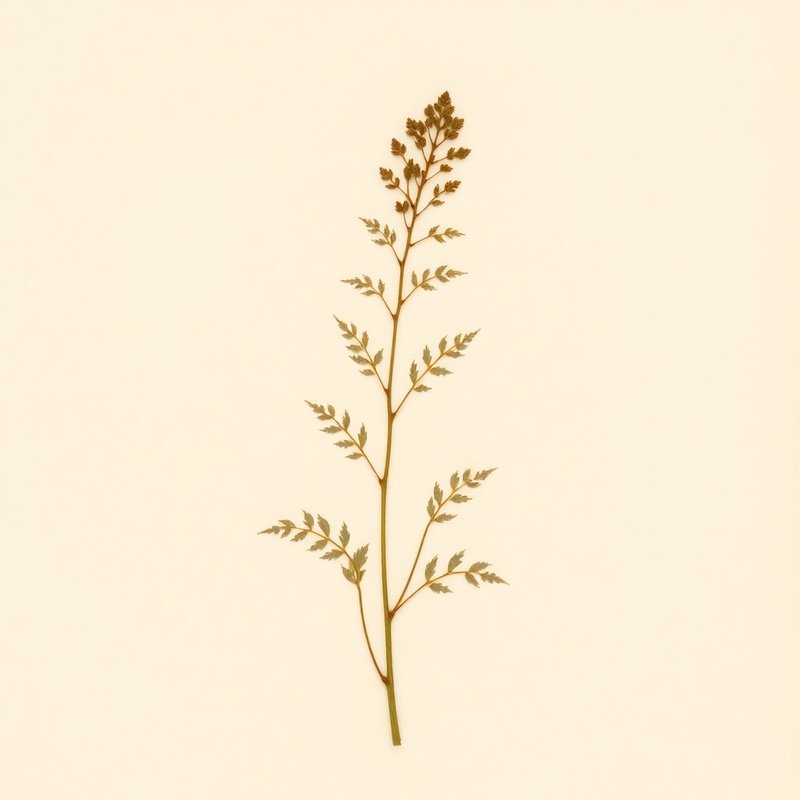
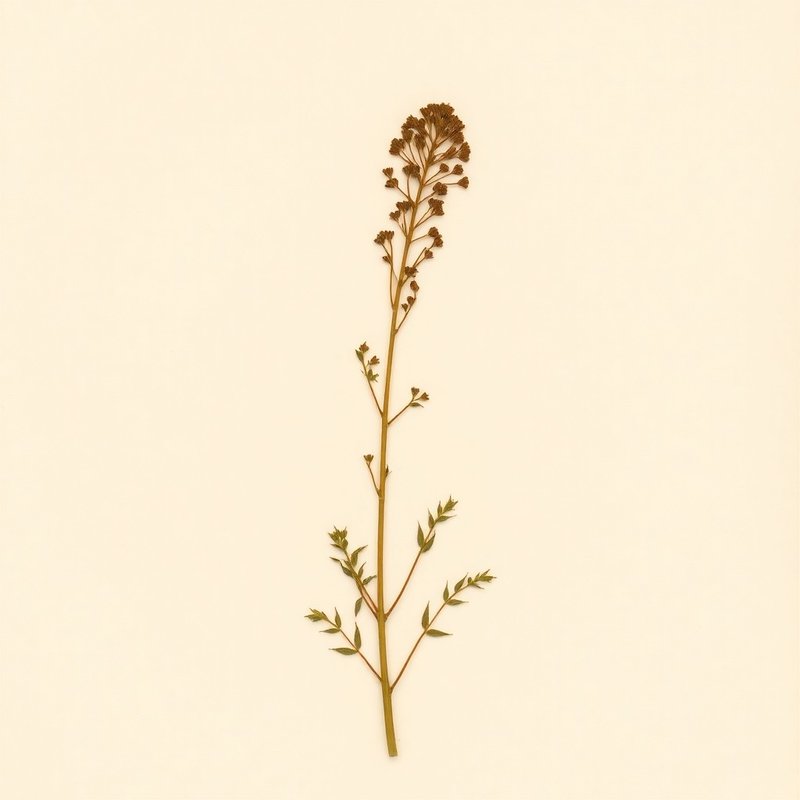
Pl. 4772 — Amaranthus tenuifolius
Amaranthus tenuifoliusAmaranthus tenuifoliusAmaranthus tenuifoliusAmaranthus tenuifoliusAmaranthus tenuifoliusAmaranthus tenuifoliusAmaranthus tenuifoliusAmaranthus tenuifoliusAmaranthus tenuifoliusAmaranthus tenuifoliusAmaranthus tenuifoliusAmaranthus tenuifoliusAmaranthus tenuifoliusAmaranthus tenuifolius
IOverview
Overview
Amaranthus tenuifolius, a light-loving annual plant from the Amaranthaceae family, is native to Southeast Asia and the Pacific, including regions such as Assam, Bangladesh, Borneo, India, Jawa, Laos, Lesser Sunda Islands, Line Islands, Malaya, Maluku, Myanmar, Nepal, New Guinea, Philippines, Solomon Islands, Sri Lanka, Sulawesi, Sumatera, Thailand, and Vietnam. This plant thrives in a variety of soil types, from light sandy to heavy clay, and requires moist conditions, making it adaptable to different growing environments. Amaranthus tenuifolius is known for its edible leaves and seeds, which can be eaten raw or cooked, often added to salads or stir-fries. The seeds are typically dried before being ground into flour or used whole in various dishes. This plant is also a dynamic accumulator, meaning it can improve soil fertility by absorbing nutrients from deeper soil layers and making them available to other plants. Its ability to grow well in full sun and adapt to various soil types makes it a versatile addition to gardens and agricultural settings. While not medicinal, Amaranthus tenuifolius is valued for its nutritional benefits and ornamental appeal in its growing regions.
Quick answers
What is Amaranthus tenuifolius?
Amaranthus tenuifolius, a light-loving annual plant from the Amaranthaceae family, is native to Southeast Asia and the Pacific, including regions such as Assam, Bangladesh, Borneo, India, Jawa, Laos, Lesser Sunda Islands, Line Islands, Malaya, Maluku, Myanmar, Nepal, New Guinea,
Growingconditions · propagation · uses
VCultivation
Cultivation
Amaranthus tenuifolius thrives in full sun and requires moist soil that can be light (sandy), medium, or heavy (clay). This annual plant is native to regions such as Assam, Bangladesh, and India, making it adaptable to various climates. For cultivation, ensure the soil is well-draining but consistently moist. Propagate through seeds, which can be sown directly in the garden once the danger of frost has passed. This plant is hardy in temperate regions and can be enjoyed for its edible leaves and seeds.
Light
Full sun
Water
Moist
Soil
Light (sandy), Medium, Heavy (clay)
Life cycle
Annual
For first-time growers
How to grow Amaranthus tenuifolius for the first time
8steps
Start with Amaranthus tenuifolius for a simple and rewarding gardening experience.
- 1
What you'll need
Seeds, small pots or garden space, water can, soil.
- 2
Best time to plant
Plant in spring when the weather is warm and stable.
- 3
Soil and container prep
Use well-draining soil. For containers, choose a pot at least 10 inches deep.
- 4
Sowing or transplanting
Start seeds indoors about 4 weeks before the last frost or direct sow in warm weather.
- 5
First two weeks
Keep soil moist and provide plenty of sunlight. Thin seedlings to 6-12 inches apart.
- 6
Ongoing care
Water regularly, especially during dry spells. Fertilize lightly every few weeks with compost.
- 7
Harvest or pruning
Pinch back young shoots for bushier growth and to encourage more leaves. Harvest leaves as needed.
- 8
Common mistakes
Overwatering, planting too deep, neglecting sunlight, not fertilizing enough, waiting too long to harvest.
VIEdible & utility
Edible & utility
Edible parts:LeavesSeed
Edible uses: The leaves and seeds of Amaranthus tenuifolius are edible. The leaves can be eaten raw or cooked, often added to salads or stir-fries. Seeds are typically dried before being ground into flour or used whole in various dishes.
Other uses:DyeDynamic accumulator
Contextrange · companions · related
VIIDistribution
20 native · 48 introduced
Distribution
20 native · 48 introducedDistribution across5 continents· 20 native· 48 introduced
Europe1 region
introduced (1)France
Asia21 regions
native (9)BangladeshIndiaLaosMyanmarNepalPhilippinesSri LankaThailandVietnam
introduced (12)CambodiaChinaIraqJapanKazakhstanMaldivesPakistanSaudi ArabiaSouth KoreaTaiwanUzbekistanYemen
Americas4 regions
introduced (4)CubaDominican RepublicHaitiPuerto Rico
Africa10 regions
introduced (10)AngolaBeninCameroonEgyptEritreaEthiopiaMauritiusMozambiqueSierra LeoneSudan
Oceania3 regions
introduced (3)FijiNew CaledoniaVanuatu
Broader regions
native:Borneo, Jawa, Lesser Sunda Is., Line Is., Malaya, Maluku, New Guinea, Solomon Is., Sulawesi, Sumatera
introduced:Cayman Is., Central African Repu, Christmas I., Hainan, Marianas, Marquesas, Nansei-shoto, Panamá, Society Is., South China Sea, Western Australia
IXSpecimen gallery
1 image
Specimen gallery
1 imageXSee also
8 related
See also
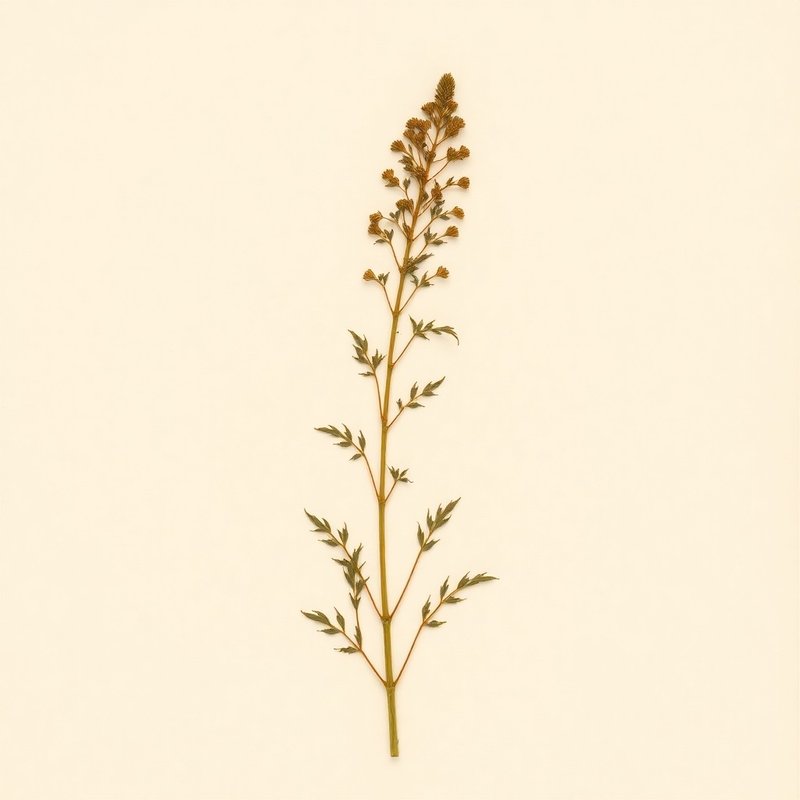
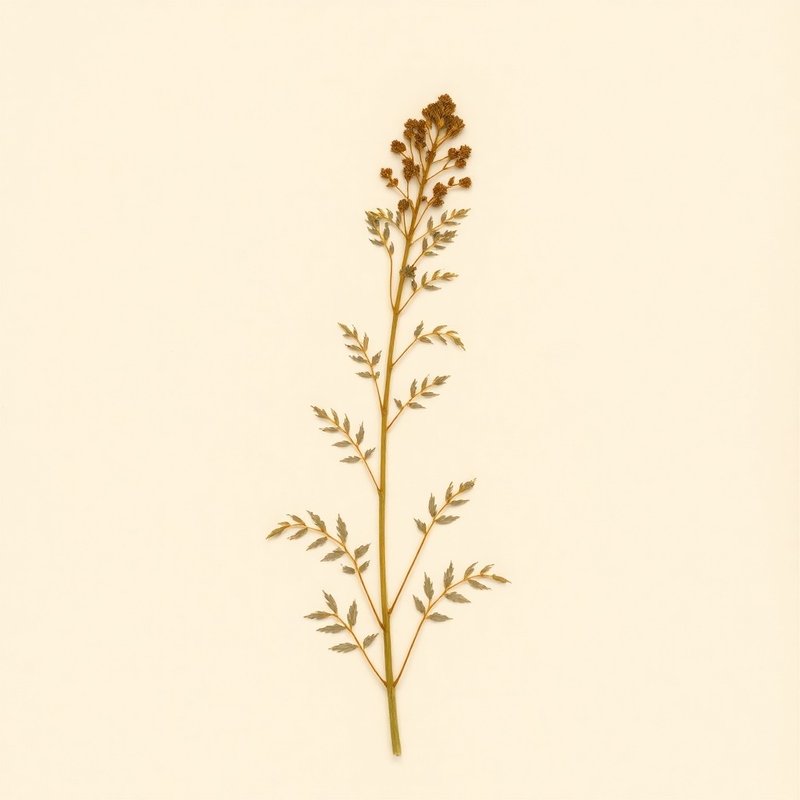
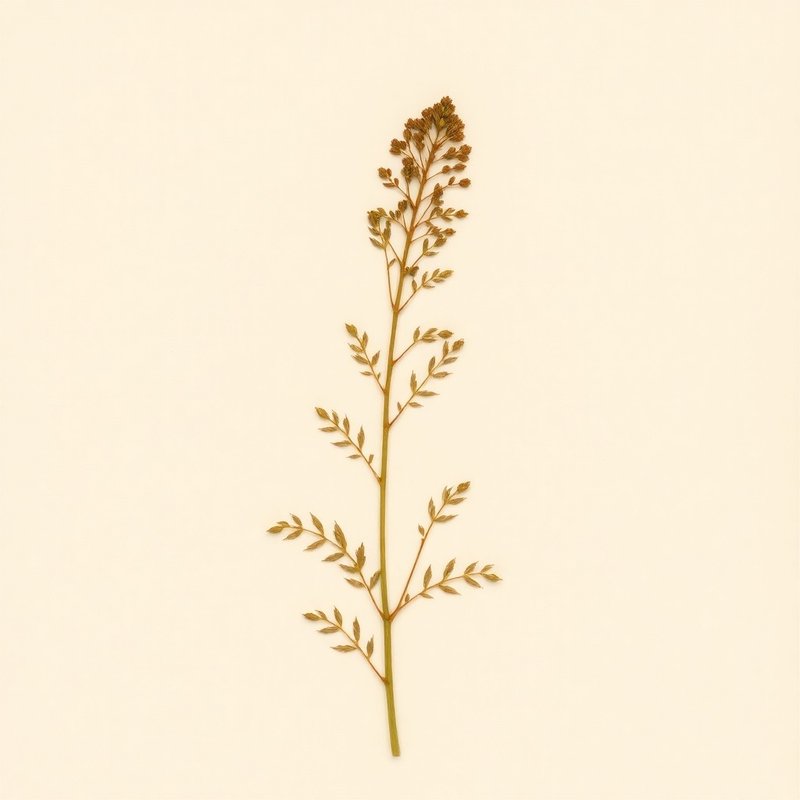
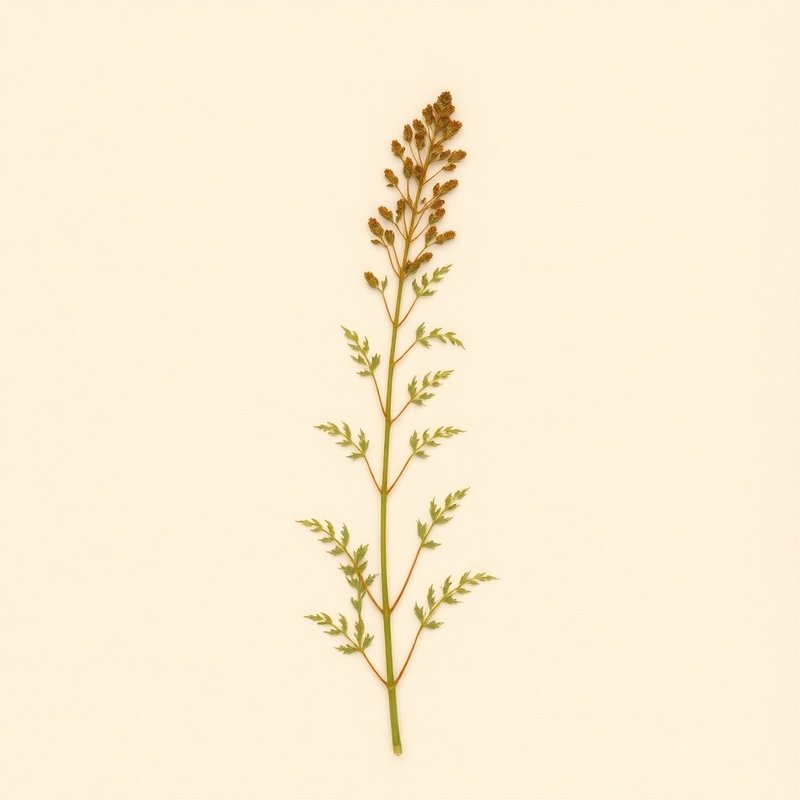
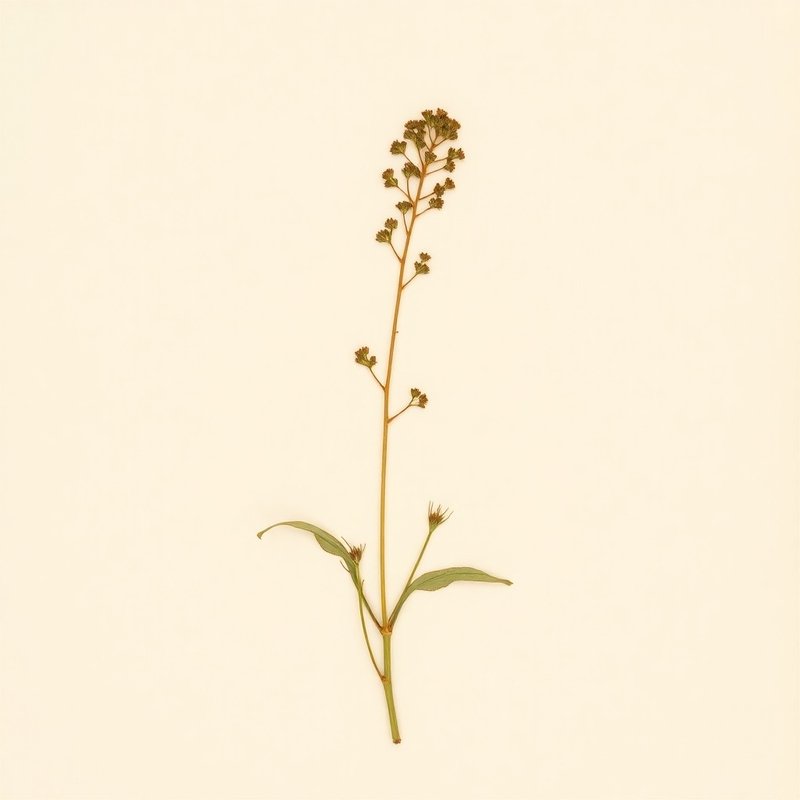
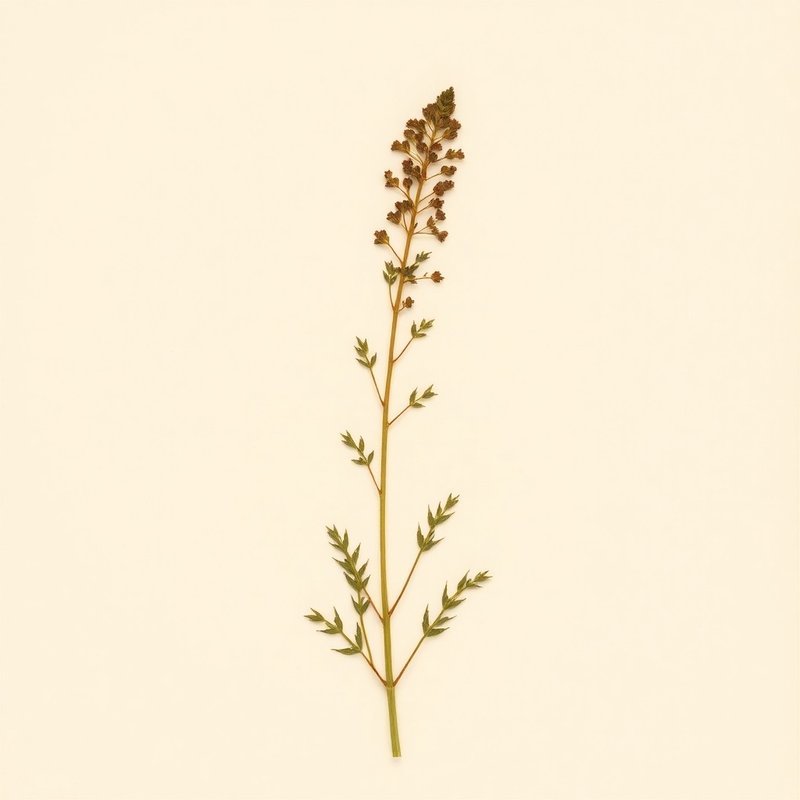
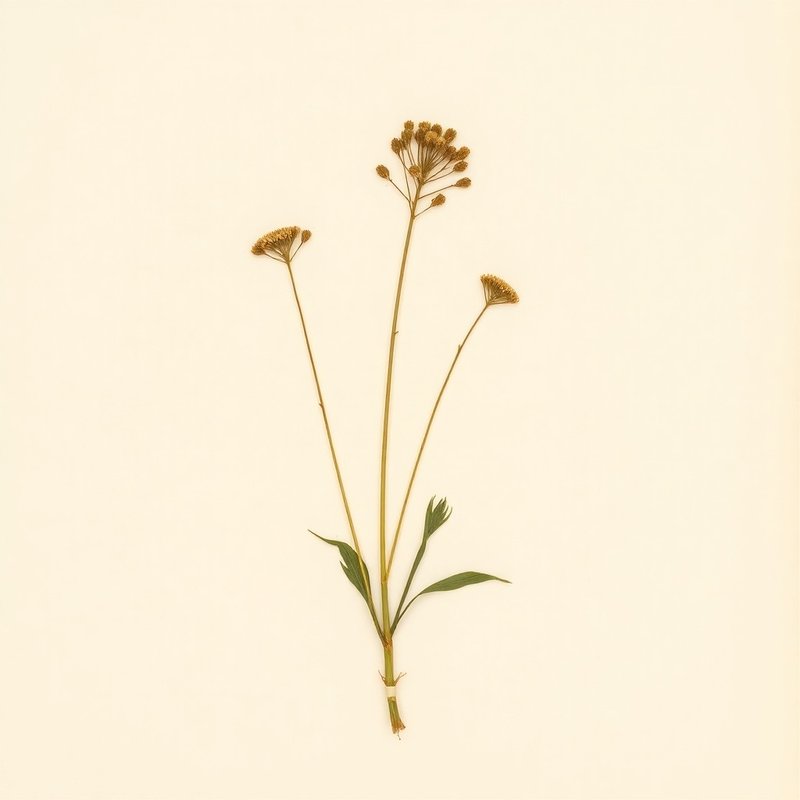
8 relatedPlants you might compare or use together — scored by shared family (Amaranthaceae), common use cases, and growing requirements.
same family · Amaranthaceae
Botanical relatives — often share phytochemistry + growing needs.
XI
Explore further
Companion planting
Compare with similar plants
XII
About this entry
- Last updated
- Citation
- How to cite this entry · Submit a correction
Back to the cataloguePlant id · 47726a46-c0f2-43d0-ba6f-9537b3443fa8
Decision aid
Choosing between Amaranthus tenuifolius and something else?
Continue reading
❦❦❦❦
Endpaper · archive updates
Get archive updates
Occasional email when substantial new content lands — plant profiles, seasonal growing notes, folk-remedy additions. Free, no tracking, unsubscribe anytime.
Newsletter returning soon.
We are rebuilding the update list around a lightweight editorial workflow. New dispatches will resume after the next content review cycle.