
Pigweed
Amaranthus retroflexusfam. Amaranthaceae
Educational content — not medical, botanical, or professional advice. Plant identification, safety, and edibility depend on local conditions, cultivars, and correct identification. Consult a qualified botanist or forager before consuming or handling wild specimens. How we source & review →
Garden journal pausedUse profile notes below
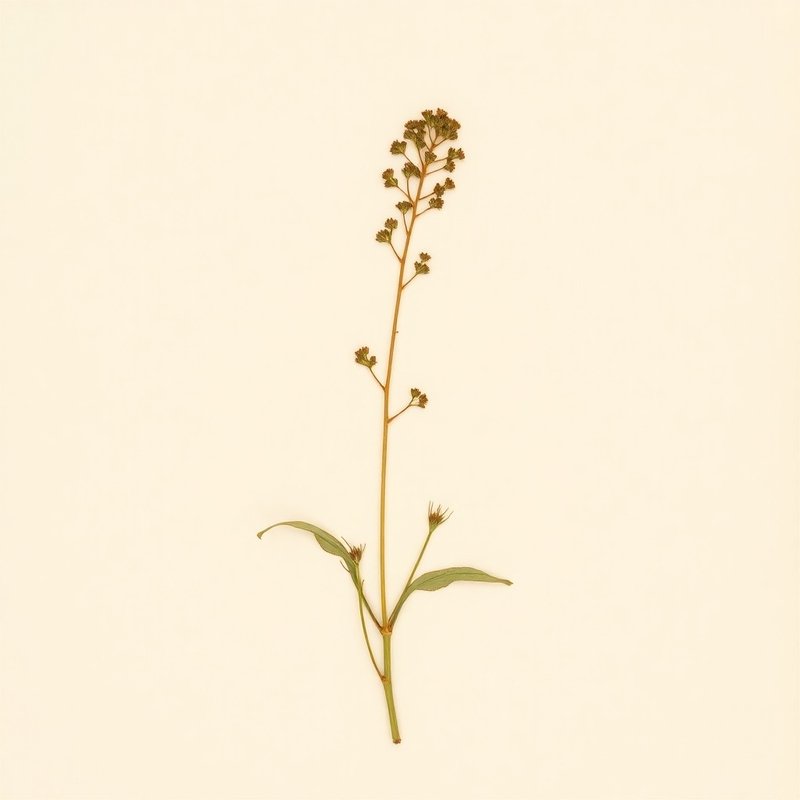
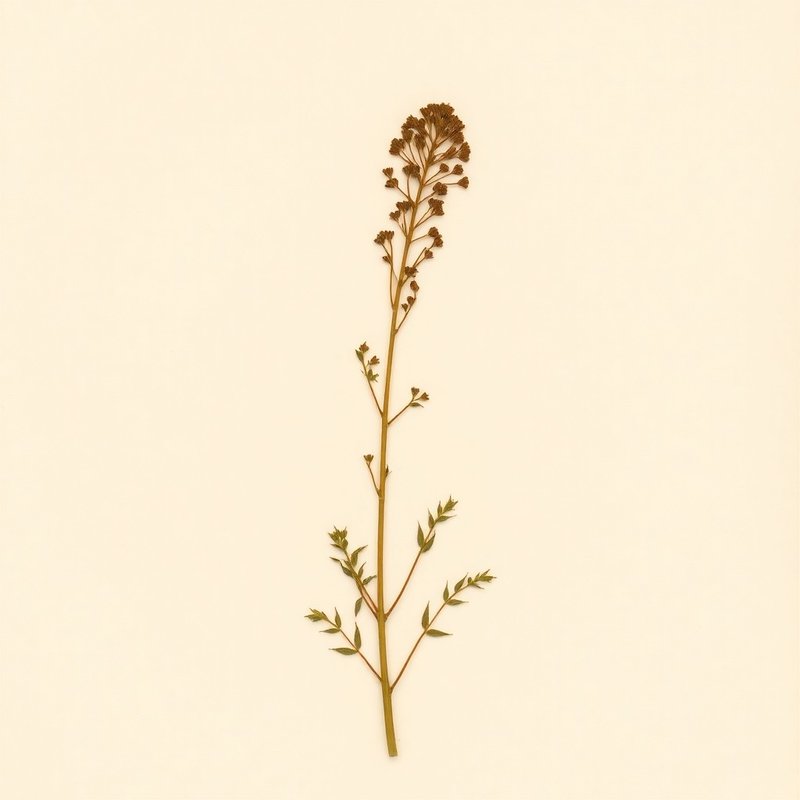
Pl. F6B3 — Amaranthus retroflexus
Amaranthus retroflexusAmaranthus retroflexusAmaranthus retroflexusAmaranthus retroflexusAmaranthus retroflexusAmaranthus retroflexusAmaranthus retroflexusAmaranthus retroflexusAmaranthus retroflexusAmaranthus retroflexusAmaranthus retroflexusAmaranthus retroflexusAmaranthus retroflexusAmaranthus retroflexus
IOverview
Overview
Pigweed (Amaranthus retroflexus) is an annual forb or herb native to central and southeastern Mexico. This plant thrives in full sun and prefers moist soil that can be light, medium, or heavy. It grows up to 0.9 meters tall and is hardy across USDA zones 3-11. Known for its edible leaves and seeds, pigweed has been cultivated for its nutritional value and versatility in cooking. The plant's adaptability to various soil types makes it a resilient choice for gardeners in diverse environments. Originally native to Mexico, pigweed has spread widely throughout the world, including regions such as Afghanistan, Albania, Alberta, Algeria, and many more. Its leaves and seeds are edible; the leaves can be eaten raw or cooked in various dishes, while the seeds are typically harvested and dried before being used whole or ground into flour for baking. Pigweed's ability to grow in a variety of soil types and its widespread introduction make it a dynamic accumulator, contributing to soil health. However, due to its prolific growth, pigweed can also be considered a weed in some contexts. Its presence is noted across numerous regions, from North America to Europe, Asia, and beyond, highlighting its adaptability and resilience.
Quick answers
What is Pigweed?
Pigweed (Amaranthus retroflexus) is an annual forb or herb native to central and southeastern Mexico. This plant thrives in full sun and prefers moist soil that can be light, medium, or heavy. It grows up to 0.9 meters tall and is hardy across USDA zones 3-11.
Growingconditions · propagation · uses
VCultivation
Cultivation
Pigweed thrives in full sun and requires moist soil that can be light (sandy), medium, or heavy (clay). It is hardy in zones 3-11 and grows as an annual, reaching a height of about 0.9 meters. For best results, sow seeds directly into the garden bed where they will grow, ensuring consistent moisture. Skip any fertilizers unless soil quality is poor; otherwise, Pigweed can tolerate various conditions.
Light
Full sun
Water
Moist
Soil
Light (sandy), Medium, Heavy (clay)
Hardiness
3-11
Life cycle
Annual
Habit
Forb/herb
Mature size
0.9 m tall
For first-time growers
How to grow Pigweed for the first time
8steps
Start with easy-to-grow Pigweed for a simple gardening experience.
- 1
What you'll need
Seeds, small pots or direct garden space, water can.
- 2
Best time to plant
Plant in spring after the last frost, when temperatures are warm.
- 3
Soil and container prep
Use well-draining soil with a mix of light (sandy), medium, or heavy clay types. Ensure containers have drainage holes.
- 4
Sowing or transplanting
Direct sow seeds 0.5-1 cm deep in the garden or start them indoors and transplant when they have two true leaves.
- 5
First two weeks
Keep soil moist, water regularly but avoid overwatering. Place in full sun for best growth.
- 6
Ongoing care
Water consistently to maintain moisture levels. Mulch around plants to retain soil moisture and suppress weeds.
- 7
Harvest or pruning
Prune by cutting back stems to encourage bushy growth and prevent the plant from going to seed.
- 8
Common mistakes
Overwatering, planting too deep, neglecting to mulch, not providing enough sunlight, allowing the plant to go to seed prematurely.
VIEdible & utility
Edible & utility
Edible parts:LeavesSeed
Edible uses: Pigweed leaves and seeds are edible. The leaves can be eaten raw or cooked in various dishes. Seeds are typically harvested and dried before being used whole or ground into flour for baking.
Other uses:DyeAnimal feedDynamic accumulator
Contextrange · companions · related
VIIDistribution
5 native · 170 introduced
Distribution
5 native · 170 introducedDistribution across4 continents· 5 native· 170 introduced
Europe25 regions
introduced (25)AlbaniaAustriaBelarusBelgiumBulgariaCyprusDenmarkFinlandFranceGermanyGreeceHungaryIrelandItalyNetherlandsNorwayPolandPortugalRomaniaRussiaSpainSwedenSwitzerlandUkraineUnited Kingdom
Asia16 regions
introduced (16)AfghanistanCambodiaChinaGeorgiaIranIraqJapanKazakhstanMongoliaPakistanPalestineSouth KoreaTurkeyTurkmenistanUzbekistanVietnam
Americas4 regions
introduced (4)BoliviaParaguayUruguayVenezuela
Africa10 regions
introduced (10)AlgeriaBurkina FasoChadEgyptLibyaMauritaniaMoroccoTunisiaZambiaZimbabwe
Broader regions
native:Mexico Central, Mexico Gulf, Mexico Northeast, Mexico Southeast, Mexico Southwest
introduced:Alabama, Alberta, Altay, Amur, Argentina Northeast, Argentina South, Arizona, Arkansas, Baltic States, Brazil Northeast, Brazil South, Brazil Southeast, Brazil West-Central, British Columbia, California, Chile Central, Chile North, Colorado, Connecticut, Czechoslovakia, Delaware, District of Columbia, East Aegean Is., Florida, Gulf States, Idaho, Illinois, Indiana, Irkutsk, Kansas, Kentucky, Khabarovsk, Kirgizstan, Krasnoyarsk, KwaZulu-Natal, Lebanon-Syria, Louisiana, Maine, Manitoba, Maryland, Masachusettes, Massachusetts, Mexico Northwest, Michigan, Minnesota, Mississippi, Missouri, Montana, Nansei-shoto, Nebraska, Nevada, New Brunswick, New Hampshire, New Jersey, New Mexico, New South Wales, New York, New Zealand North, New Zealand South, Newfoundland, North Carolina, North Dakota, Northwest Territorie, Nova Scotia, Nunavut, Ohio, Oklahoma, Ontario, Oregon, Pennsylvania, Primorye, Prince Edward I., Québec, Rhode I., Saskatchewan, Sinai, South Australia, South Carolina, South Dakota, Tadzhikistan, Tennessee, Texas, Transcaucasus, Trinidad-Tobago, Turkey-in-Europe, Tuva, Utah, Vermont, Victoria, Virginia, Washington, West Himalaya, West Virginia, Western Australia, Wisconsin, Wyoming, Yakutskiya, Yugoslavia
VIIIGarden companions
13 pairs
Garden companions
13 pairsPlant near these
These plants help — by repelling pests, fixing nitrogen, attracting pollinators, or sharing space well.
Radish
Raphanus sativus
Trap crop
Lower-confidence guild pairing: trap crops can draw aphids or flea beetles away from the main crop when monitored and removed if overloaded.
White Clover
Trifolium repens
Living mulch
Lower-confidence guild pairing: low ground covers protect soil, reduce bare patches, and can be cut back if they compete.
Anise Hyssop
Agastache foeniculum
Pollinator-friendly
Lower-confidence guild pairing: insectary flowers support pollinators, hoverflies, and parasitic wasps around mixed vegetable beds.
Fagopyrum esculentum
Fagopyrum esculentum
Pollinator-friendly
Lower-confidence guild pairing: insectary flowers support pollinators, hoverflies, and parasitic wasps around mixed vegetable beds.
Hyssop
Hyssopus officinalis
Pest repellent
Lower-confidence guild pairing: aromatic foliage can confuse pests in dense polyculture beds when spacing and airflow are maintained.
Borage
Borago officinalis
Pollinator-friendly
Lower-confidence guild pairing: insectary flowers support pollinators, hoverflies, and parasitic wasps around mixed vegetable beds.
Pot marigold
Calendula officinalis
Pollinator-friendly
Lower-confidence guild pairing: insectary flowers support pollinators, hoverflies, and parasitic wasps around mixed vegetable beds.
Garlic
Allium sativum
Pest repellent
Lower-confidence guild pairing: aromatic foliage can confuse pests in dense polyculture beds when spacing and airflow are maintained.
Chives
Allium schoenoprasum
Pest repellent
Lower-confidence guild pairing: aromatic foliage can confuse pests in dense polyculture beds when spacing and airflow are maintained.
Yarrow
Achillea millefolium
Pollinator-friendly
Lower-confidence guild pairing: insectary flowers support pollinators, hoverflies, and parasitic wasps around mixed vegetable beds.
Artemisia dracunculus
Artemisia dracunculus
Pest repellent
Lower-confidence guild pairing: aromatic foliage can confuse pests in dense polyculture beds when spacing and airflow are maintained.
Nasturtium
Tropaeolum majus
Trap crop
Lower-confidence guild pairing: trap crops can draw aphids or flea beetles away from the main crop when monitored and removed if overloaded.
Keep away from these
Avoid planting nearby — competition, allelopathy, or shared pests/diseases.
IXSpecimen gallery
1 image
Specimen gallery
1 imageXSee also
8 related
See also
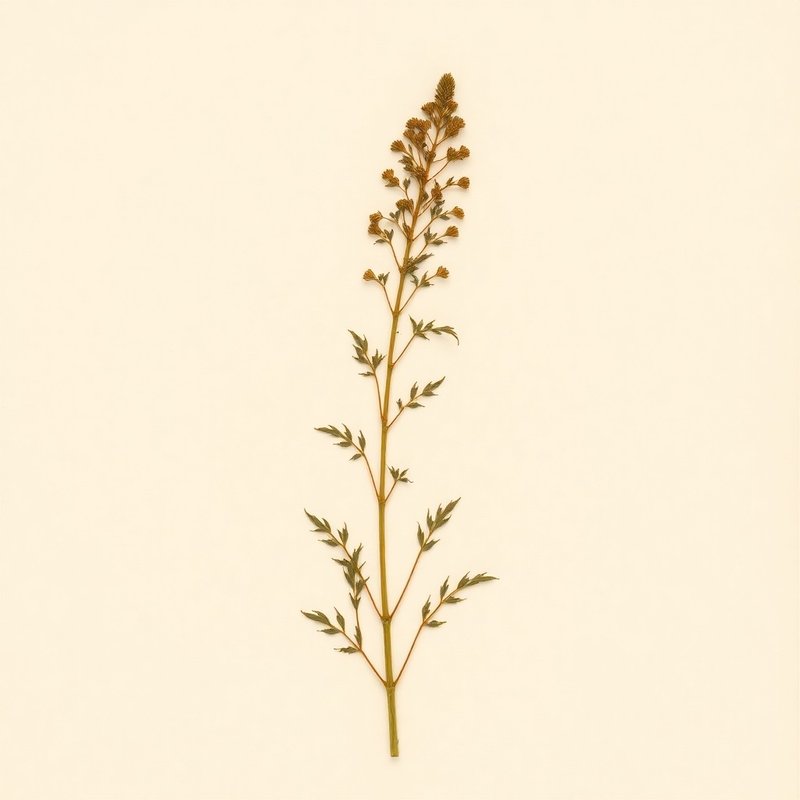
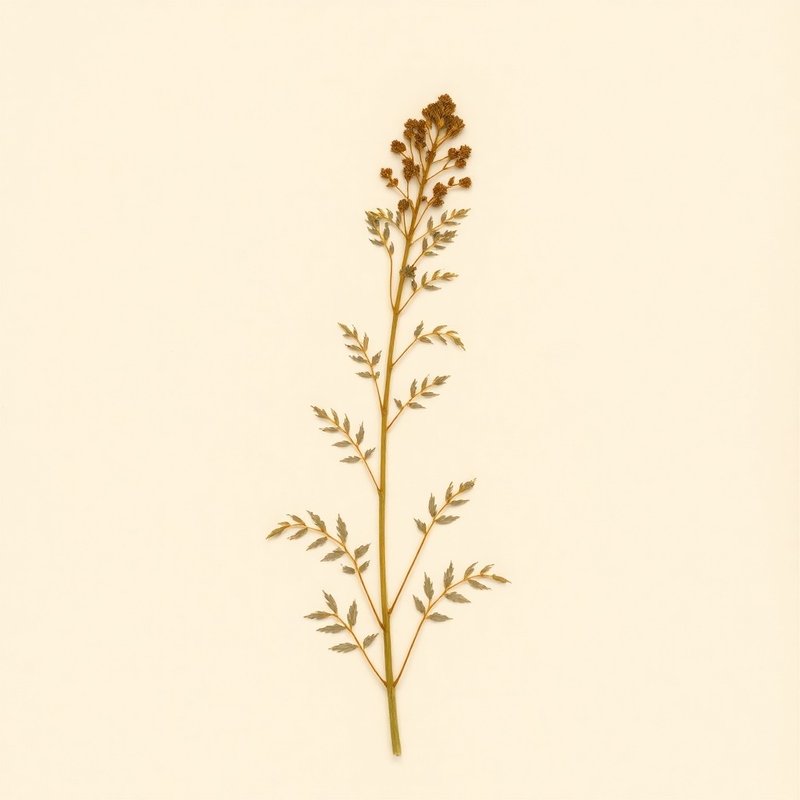
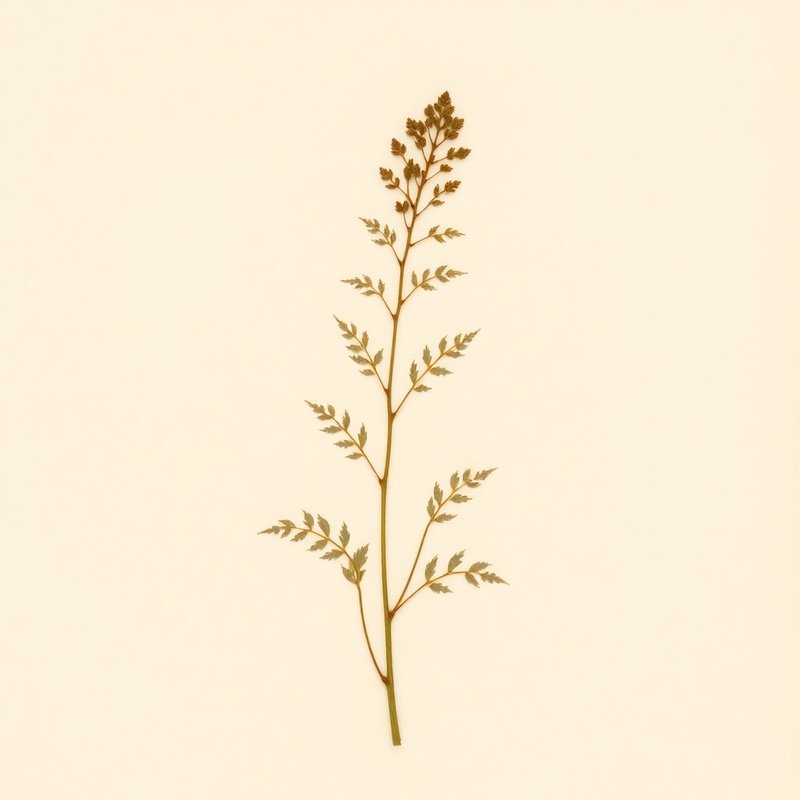
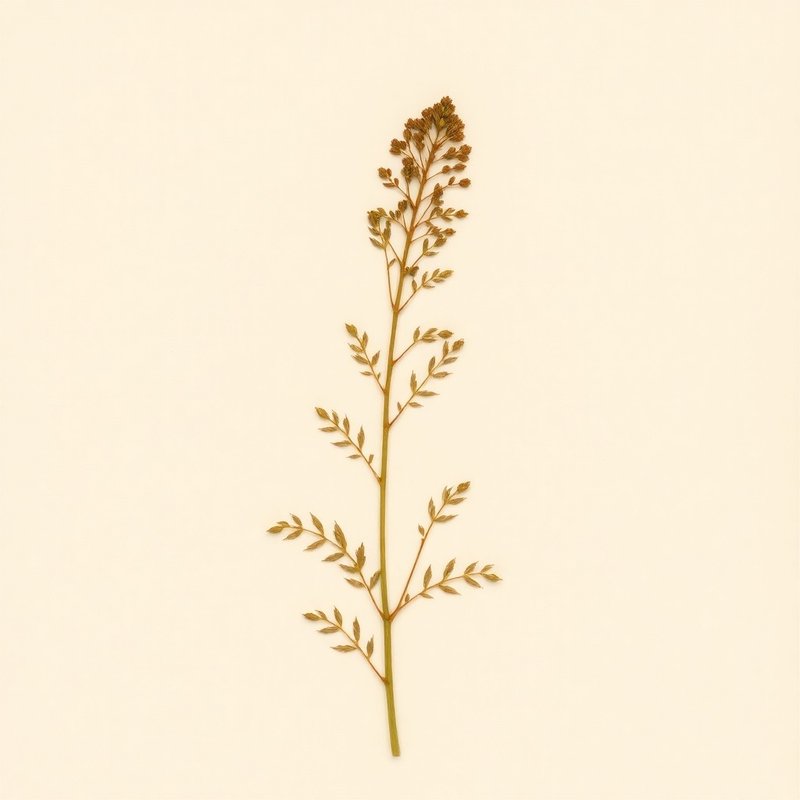
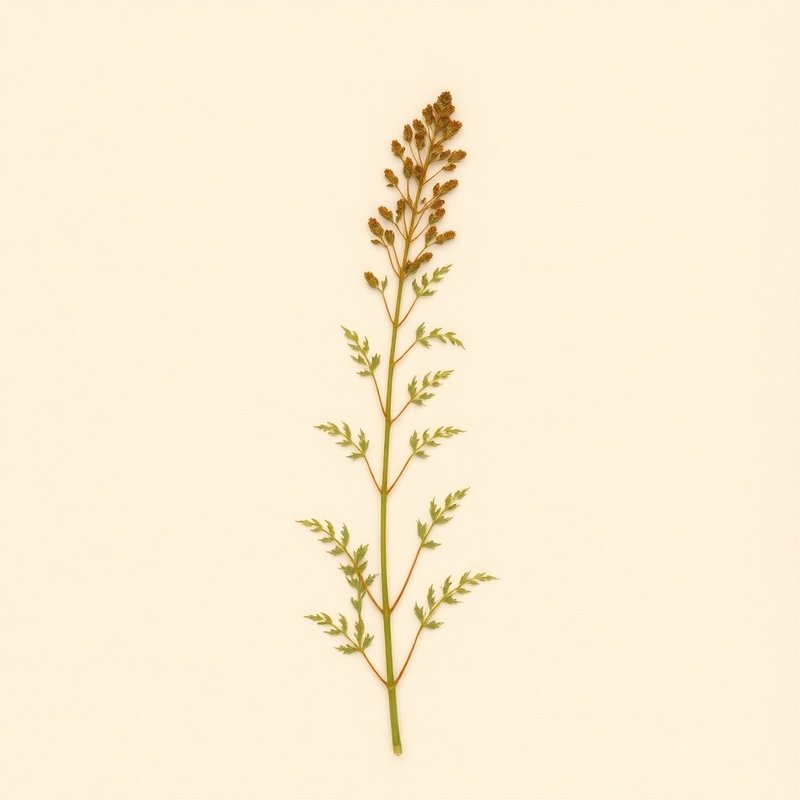
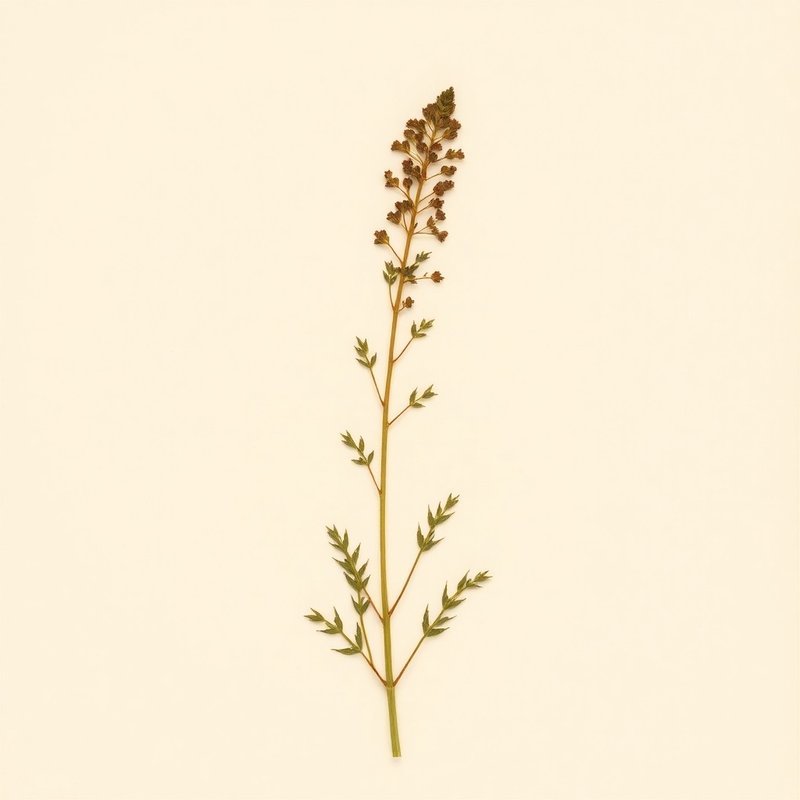
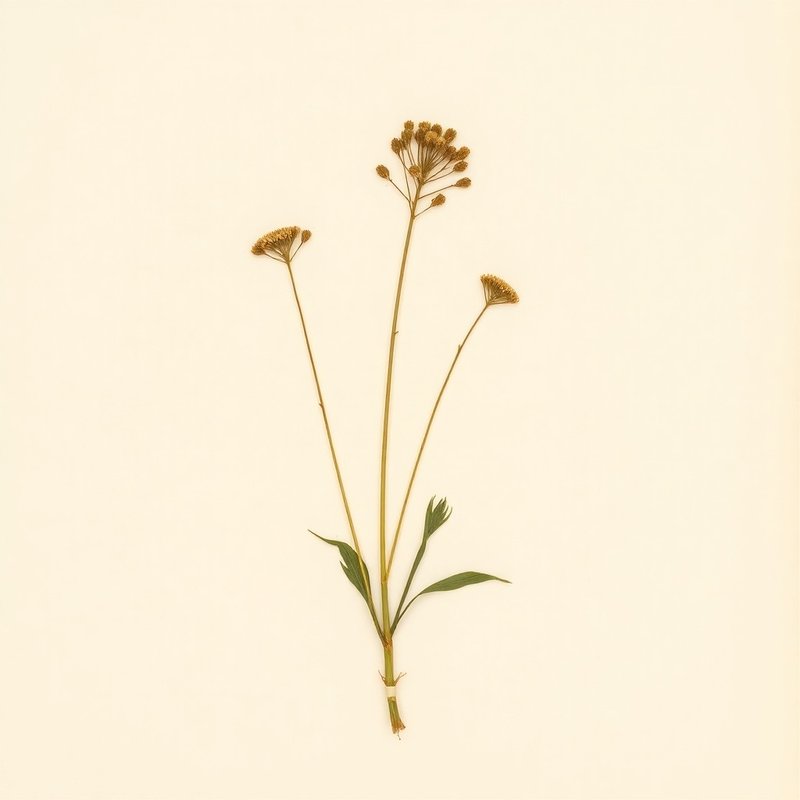
8 relatedPlants you might compare or use together — scored by shared family (Amaranthaceae), common use cases, and growing requirements.
same family · Amaranthaceae
Botanical relatives — often share phytochemistry + growing needs.
XI
Explore further
Companion planting
Compare with similar plants
Growing zone
XII
About this entry
- Last updated
- Citation
- How to cite this entry · Submit a correction
Back to the cataloguePlant id · f6b3deb3-5cd7-4d5c-9349-252469112a94
Decision aid
Choosing between Pigweed and something else?
Continue reading
❦❦❦❦
Endpaper · archive updates
Get archive updates
Occasional email when substantial new content lands — plant profiles, seasonal growing notes, folk-remedy additions. Free, no tracking, unsubscribe anytime.
Newsletter returning soon.
We are rebuilding the update list around a lightweight editorial workflow. New dispatches will resume after the next content review cycle.