
Marang
IOverview
Overview
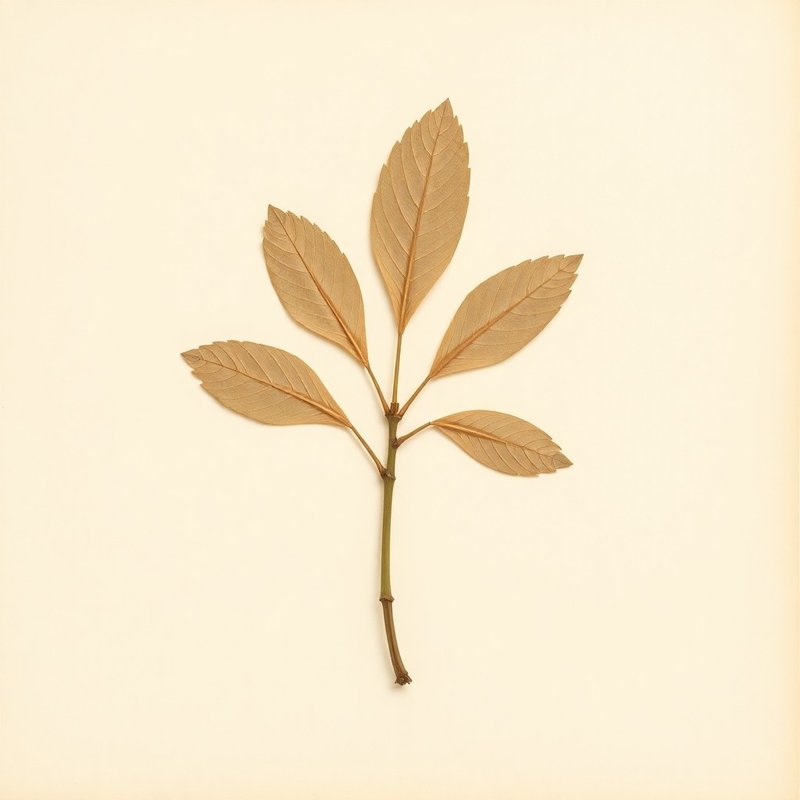
Marang, scientifically known as Artocarpus odoratissimus and belonging to the Moraceae family, is a tall tree native to Borneo. This fruit-bearing tree thrives in full sun and moist conditions, adapting well to various soil types including light (sandy), medium, and heavy (clay). Marang can grow up to 25 meters tall and is known for its edible fruit and seed. The fruit, which can be eaten raw or cooked, is typically prepared by slicing and enjoying fresh or incorporating into stews and curries. The seeds are also usable but require processing before consumption. Marang is valued for its ornamental qualities, making it a popular choice in gardens. Its distinctive feature lies in the aromatic quality of both the tree and its fruit, setting it apart from other Moraceae members. While not medicinal, Marang is appreciated for its edible and ornamental value, particularly in Borneo and introduced regions such as the Philippines.
What is Marang?
Marang, scientifically known as Artocarpus odoratissimus and belonging to the Moraceae family, is a tall tree native to Borneo. This fruit-bearing tree thrives in full sun and moist conditions, adapting well to various soil types including light (sandy), medium, and heavy (clay).
VCultivation
Cultivation
How to grow Marang for the first time
Start with a simple, full-sun spot and basic care for your Marang.
- 1
What you'll need
A young Marang plant or seedling.
- 2
Best time to plant
Plant in spring when the weather is warm.
- 3
Soil and container prep
Use well-draining soil, suitable for a mix of light, medium, and heavy soils.
- 4
Sowing or transplanting
Transplant young plants into a larger pot if needed, ensuring they have enough space to grow.
- 5
First two weeks
Water regularly to keep the soil moist but not waterlogged. Place in a sunny spot.
- 6
Ongoing care
Provide full sun and regular watering. Fertilize with compost every few months.
- 7
Harvest or pruning
Prune young plants to encourage branching and remove any dead or damaged branches.
- 8
Common mistakes
Overwatering, planting in heavy shade, neglecting regular pruning.
VIEdible & utility
Edible & utility
VIIDistribution
1 native · 1 introduced
Distribution
1 native · 1 introducedIXSpecimen gallery
1 image
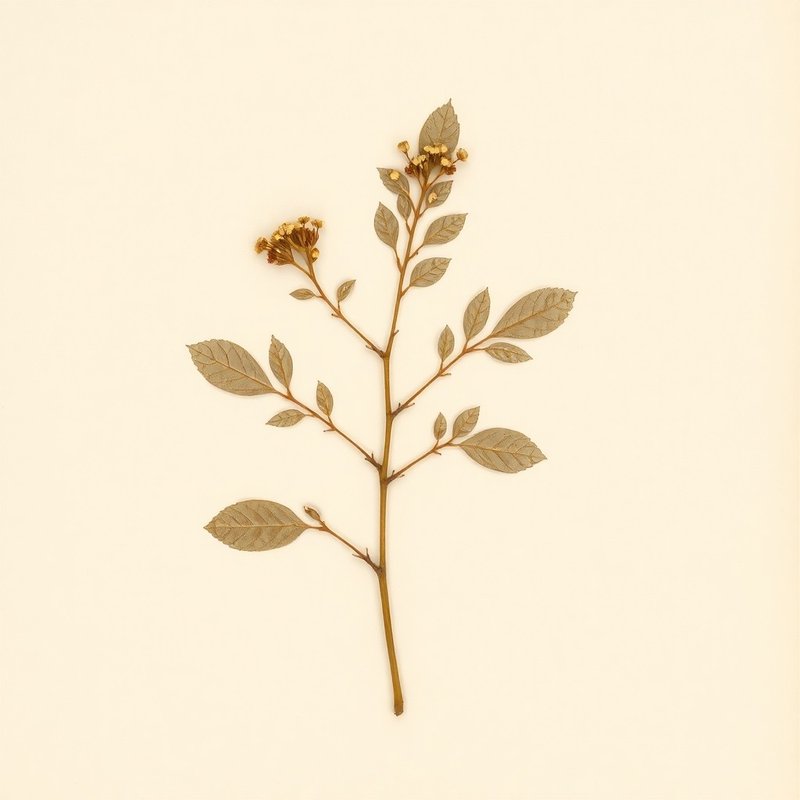
Specimen gallery
1 imageXSee also
8 related
See also
8 relatedPlants you might compare or use together — scored by shared family (Moraceae), common use cases, and growing requirements.
Explore further
About this entry
- Last updated
- Citation
- How to cite this entry · Submit a correction
Continue reading
Get archive updates
Occasional email when substantial new content lands — plant profiles, seasonal growing notes, folk-remedy additions. Free, no tracking, unsubscribe anytime.