
Cow Tree
IOverview
Overview
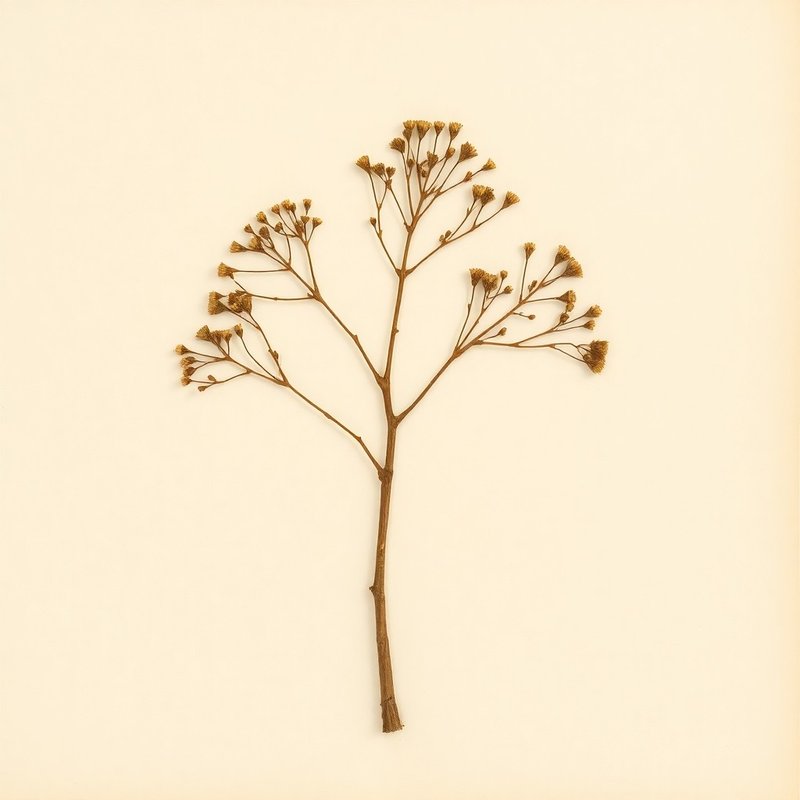
The Cow Tree, scientifically known as Brosimum utile, is a large tree native to the tropical regions of Guyana, Suriname, Bolivia, Brazil, and Colombia. It thrives in full sun and prefers moist, well-drained soils that can be light (sandy), medium, or heavy (clay). This tree, which can grow up to 25 meters tall, is notable for its edible fruit, sap, seeds, and milk, making it a valuable resource in local ecosystems and communities. The Cow Tree is native to the Guyana and Suriname regions and has been introduced to other areas such as Bolivia, Brazil North, Brazil Northeast, Brazil West-Central, Colombia, Costa Rica, Ecuador, French Guiana, Honduras, Panamá, Peru, and Venezuela. Its adaptability and utility have earned it recognition as an important plant in these regions. While primarily used for its edible parts, the Cow Tree also has potential for fiber, lumber, textiles, and lighting, making it a versatile resource in cultivation.
What is Cow Tree?
The Cow Tree, scientifically known as Brosimum utile, is a large tree native to the tropical regions of Guyana, Suriname, Bolivia, Brazil, and Colombia. It thrives in full sun and prefers moist, well-drained soils that can be light (sandy), medium, or heavy (clay).
VCultivation
Cultivation
How to grow Cow Tree for the first time
Start with a simple and easy-to-grow Cow Tree for your beginner garden.
- 1
What you'll need
Cow Tree seeds or saplings, potting soil, containers if planting in pots.
- 2
Best time to plant
Plant during the rainy season when moisture is abundant.
- 3
Soil and container prep
Use well-draining soil with a mix of light (sandy), medium, or heavy clay soils. Ensure containers are large enough for the tree's growth.
- 4
Sowing or transplanting
Direct sow seeds in warm weather or start them indoors and transplant when they have several leaves.
- 5
First two weeks
Keep soil consistently moist but not waterlogged. Place in a sunny spot to encourage growth.
- 6
Ongoing care
Provide full sun, regular watering, and occasional pruning for shape. Monitor for pests like mealybugs.
- 7
Harvest or pruning
Prune young trees to establish a strong structure; harvest fruit when ripe but avoid over-harvesting saplings.
- 8
Common mistakes
Overwatering, planting in too small of a container, neglecting sun exposure, and not providing enough support for the tree as it grows.
VIEdible & utility
Edible & utility
VIIDistribution
14 native · 13 introduced
Distribution
14 native · 13 introducedIXSpecimen gallery
1 image
Specimen gallery
1 imageXSee also
8 related
See also
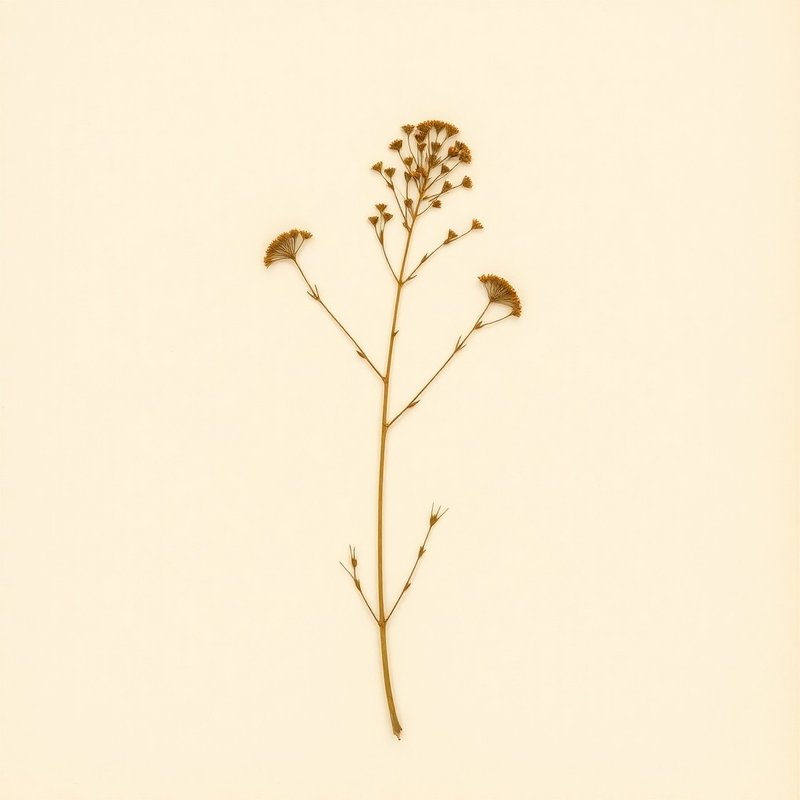
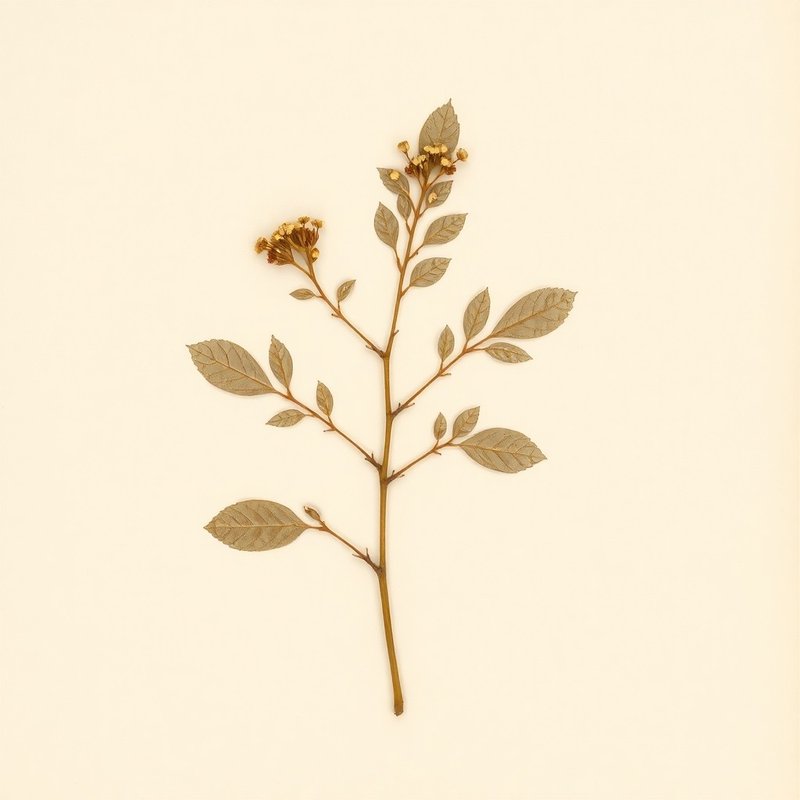
8 relatedPlants you might compare or use together — scored by shared family (Moraceae), common use cases, and growing requirements.



Explore further
About this entry
- Last updated
- Citation
- How to cite this entry · Submit a correction
Continue reading
Get archive updates
Occasional email when substantial new content lands — plant profiles, seasonal growing notes, folk-remedy additions. Free, no tracking, unsubscribe anytime.