
Neem
IOverview
Overview
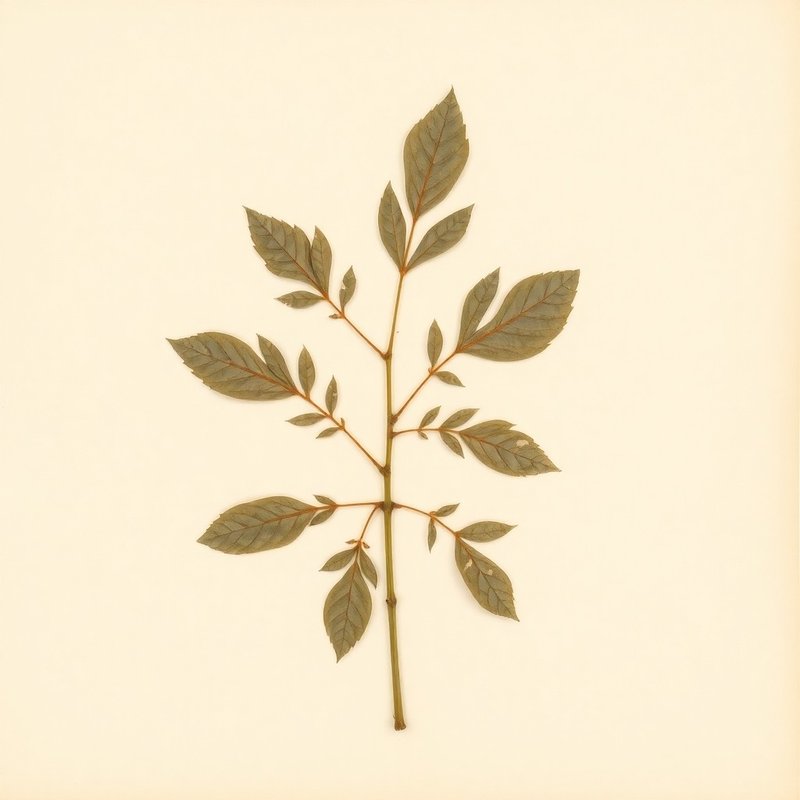
Neem, Azadirachta indica, is a tall tree native to the tropical regions of Assam, Bangladesh, Cambodia, Laos, Myanmar, Thailand, and Vietnam. It belongs to the Meliaceae family and is known for its versatility, thriving in full sun or partial shade and adapting to various soil types, from medium to heavy clay. Neem prefers dry to moist conditions and can grow up to 15 meters tall. This tree is valued for its ornamental appeal and for its edible fruits, which can be used in various culinary applications. Neem has been widely used in traditional medicine due to its numerous beneficial properties, though specific health claims are beyond the scope of this description. The tree is also known for its utility in various contexts, including biomass, fire starter, containers, fencing, cover crop, hedgerow, pest control, lighting, oil production, wind breaker, soap making, soil conditioner, erosion control, tannin extraction, and as a source of teeth and lumber. Neem can be propagated through seeds or cuttings and is hardy in zones 10-12, making it suitable for warm climates. While neem is adaptable, it can have weed potential, so careful management is recommended.
What is Neem?
Neem, Azadirachta indica, is a tall tree native to the tropical regions of Assam, Bangladesh, Cambodia, Laos, Myanmar, Thailand, and Vietnam. It belongs to the Meliaceae family and is known for its versatility, thriving in full sun or partial shade and adapting to various soil types, from medium to heavy clay.
IV·bMixology suggestions
1 draft
Mixology suggestions
1 draftVCultivation
Cultivation
How to grow Neem for the first time
Start with a simple neem tree to observe and care for, focusing on basic gardening skills.
- 1
What you'll need
A young neem sapling, a small pot or garden space, good quality soil.
- 2
Best time to plant
Plant in spring when the weather is warming up and there's no risk of frost.
- 3
Soil and container prep
Use well-draining soil. For containers, choose a pot at least 30 cm wide with drainage holes.
- 4
Sowing or transplanting
Transplant the sapling carefully, ensuring not to damage the roots.
- 5
First two weeks
Water regularly but avoid overwatering. Place in a sunny spot and keep an eye on any pests.
- 6
Ongoing care
Provide full sun or partial shade. Water when the soil feels dry to touch, especially during hot weather.
- 7
Harvest or pruning
Prune lightly to shape the tree and remove dead branches as needed. Neem fruits are edible but not commonly harvested.
- 8
Common mistakes
Overwatering, planting in heavy soil, neglecting sunlight, and using pesticides.
VIEdible & utility
Edible & utility
VIIDistribution
7 native · 46 introduced
Distribution
7 native · 46 introducedVIIIGarden companions
1 pair
Garden companions
1 pairThese plants help — by repelling pests, fixing nitrogen, attracting pollinators, or sharing space well.
IXSpecimen gallery
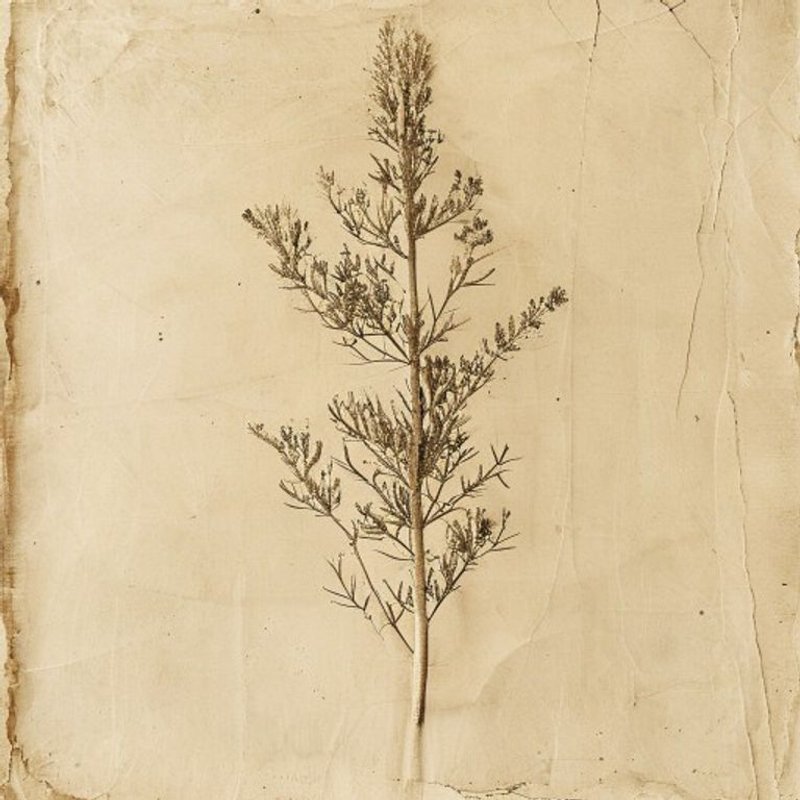
1 image
Specimen gallery
1 imageXSee also
8 related
See also
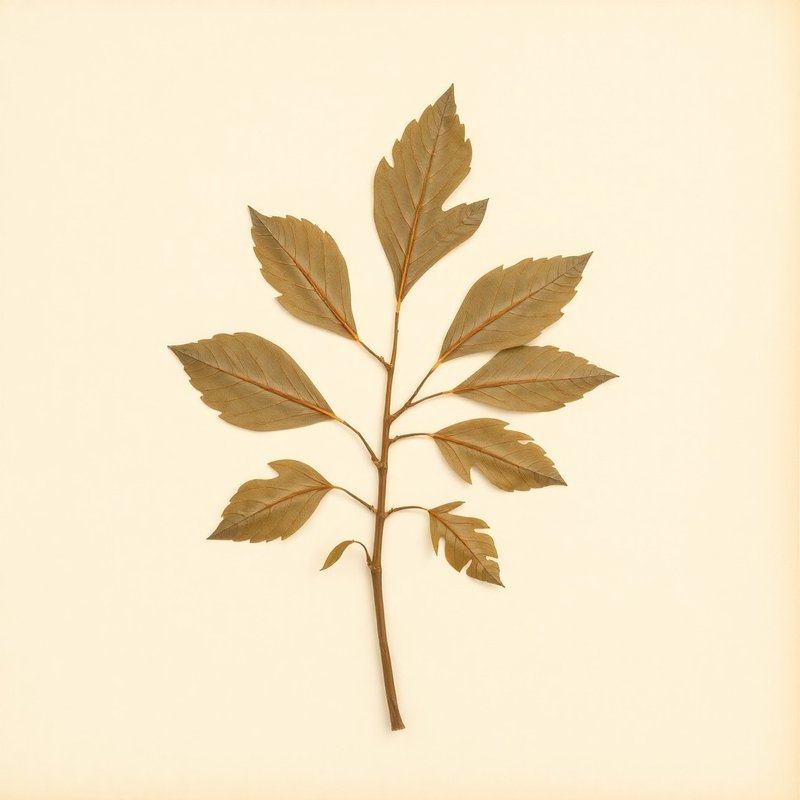
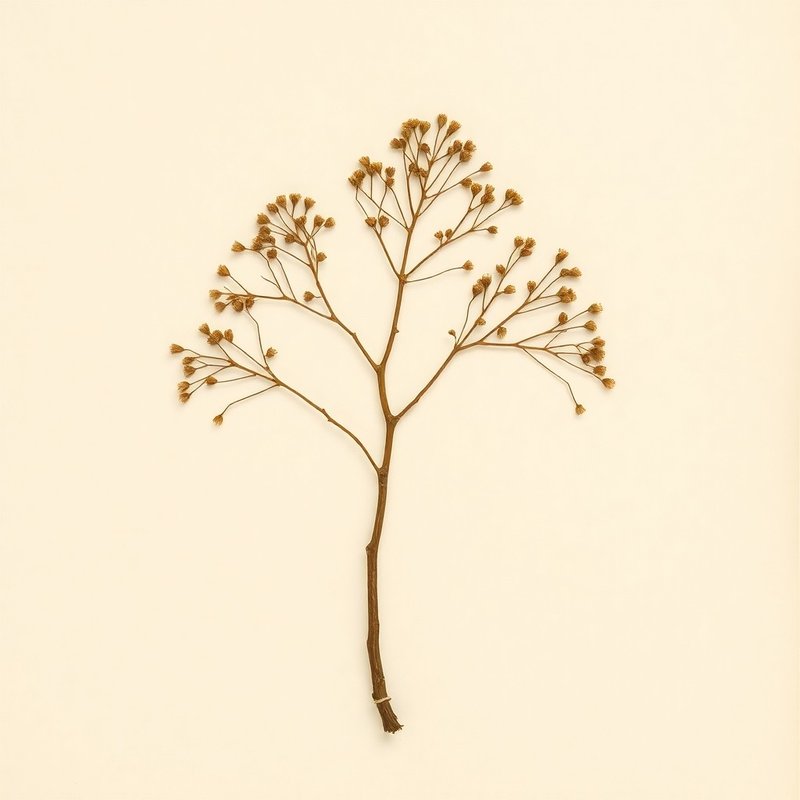
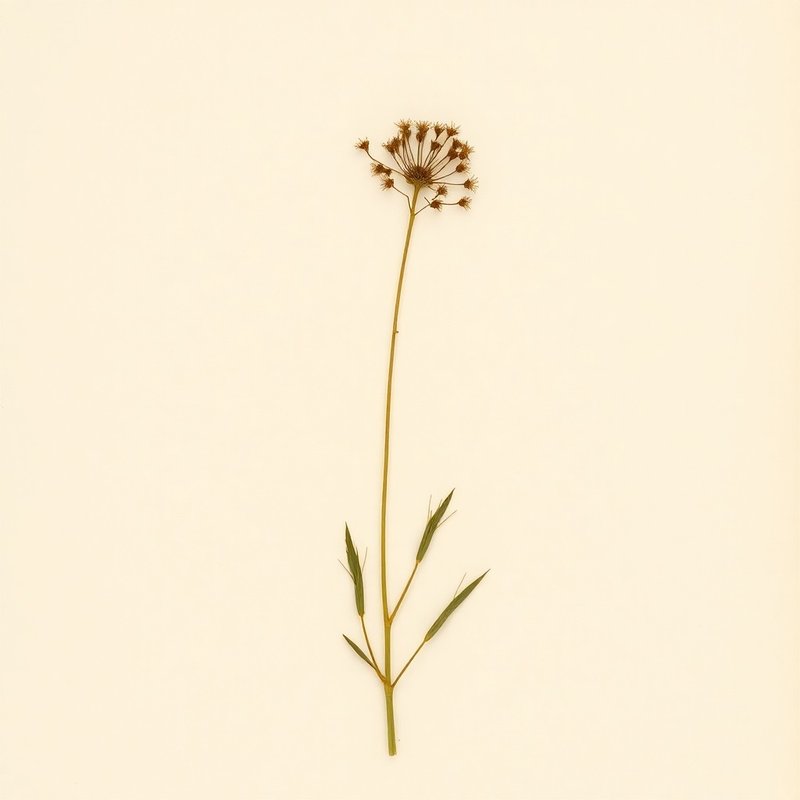
8 relatedPlants you might compare or use together — scored by shared family (Meliaceae), common use cases, and growing requirements.

Explore further
About this entry
- Last updated
- Citation
- How to cite this entry · Submit a correction
Continue reading
Get archive updates
Occasional email when substantial new content lands — plant profiles, seasonal growing notes, folk-remedy additions. Free, no tracking, unsubscribe anytime.