
Large-Flowered Star Tulip
Calochortus uniflorusfam. Liliaceae
Educational content — not medical, botanical, or professional advice. Plant identification, safety, and edibility depend on local conditions, cultivars, and correct identification. Consult a qualified botanist or forager before consuming or handling wild specimens. How we source & review →
Garden journal pausedUse profile notes below
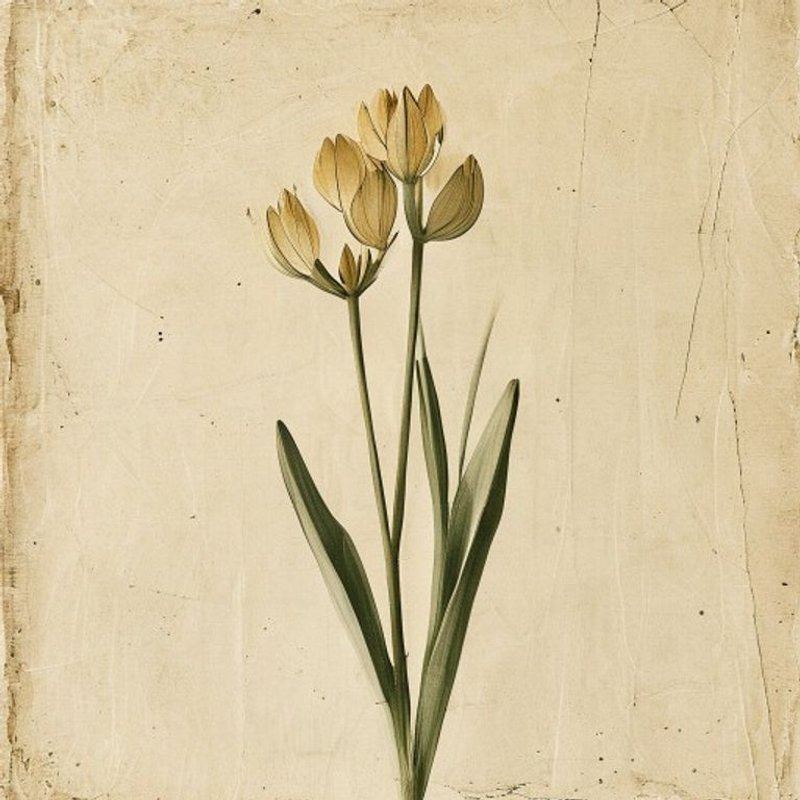
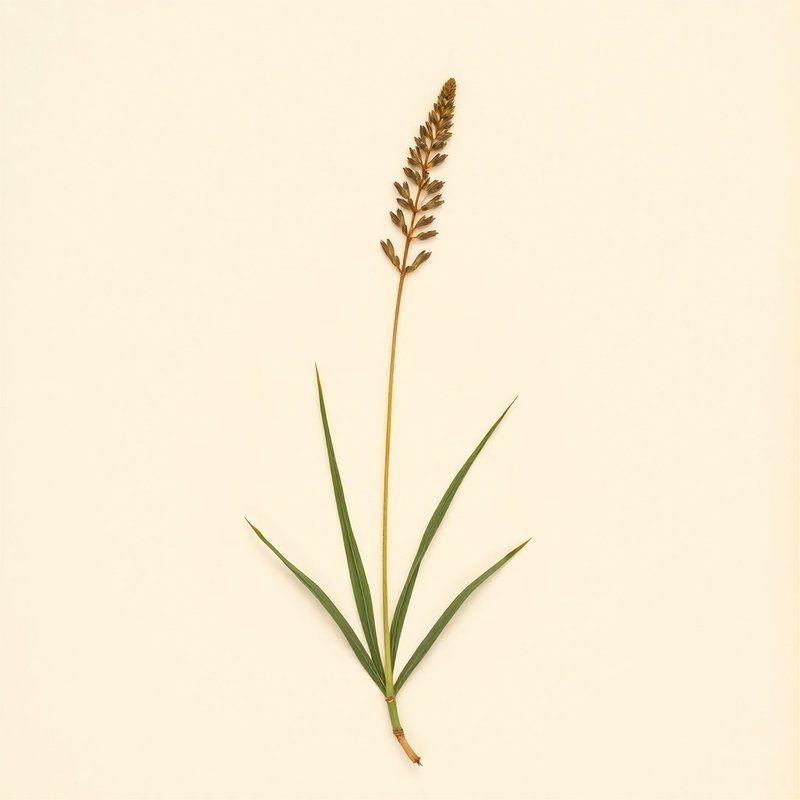
Pl. 0BB6 — Calochortus uniflorus
Calochortus uniflorusCalochortus uniflorusCalochortus uniflorusCalochortus uniflorusCalochortus uniflorusCalochortus uniflorusCalochortus uniflorusCalochortus uniflorusCalochortus uniflorusCalochortus uniflorusCalochortus uniflorusCalochortus uniflorusCalochortus uniflorusCalochortus uniflorus
IOverview
Overview
The Large-Flowered Star Tulip (Calochortus uniflorus) is a striking member of the Lily family, native to California and Oregon. This plant is known for its ornamental value, featuring distinctive white petals with purple or pink markings that resemble stars, hence its common name. It thrives in full sun and can tolerate both dry and moist conditions, making it adaptable to various soil types, including light (sandy) and medium textures. The plant is hardy in zones 3-7 and reaches a height of about 0.3 meters. The Large-Flowered Star Tulip's root is edible and can be eaten raw or cooked. Typically, the roots are dug up and prepared by boiling before consumption. This adds culinary value to its ornamental beauty, making it a versatile plant for both gardeners and foragers. While primarily known for its aesthetic appeal, the plant also has a practical use in the kitchen, offering a unique and flavorful addition to dishes. The Large-Flowered Star Tulip is well-suited for gardens in California and Oregon, where it can thrive in a variety of growing conditions. Gardeners should ensure the soil is well-drained and water the plant sparingly, allowing the soil to dry out between waterings. This plant's distinctive appearance and edible roots make it a valuable addition to any garden, enhancing both its visual appeal and culinary potential.
Quick answers
What is Large-Flowered Star Tulip?
The Large-Flowered Star Tulip (Calochortus uniflorus) is a striking member of the Lily family, native to California and Oregon. This plant is known for its ornamental value, featuring distinctive white petals with purple or pink markings that resemble stars, hence its common name.
Growingconditions · propagation · uses
VCultivation
Cultivation
The Large-Flowered Star Tulip thrives in full sun and prefers well-drained soil that is light (sandy) or medium. It is hardy in temperate regions with zones 3-7, making it suitable for gardens in California and Oregon. Water the plant sparingly, allowing the soil to dry out between waterings. The roots are edible, so gardeners can harvest them carefully without harming the plant.
Light
Full sun
Water
Dry, Moist
Soil
Light (sandy), Medium
Hardiness
3-7
Mature size
0.3 m tall
For first-time growers
How to grow Large-Flowered Star Tulip for the first time
8steps
Start with Large-Flowered Star Tulips to gain experience in growing bulbs.
- 1
What you'll need
Large-Flowered Star Tulip bulbs, a small trowel, and mulch.
- 2
Best time to plant
Plant the bulbs in fall, around September or October.
- 3
Soil and container prep
Choose a well-draining spot with light soil. Amend the soil with sand if needed.
- 4
Sowing or transplanting
Bury the bulbs about 3 times their height deep, spacing them 10-15 cm apart.
- 5
First two weeks
Water sparingly to settle the soil. Avoid overwatering.
- 6
Ongoing care
Keep the area dry during summer dormancy. Water lightly in spring if needed.
- 7
Harvest or pruning
No need for harvesting; simply allow the foliage to die back naturally after flowering.
- 8
Common mistakes
Planting too deep, overwatering, and neglecting summer dormancy are common pitfalls.
VIEdible & utility
Edible & utility
Edible parts:Root
Edible uses: The Large-Flowered Star Tulip's root is edible and can be eaten raw or cooked. Typically, the roots are dug up and prepared by boiling before consumption. Skip the detailed recipe; focus on these simple preparation methods.
Other uses:Fragrance
Contextrange · companions · related
VIIDistribution
2 native · 0 introduced
Distribution
2 native · 0 introducedDistribution across0 continents· 2 native
Broader regions
native:California, Oregon
IXSpecimen gallery
1 image
Specimen gallery
1 imageXSee also
8 related
See also
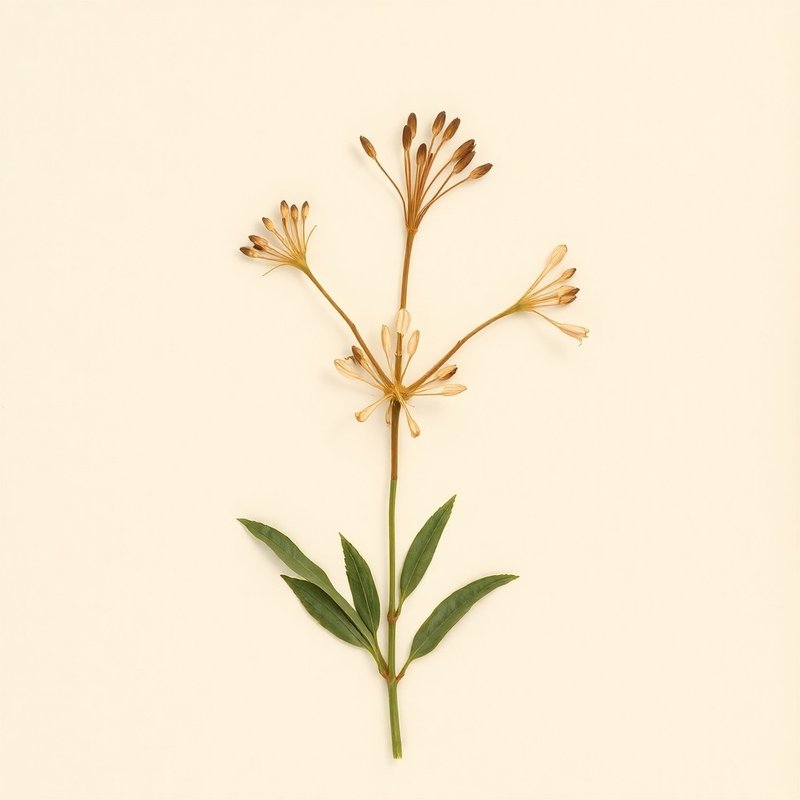
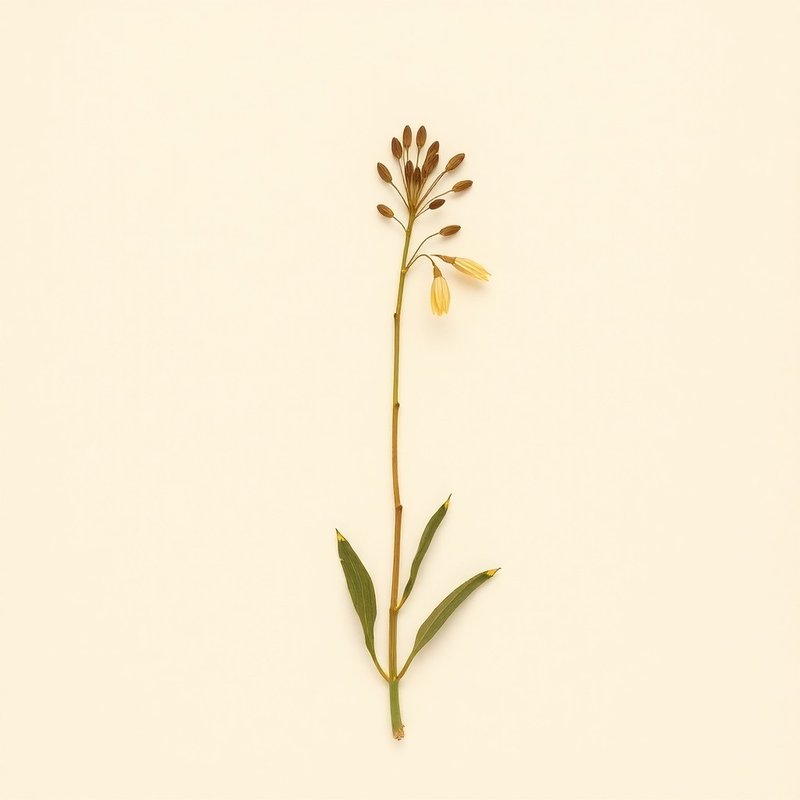
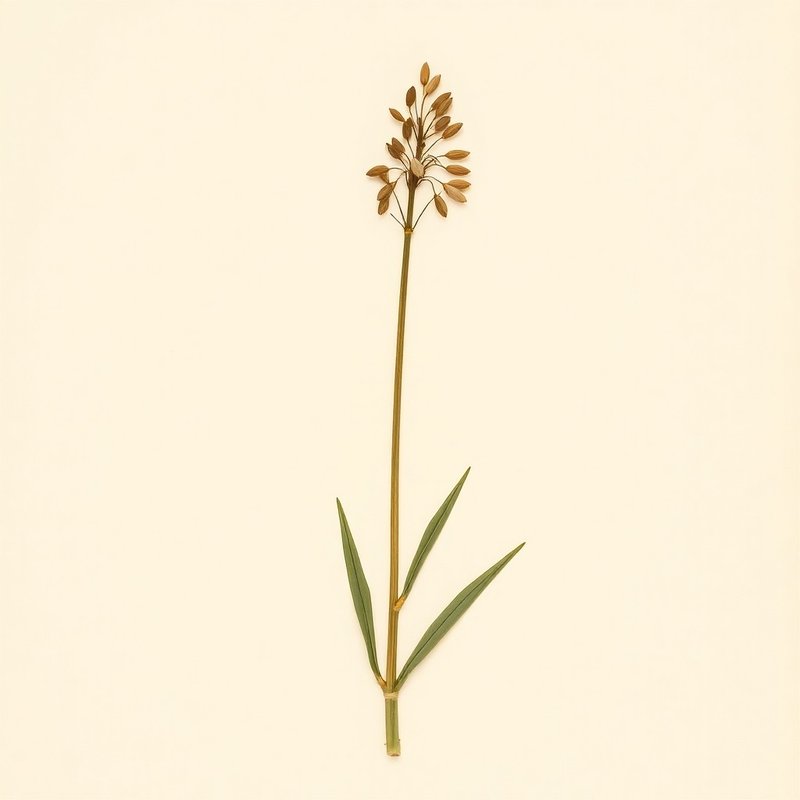
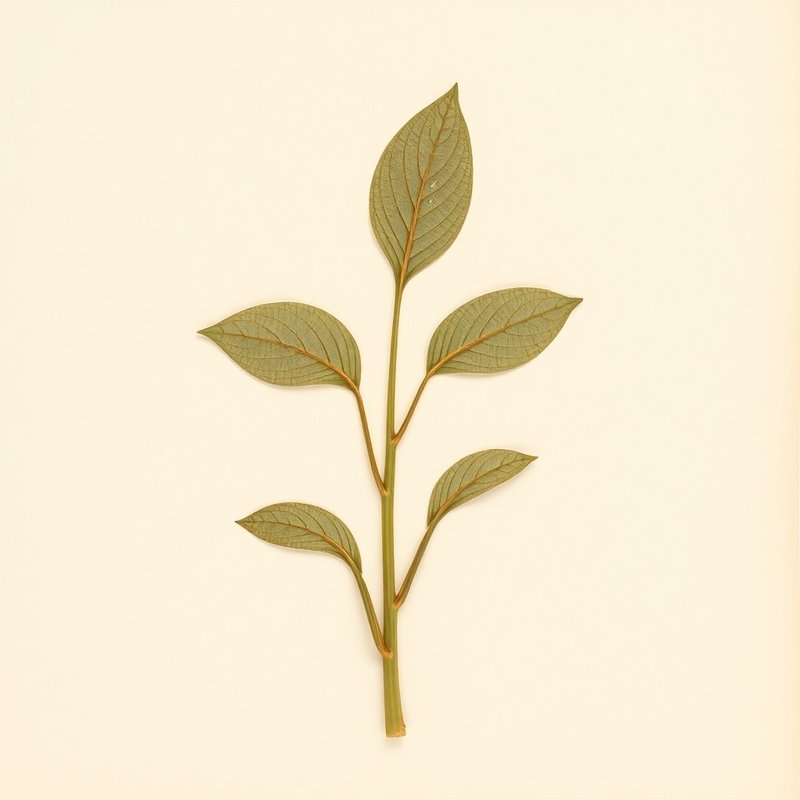
8 relatedPlants you might compare or use together — scored by shared family (Liliaceae), common use cases, and growing requirements.
same family · Liliaceae
Botanical relatives — often share phytochemistry + growing needs.
XI
Explore further
Companion planting
Compare with similar plants
Growing zone
Native to
XII
About this entry
- Last updated
- Citation
- How to cite this entry · Submit a correction
Back to the cataloguePlant id · 0bb6631e-5182-411d-919d-3d3d44f4f30b
Decision aid
Choosing between Large-Flowered Star Tulip and something else?
Continue reading
❦❦❦❦
Endpaper · archive updates
Get archive updates
Occasional email when substantial new content lands — plant profiles, seasonal growing notes, folk-remedy additions. Free, no tracking, unsubscribe anytime.
Newsletter returning soon.
We are rebuilding the update list around a lightweight editorial workflow. New dispatches will resume after the next content review cycle.