
Hyacinth Brodiaea
IOverview
Overview
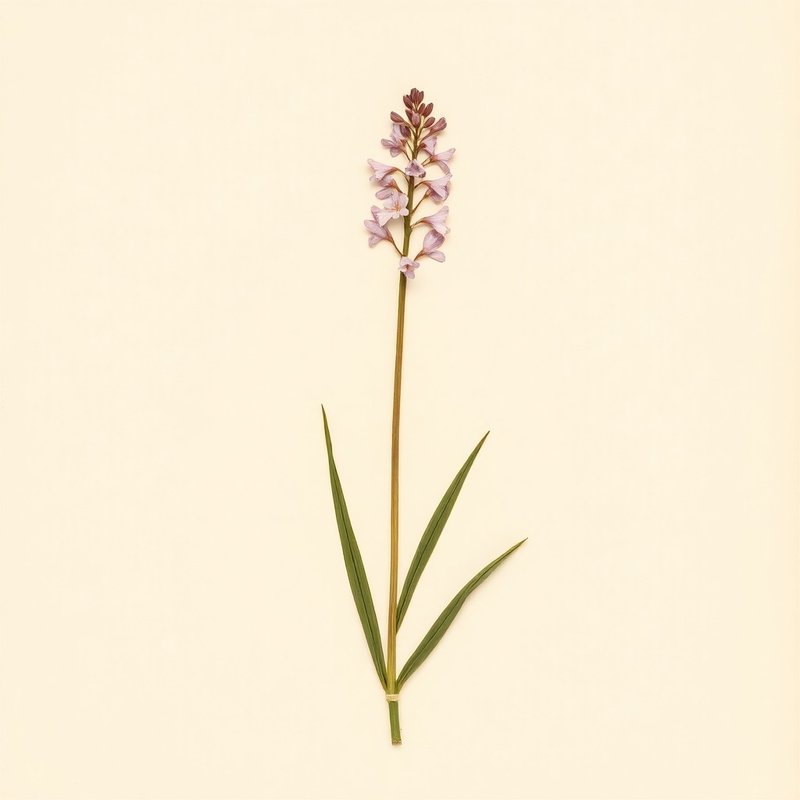
Hyacinth Brodiaea, scientifically known as Triteleia hyacinthina, is a perennial herb native to the western United States and British Columbia, found in the wilds of California, Idaho, Nevada, Oregon, and Washington. This plant thrives in full sun to partial shade and prefers well-draining soil that is light or sandy, with moisture levels ranging from dry to moist. It can grow up to 0.7 meters tall and is known for its edible roots, which are a valuable part of the plant for those seeking native edibles. The roots can be prepared in various ways, including being eaten raw or cooked, and can also be dried for later use. One distinctive feature of Hyacinth Brodiaea is its attractive, hyacinth-like flowers, which add ornamental value to gardens or natural landscapes. This plant grows best in temperate regions hardy from zones 4-8 and is well-suited for cultivation in areas with similar conditions. While not medicinal, it is an important part of the local ecosystem and a valuable resource for foragers and gardeners.
What is Hyacinth Brodiaea?
Hyacinth Brodiaea, scientifically known as Triteleia hyacinthina, is a perennial herb native to the western United States and British Columbia, found in the wilds of California, Idaho, Nevada, Oregon, and Washington.
VCultivation
Cultivation
How to grow Hyacinth Brodiaea for the first time
Start with Hyacinth Brodiaea as a simple, low-maintenance addition to your garden.
- 1
What you'll need
Hyacinth Brodiaea bulbs, well-draining soil, and a container or planting area.
- 2
Best time to plant
Plant in fall, around September to November, for spring blooms.
- 3
Soil and container prep
Ensure the soil is light (sandy) to medium with good drainage. Containers should have holes for proper aeration.
- 4
Sowing or transplanting
Plant bulbs 3-4 inches deep, spacing them about 6 inches apart in well-draining soil.
- 5
First two weeks
Water sparingly to avoid rot. Keep the area free of weeds and debris.
- 6
Ongoing care
Provide full sun exposure and water only when the soil is dry, especially during summer droughts.
- 7
Harvest or pruning
After flowering, allow foliage to yellow naturally before removing it. No need for root harvest as they are not commonly used.
- 8
Common mistakes
Overwatering, planting too deep, and neglecting proper sunlight exposure.
VIEdible & utility
Edible & utility
VIIDistribution
6 native · 0 introduced
Distribution
6 native · 0 introducedIXSpecimen gallery
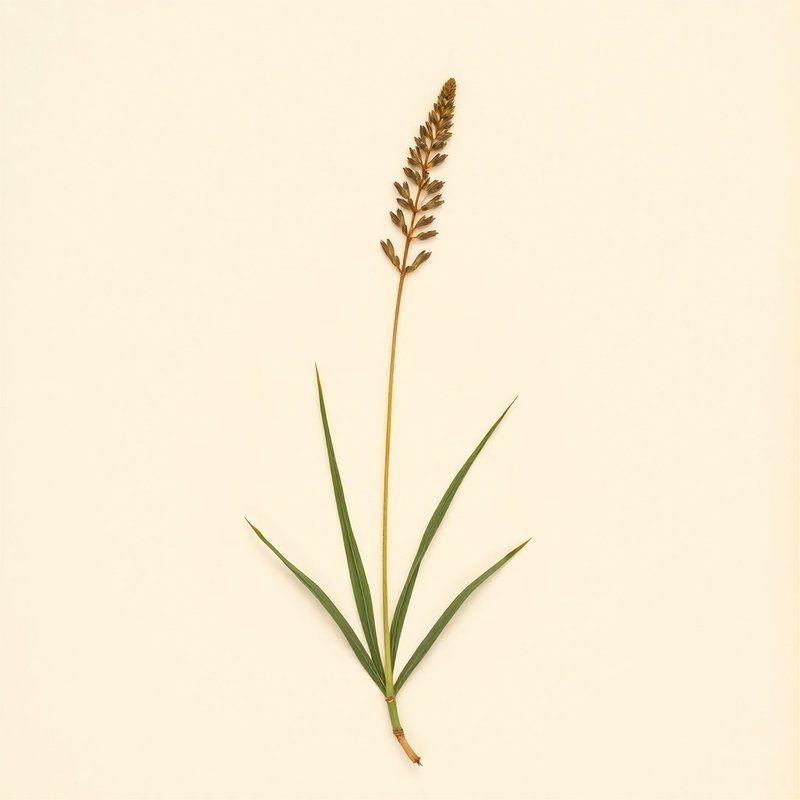
1 image
Specimen gallery
1 imageXSee also
8 related
See also
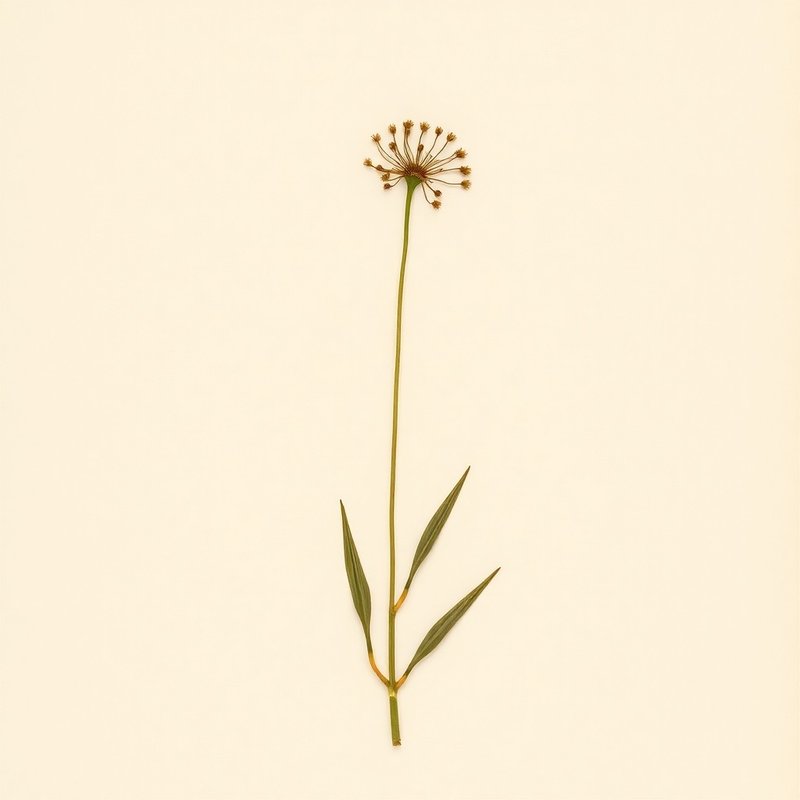
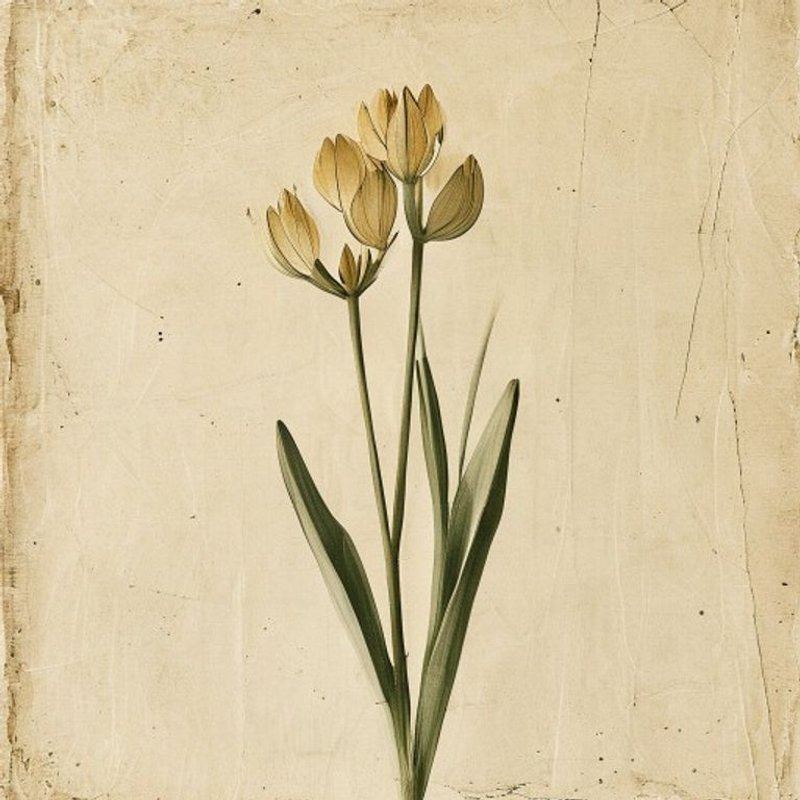
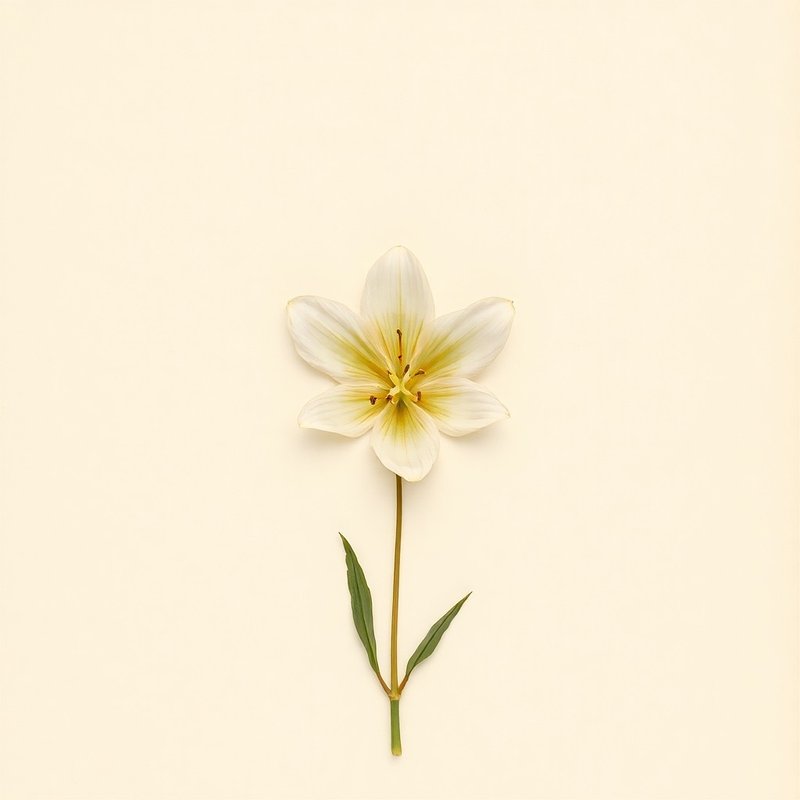
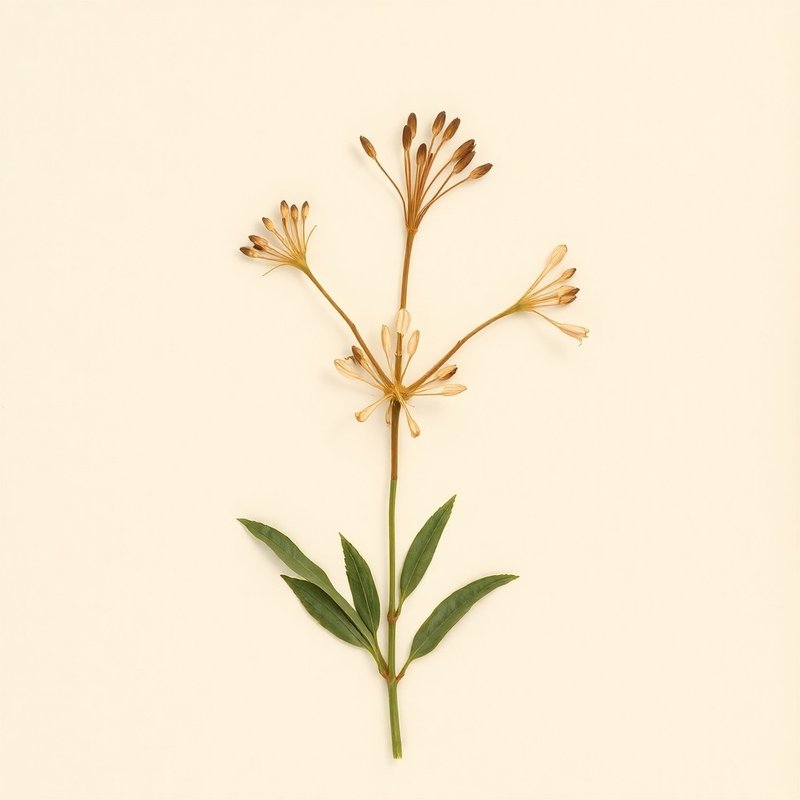
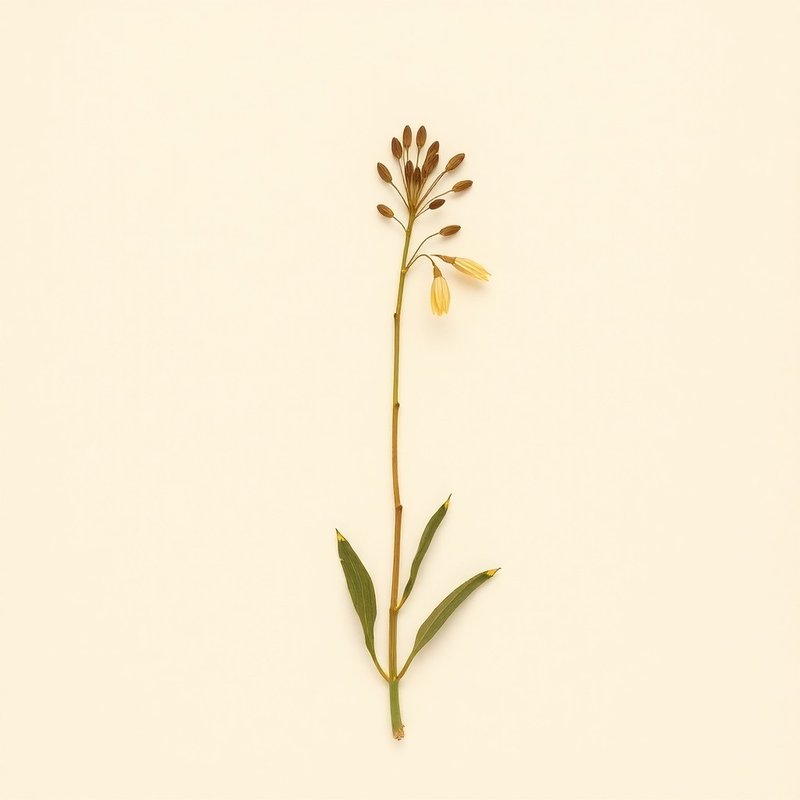
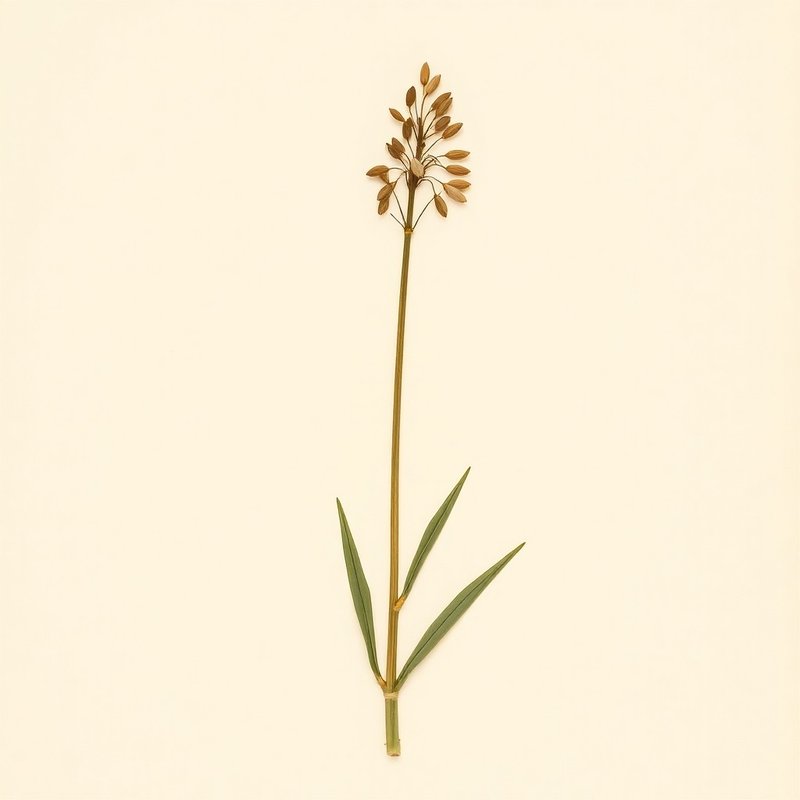
8 relatedPlants you might compare or use together — scored by shared family (Liliaceae), common use cases, and growing requirements.
Explore further
About this entry
- Last updated
- Citation
- How to cite this entry · Submit a correction
Continue reading
Get archive updates
Occasional email when substantial new content lands — plant profiles, seasonal growing notes, folk-remedy additions. Free, no tracking, unsubscribe anytime.